
L’arbre au bord du chemin — History & Facts
What if silence could speak through light? In the delicate interplay of shadow and illumination found in L’arbre au bord du chemin, chaos becomes a serene witness to the passage of time. Begin your exploration in the lower left corner, where the gnarled roots of the tree intertwine with the earth, grounding the scene. Notice how the soft, diffused light casts gentle highlights on the bark, revealing a tapestry of textures. As your gaze travels upward, observe the ethereal quality of the leaves, almost translucent, as they flutter against the azure sky.
The composition draws the eye along the winding path, inviting contemplation of where it might lead, while the vibrant greens contrast harmoniously with the muted earth tones. Within this tranquil setting lies an emotional tension—chaos obscured by calm. The tree stands resolute, embodying resilience amidst the surrounding nature. Each leaf and shadow whispers stories of storms weathered, yet there is an undeniable peace in the ambiance.
This juxtaposition between tranquility and the unseen tumult of life creates a poignant reflection on the human experience, suggesting that beneath surface stillness often lies a deeper unrest. Created in 1875, this work emerged during Harpignies' prolific years in France, a time when the art world was shifting toward Impressionism. The artist, who became known for his landscapes, was responding to the changing perceptions of nature and light, attempting to capture fleeting moments in the natural world. This painting reflects not only his technical skills but also a burgeoning desire to convey emotion through the subtleties of landscape.
More Artworks by Henri-Joseph Harpignies
Browse all →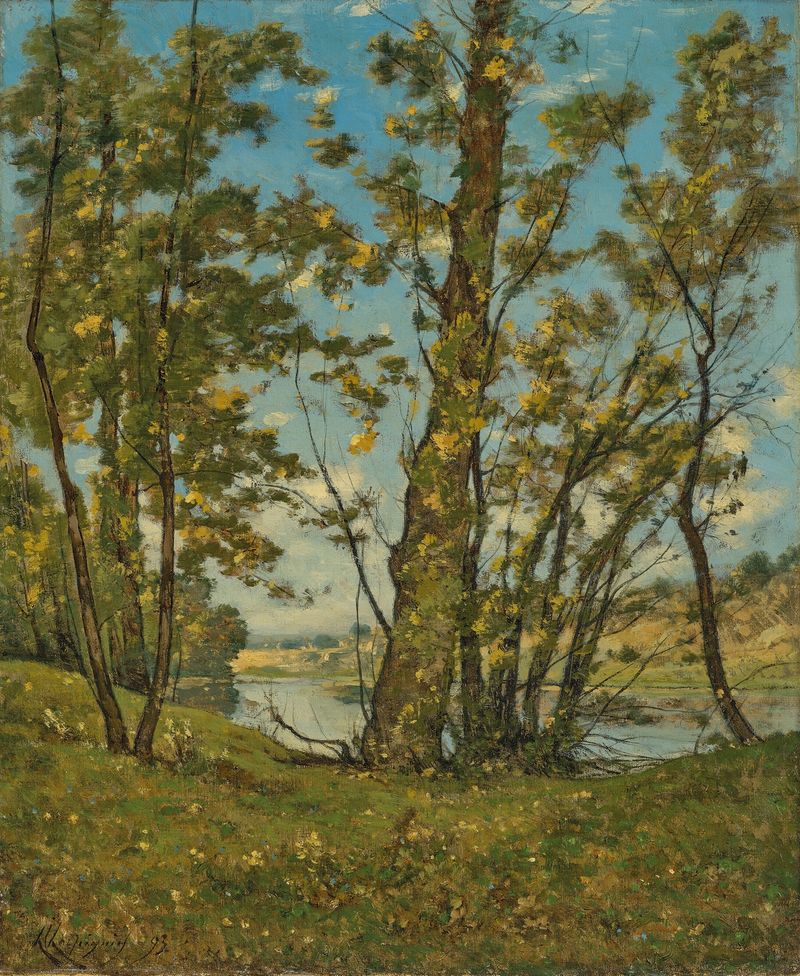
La Loire à Bonny
Henri-Joseph Harpignies
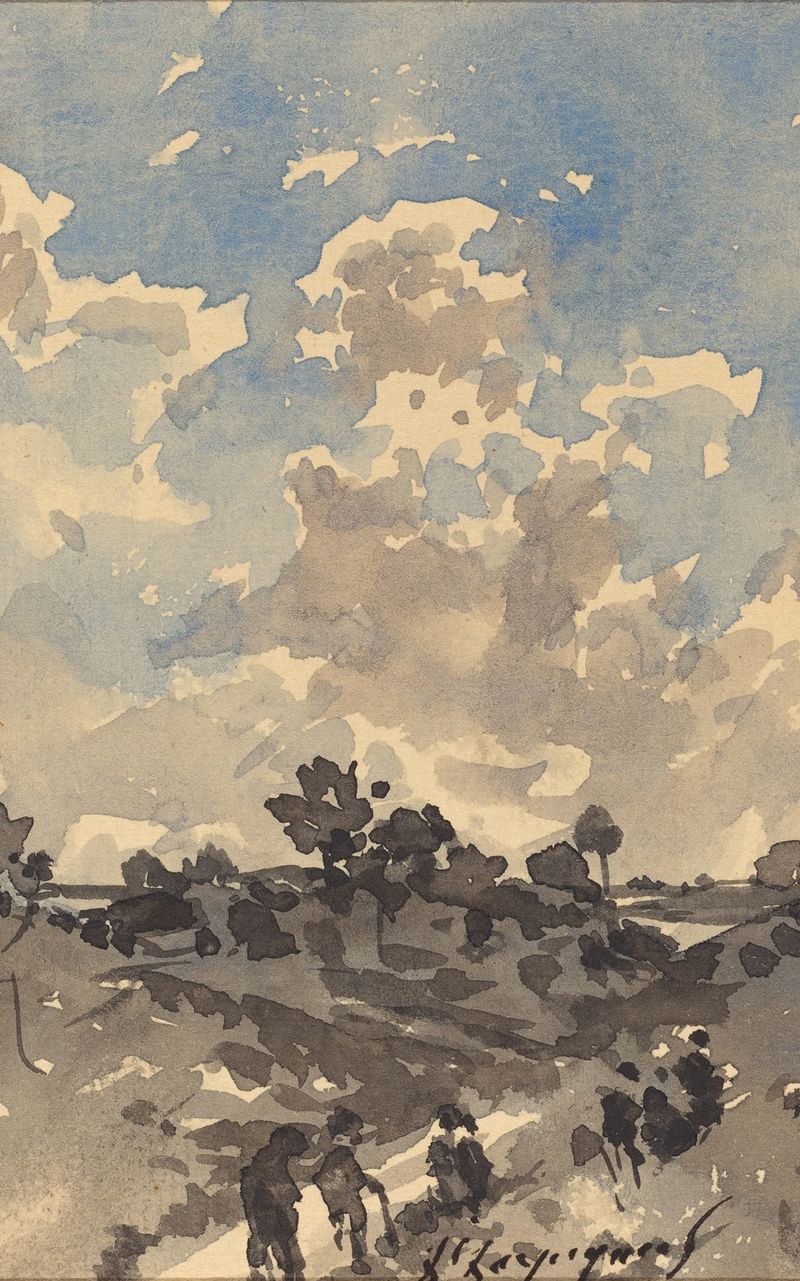
A Landscape with Figures Walking along a Path
Henri-Joseph Harpignies
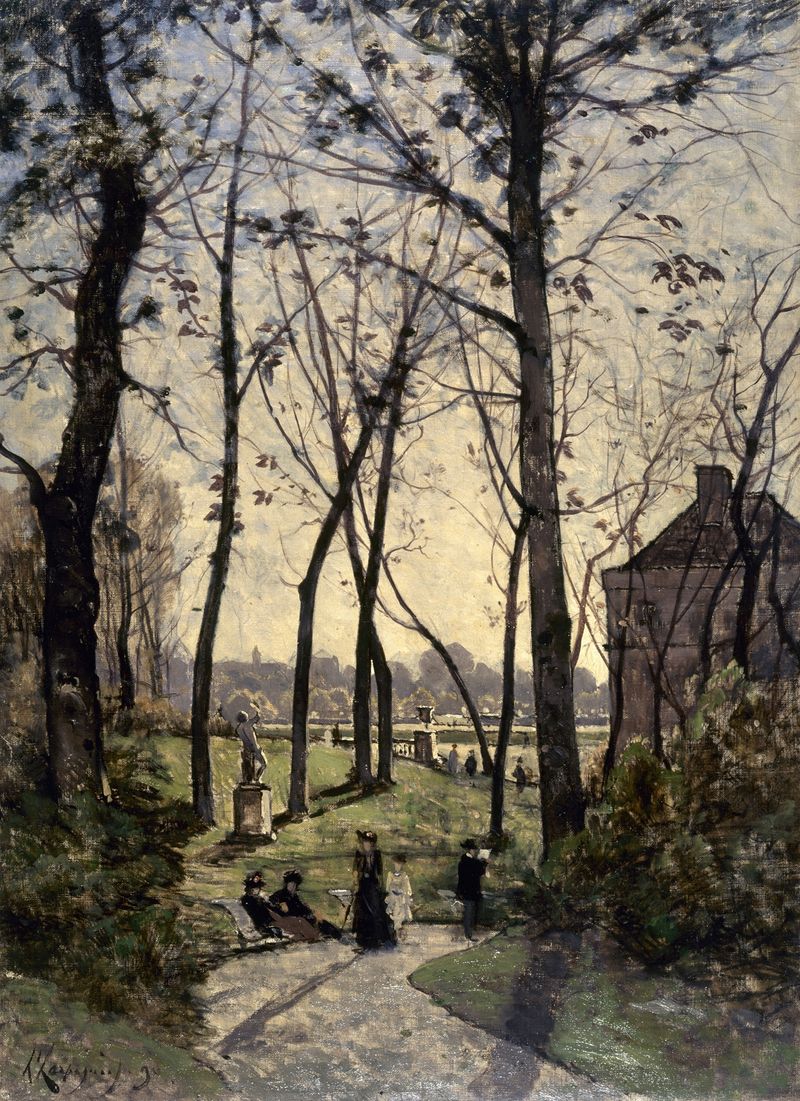
Le jardin du Luxembourg
Henri-Joseph Harpignies
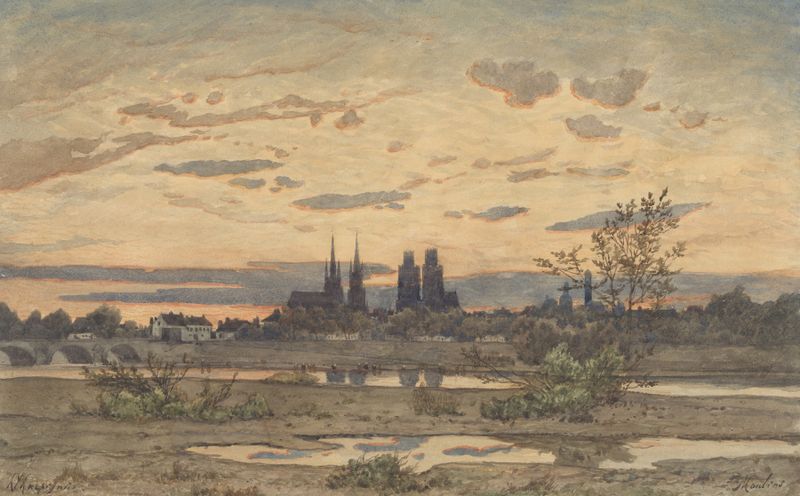
A View of Moulins
Henri-Joseph Harpignies
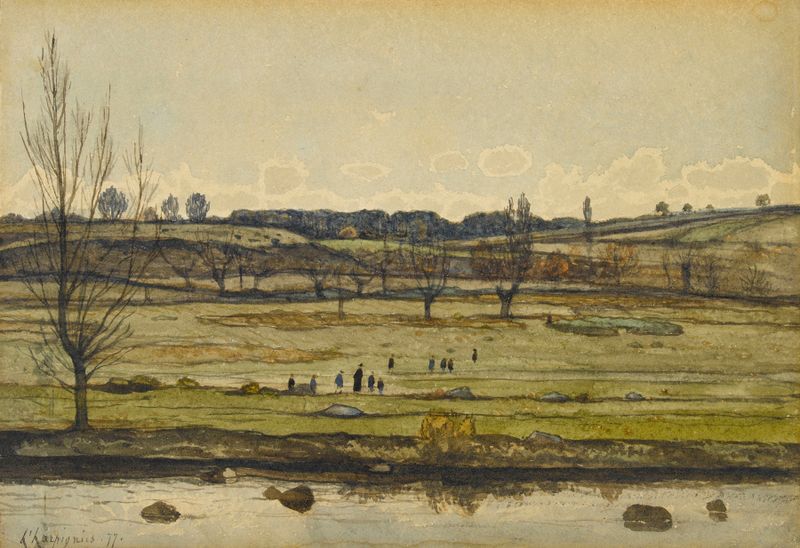
Paysage
Henri-Joseph Harpignies
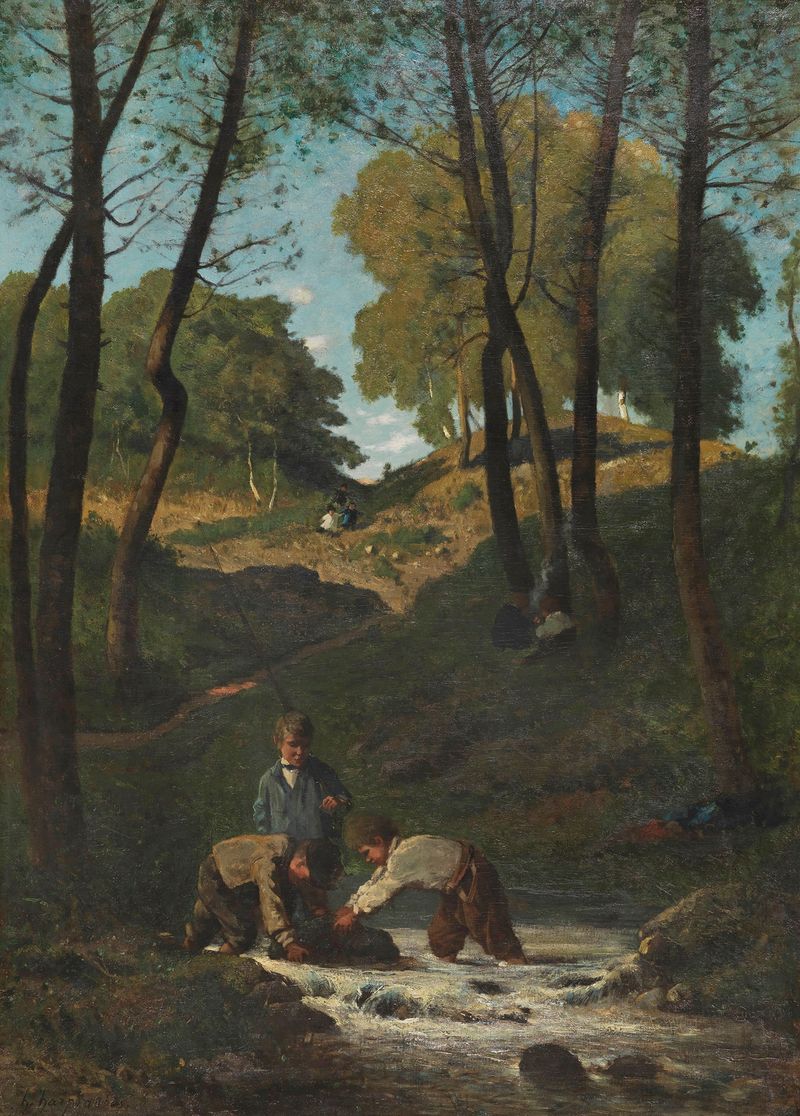
Chercheurs d’écrevisses
Henri-Joseph Harpignies
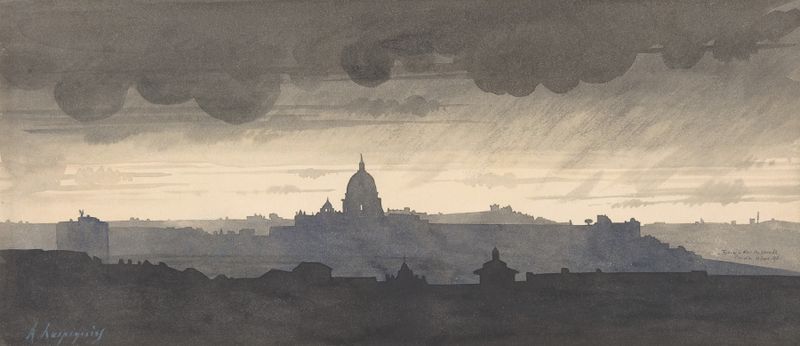
Saint Peter’s Seen From the Pincio, Rome
Henri-Joseph Harpignies
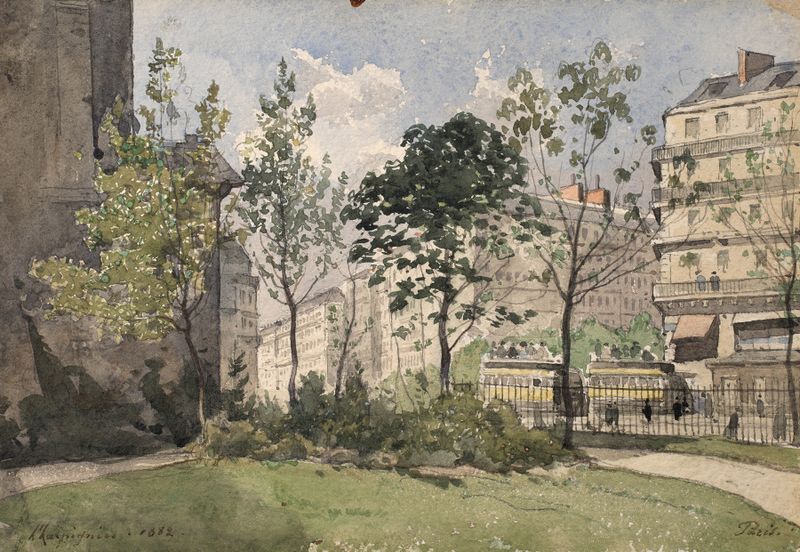
View of the forecourt of the Saint-Germain-des-Prés church
Henri-Joseph Harpignies
Le Colisée à Rome
Henri-Joseph Harpignies

Villefranche
Henri-Joseph Harpignies





