
L’Avenue de l’Opéra — History & Facts
Could beauty survive in a century of chaos? In L’Avenue de l’Opéra, vibrant colors dance together, capturing the delicate balance between urban life and artistic serenity. Look to the foreground at the bustling figures moving along the grand avenue. Pissarro meticulously places a lively group of pedestrians strolling beneath the canopies of the trees, their movement almost palpable. Notice how the dappled sunlight filters through the leaves, casting playful patterns on the cobblestones.
The juxtaposition of warm yellows and soft blues creates a harmonious atmosphere, inviting the viewer into this lively Parisian scene, while the buildings rise majestically in the background, grounding the movement in the city’s architectural splendor. The emotional tension emerges from the contrast between the animated figures and the stoic grandeur of the opera house. Each pedestrian, lost in their own world, hints at stories untold, while the looming structure serves as a reminder of culture amidst the hustle. The trees, lush and green, symbolize nature’s quiet resilience amid urbanization.
Pissarro's choice to paint from an elevated perspective allows for a panoramic view of the scene, suggesting that beauty can emerge even in the busiest corners of life. In 1898, Pissarro worked in Paris during a period marked by the rise of Impressionism, a movement that sought to capture the fleeting moments of modern life. This was a time of transformation in art, as artists began breaking away from traditional techniques to embrace spontaneity and light. Balancing his artistic ambitions with the realities of a rapidly changing city, he found inspiration in the vibrancy of daily existence, giving us a glimpse into a world poised delicately between chaos and beauty.
More Artworks by Camille Pissarro
Browse all →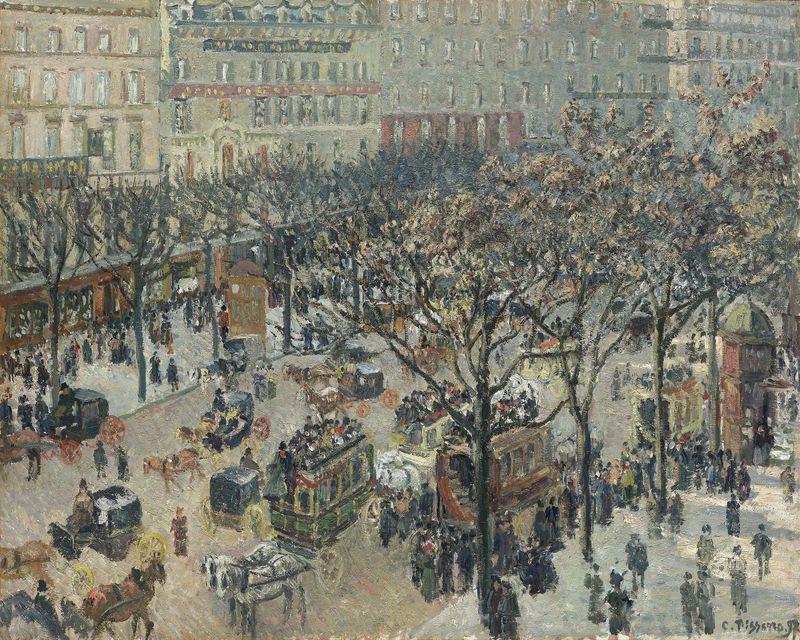
Boulevard des Italiens,Morning_Sunlight
Camille Pissarro
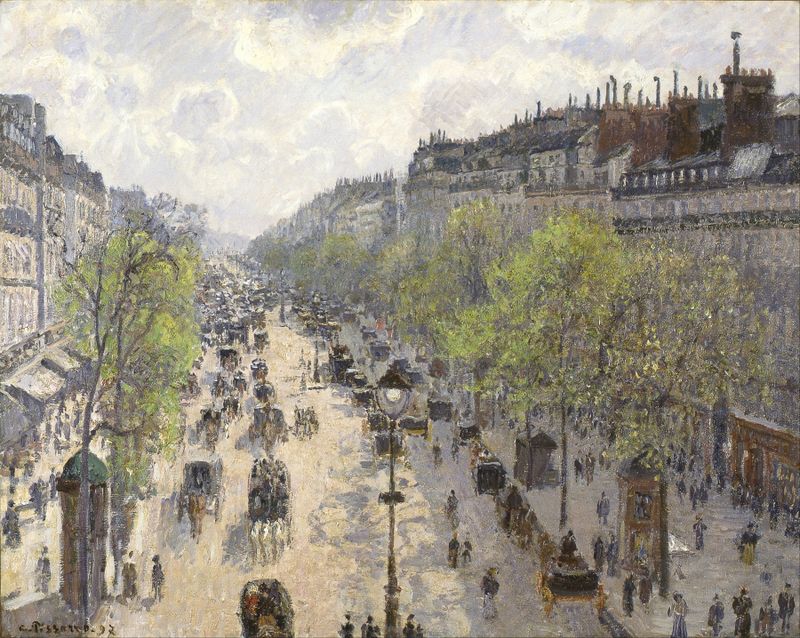
Boulevard Montmartre, Spring
Camille Pissarro
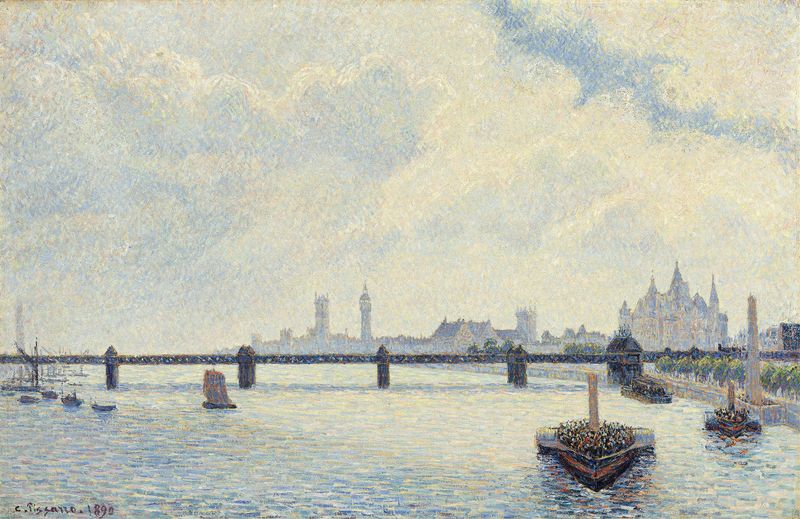
Charing Cross Bridge,London
Camille Pissarro
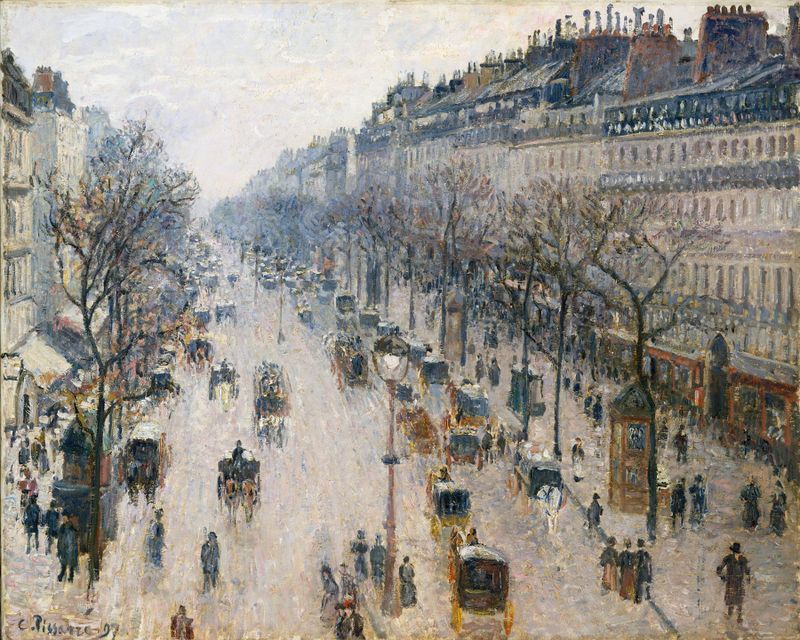
The Boulevard Montmartre on a Winter Morning
Camille Pissarro
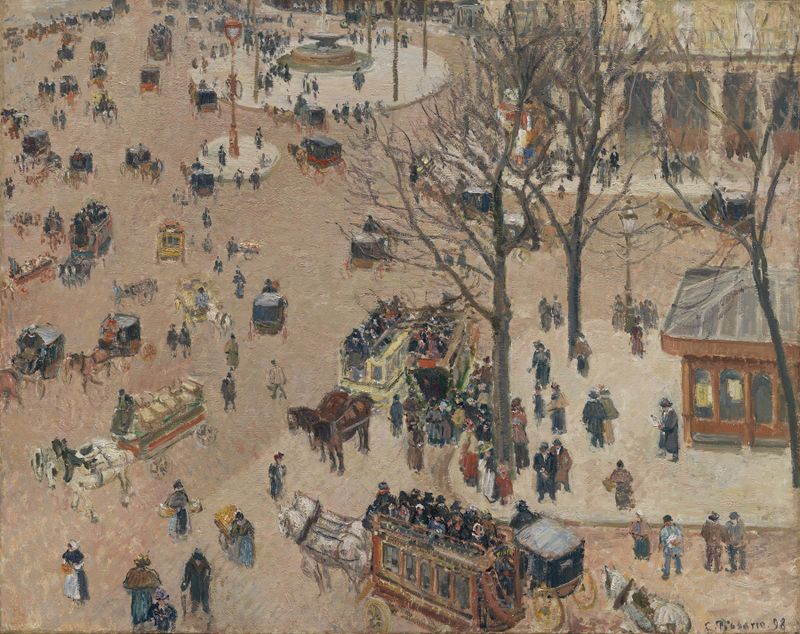
La Place du Théâtre Français
Camille Pissarro

Rue Saint-Lazare, Paris
Camille Pissarro
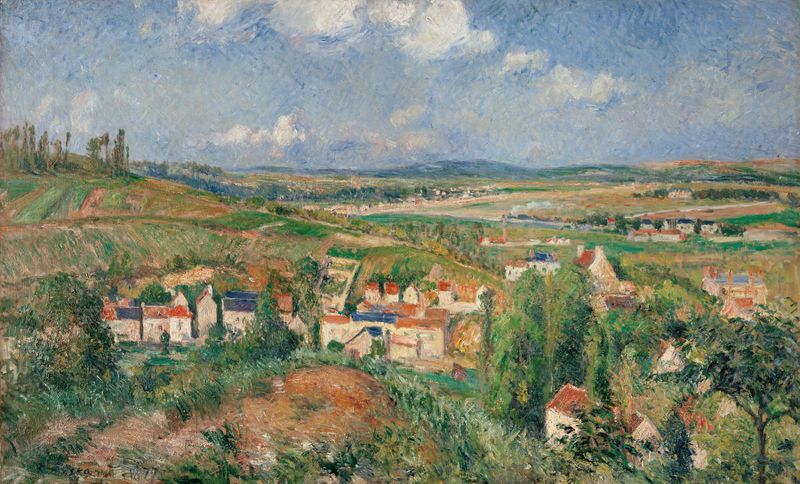
L’hermitage En Été, Pontoise
Camille Pissarro

Place du Theatre Francais,Fog Effect
Camille Pissarro
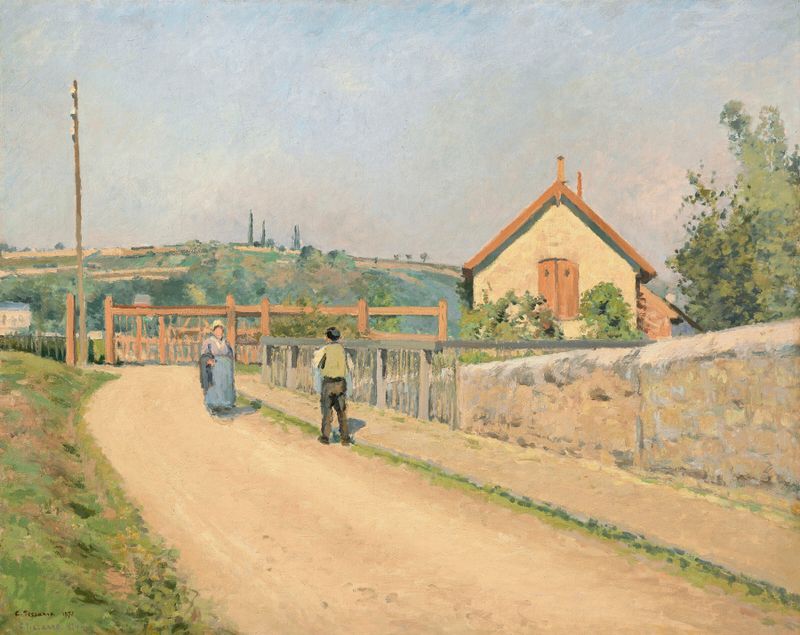
La barrière du chemin de fer, aux Pâtis près Pontoise
Camille Pissarro
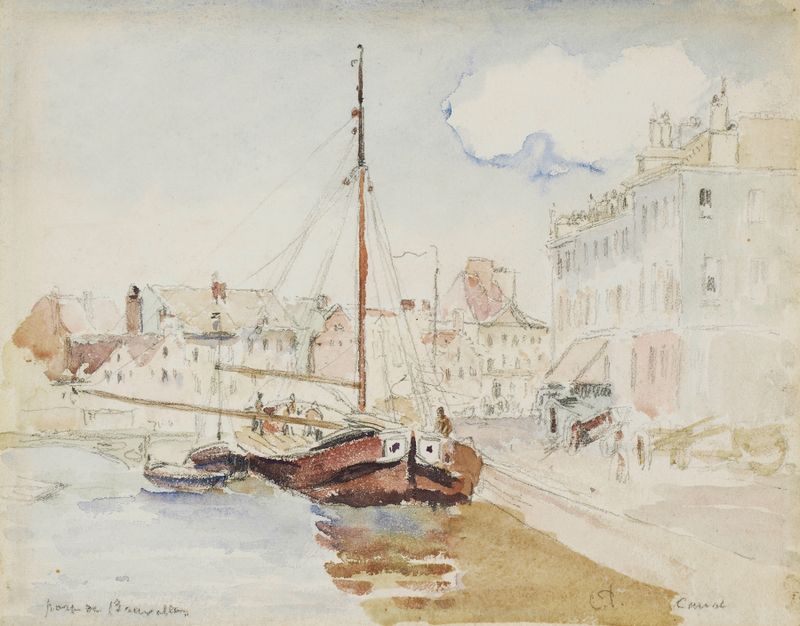
Port de Bruxelles
Camille Pissarro





