
Le banc — History & Facts
Could beauty survive in a century of chaos? In a world teetering on the brink of turmoil, Le banc emerges as a gentle beacon of hope, inviting viewers to find solace in its tranquil embrace. Look to the center of the canvas, where the weathered wooden bench rests quietly beneath the leafy boughs. Notice how the dappled sunlight filters through the foliage, casting playful shadows that dance upon the ground. The rich greens and warm earth tones envelop the scene, creating a harmonious balance that feels alive yet serene.
The brushwork is fluid and impressionistic, capturing the ephemeral beauty of nature while inviting one to pause and reflect. As you delve deeper, consider the juxtaposition of the bench's permanence against the fleeting light. This contrast speaks to an underlying tension: life’s transitory moments juxtaposed with enduring beauty. The bench, while static, suggests the many souls who have sat and contemplated their lives, encapsulating both longing and connection.
It serves as a silent witness to the passage of time, echoing the resilience of hope amid inevitable change. Created in 1906, this piece reflects Harpignies's commitment to capturing the essence of nature’s quiet moments. During this period, the artist was exploring the interplay of light and atmosphere, influenced by the developing Impressionist movement. This painting, like many of his works, embodies a response to a rapidly industrializing world, emphasizing nature’s enduring presence as a source of comfort and inspiration.
More Artworks by Henri-Joseph Harpignies
Browse all →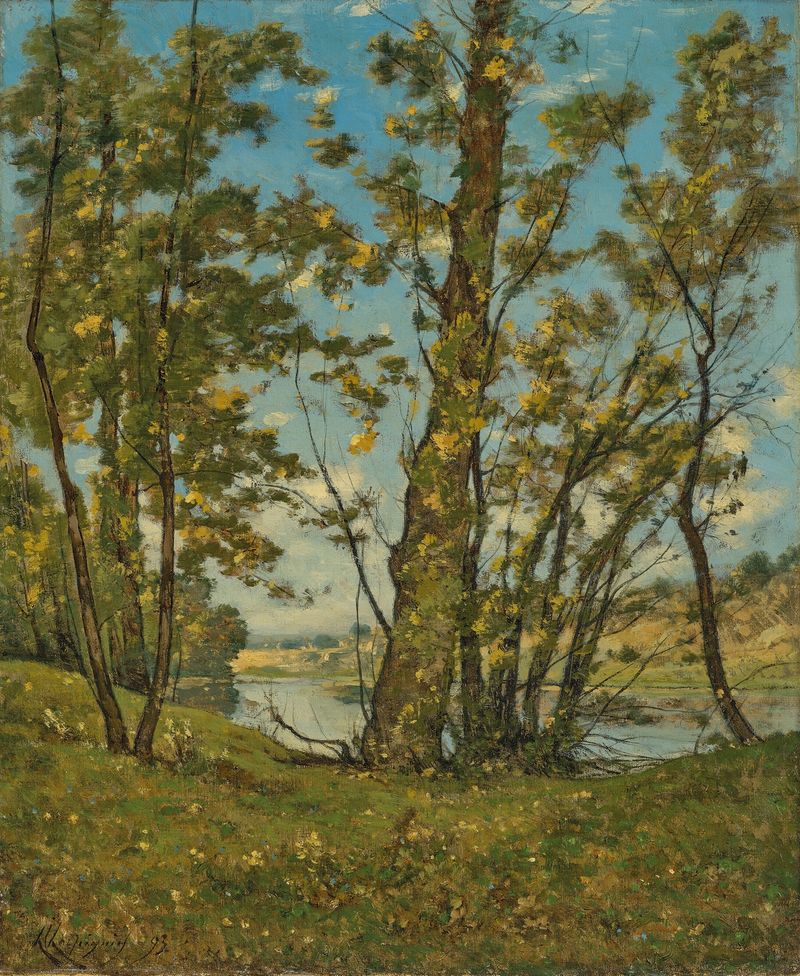
La Loire à Bonny
Henri-Joseph Harpignies
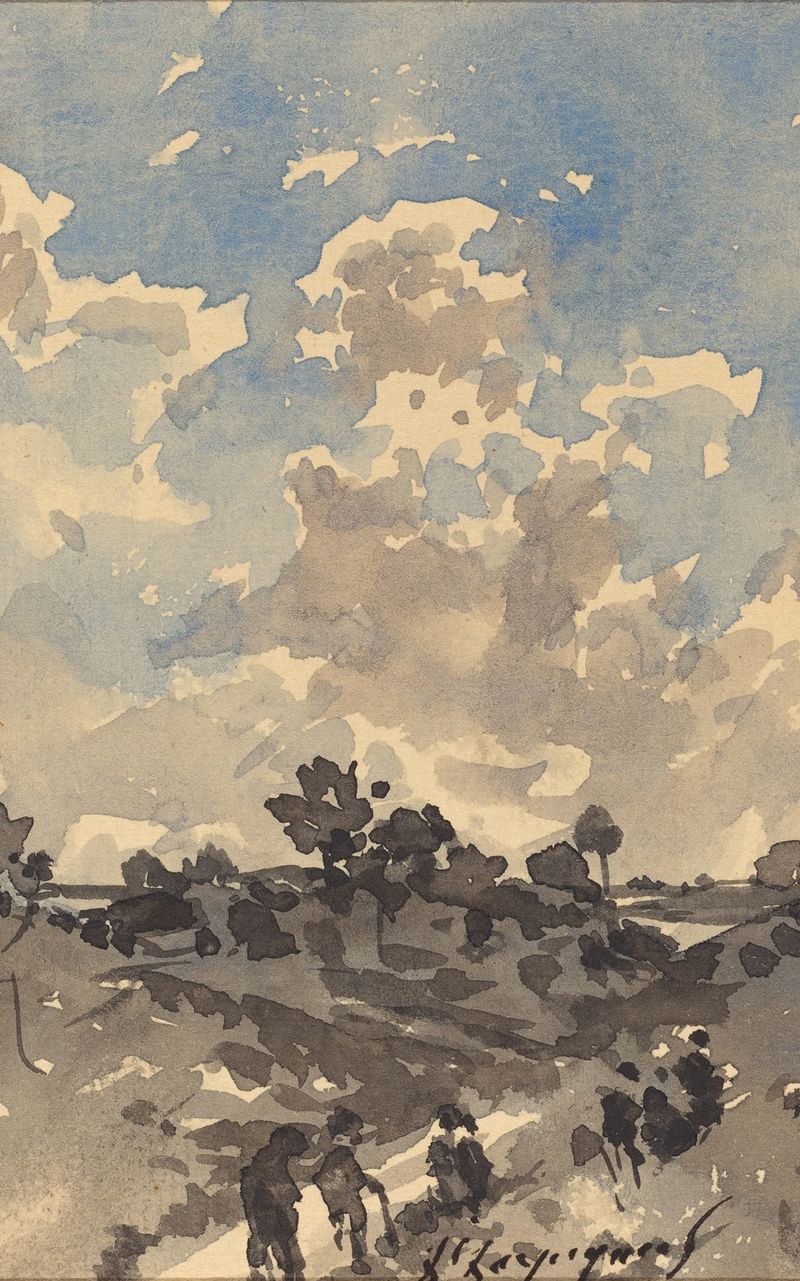
A Landscape with Figures Walking along a Path
Henri-Joseph Harpignies
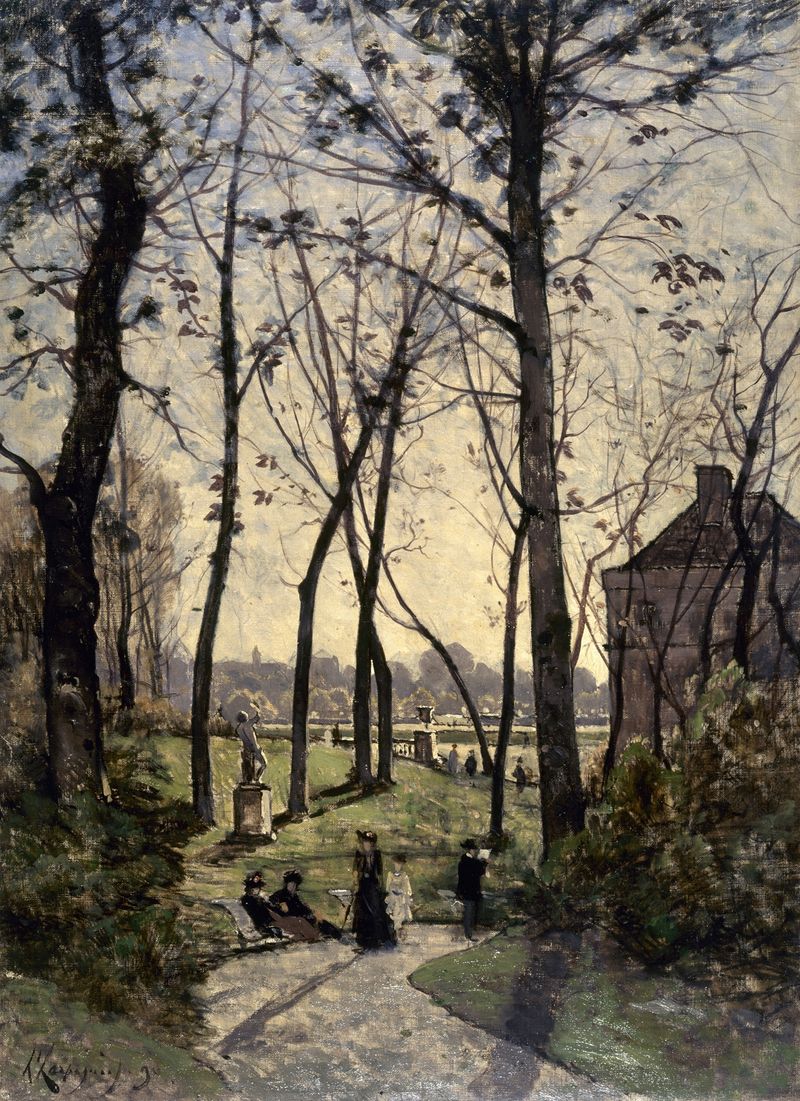
Le jardin du Luxembourg
Henri-Joseph Harpignies
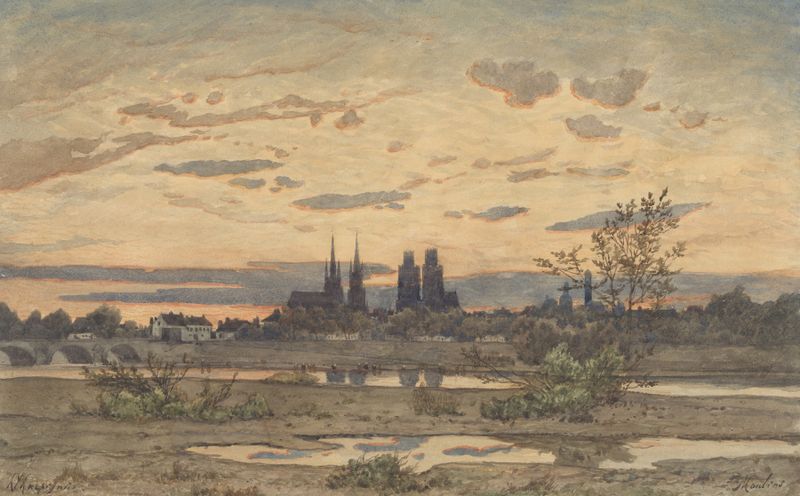
A View of Moulins
Henri-Joseph Harpignies
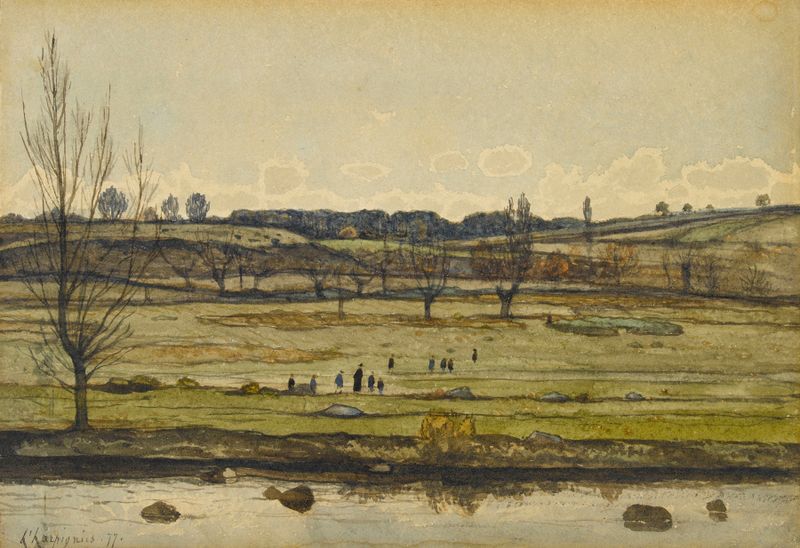
Paysage
Henri-Joseph Harpignies
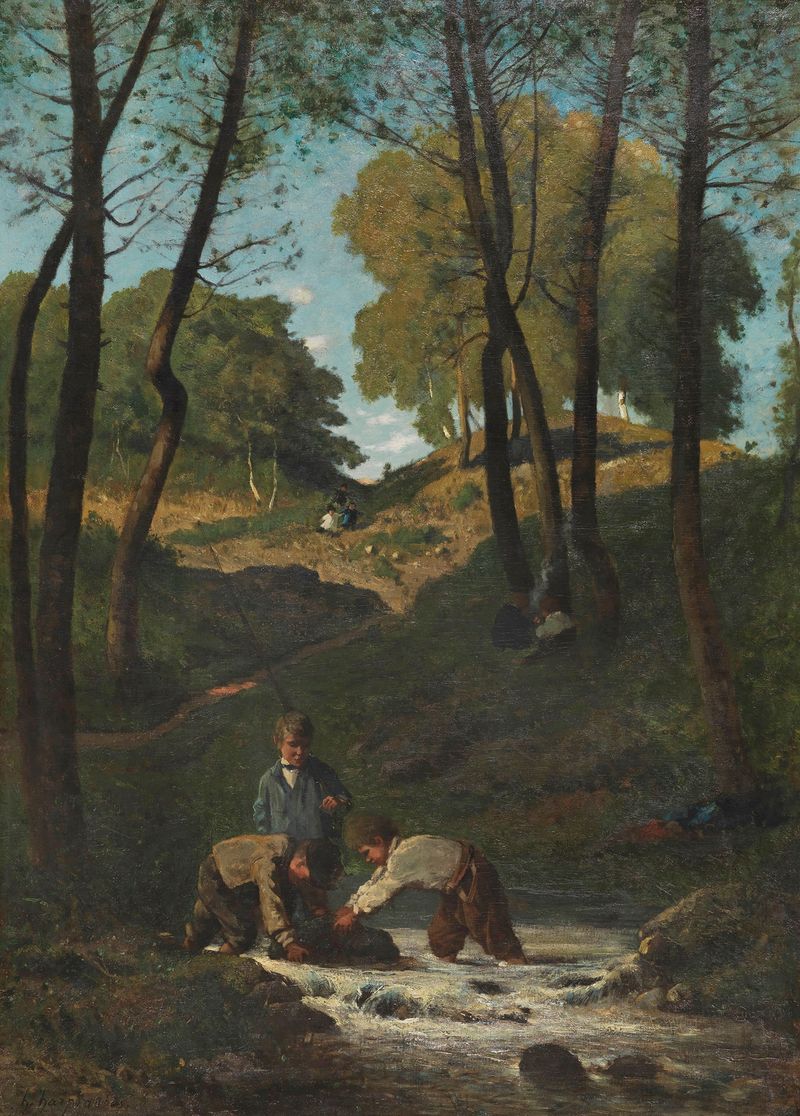
Chercheurs d’écrevisses
Henri-Joseph Harpignies
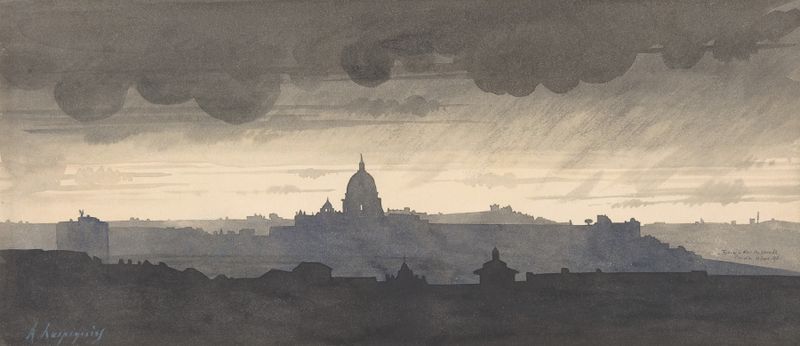
Saint Peter’s Seen From the Pincio, Rome
Henri-Joseph Harpignies
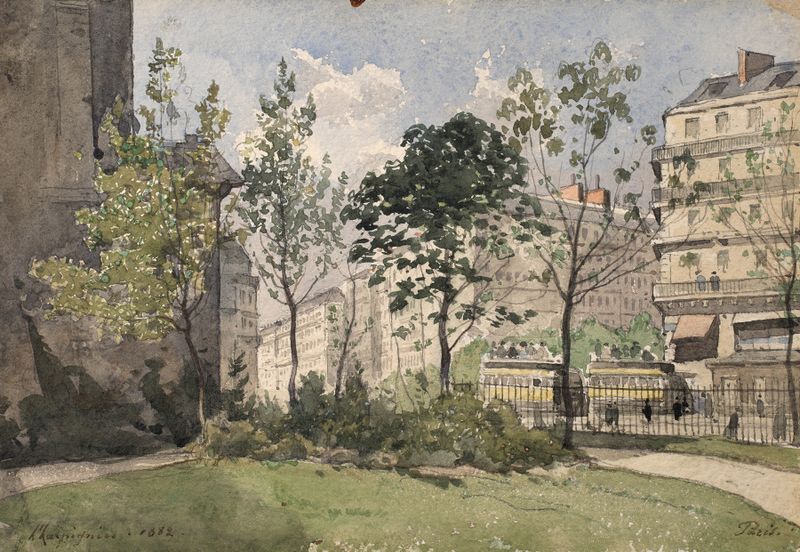
View of the forecourt of the Saint-Germain-des-Prés church
Henri-Joseph Harpignies
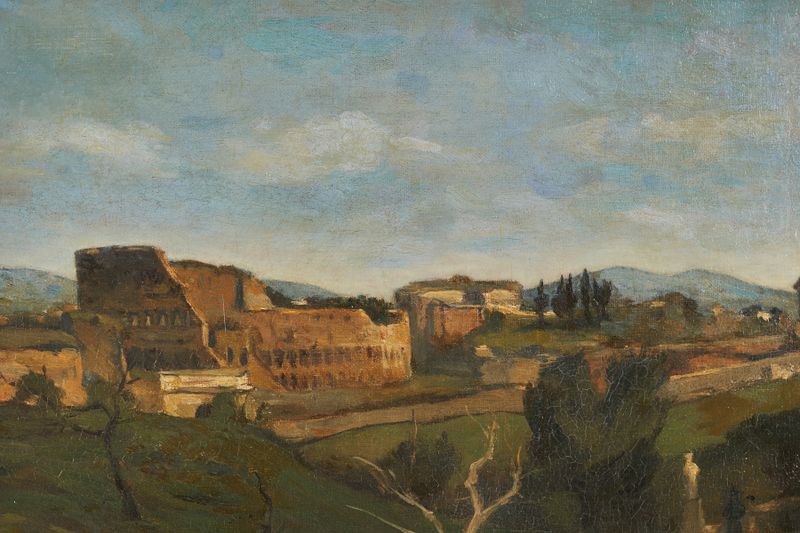
Le Colisée à Rome
Henri-Joseph Harpignies

Villefranche
Henri-Joseph Harpignies





