Luxe, Calme et Volupté — History & Facts
Luxe, Calme et Volupté is an oil on canvas painting created by Henri Matisse in 1904. Measuring 98 x 118.5 cm, this work marks a pivotal moment in Matisse’s career, as he experimented with the Divisionist technique influenced by Georges Seurat and Paul Signac. The painting was completed during a summer stay in Saint-Tropez, a period that saw Matisse exploring new approaches to color and form that would shape the development of Fauvism. The composition presents a group of nude and semi-nude figures relaxing on a sunlit shore, with a sailboat and distant hills visible across a shimmering expanse of water.
The surface is built up from distinct, vibrant dabs of paint in a range of colors, creating a mosaic-like effect. The palette is dominated by warm yellows, oranges, and pinks, offset by cooler blues and greens, giving the scene a radiant, luminous quality. The figures are outlined with bold contours, and the landscape is rendered with simplified forms, emphasizing color relationships over naturalistic detail. Luxe, Calme et Volupté was first exhibited at the Salon des Indépendants in 1905, where it attracted attention for its innovative use of color and technique.
The painting is now held in the collection of the Musée d'Orsay, Paris. Its title, taken from a poem by Charles Baudelaire, reflects the idyllic and sensuous atmosphere of the scene. The work is recognized as a foundational example of early Fauvism and played a significant role in establishing Matisse’s reputation as a leading figure in modern art.
More Artworks by Henri Matisse
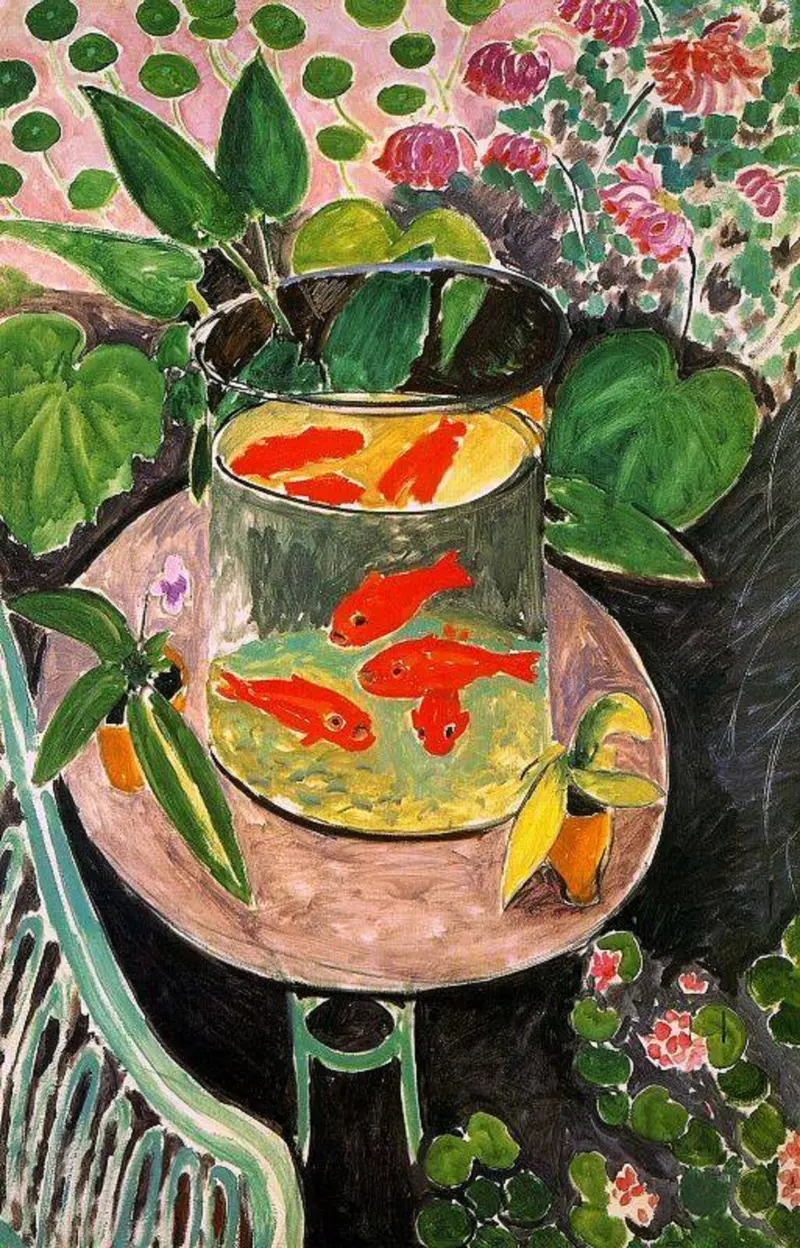
Goldfish
Henri Matisse

Femme au chapeau fleuri
Henri Matisse

Le Bonheur de vivre, also called The Joy of Life
Henri Matisse

Femme près de la fenêtre, Nice
Henri Matisse
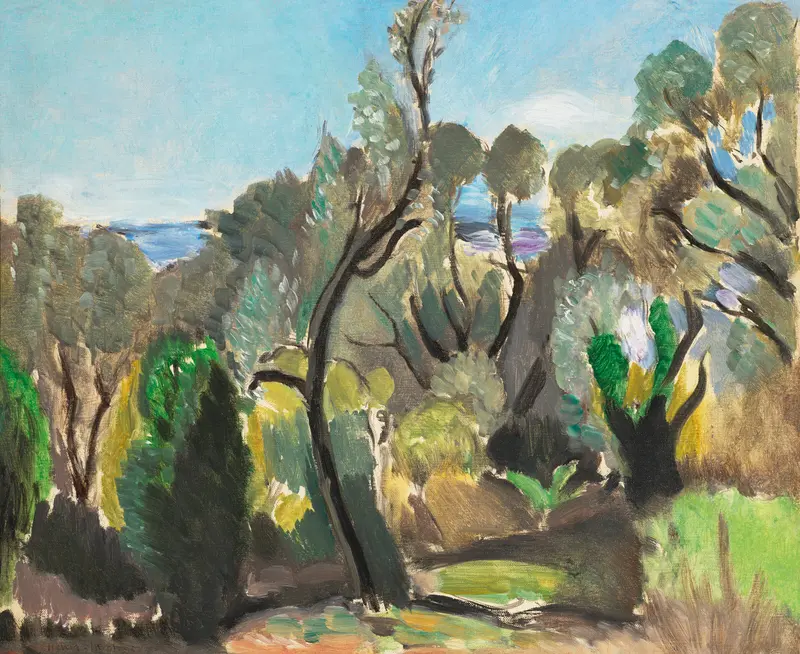
Paysage aux environs de Nice ou Les Oliviers ou Coin du Mont-Boron
Henri Matisse
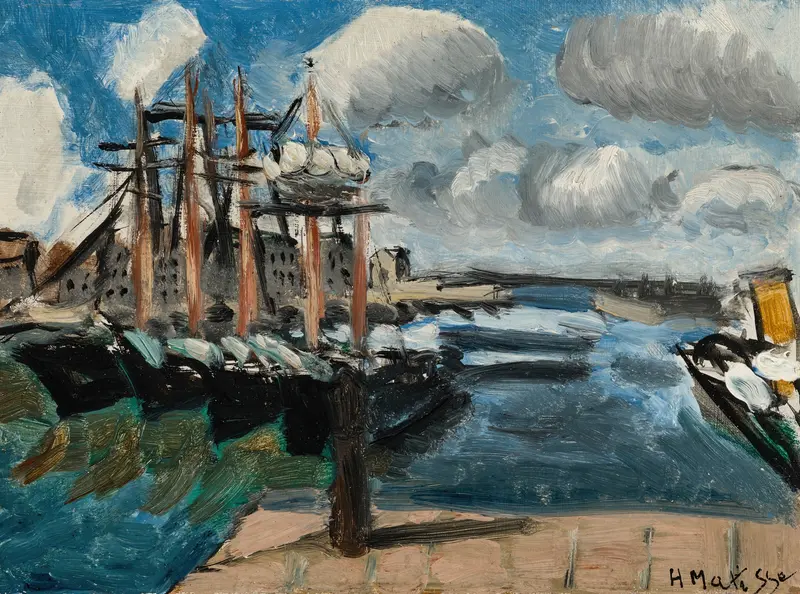
Port de Cherbourg
Henri Matisse

Paysage du Midi
Henri Matisse
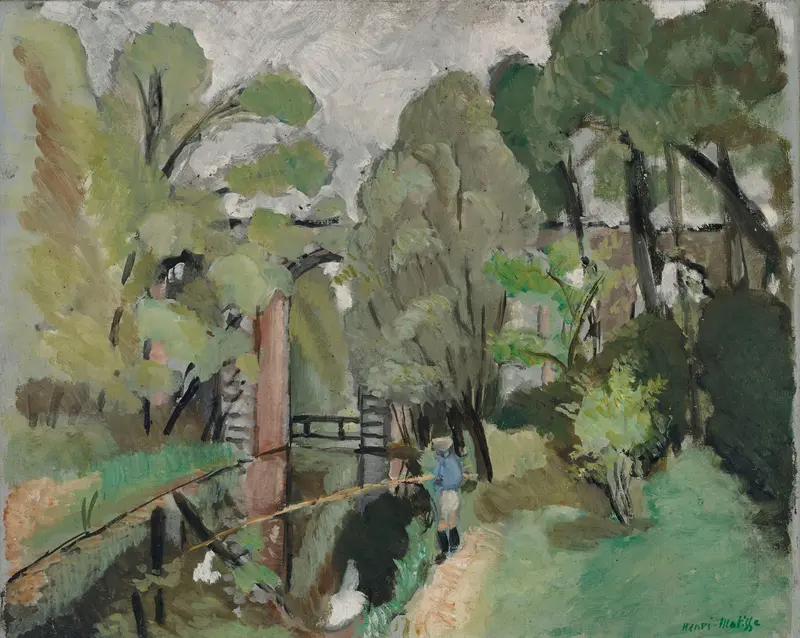
Le Petit pêcheur, Maintenon
Henri Matisse
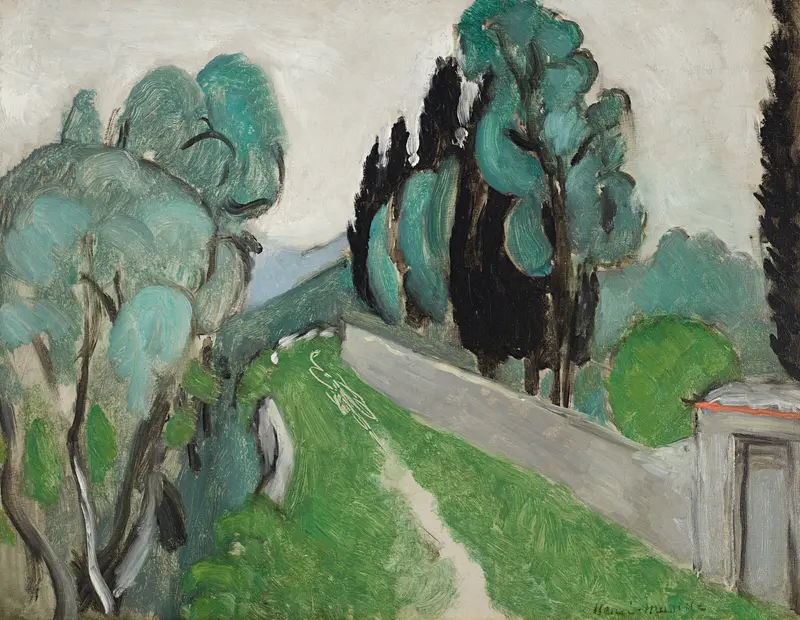
Paysage avec cyprès et oliviers aux environs de Nice
Henri Matisse
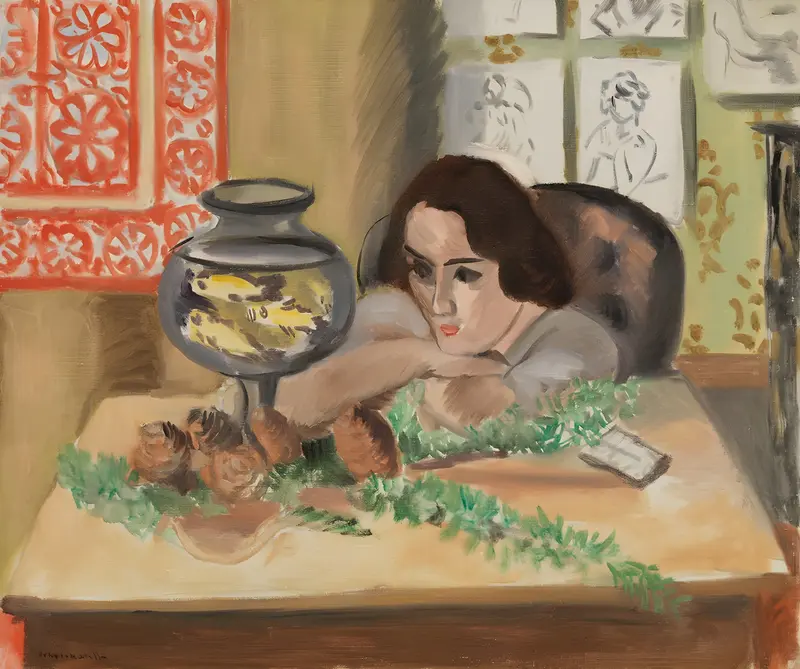
Woman before an Aquarium
Henri Matisse