
Woman with a Hat — History & Facts
Woman with a Hat is an oil painting created by Henri Matisse in 1905. Painted in Paris, this work marks a pivotal moment in Matisse’s career and is closely associated with the emergence of the Fauvism movement. The painting was first exhibited at the Salon d'Automne in 1905, where it became a central work in the group’s presentation and a subject of critical attention. The painting portrays a woman, identified as Matisse’s wife Amélie, seated and wearing a large, elaborate hat.
The figure is rendered with loose, expressive brushwork and a bold, non-naturalistic palette, featuring vivid greens, blues, oranges, and pinks. The background is composed of broad, visible strokes of color, with little attempt at realistic modeling or spatial depth, emphasizing the artist’s focus on color as an expressive force. The hat, with its extravagant form and decoration, dominates the composition and is painted with the same intensity and freedom as the rest of the canvas. Following its debut at the 1905 Salon d'Automne, Woman with a Hat was purchased by the American collectors Gertrude and Leo Stein, who played a significant role in promoting Matisse’s work.
The painting’s bold style and use of color were initially met with controversy and criticism but soon became recognized as a defining example of Fauvism. Today, Woman with a Hat is part of the collection of the San Francisco Museum of Modern Art.
More Artworks by Henri Matisse
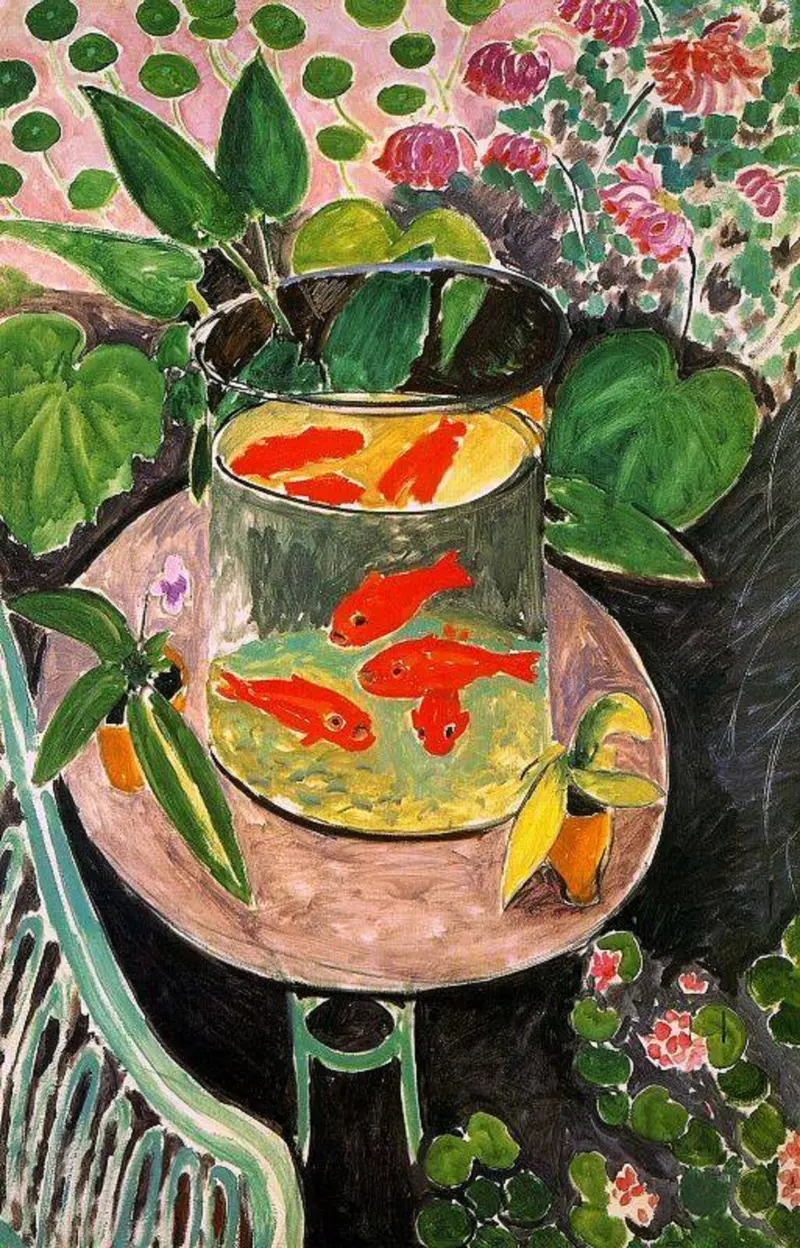
Goldfish
Henri Matisse

Femme au chapeau fleuri
Henri Matisse
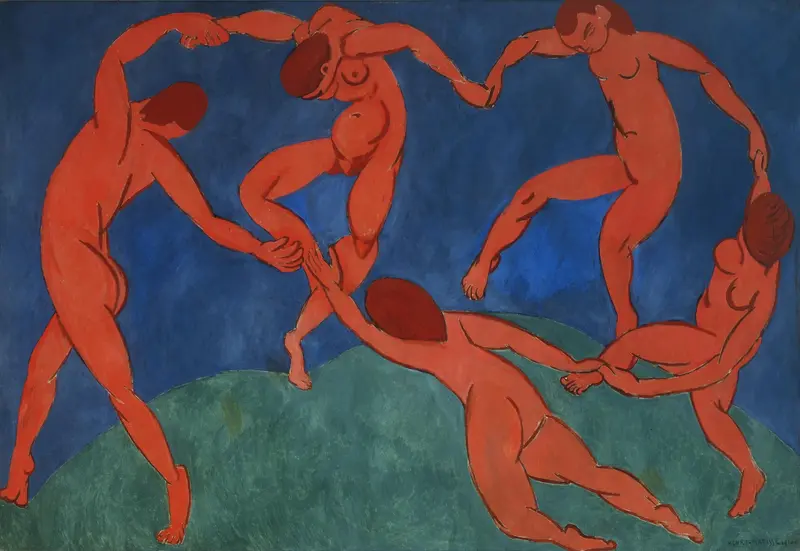
The Dance
Henri Matisse

Le Bonheur de vivre, also called The Joy of Life
Henri Matisse

Femme près de la fenêtre, Nice
Henri Matisse
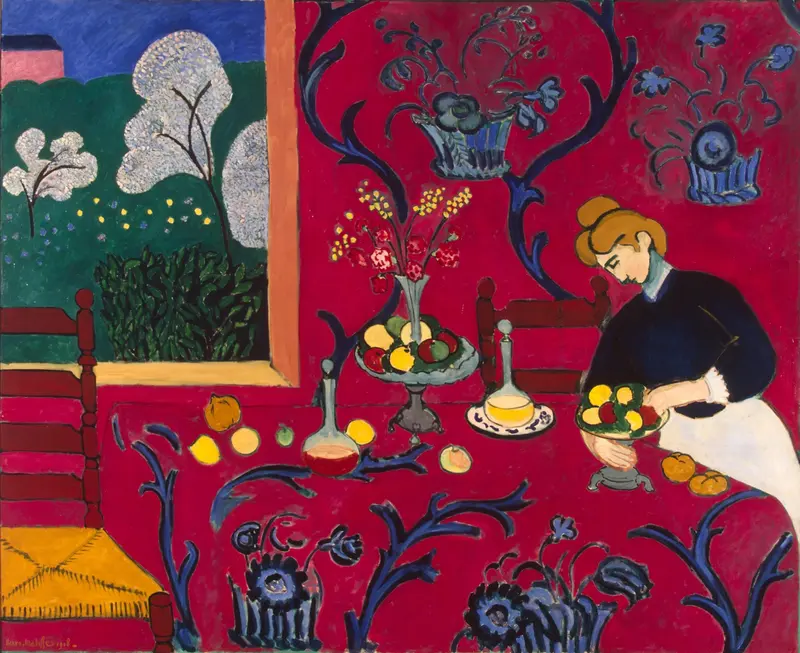
Harmony in Red (The Red Room)
Henri Matisse
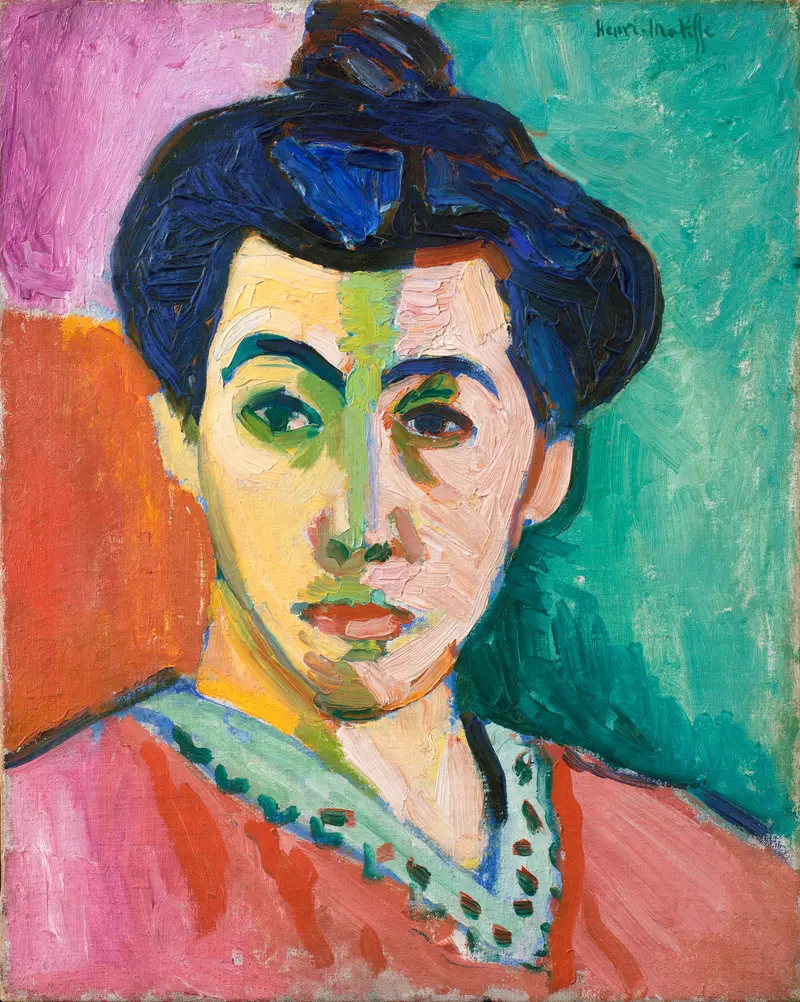
The Green Stripe (Portrait of Madame Matisse)
Henri Matisse
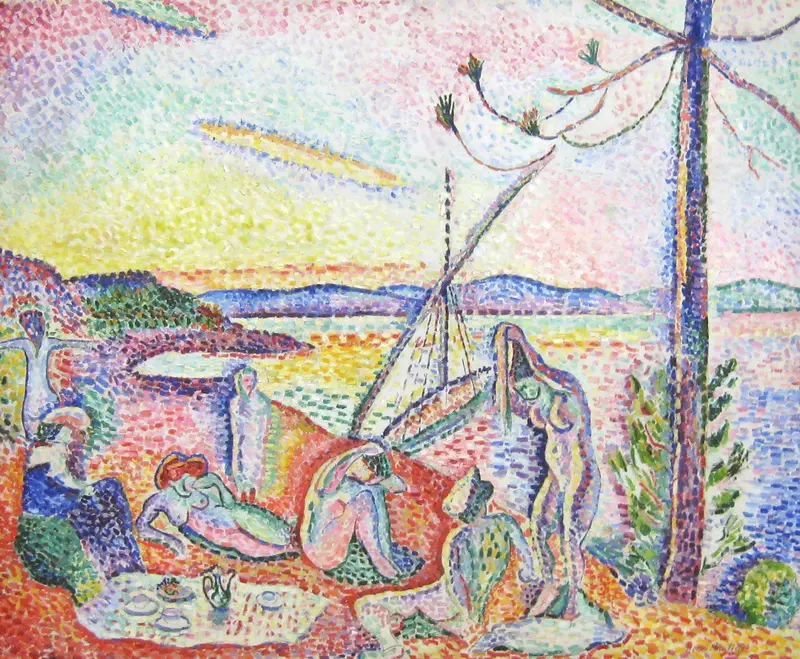
Luxe, Calme et Volupté
Henri Matisse
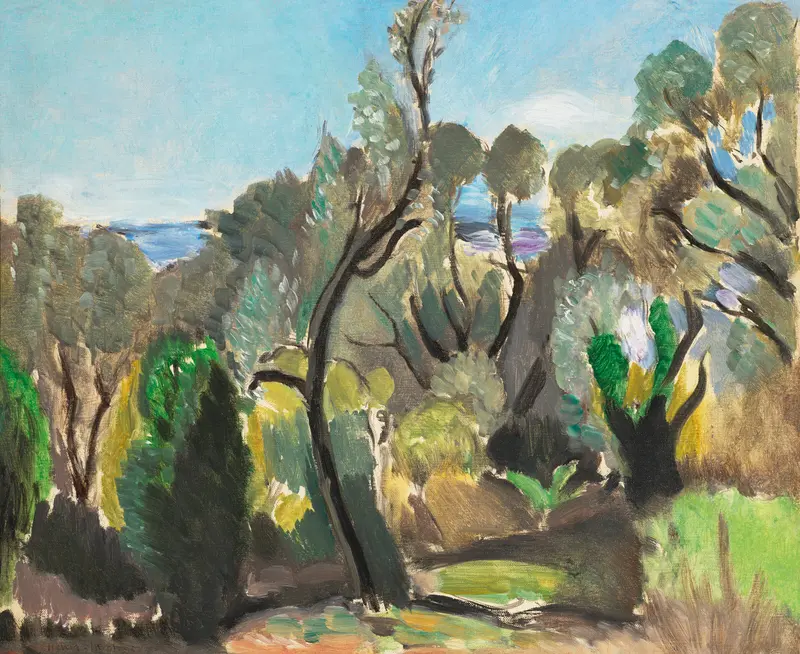
Paysage aux environs de Nice ou Les Oliviers ou Coin du Mont-Boron
Henri Matisse
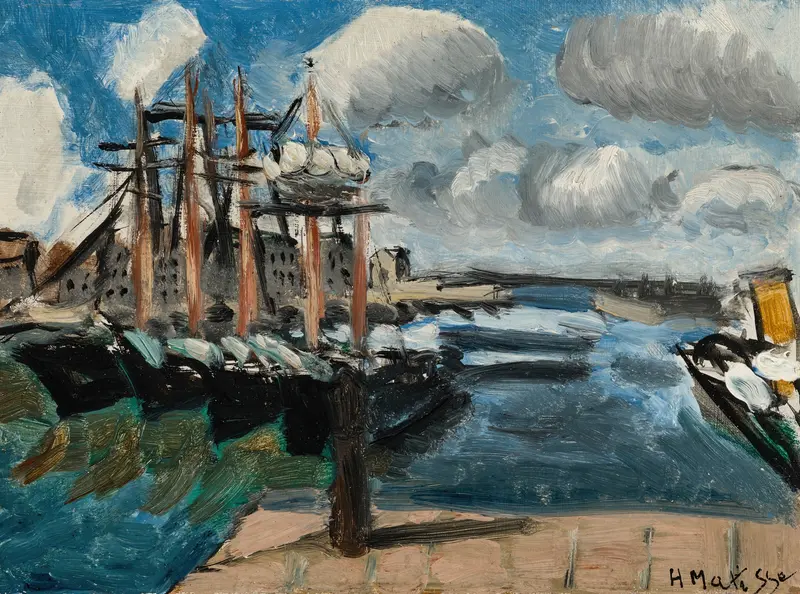
Port de Cherbourg
Henri Matisse





