
Le boulevard Saint-Germain à Paris — History & Facts
Is this a mirror — or a memory? In Le boulevard Saint-Germain à Paris, a vibrant transformation of life is captured in soft hues and gentle brushstrokes, inviting reflection on the fleeting nature of moments. Look to the right at the café terrace, where patrons are enshrined in animated conversation, their silhouettes softened by the golden light of the setting sun. Notice how the artist’s deft handling of light creates an interplay between shadow and illumination, breathing life into the cobblestone street below. The warm palette of oranges and yellows against the cool blues evokes a sense of nostalgia, drawing viewers into the heart of Paris and its bustling spirit. Within this serene scene, emotional tensions lie beneath the surface: the juxtaposition of the lively crowd against the stillness of the architecture creates a sense of transient time, while the shadows cast by the trees hint at the inevitable passage of life.
Each face tells a story—some smiling in camaraderie, others lost in thought. The harmonious blend of movement and stillness mirrors our own experiences, capturing a moment in eternity. Harpignies painted this pivotal work in 1882, during a period when Paris was undergoing profound changes with the advent of modernity. As an artist associated with the Barbizon School, he was focused on capturing naturalistic scenes and the beauty of everyday life.
At this time, he was increasingly celebrated for his landscapes and urban scenes, marking his evolution into a profound observer of the human condition amidst the vibrant backdrop of a transforming Paris.
More Artworks by Henri-Joseph Harpignies
Browse all →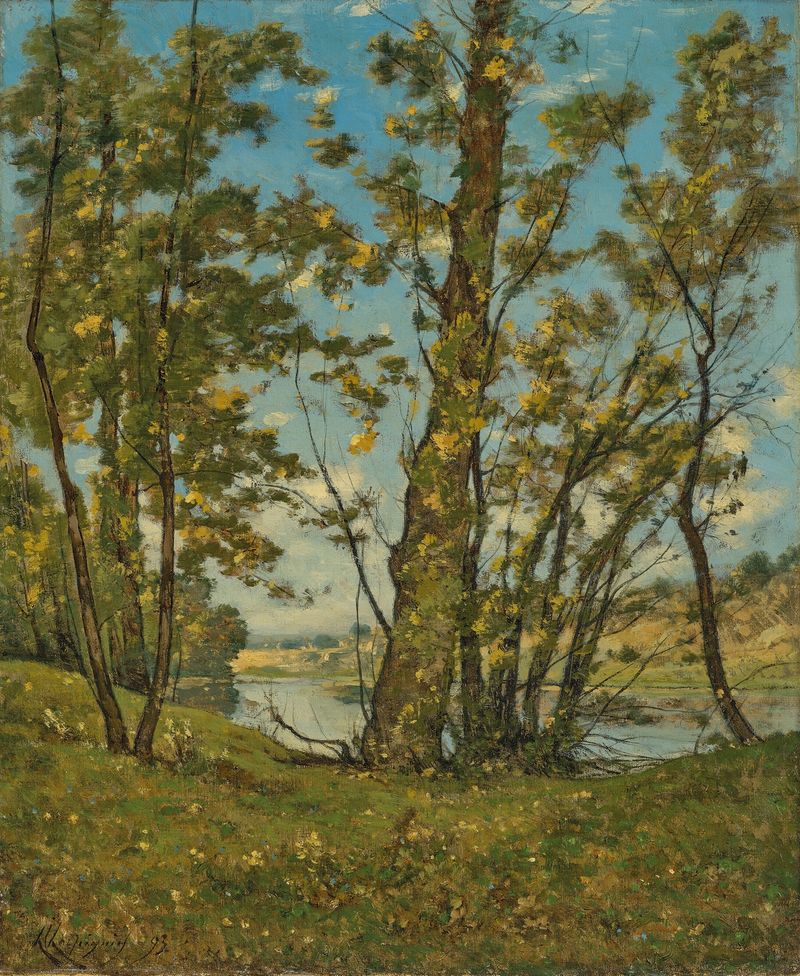
La Loire à Bonny
Henri-Joseph Harpignies
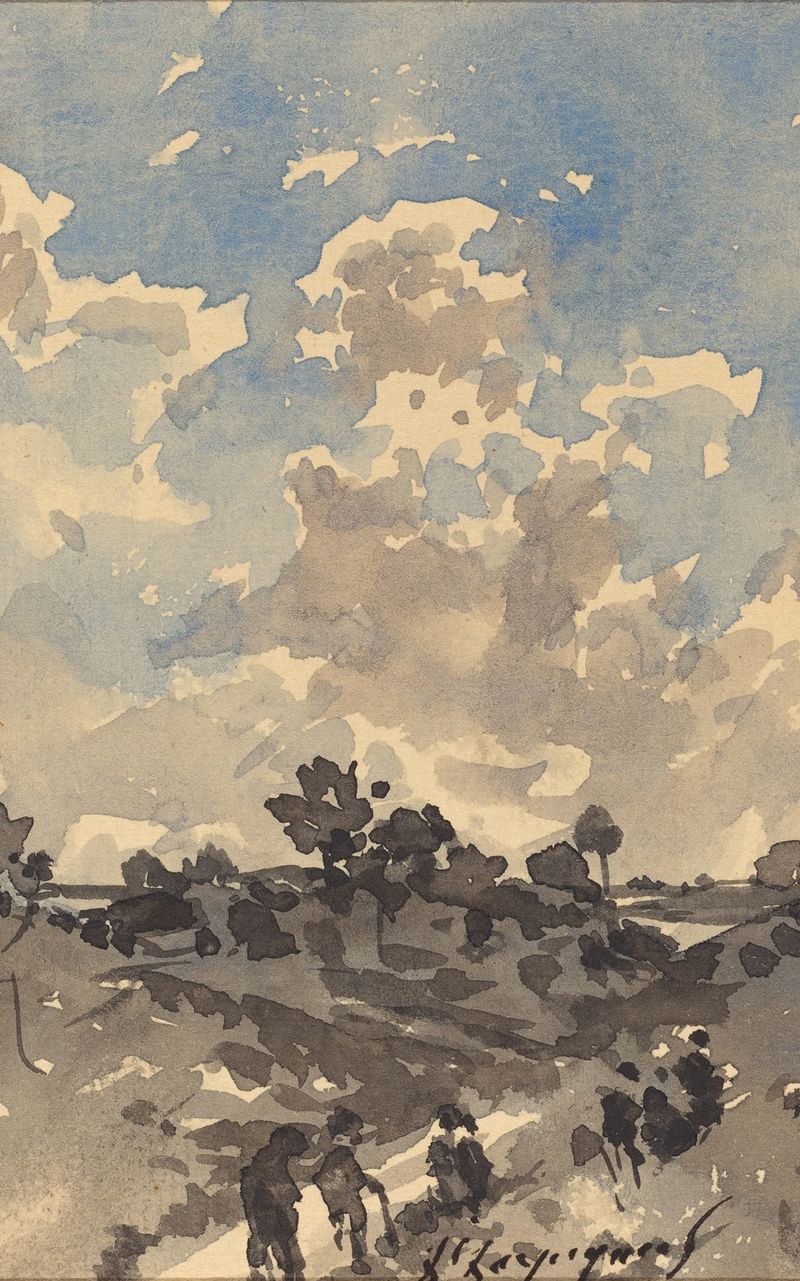
A Landscape with Figures Walking along a Path
Henri-Joseph Harpignies
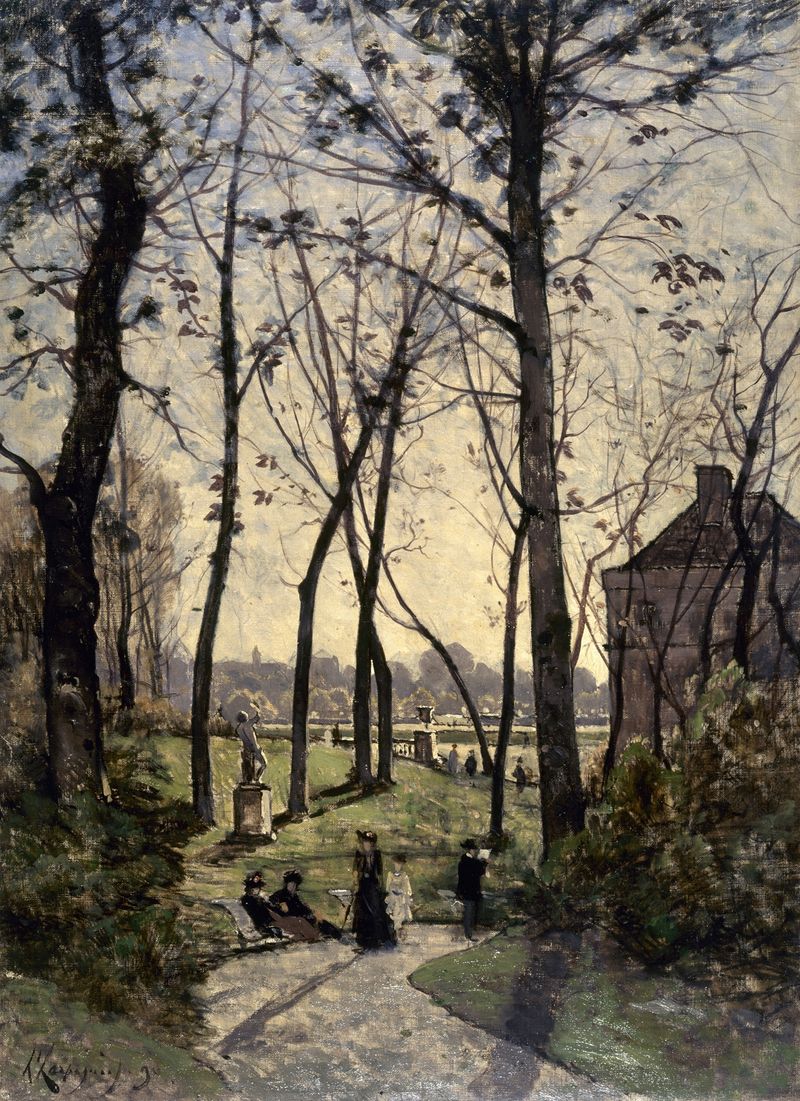
Le jardin du Luxembourg
Henri-Joseph Harpignies
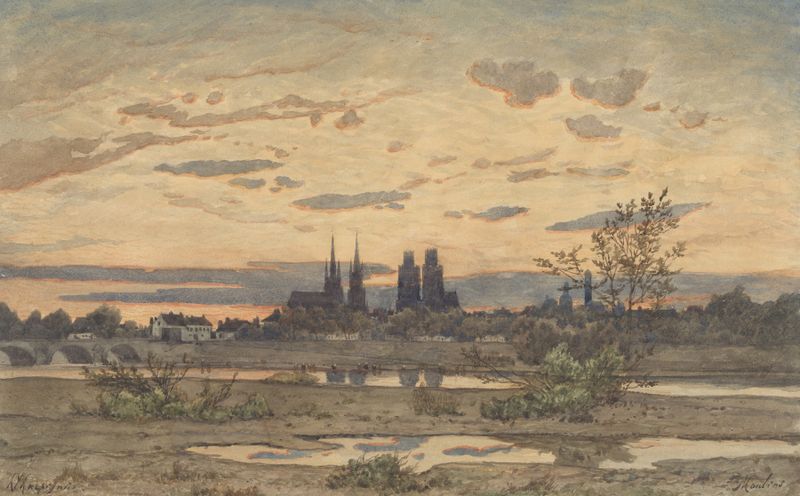
A View of Moulins
Henri-Joseph Harpignies
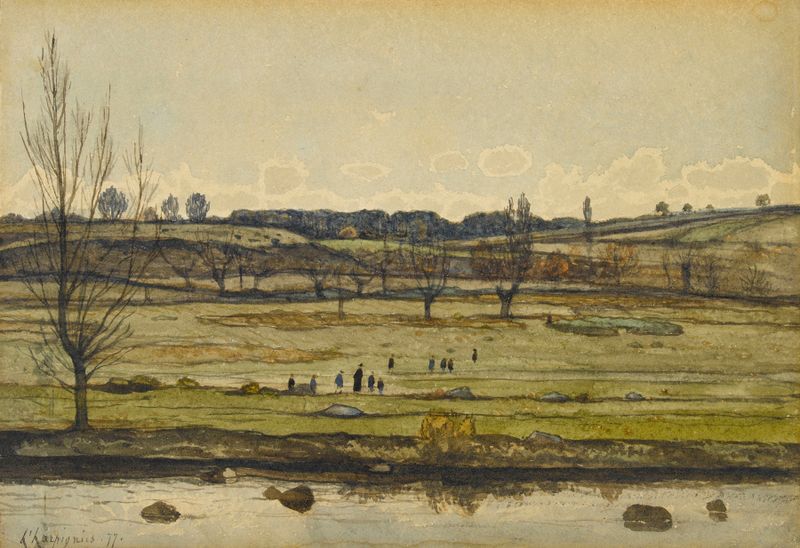
Paysage
Henri-Joseph Harpignies
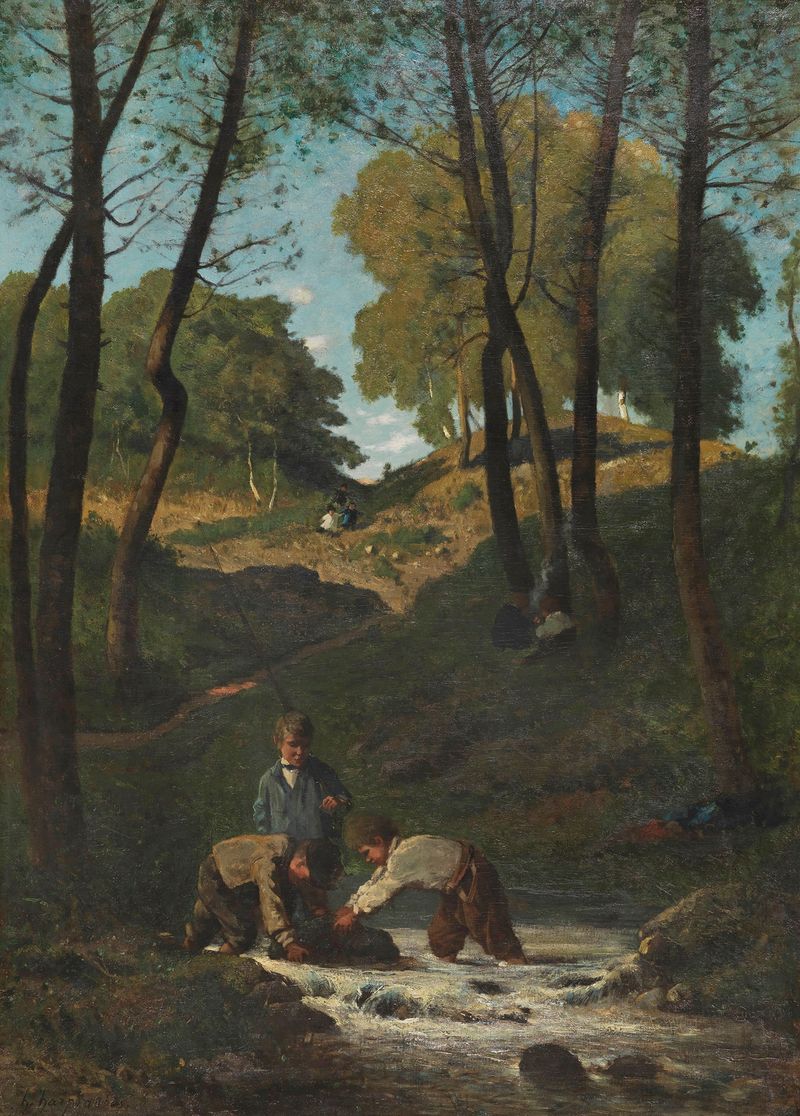
Chercheurs d’écrevisses
Henri-Joseph Harpignies
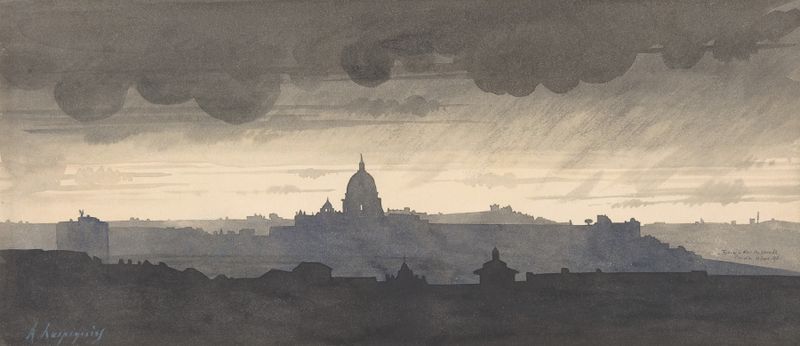
Saint Peter’s Seen From the Pincio, Rome
Henri-Joseph Harpignies
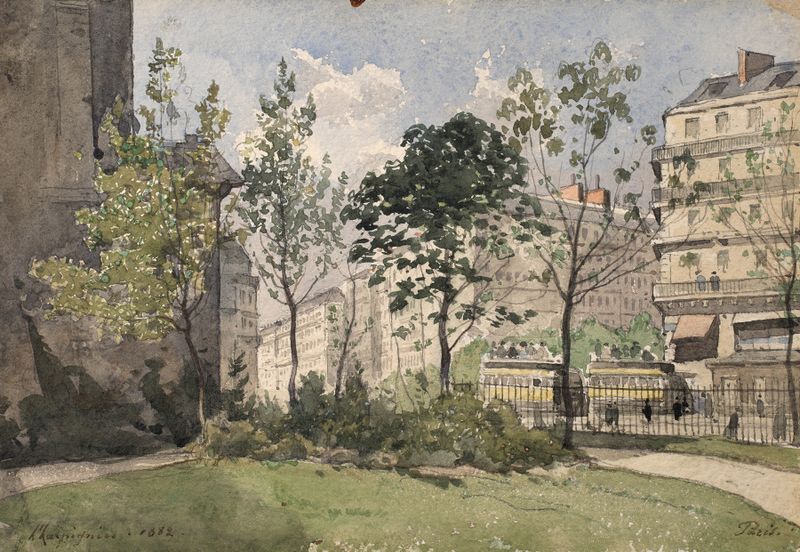
View of the forecourt of the Saint-Germain-des-Prés church
Henri-Joseph Harpignies
Le Colisée à Rome
Henri-Joseph Harpignies

Villefranche
Henri-Joseph Harpignies





