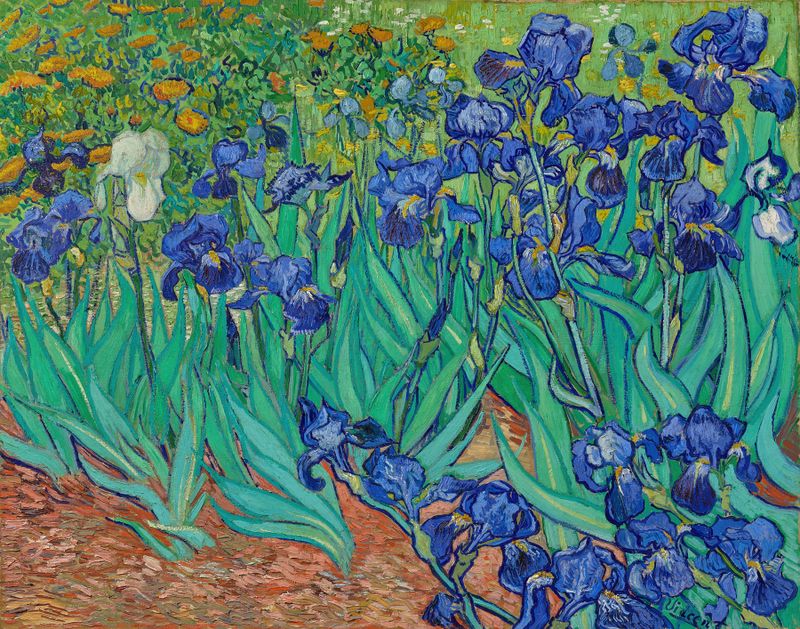
Le Jardin Des Collettes — History & Facts
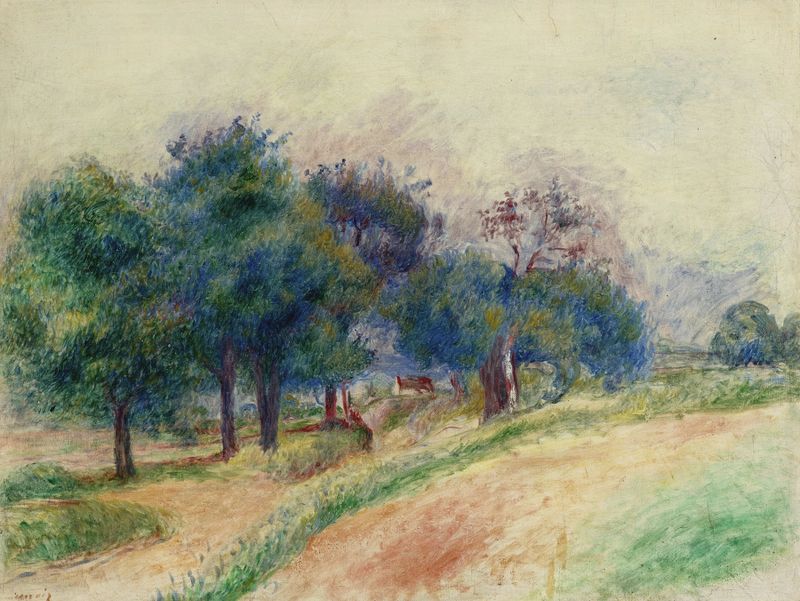
In the lush embrace of nature, there is an unspoken fear that lingers beneath the surface of vibrant hues, waiting to be unveiled. Look to the left at the delicate interplay of greens, where a canopy of leaves dances in dappled sunlight. The brushstrokes are loose yet intentional, inviting you to trace the contours of blooming flowers that burst with color, each petal a testament to vitality. The composition draws your gaze toward a secluded path, hinting at a journey not just through the garden, but into the depths of one's own heart and psyche. Beneath the surface, the painting conveys a duality of exuberance and trepidation.
The cheerful blooms may mask the transient nature of beauty, suggesting that all things are impermanent. The shadows cast by the foliage evoke a sense of lurking vulnerability—what is concealed, waiting to emerge? The harmony of color contrasts the silent tension of fear, creating a space where joy and apprehension coexist, urging the viewer to confront their own truths. In 1909, during a time of personal and artistic reflection, Renoir painted this work at his home in the south of France. He was grappling with the physical effects of arthritis, which challenged his ability to paint as he once did.
Meanwhile, the art world was evolving rapidly, with movements like modernism beginning to take shape. It was within this context of struggle and transformation that Le Jardin Des Collettes emerged, embodying both his enduring passion for beauty and the quiet fears that accompany life’s fleeting moments.
More Artworks by Pierre-Auguste Renoir
Browse all →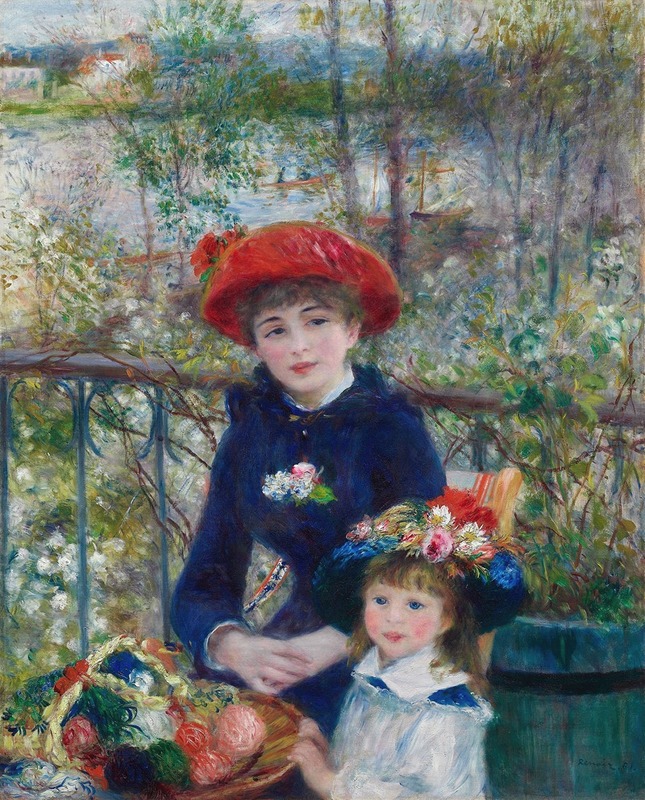
Two Sisters (On the Terrace)
Pierre-Auguste Renoir
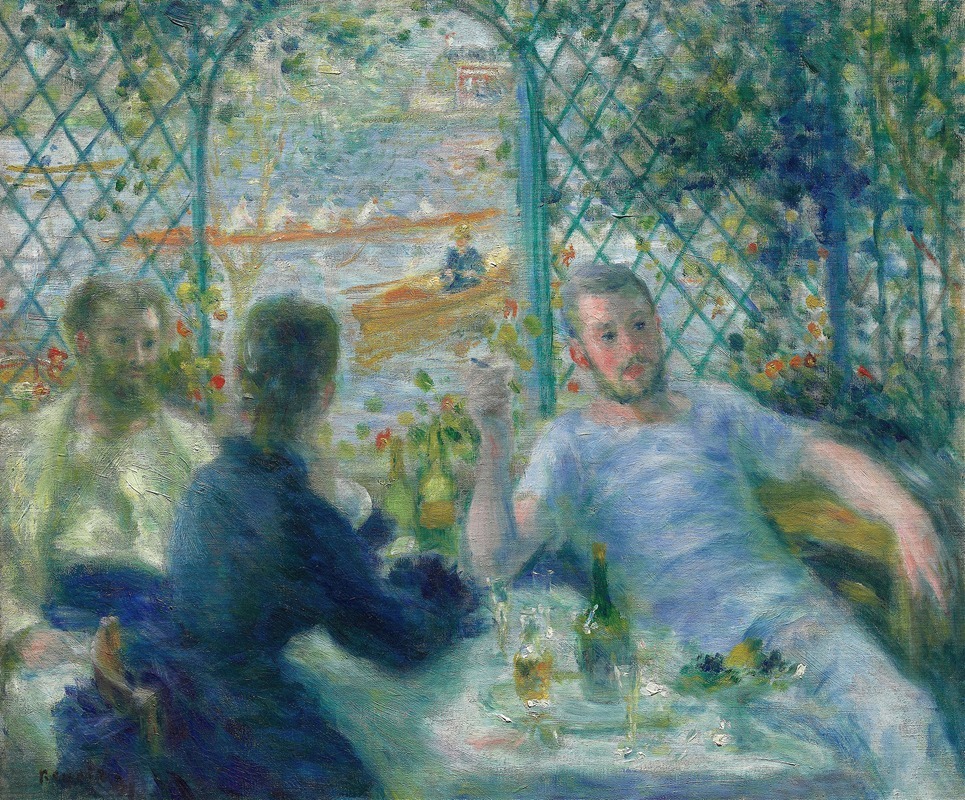
Lunch at the Restaurant Fournaise (The Rowers' Lunch)
Pierre-Auguste Renoir
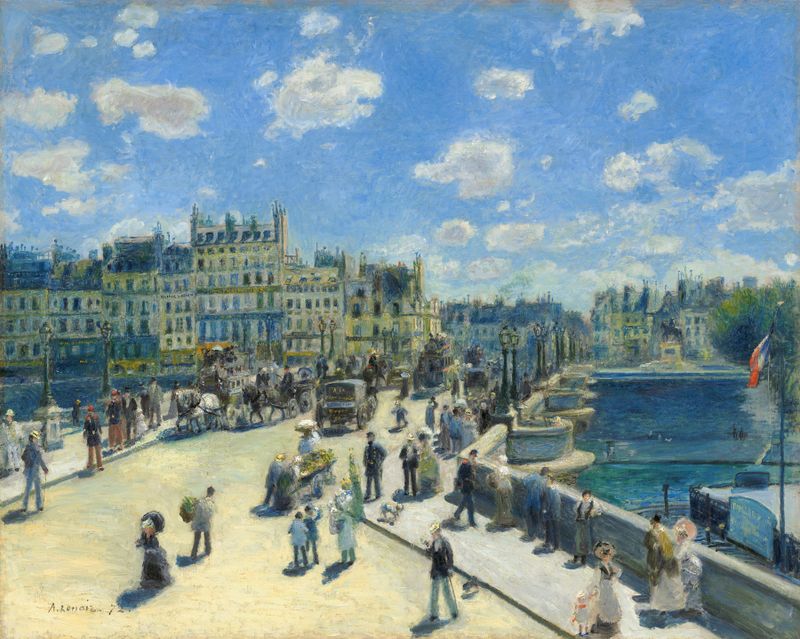
Pont Neuf, Paris
Pierre-Auguste Renoir
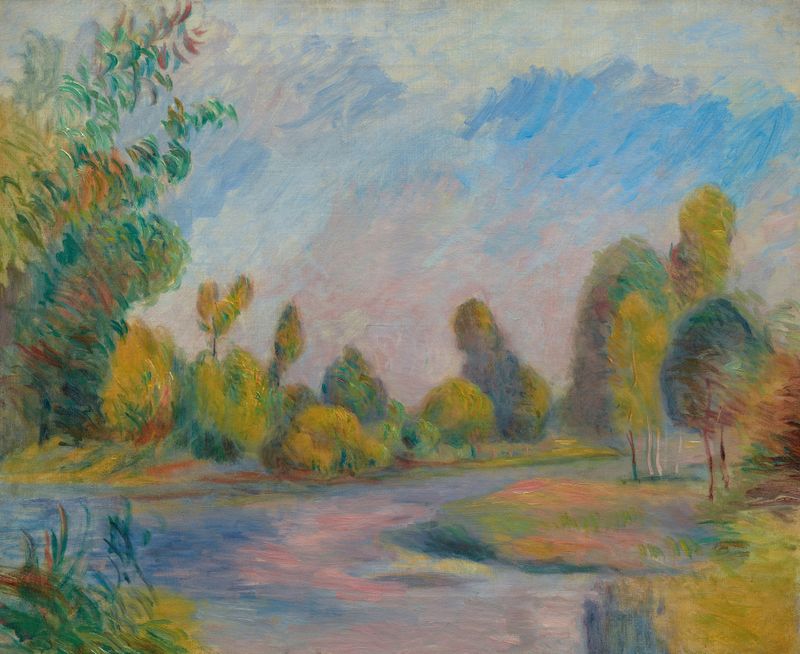
Au bord de la rivière
Pierre-Auguste Renoir

Near the Lake
Pierre-Auguste Renoir
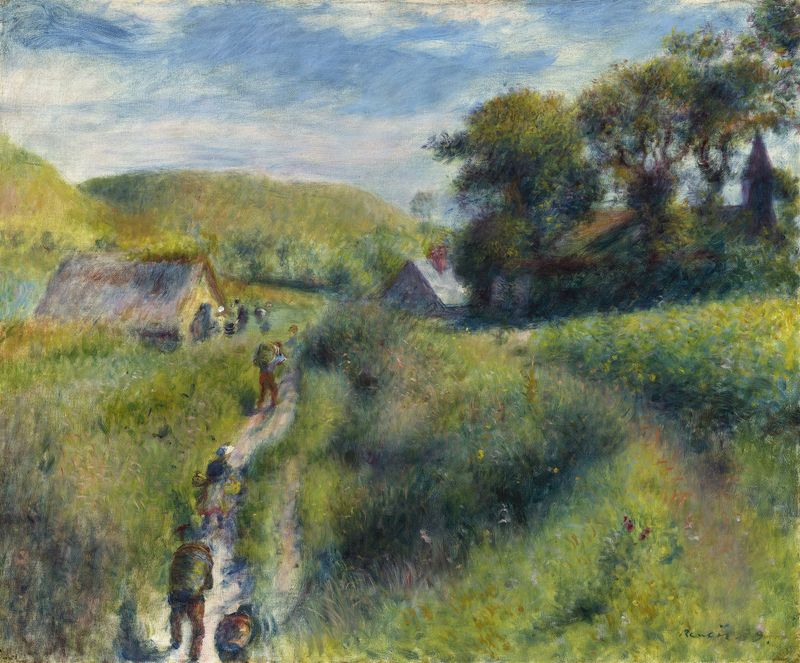
The Mussel Harvest
Pierre-Auguste Renoir

The Seine at Chatou
Pierre-Auguste Renoir
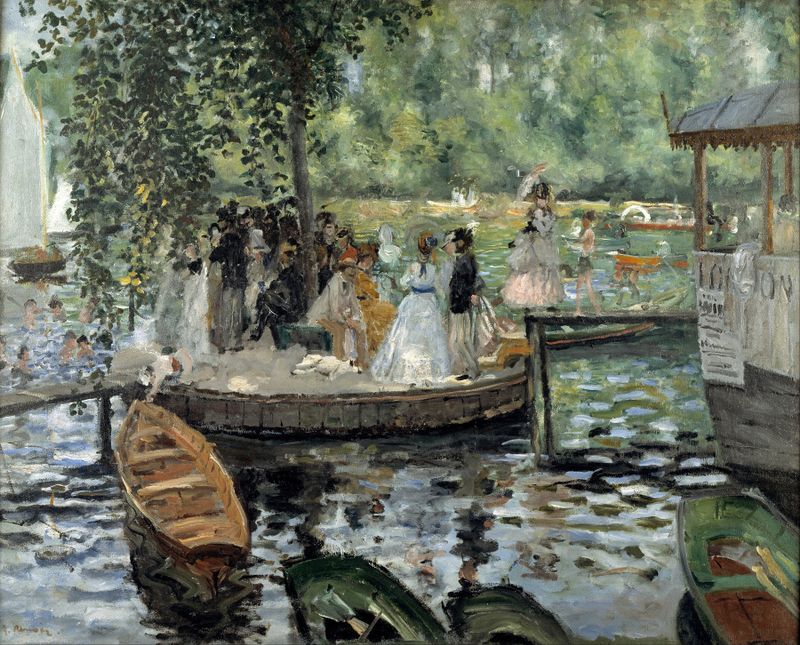
La Grenouillère
Pierre-Auguste Renoir
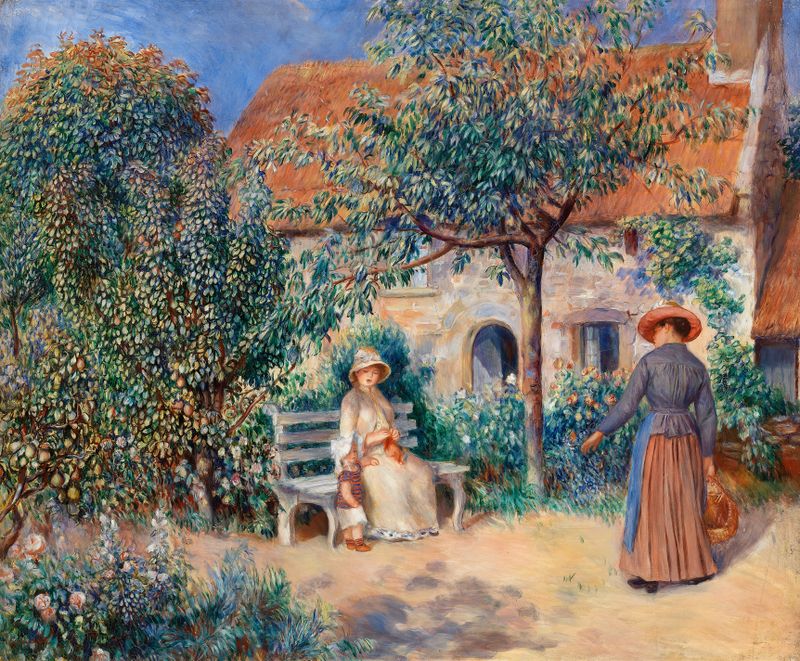
In Brittany (En Bretagne)
Pierre-Auguste Renoir
Paysage d’Essoyes
Pierre-Auguste Renoir