
Le Parc — History & Facts
Who listens when art speaks of silence? In the quietude of Le Parc, beauty becomes a conversation that transcends words, inviting us to reflect on the serenity of nature. Look toward the left side of the canvas, where a profusion of lush greens and gentle, sweeping curves form the backdrop of the park. The artist uses vibrant hues blended with soft brushstrokes, creating a sense of depth and movement that beckons the viewer’s gaze. Notice how the light dances across the trees, illuminating patches of grass that almost seem to shimmer, while strokes of softer colors introduce a warmth that envelops the scene, intertwining with the whispers of foliage. Amidst this serene landscape, subtle contrasts emerge.
The lively play of color against the tranquility of the setting hints at an underlying tension between nature's vibrancy and the stillness of the moment. This juxtaposition magnifies the emotional resonance, suggesting a fleeting intersection of joy and melancholy. Each brushstroke carries a story, inviting contemplation on life’s ephemeral beauty as it balances on the edge of silence. In 1902, Raoul Dufy created Le Parc during a period of artistic experimentation and growth in France.
Living in the vibrant atmosphere of the Fauvist movement, he was exploring color and form with newfound freedom. This era marked a significant shift in his style, as he sought to capture the essence of his surroundings, embracing both the beauty of nature and the artistic innovations of his time.
More Artworks by Raoul Dufy
Browse all →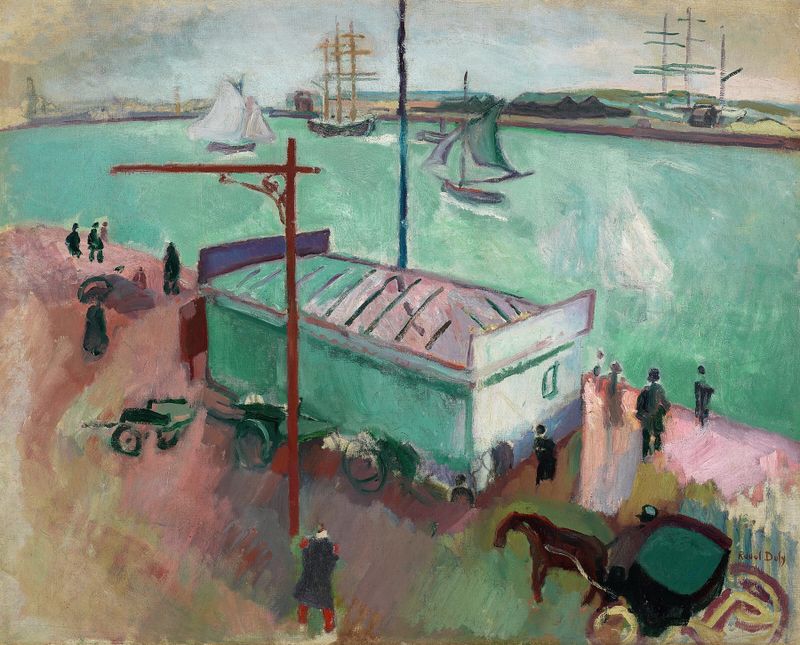
Le Port du Havre
Raoul Dufy
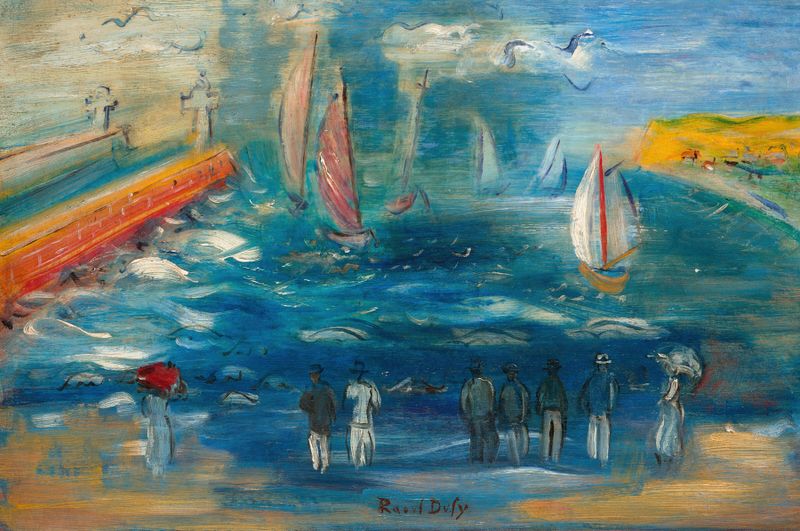
Départ des régates
Raoul Dufy

Les canotiers sur la Marne
Raoul Dufy
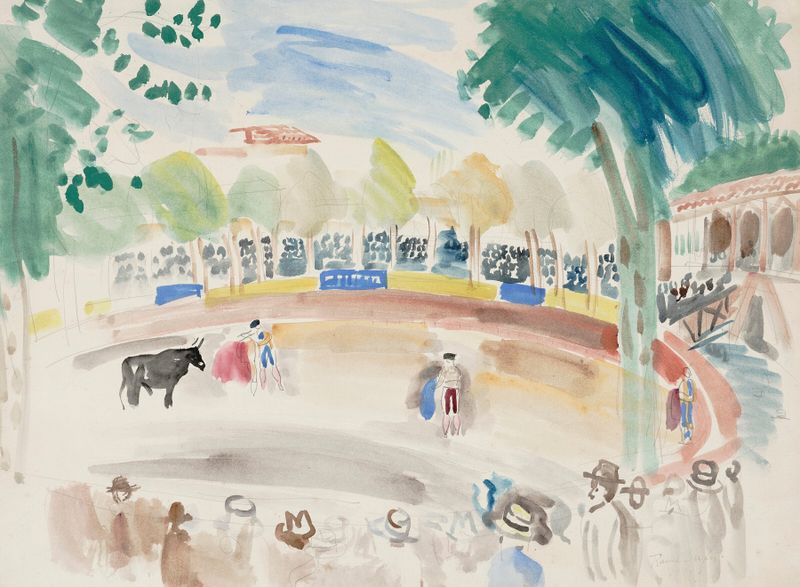
La corrida
Raoul Dufy

Composition au port et à la fontaine
Raoul Dufy
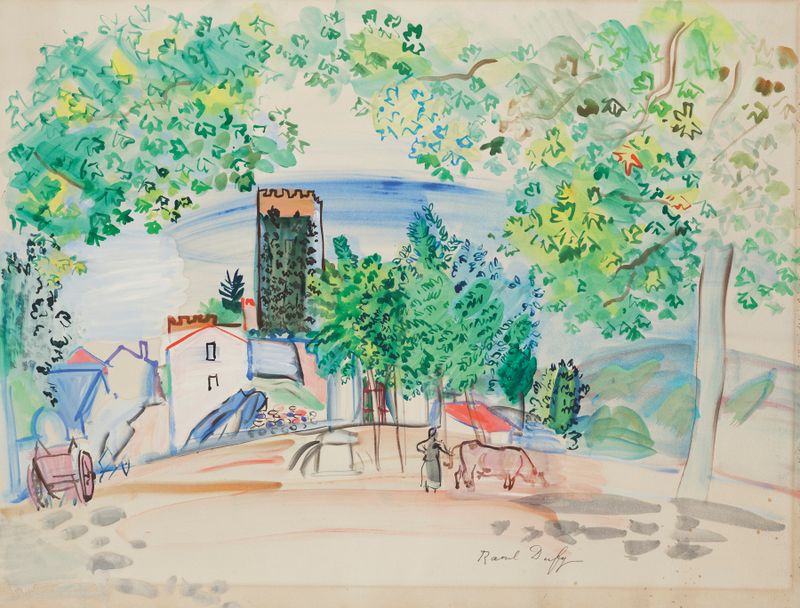
Vue de la Tour de Vernet-les-Bains
Raoul Dufy
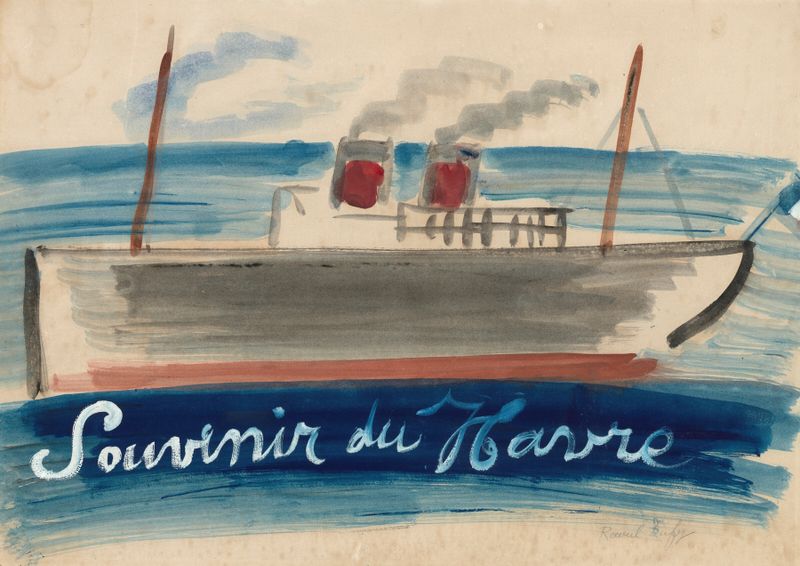
Souvenir du Havre
Raoul Dufy

Les Barques
Raoul Dufy
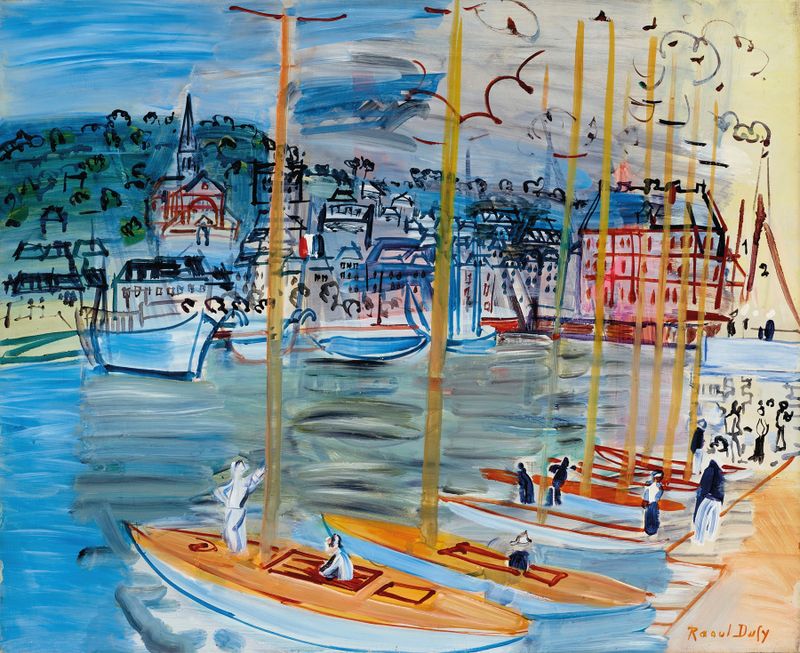
Le bassin de Deauville
Raoul Dufy

Régates à Deauville
Raoul Dufy





