
Le Pauvre pêcheur — History & Facts
What draws the eye first in Le Pauvre pêcheur is not the fisherman himself, but the quiet space that surrounds him—a silence made almost tangible by the calm water and gentle, muted light. The figure stands in his boat, shoulders slumped, hands folded in his lap, as if weighed down by more than the day's labor. The barque is moored at the edge of a tranquil shore, its lines echoing the gentle curve of the land.
To the right, two figures—one kneeling, one reclining—are set apart in the sparse landscape, their gestures subdued, their presence almost spectral. The palette is restrained, the brushwork soft, and the horizon low, giving the sky and water a sense of endless, patient waiting. Every detail, from the fisherman’s bare arms to the wildflowers dotting the earth, is chosen to heighten the sense of stillness and quiet endurance. Painted in 1881, this genre scene belongs to a moment when French artists were turning their eyes to the everyday lives of working people, capturing the dignity and hardship of rural existence.
Such images were rarely grand commissions; instead, they were often created for smaller exhibitions or private collectors interested in the realities of modern life. Aristide Maillol, better known today for his sculpture, here offers a painter’s meditation on solitude and perseverance, set against the shifting social landscape of late nineteenth-century France. Now held in the collection of the Musée des Beaux-Arts de Nancy, this painting is a rare window into Maillol’s early work, before fame and fortune found him.
Its quiet gravity invites you to linger, to imagine the world beyond the frame, and to wonder at the silent stories that unfold along the water’s edge.
More Artworks by Aristide Maillol

Paysage à Banyuls
Aristide Maillol
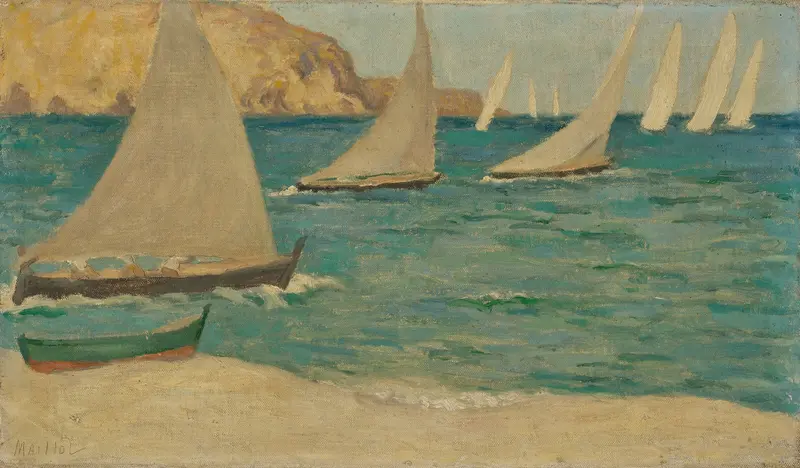
Les Régates
Aristide Maillol
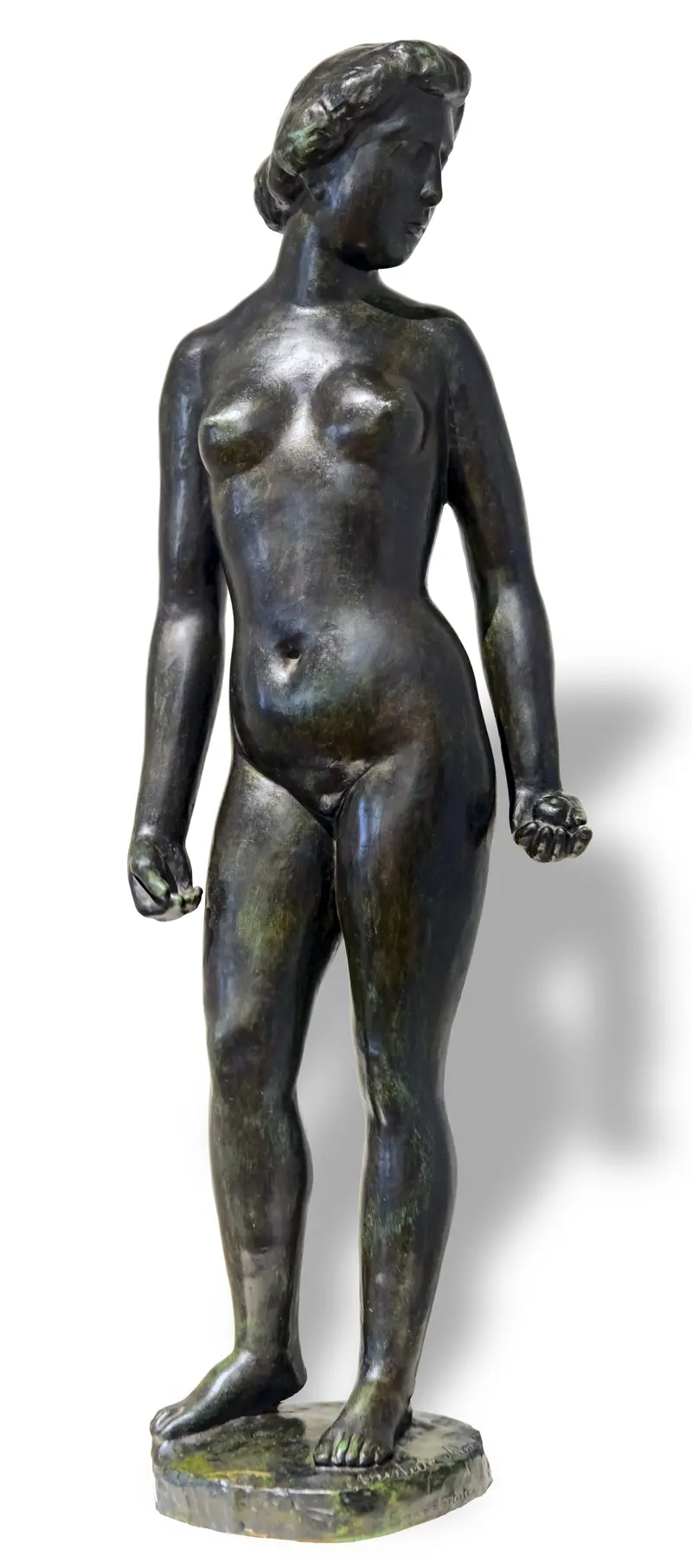
Eve with the Apple
Aristide Maillol
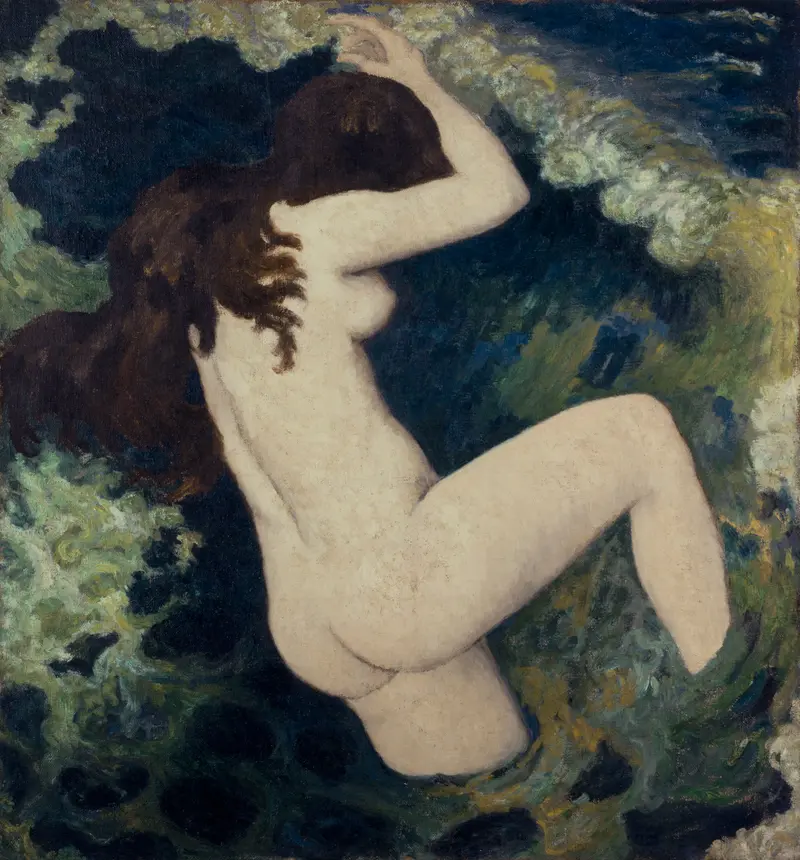
La vague
Aristide Maillol
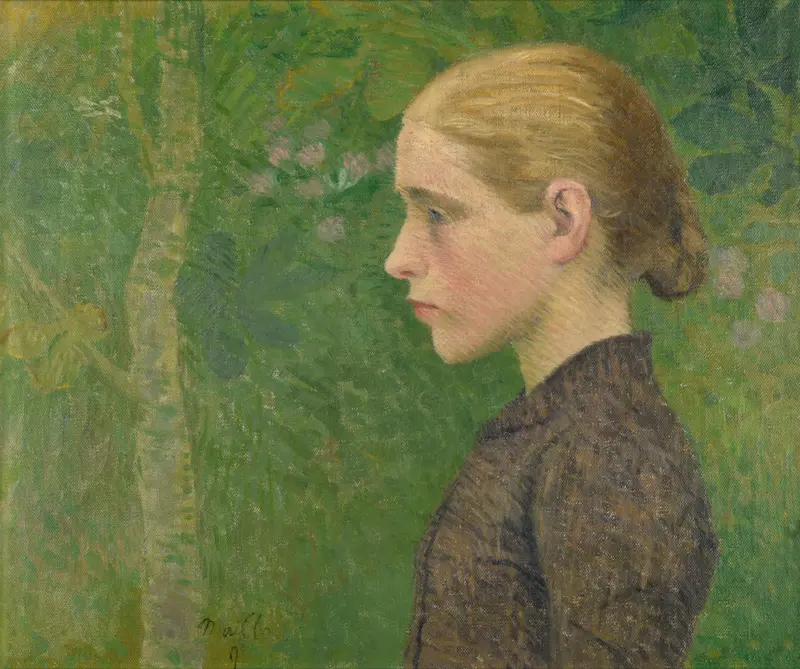
Jeune paysanne en buste
Aristide Maillol
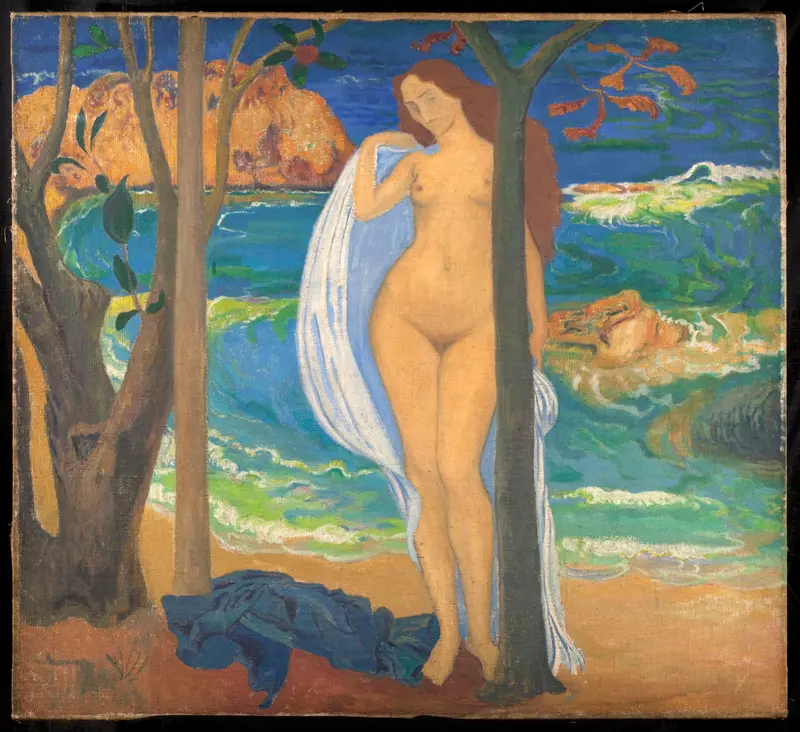
Méditerranée
Aristide Maillol
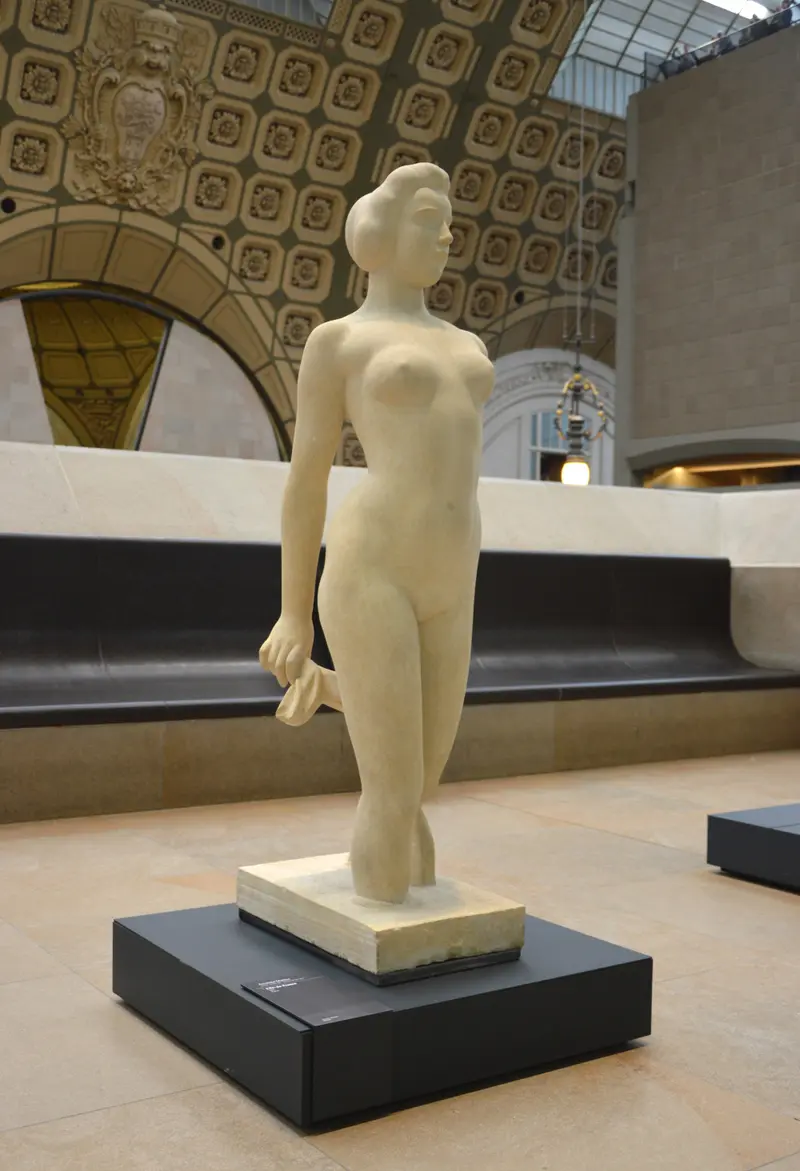
Ile de France
Aristide Maillol
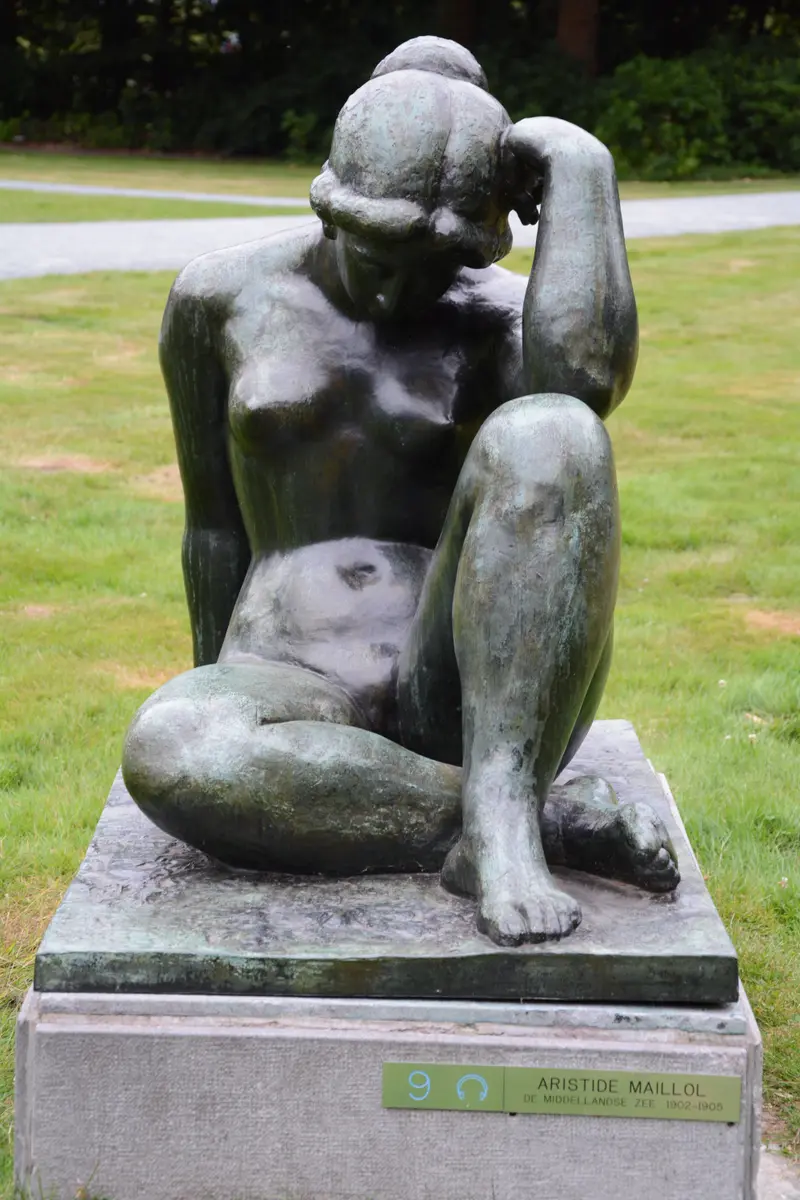
La Méditerranée
Aristide Maillol
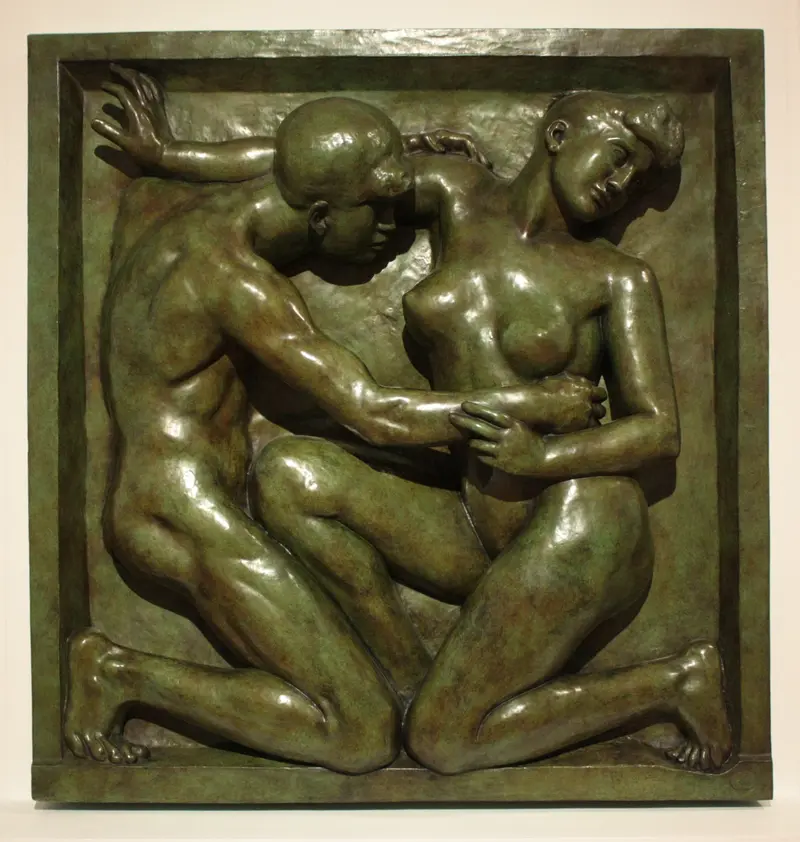
Le Désir
Aristide Maillol
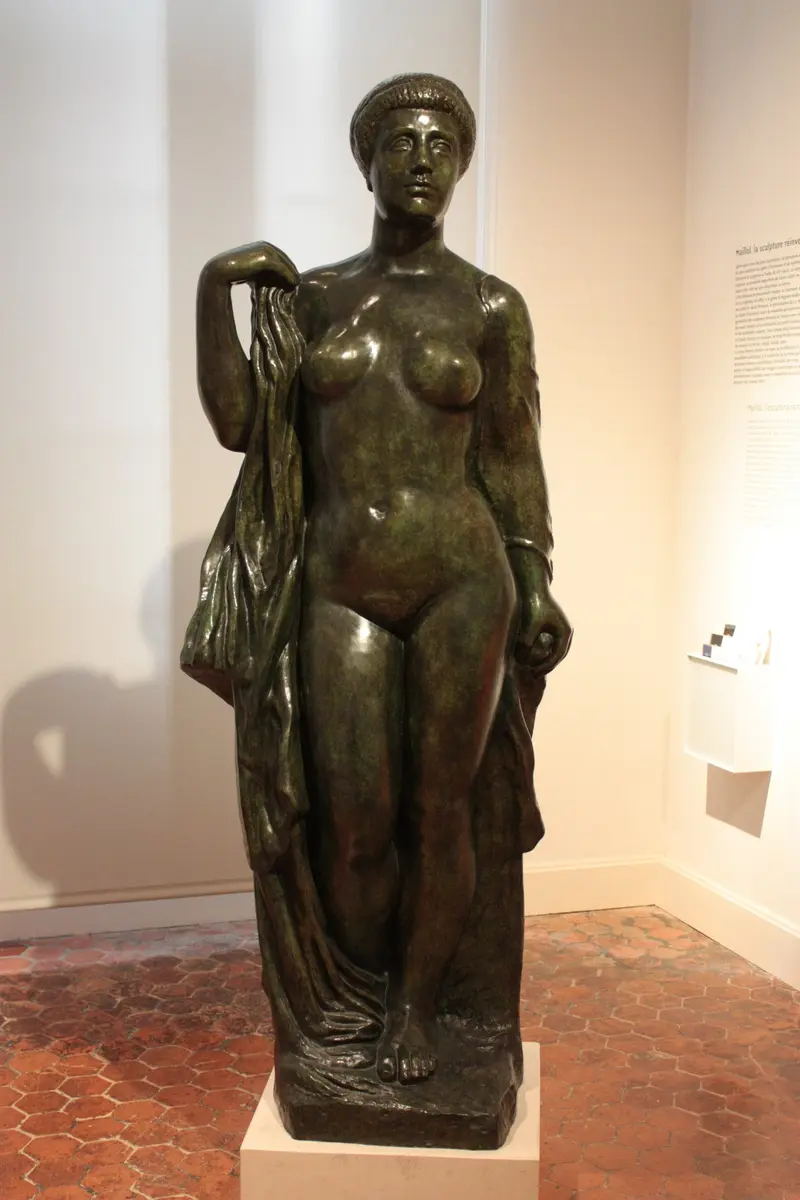
La Baigneuse drapée by Aristide Maillol
Aristide Maillol
More Genre Scene Art

Banquet of the Officers of the St George Civic Guard
Frans Hals

Rembrandt and Saskia in the Scene of the Prodigal Son
Rembrandt van Rijn

Bal du moulin de la Galette
Pierre-Auguste Renoir

Quadrille at the Moulin Rouge
Henri de Toulouse-Lautrec

A Burial at Ornans
Gustave Courbet

When Will You Marry?
Paul Gauguin