Les Grandes Douleurs (Gil Blas Illustré) — History & Facts
What first catches the eye in Les Grandes Douleurs (Gil Blas Illustré) is the tension between two women, staged not in grand drama but in the quiet, charged air of a Parisian interior. One stands, her posture rigid and arms folded, dressed in a striped dress and extravagant hat, while the other sits at the piano, her fingers poised on the keys and her face turned up, half in shadow, half in the lamp’s glow. The standing woman’s body leans in, her gaze fixed, as if weighing every note or every word unspoken.
The piano lamp, a spot of red and yellow, draws the viewer’s attention to the heart of the scene—the music, or perhaps the conversation, that binds and divides these two. Steinlen’s lines are quick but deliberate, the color washes lending a sense of immediacy, as if we are witnessing a moment snatched from life, unresolved and brimming with private meaning. Created in 1898 for the illustrated weekly Gil Blas, this lithograph belongs to a world where art and satire mingled on the boulevards and in the cafés of fin-de-siècle Paris. Such prints were made for a broad, literate public hungry for wit, social commentary, and the pulse of modern life, often accompanying stories or feuilletons by writers like Georges Courteline.
The date and publisher’s marks root this work in a precise moment: late November, as the city’s winter salons filled with music and debate. History has kept few traces of this specific print’s journey, but its survival as a colored lithograph—designed by Théophile Alexandre Steinlen and printed by V. PHG Michel—reminds us how images like these once shaped the daily rhythm of news, art, and conversation.
Look again at the faces: what story do you imagine they are telling, and whose pain is truly the greater?
More Artworks by Théophile Alexandre Steinlen

Village et charrette
Théophile Alexandre Steinlen
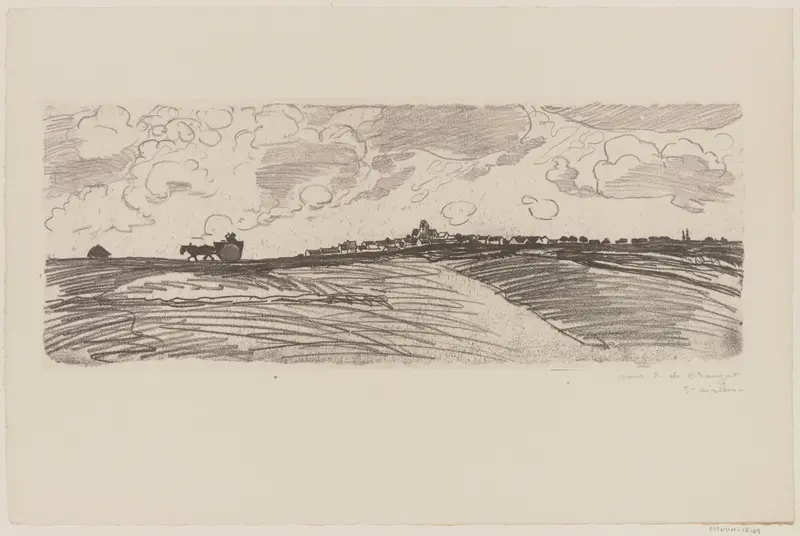
Village et charrette
Théophile Alexandre Steinlen
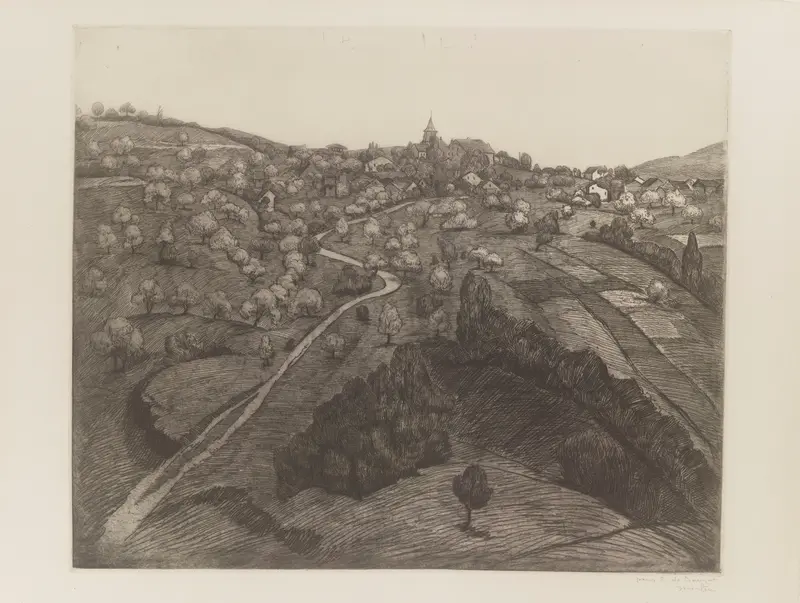
Vue de Belmont, près de Lausanne
Théophile Alexandre Steinlen
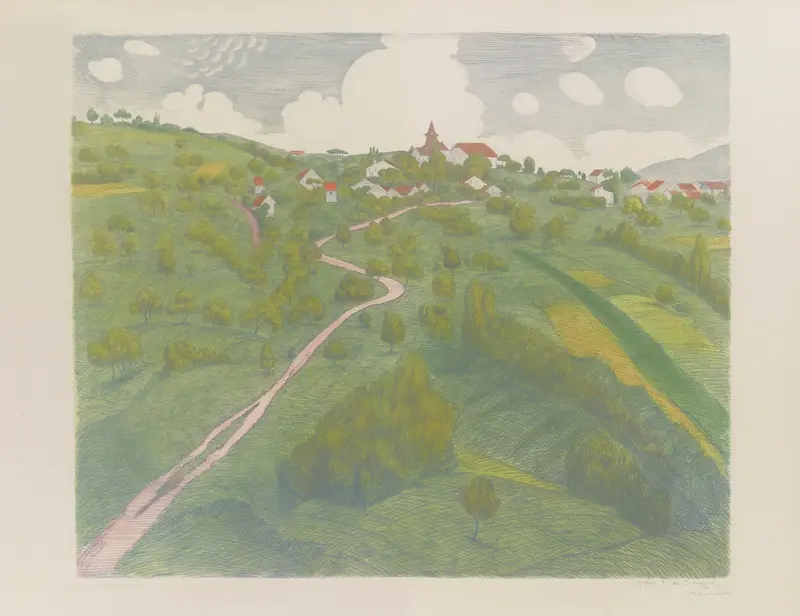
Vue de Belmont, près de Lausanne
Théophile Alexandre Steinlen
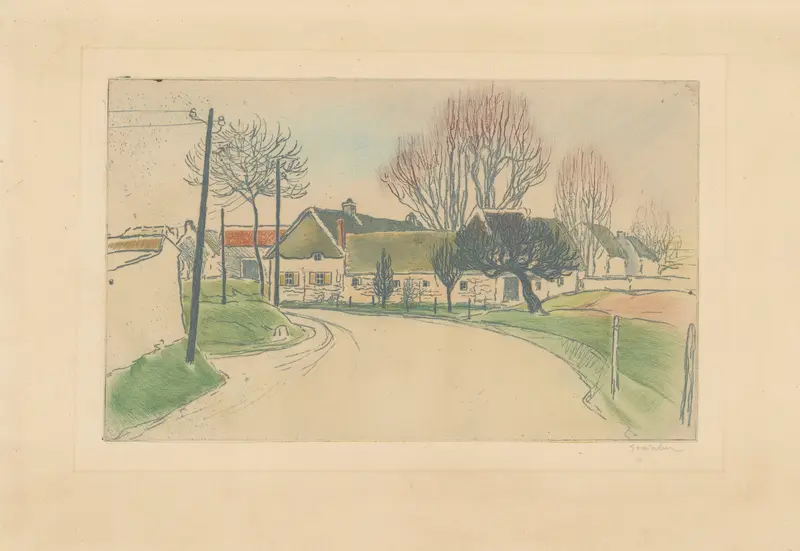
La maison à l’entrée du village
Théophile Alexandre Steinlen
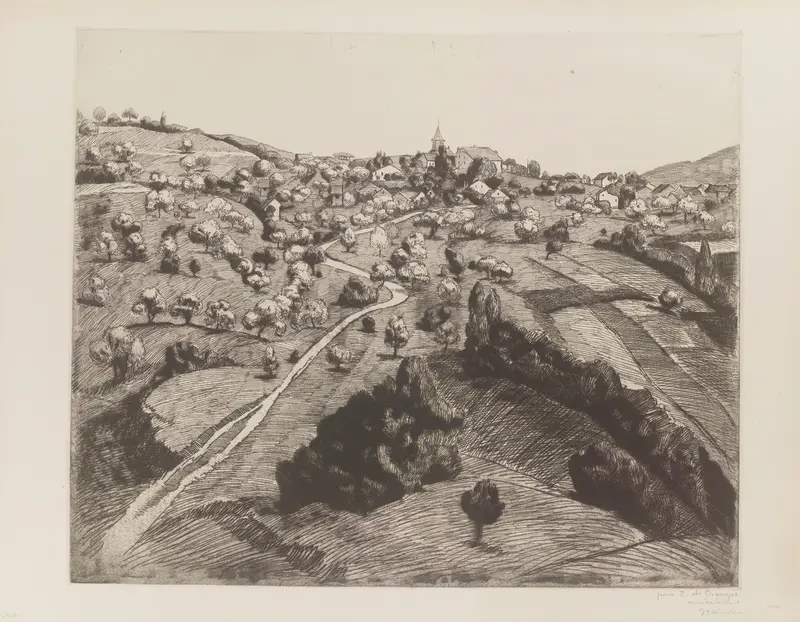
Vue de Belmont, près de Lausanne
Théophile Alexandre Steinlen
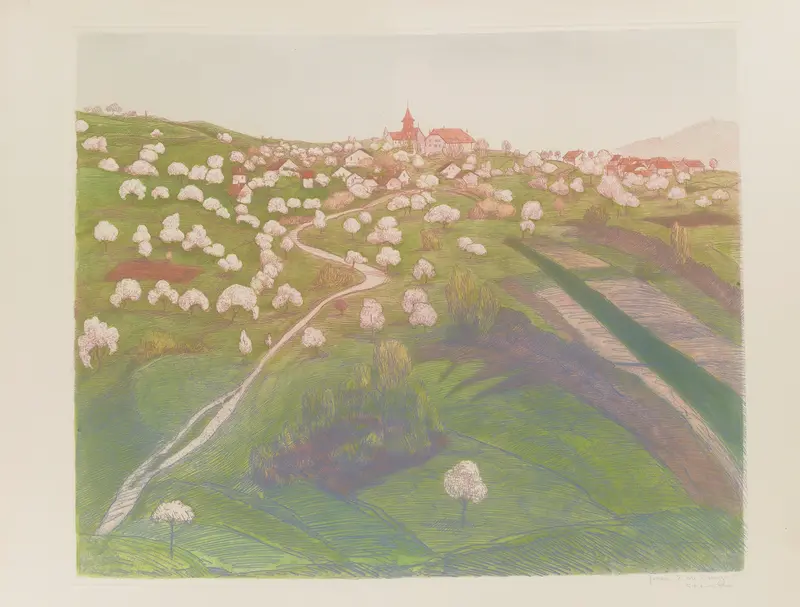
Vue de Belmont, près de Lausanne, n° 2
Théophile Alexandre Steinlen
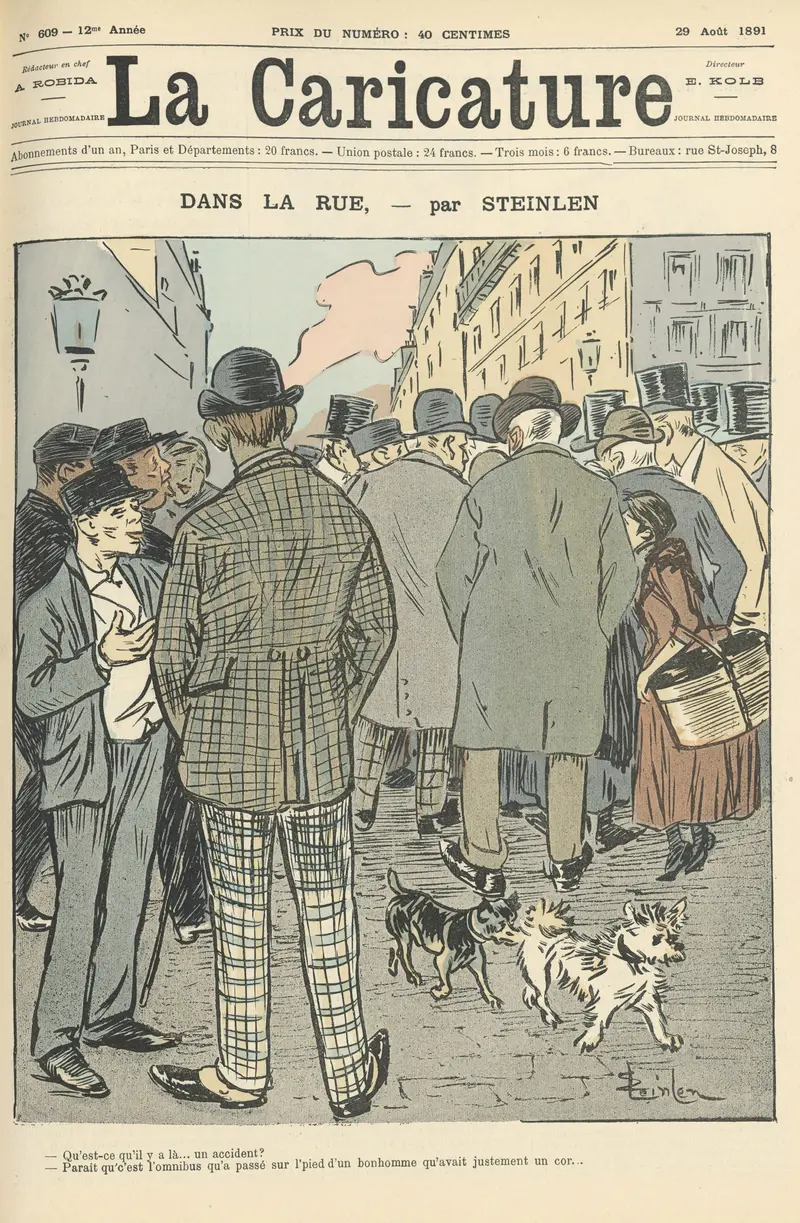
Dans la rue (La Caricature, 29 août 1891)
Théophile Alexandre Steinlen
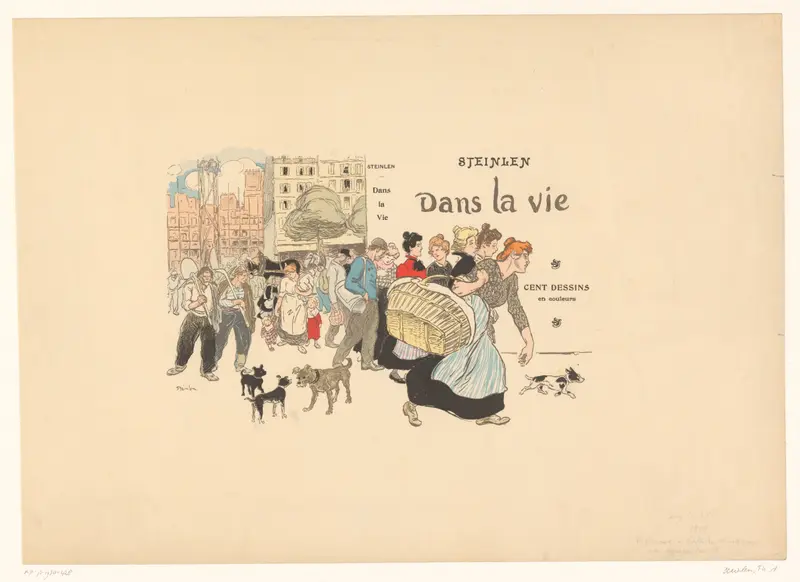
Dans la vie
Théophile Alexandre Steinlen
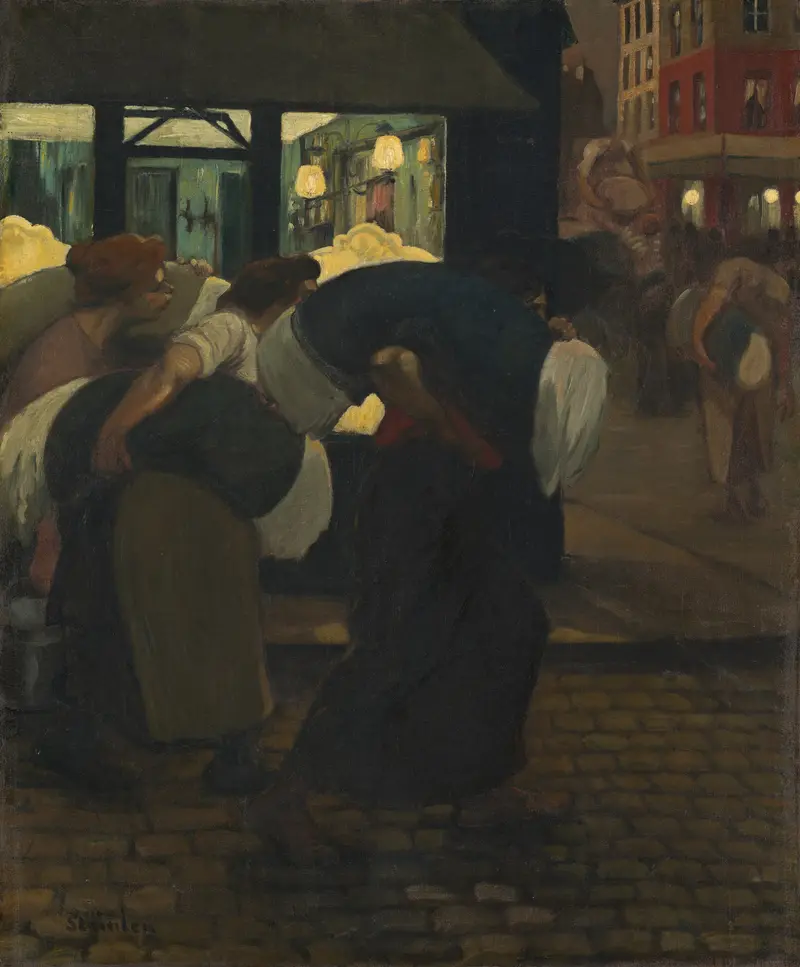
The Laundresses
Théophile Alexandre Steinlen