
Les Laveuses au bord de la Seine à Bonnières — History & Facts
In the quiet moments of life, away from the chaos, there exists a transformative power that allows us to glimpse something profound. Look to the gentle flow of the Seine, where the water sparkles under the soft embrace of morning light. The figures of the washerwomen, deeply engrossed in their task, draw the eye with their delicate silhouettes against the flowing river. Notice the muted palette, with soft greens and blues, which evoke a sense of serenity, allowing the viewer to feel the tranquility of the scene while also sensing the tireless labor beneath the still surface. Yet, amidst the tranquility, there exists a poignant tension – the juxtaposition of labor and nature.
The women, bent over their work, symbolize both the weight of their daily toil and a connection to the natural world that sustains them. Their simple garments blend with the landscape, emphasizing a symbiotic relationship where the sacred meets the mundane. This piece transcends mere depiction; it captures the essence of life’s routine and the beauty that exists within it. In 1860, Charles François Daubigny painted this work during a period when he was deeply immersed in the Barbizon School, advocating for a return to nature in art.
Living near the Seine, he sought to portray the harmony between humanity and the environment, a reflection of his ideals amidst the growing industrialization of France. This painting embodies a moment of stillness, inviting viewers to appreciate the overlooked beauty of everyday existence.
More Artworks by Charles François Daubigny
Browse all →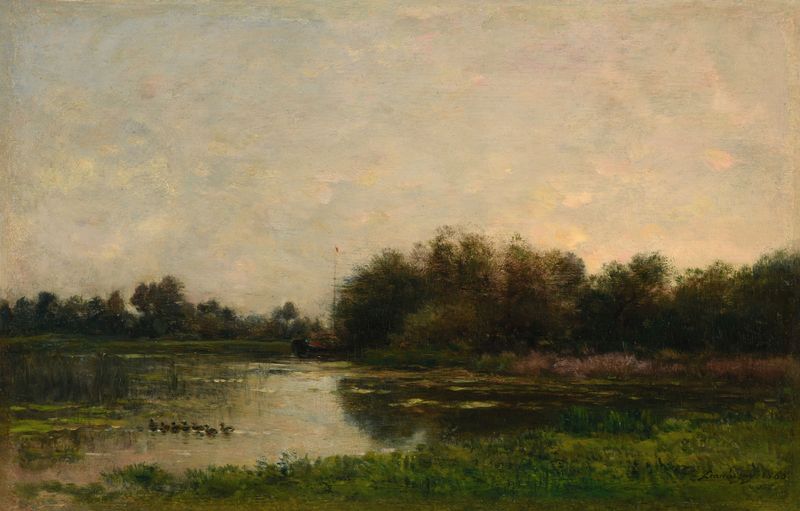
Bords de l’Oise
Charles François Daubigny
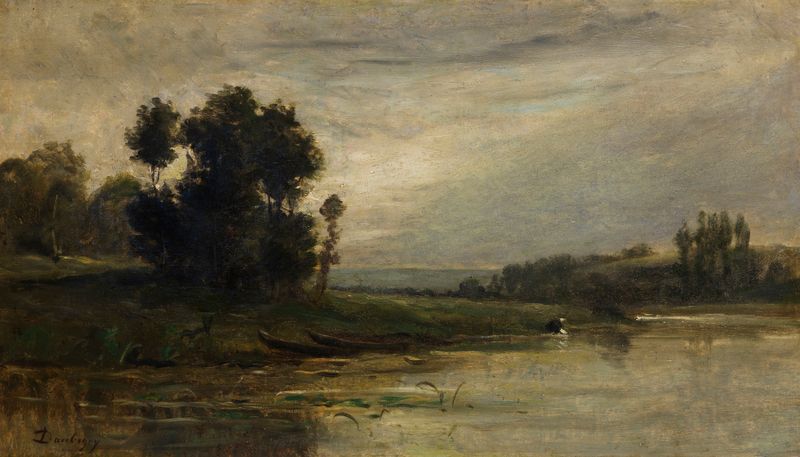
Bords de l’Oise
Charles François Daubigny
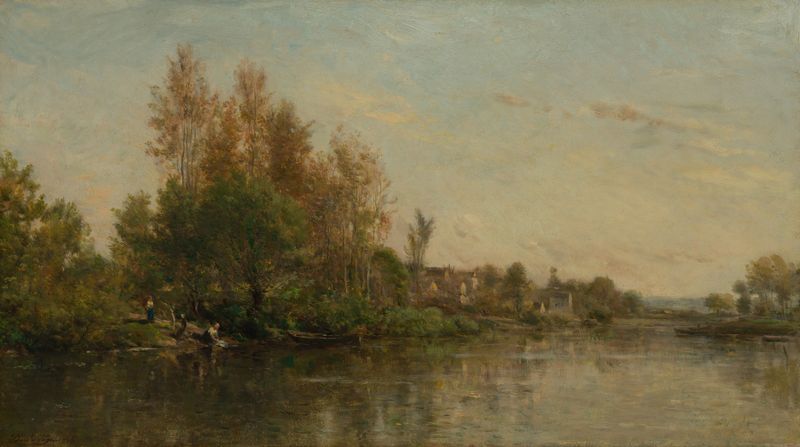
The Banks of the Oise
Charles François Daubigny
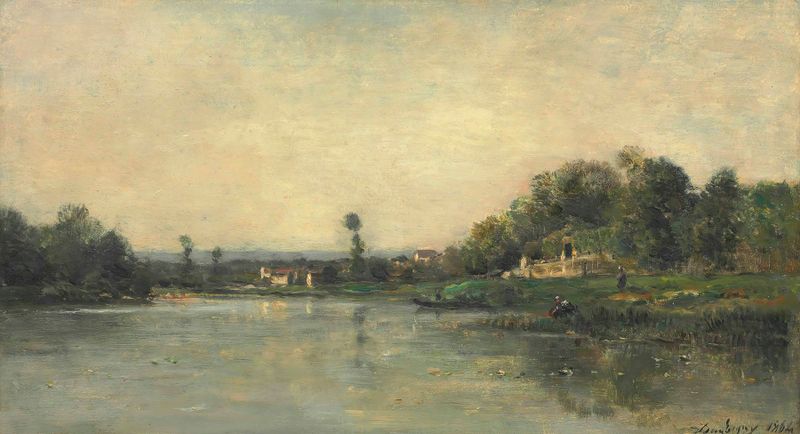
Les Bords De L’oise
Charles François Daubigny
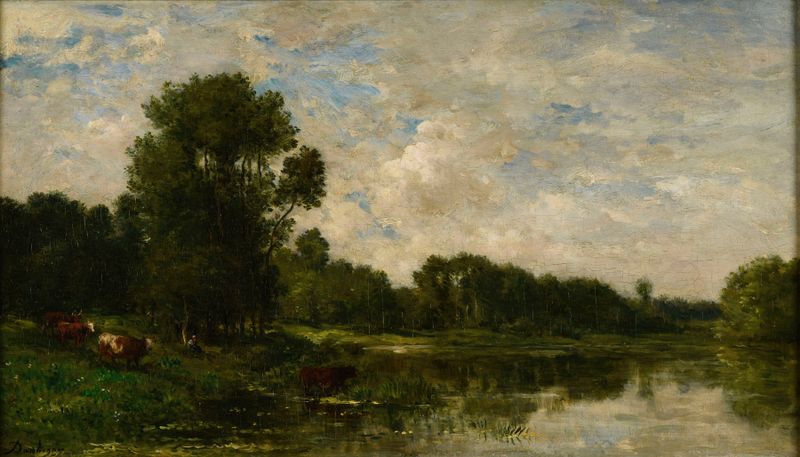
Bords de l’Oise
Charles François Daubigny
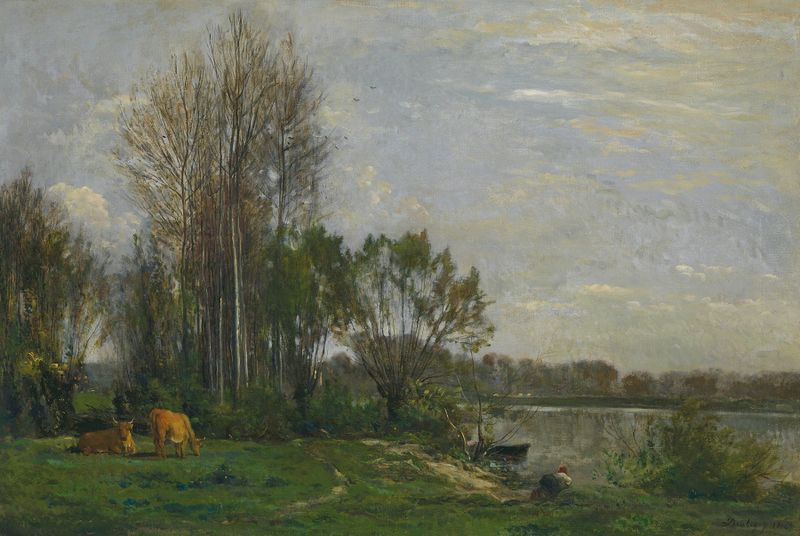
Les Bord De L’oise
Charles François Daubigny
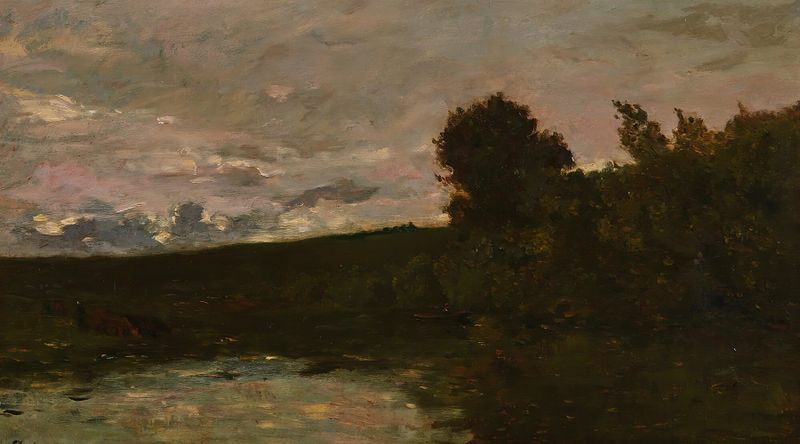
Bord De Riviére
Charles François Daubigny
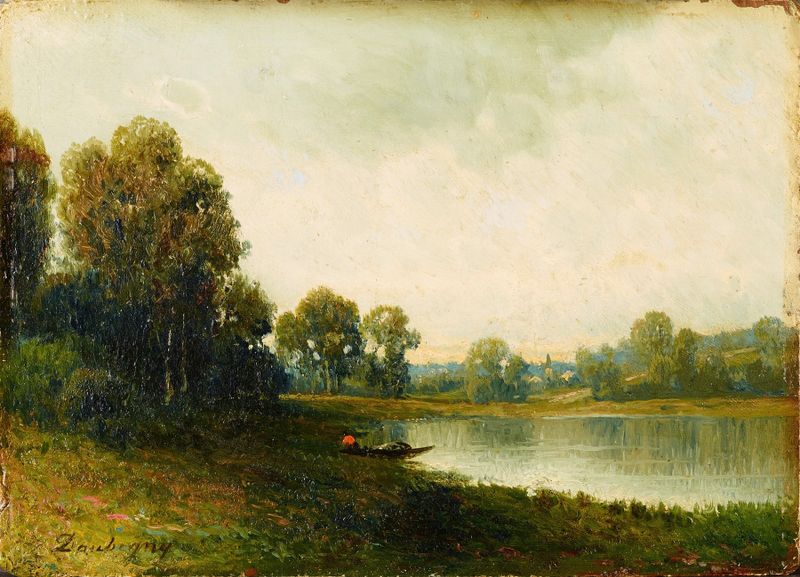
Landscape
Charles François Daubigny
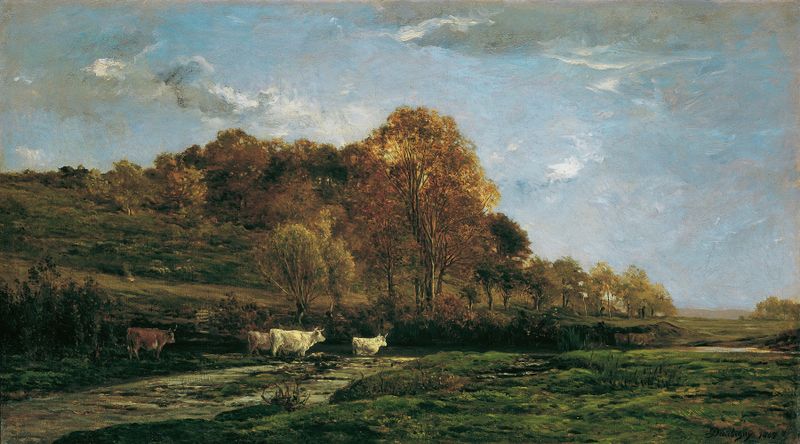
Herbstliche Aulandschaft Abendstimmung
Charles François Daubigny
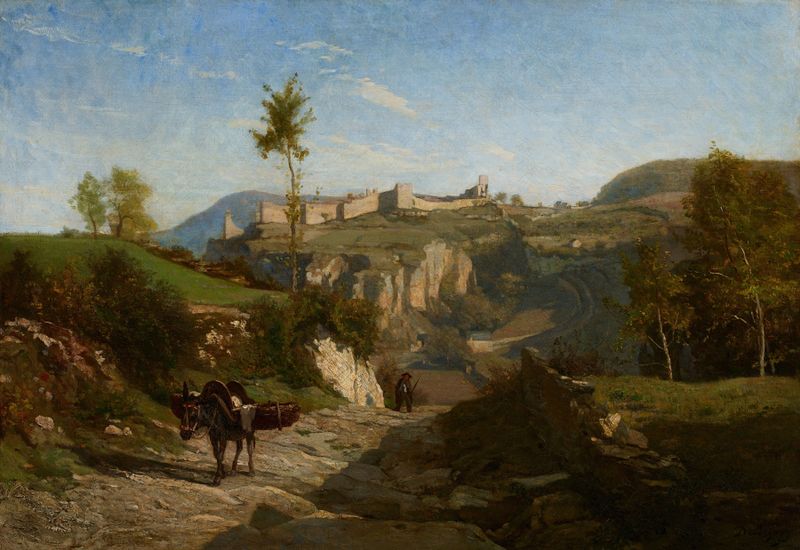
Landscape near Crémieu
Charles François Daubigny





