
Les Marionnettes, par Jean-Honoré Fragonard — History & Facts
When Les Marionnettes, par Jean-Honoré Fragonard first appeared in the late 18th century, it was immediately recognized as a playful departure from the grand mythologies and historical dramas that dominated French art. Instead of gods or kings, Jean-Honoré Fragonard turned his attention to the world of popular entertainment: the marionette theater, a beloved pastime in Parisian gardens and salons. The painting stands out in Fragonard’s oeuvre for its intimate glimpse into everyday amusement, capturing a moment that was rarely immortalized by his contemporaries.
Its subject matter—puppet shows—was considered delightfully modern, even a little subversive, for its time. At the heart of the scene, a troupe of marionettes performs before a rapt audience of children and adults. Fragonard freezes the moment just as a puppet, perhaps a stock character like Polichinelle, gestures dramatically from the tiny stage, while the crowd leans forward, faces lit with laughter and surprise. The artist’s lively brushwork animates the figures, echoing the jerky, exaggerated movements of the puppets themselves.
Costumed children point and giggle, while a mother restrains a younger child, her gesture both protective and amused. The warm, golden light spills across the audience, blurring the line between spectator and spectacle—a device reminiscent of Jean-Baptiste Greuze, but here with a lighter, more mischievous touch. The precise origins of Les Marionnettes remain uncertain, as the painting’s early history is not well documented and its medium is still debated among scholars. It is likely that Fragonard created it for a private patron, perhaps as part of a series celebrating the pleasures of contemporary Parisian life.
Over the centuries, it has changed hands several times, surfacing in various private collections before entering the public eye. Today, the work is prized as a vivid example of Fragonard’s late style, where his gift for capturing fleeting joys found new expression beyond the rococo boudoir. Its place in his career marks a shift toward genre scenes, reflecting the changing tastes of pre-Revolutionary France.
More Artworks by Jean-Honoré Fragonard
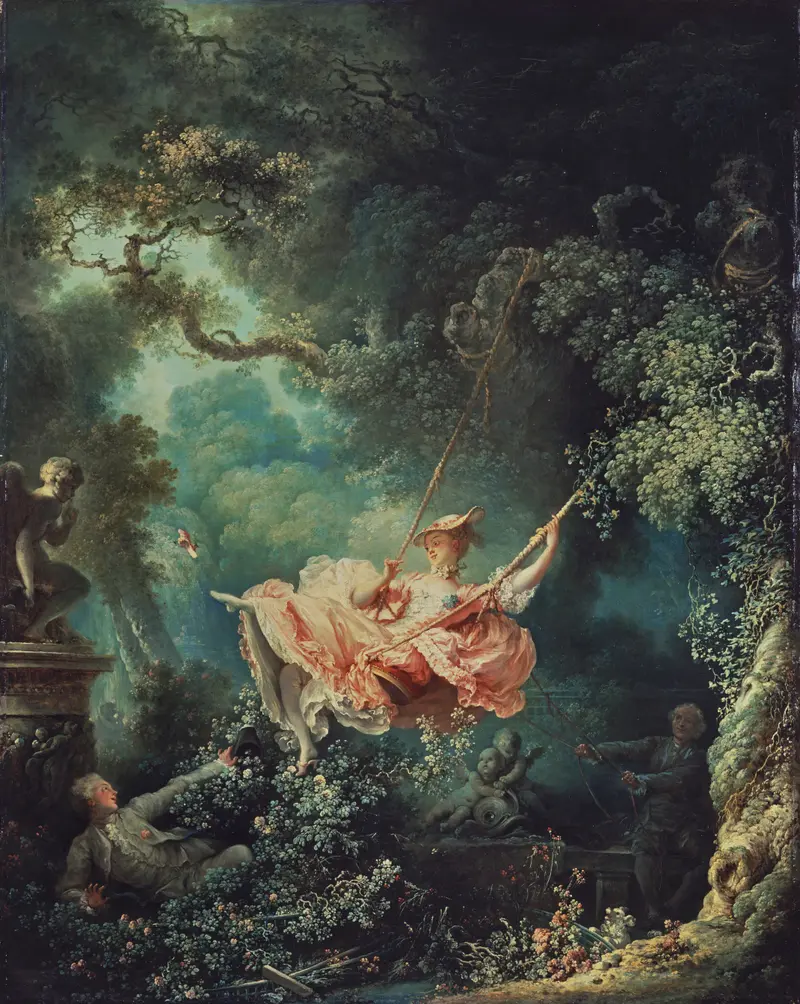
The Swing
Jean-Honoré Fragonard

The Swing
Jean-Honoré Fragonard
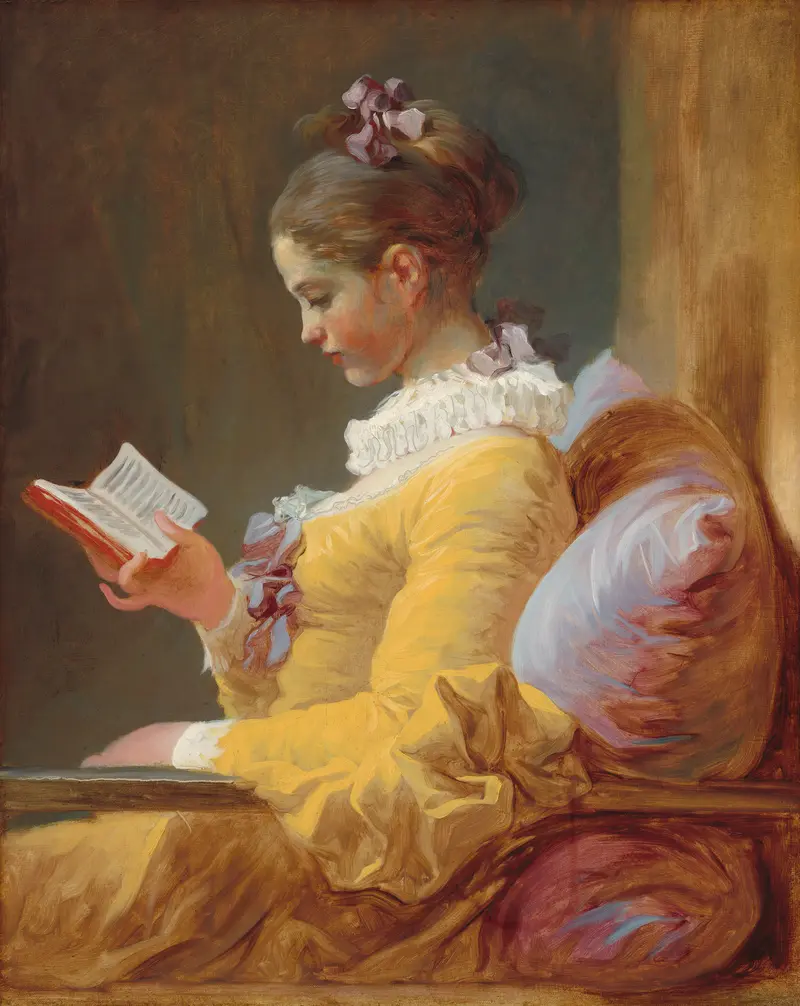
A Young Girl Reading
Jean-Honoré Fragonard
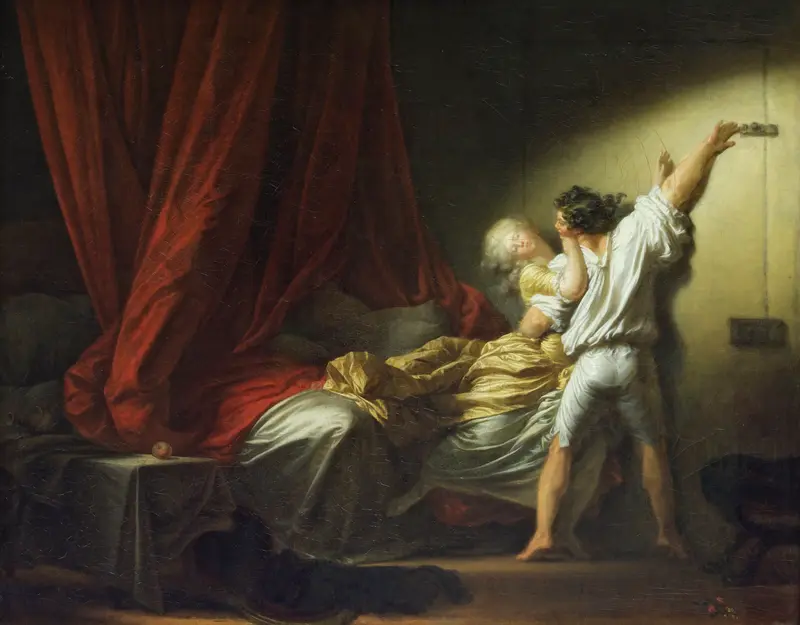
The Lock
Jean-Honoré Fragonard
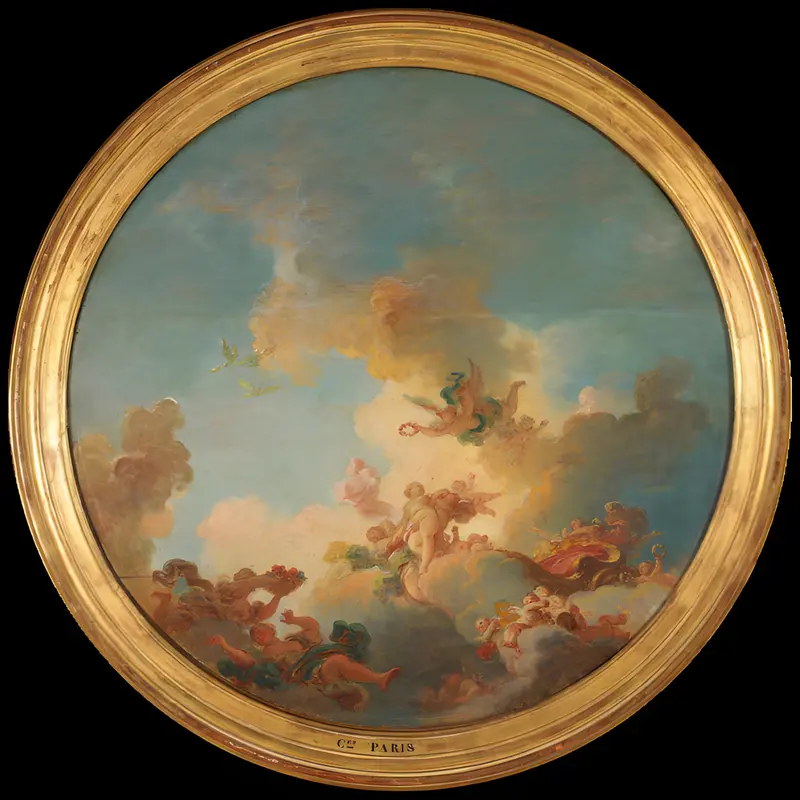
The Triumph of Venus
Jean-Honoré Fragonard
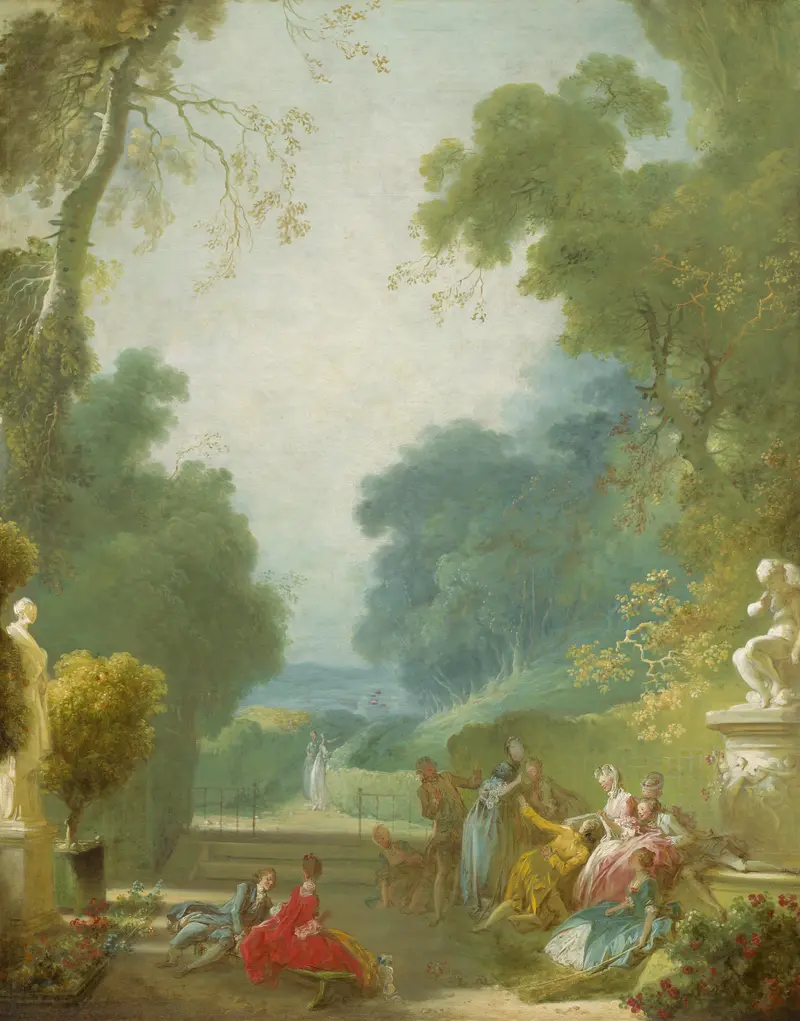
A Game of Hot Cockles
Jean-Honoré Fragonard
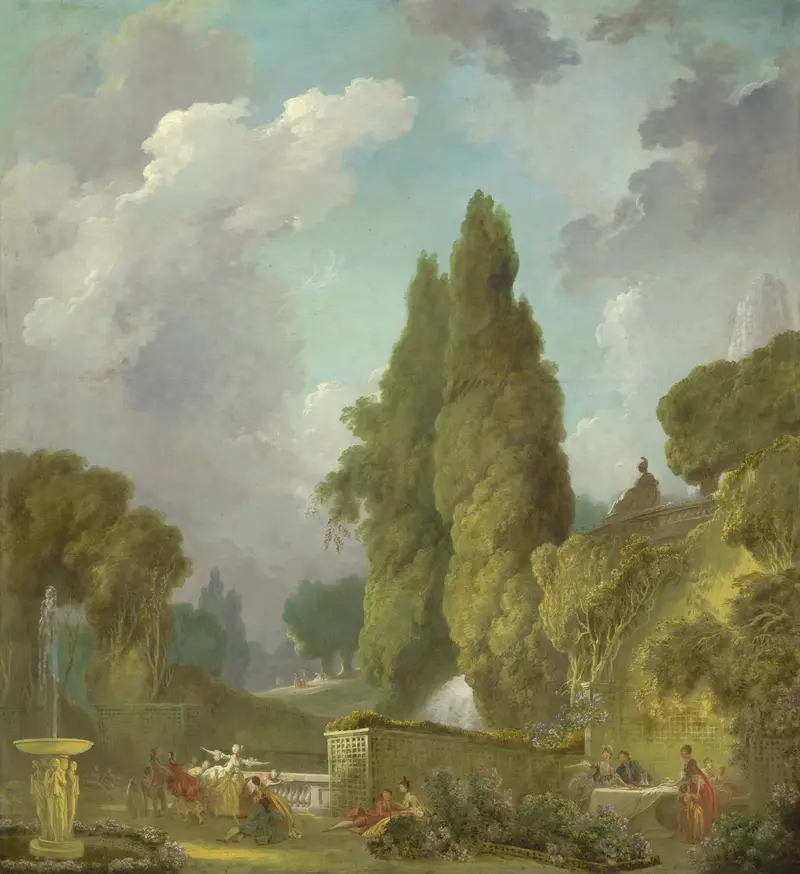
Blindman’s Buff
Jean-Honoré Fragonard
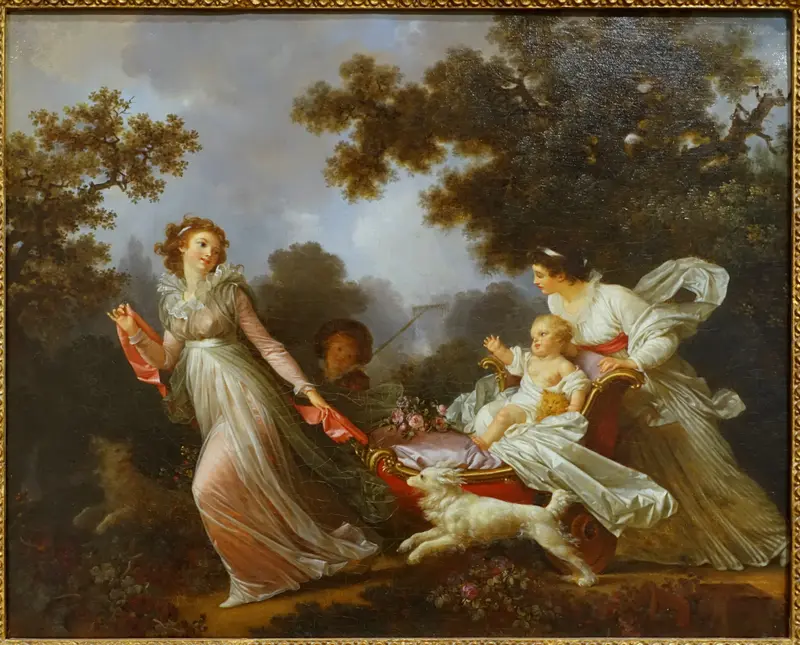
The Beloved Child
Jean-Honoré Fragonard
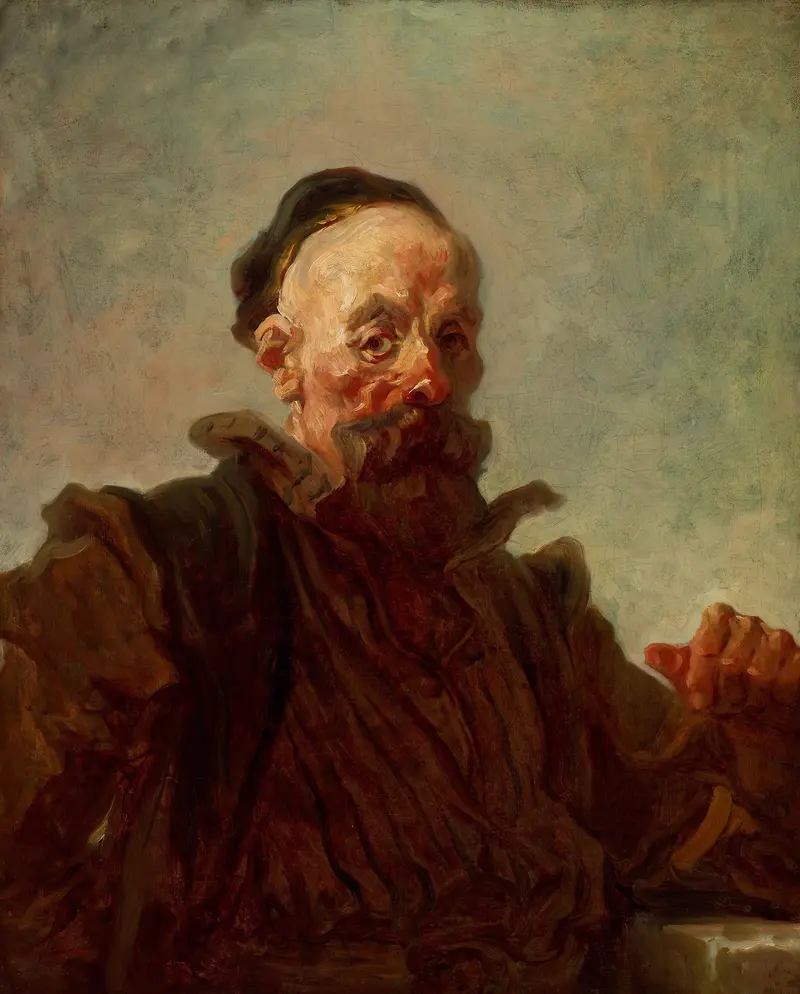
Portrait of a Man in Costume
Jean-Honoré Fragonard
The First Steps
Jean-Honoré Fragonard
More Genre Scene Art

Banquet of the Officers of the St George Civic Guard
Frans Hals

Rembrandt and Saskia in the Scene of the Prodigal Son
Rembrandt van Rijn

Bal du moulin de la Galette
Pierre-Auguste Renoir

Quadrille at the Moulin Rouge
Henri de Toulouse-Lautrec

A Burial at Ornans
Gustave Courbet

When Will You Marry?
Paul Gauguin