
Limehouse — History & Facts
In Limehouse, James Abbott McNeill Whistler presents a tranquil marine scene. The painting features soft blues and greens, capturing the essence of the water. Small boats can be seen gently floating, while the background reveals a hazy skyline.
The overall atmosphere is calm and reflective, inviting viewers to immerse themselves in the scene. The painting is executed in oil on canvas, showcasing Whistler's Impressionist style. The brushwork is loose and fluid, emphasizing the movement of water and light. The color palette is dominated by cool tones, creating a soothing effect.
Viewers can appreciate the subtle blending of colors that characterize Whistler's technique. Limehouse was created during a period when Whistler was exploring marine subjects. This work reflects his interest in capturing the changing effects of light on water. Interestingly, Whistler often painted scenes from the Thames River, and Limehouse is a testament to his fascination with urban waterfronts.
The painting exemplifies his unique approach to Impressionism, focusing on mood rather than detail.
More Artworks by James Abbott McNeill Whistler
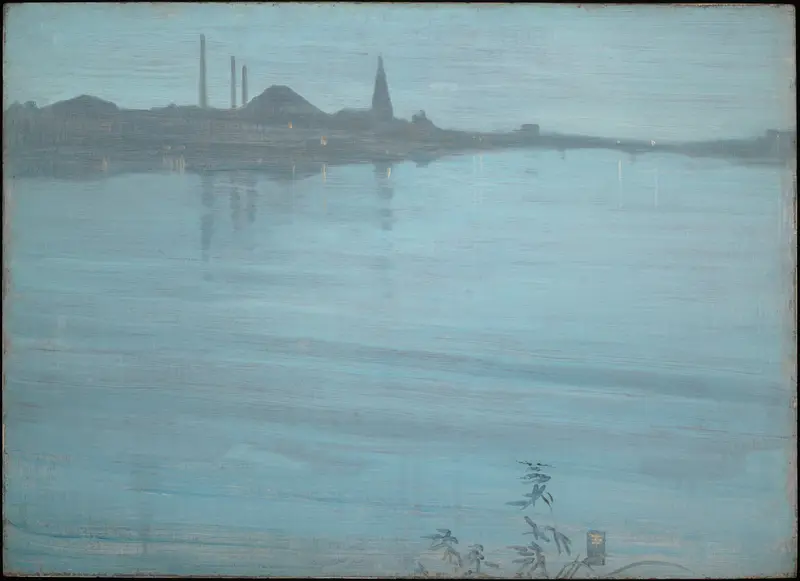
Nocturne in Blue and Silver
James Abbott McNeill Whistler

Nocturne
James Abbott McNeill Whistler
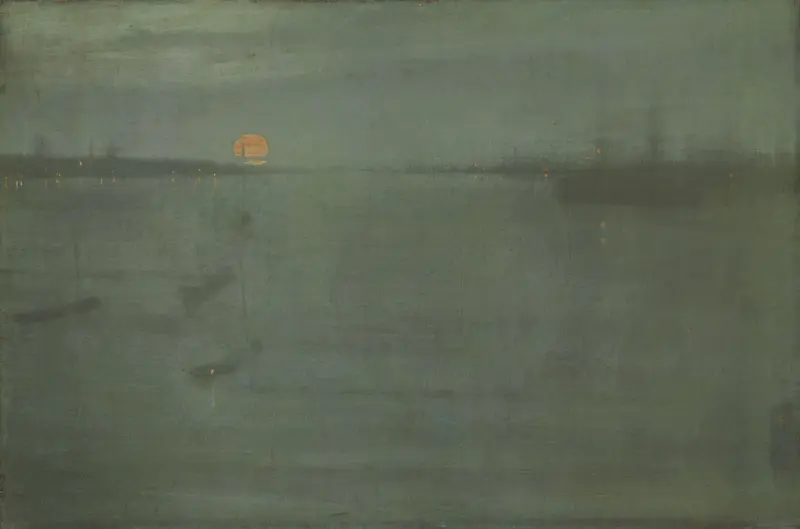
Nocturne: Blue and Gold–Southampton Water
James Abbott McNeill Whistler
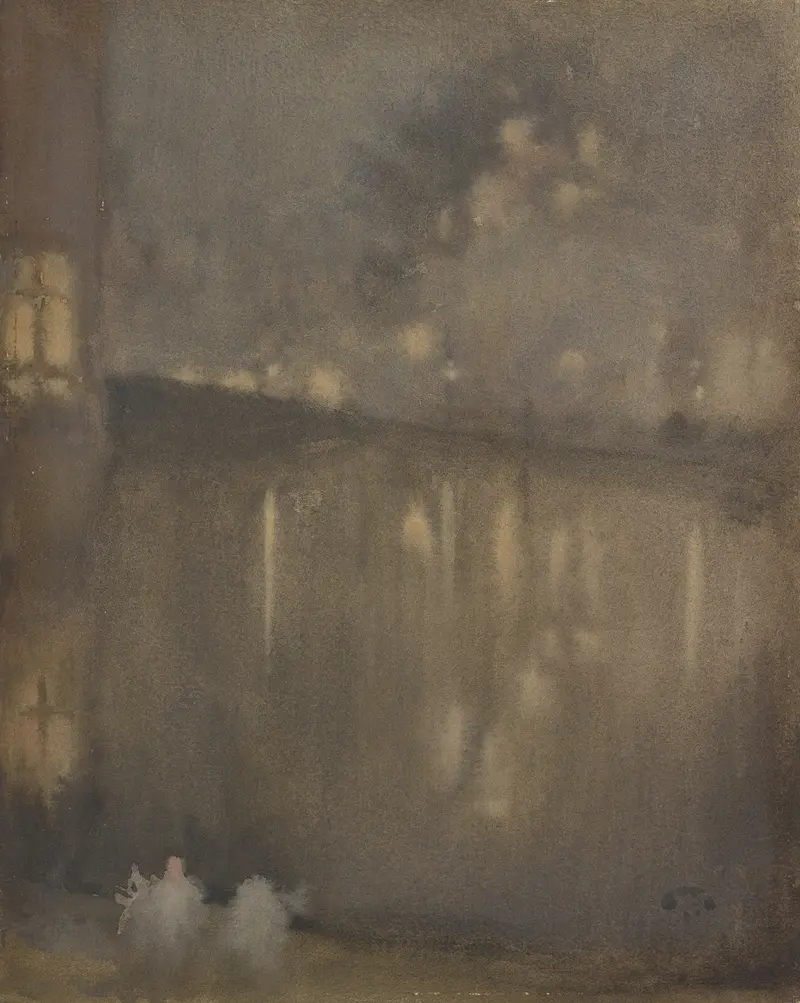
Nocturne: Grey and Gold–Canal, Holland
James Abbott McNeill Whistler
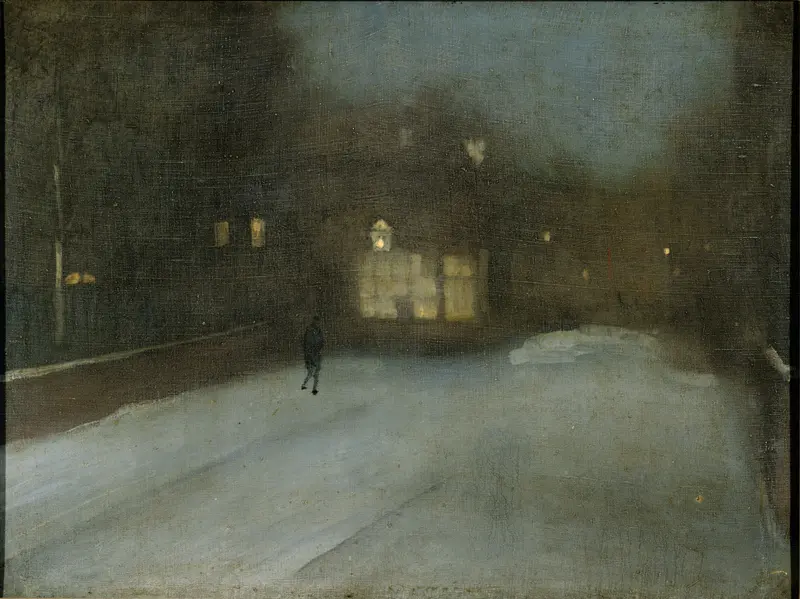
Nocturne in Grey and Gold: Chelsea Snow
James Abbott McNeill Whistler
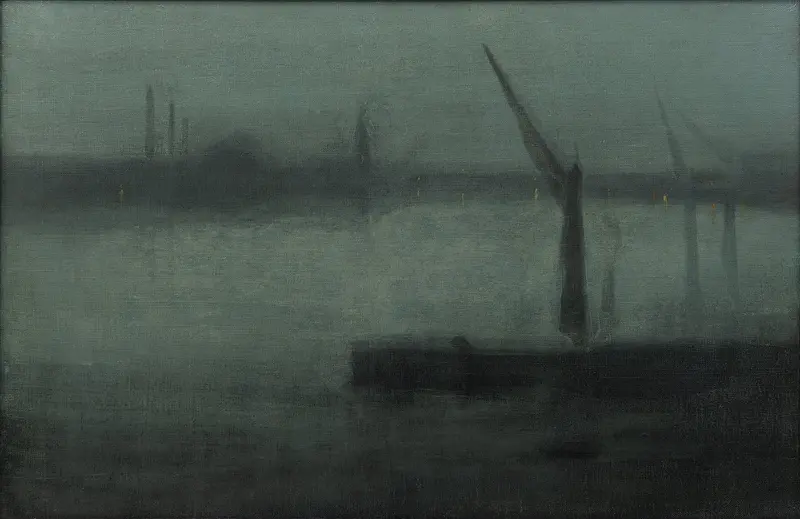
Nocturne: Blue and Silver–Battersea Reach
James Abbott McNeill Whistler
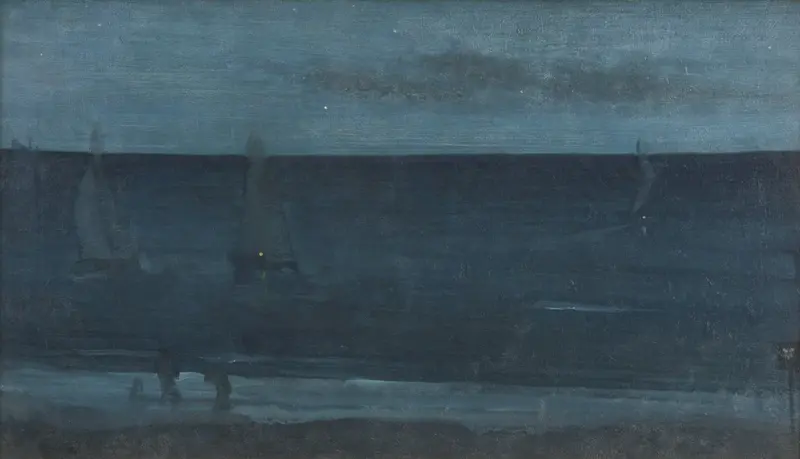
Nocturne: Blue and Silver–Bognor
James Abbott McNeill Whistler

Old Battersea Bridge
James Abbott McNeill Whistler
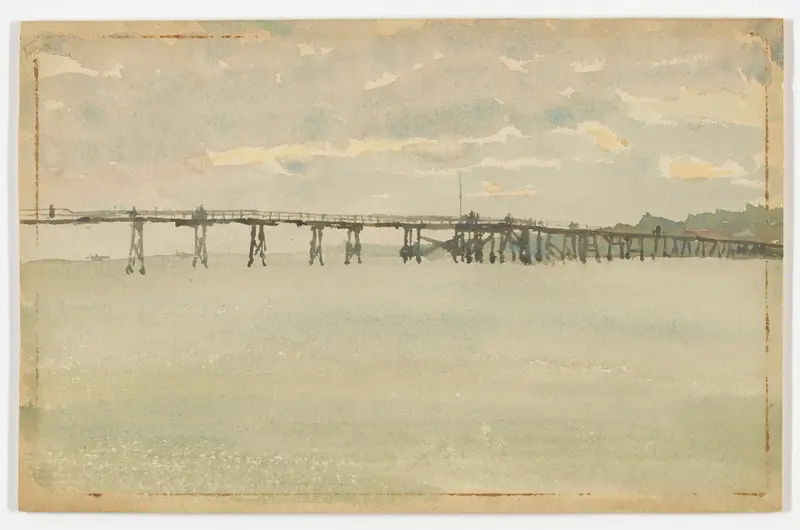
Grey and Silver–Pier, Southend
James Abbott McNeill Whistler
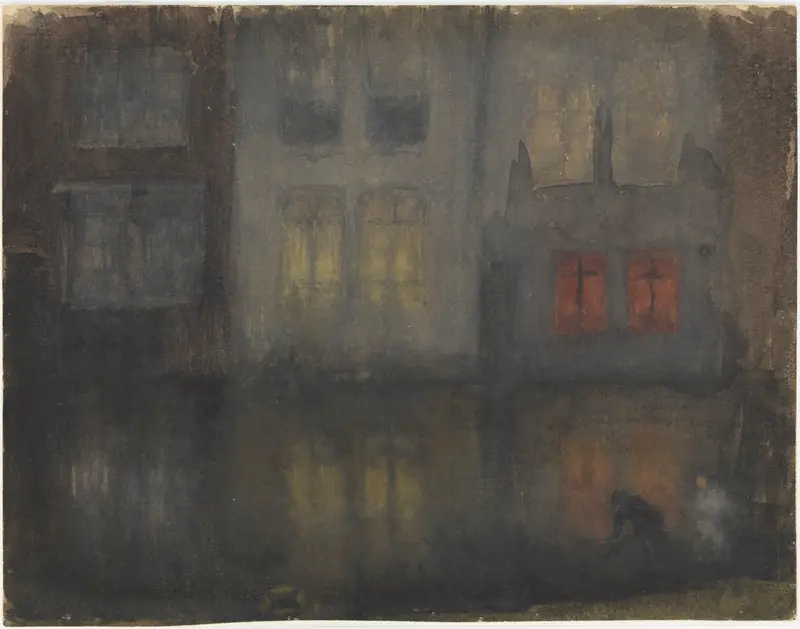
Nocturne: Black and Red—Back Canal, Holland
James Abbott McNeill Whistler





