
Lions in a Mountainous Landscape — History & Facts
When Théodore Géricault painted Lions in a Mountainous Landscape in 1818, he was at the height of his fascination with wild animals—a passion that led him to frequent the menageries of Paris, sketchbook in hand. This was the same period in which he was preparing for his monumental The Raft of the Medusa, and his studies of lions were as much about understanding anatomy and movement as they were about capturing the raw energy of nature. The painting stands out among his animal studies for its dramatic, almost theatrical composition, and for the way it bridges the gap between observation and imagination. At the heart of the scene, two lions emerge from the rocky shadows, their bodies tense and alert, as if caught in the moment before a hunt or just after a confrontation.
The mountainous landscape is rendered with jagged forms and dark, swirling clouds, amplifying the sense of danger and unpredictability. Géricault’s lions are not mere zoological specimens; their sinewy bodies and intense gazes evoke both power and vulnerability, reflecting the Romantic era’s fascination with the untamed. Unlike Delacroix’s later, more exotic animal paintings, Géricault’s approach is rooted in the immediacy of direct observation, yet heightened by a dramatic use of light and shadow that pushes the scene towards the realm of the fantastic. The precise history of Lions in a Mountainous Landscape remains somewhat obscure, as is often the case with Géricault’s animal works, which were rarely formally commissioned and sometimes sold directly from his studio.
The painting’s medium is not firmly established, though many of his animal studies from this period are oils or watercolors on paper. Today, the work is recognized as a key example of Géricault’s restless experimentation in the years leading up to his major canvases, and it offers a glimpse into the artist’s deep engagement with the natural world—a theme that would influence generations of Romantic painters after him.
More Artworks by Théodore Géricault
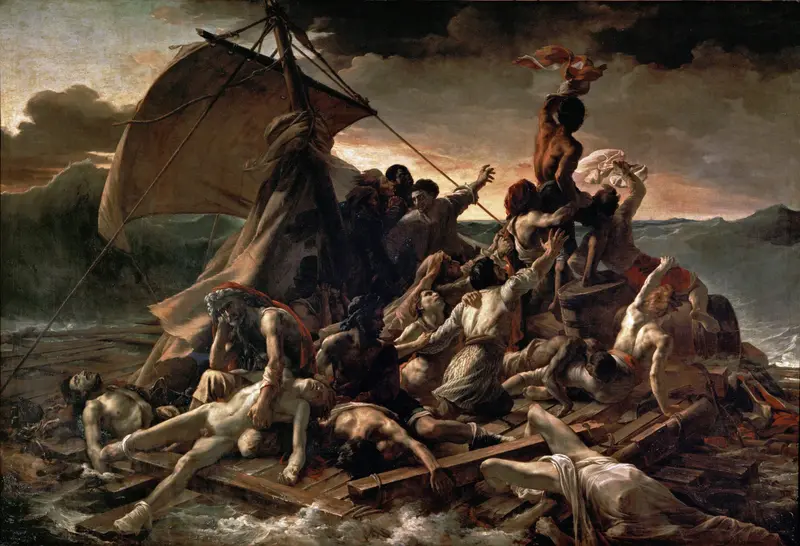
The Raft of the Medusa
Théodore Géricault

Géricault - Le naufrage du radeau de la Méduse, MBA 790
Théodore Géricault
Cattle Market
Théodore Géricault
Evening; Landscape with an Aqueduct
Théodore Géricault
Horse Race
Théodore Géricault

Horses Standing in a Mews
Théodore Géricault
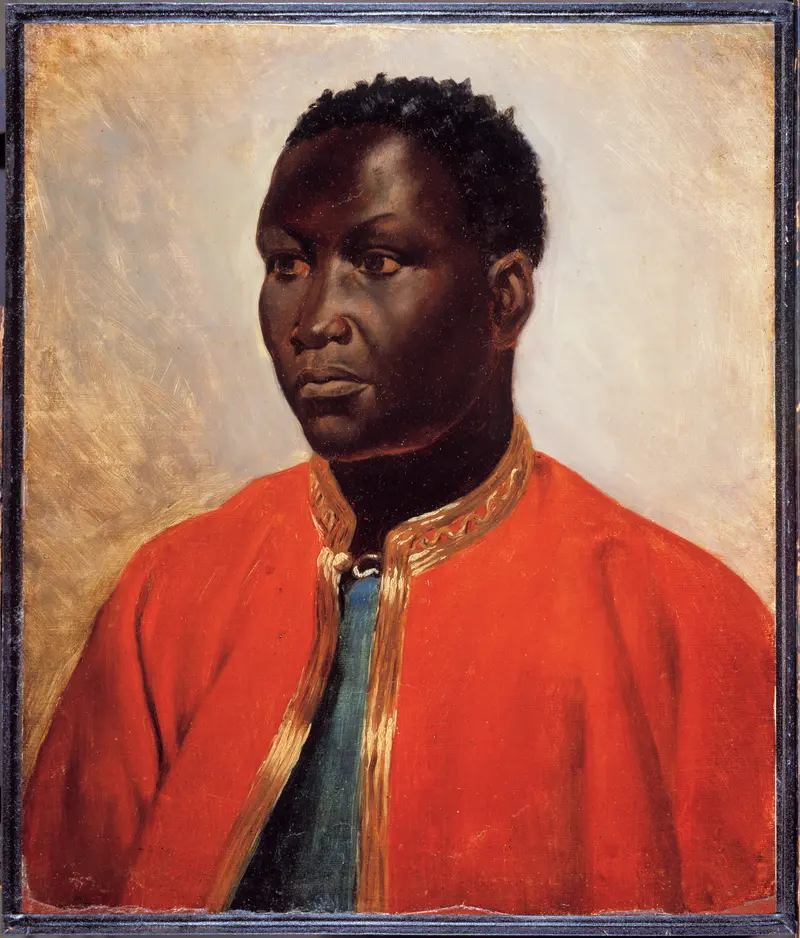
Portrait of a Negro
Théodore Géricault
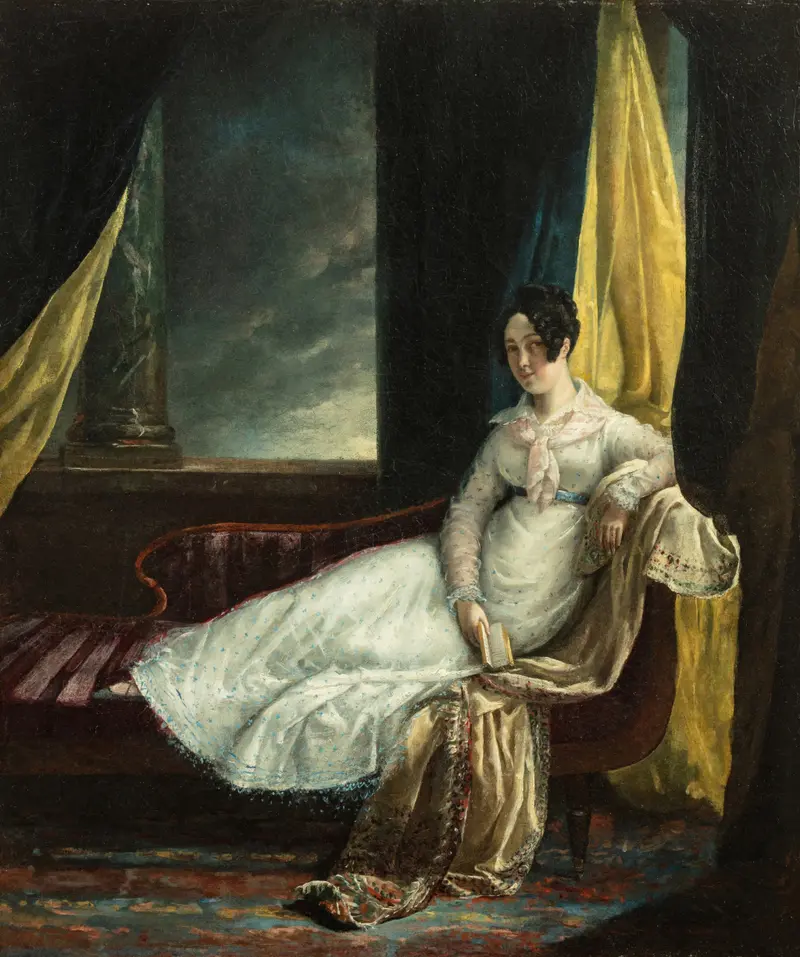
Portrait of Zoë Elmore
Théodore Géricault
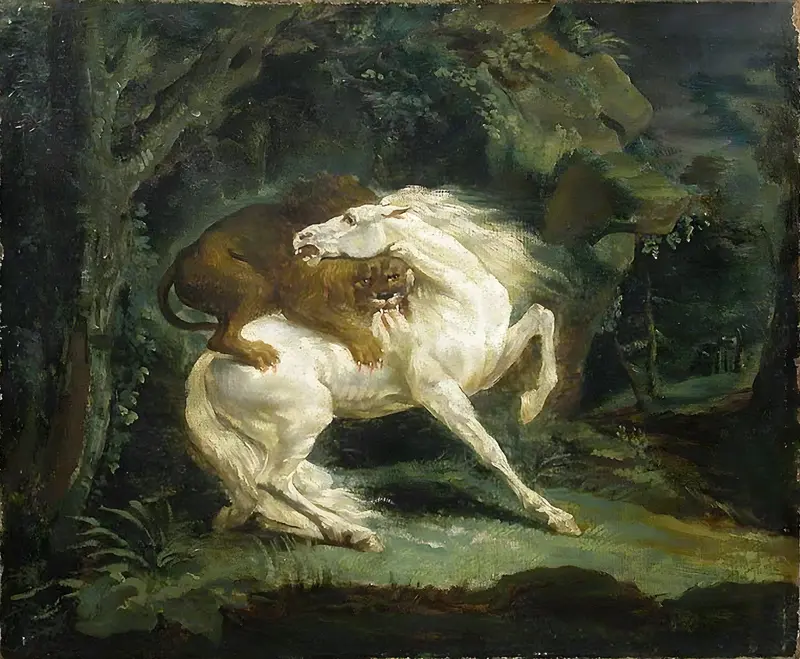
Cheval attaqué par un lion
Théodore Géricault
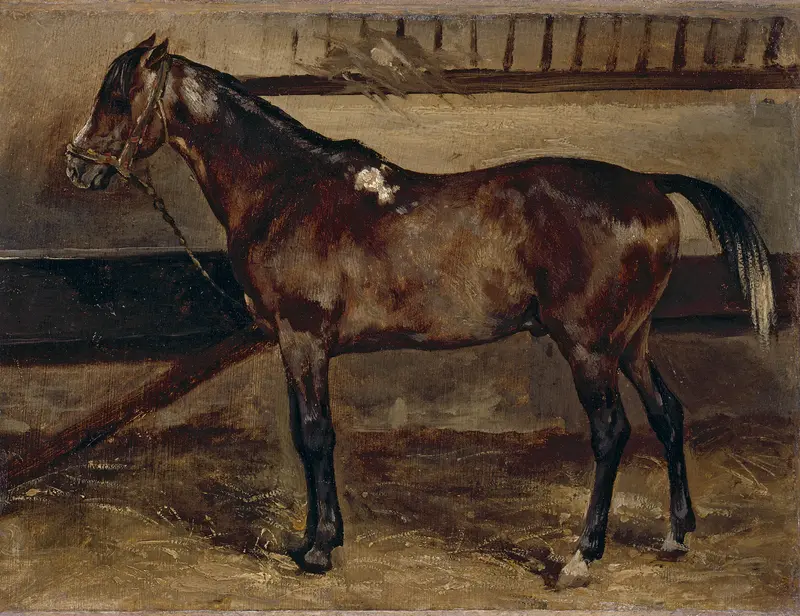
Cheval brun à l'écurie
Théodore Géricault





