
Little Girl in a Large Red Hat — History & Facts
When Little Girl in a Large Red Hat was first exhibited in 1881, critics were struck by its bold, almost audacious use of color and brushwork—qualities not always welcomed from a woman artist in Impressionism’s Parisian circles. Mary Cassatt, an American living in France, was already known for her intimate portrayals of women and children, but here she pushed the boundaries further: the hat dominates the composition, dwarfing the sitter and drawing immediate attention. The painting’s title was not Cassatt’s own, but was given later, reflecting the central, almost theatrical role of the red hat.
Some contemporary viewers wondered if the painting was a portrait or an experiment, and its ambiguity has fueled debate ever since. At the heart of the canvas sits a young girl, her face turned slightly aside, her gaze both direct and reserved. The enormous red hat, with its sweeping brim and lush ribbon, nearly engulfs her, casting a warm shadow over her delicate features. The child’s crisp white dress and the soft, loose handling of paint in the background create a sense of immediacy and informality, as if Cassatt has caught a fleeting moment.
Unlike the formality of John Singer Sargent’s child portraits, Cassatt’s approach is intimate and spontaneous, emphasizing the child’s individuality rather than her social role. The red hat, a symbol of playfulness and perhaps budding self-awareness, becomes a visual anchor, challenging the viewer to look beyond surface charm. The exact provenance of Little Girl in a Large Red Hat is not fully documented, but it is typical of the works Cassatt produced in the early 1880s, a period when she was deeply engaged with the Impressionist group and experimenting with color and composition. Like many of her paintings, it likely passed through private hands before entering a public collection.
The painting stands as a testament to Cassatt’s commitment to depicting the private worlds of women and children, and her ability to blend French Impressionist techniques with a distinctly personal vision. Today, it remains a favorite in museum collections, admired for both its technical daring and its tender observation of childhood.
More Artworks by Mary Cassatt

The Child's Bath
Mary Cassatt
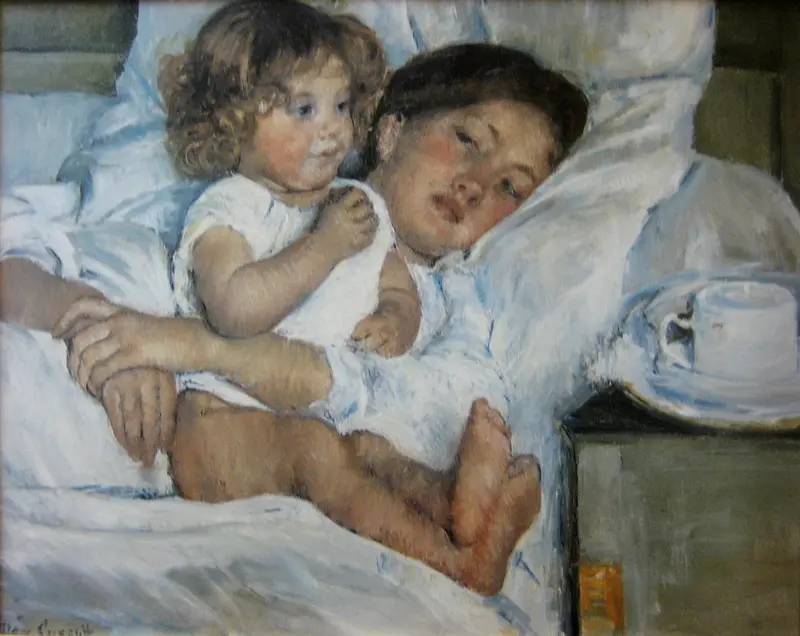
Breakfast in Bed
Mary Cassatt

Mother and Child (Baby Getting Up from His Nap)
Mary Cassatt
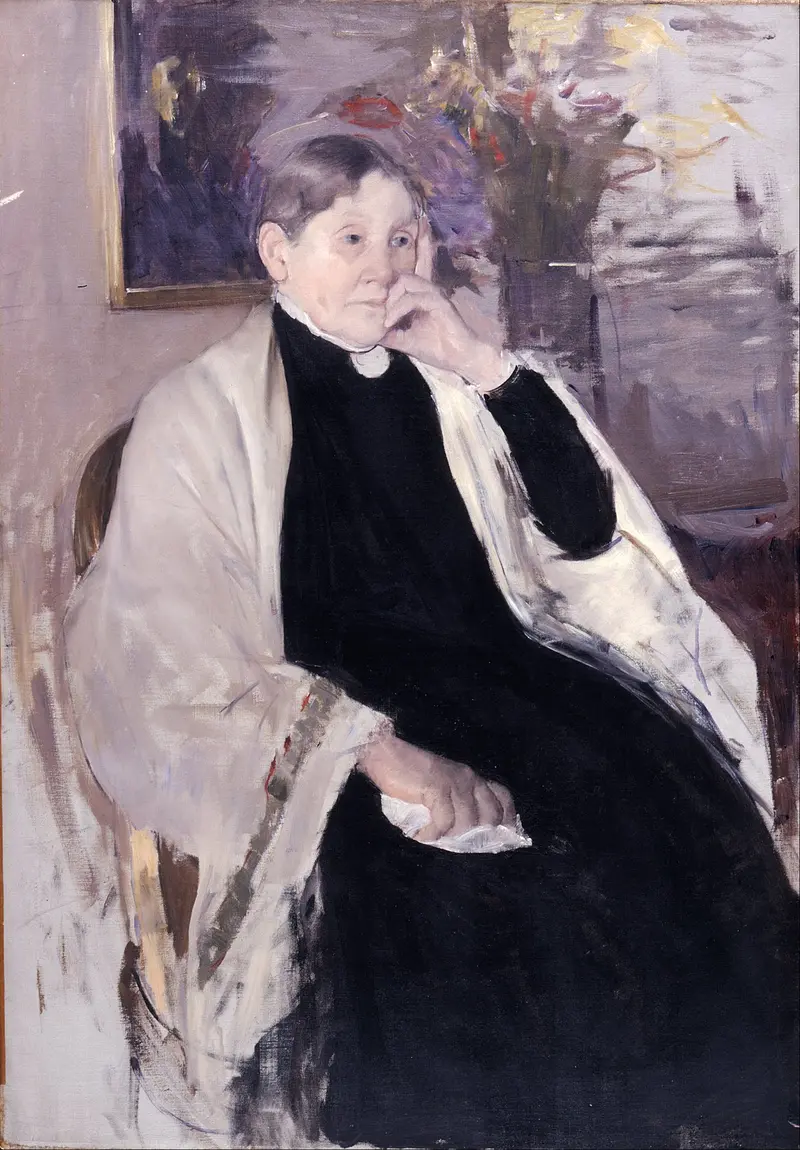
Mrs. Robert S. Cassatt, the Artist's Mother
Mary Cassatt
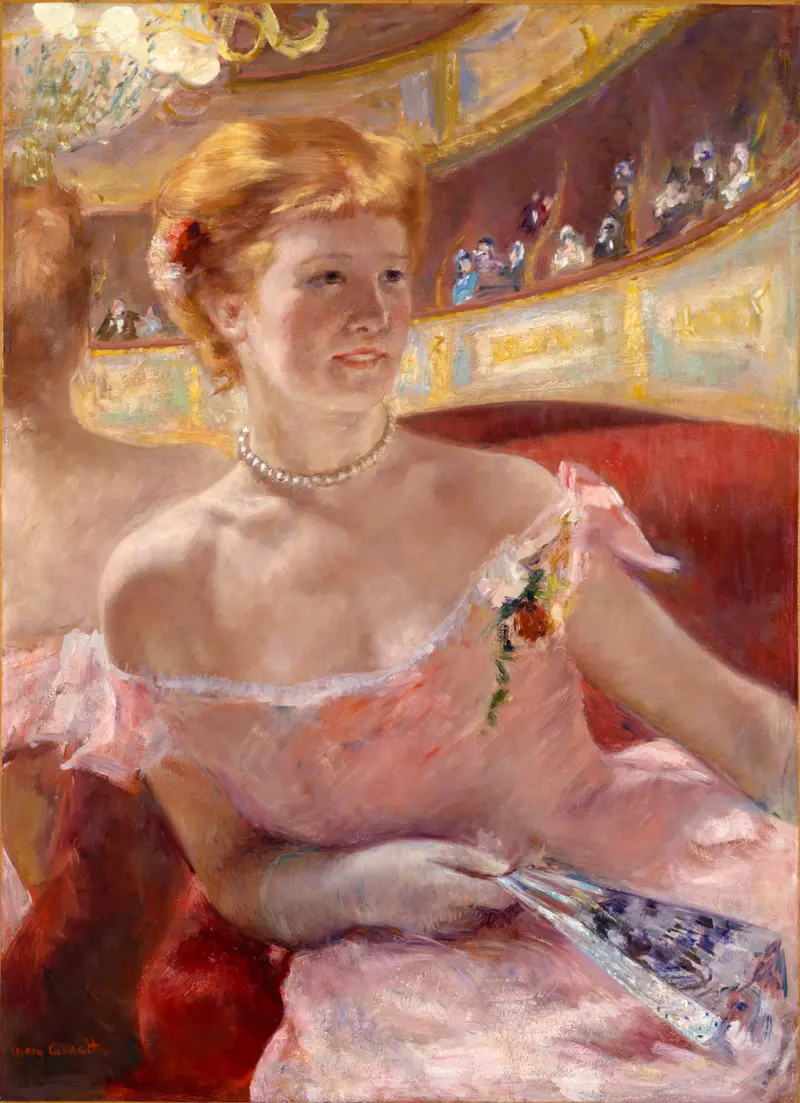
Woman with a Pearl Necklace in a Loge
Mary Cassatt
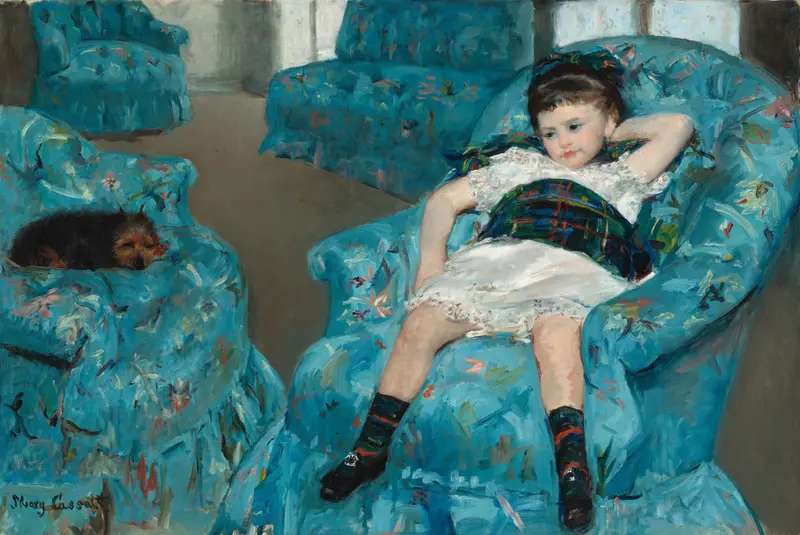
Little Girl in a Blue Armchair
Mary Cassatt
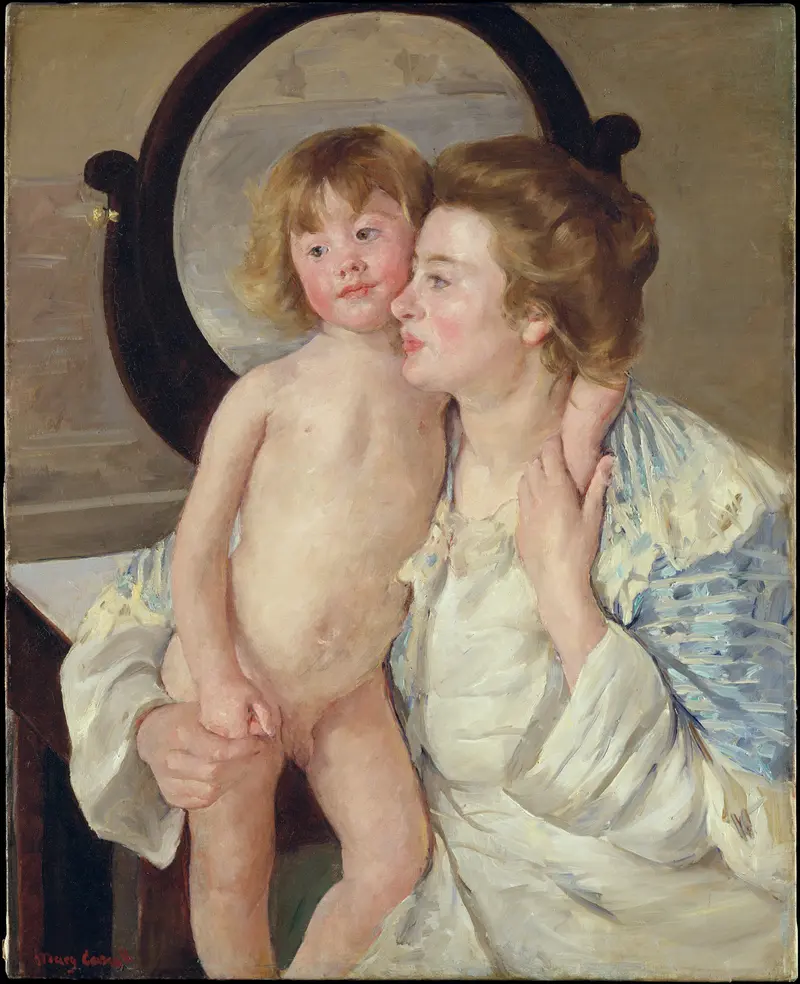
Mother and Child (The Oval Mirror)
Mary Cassatt
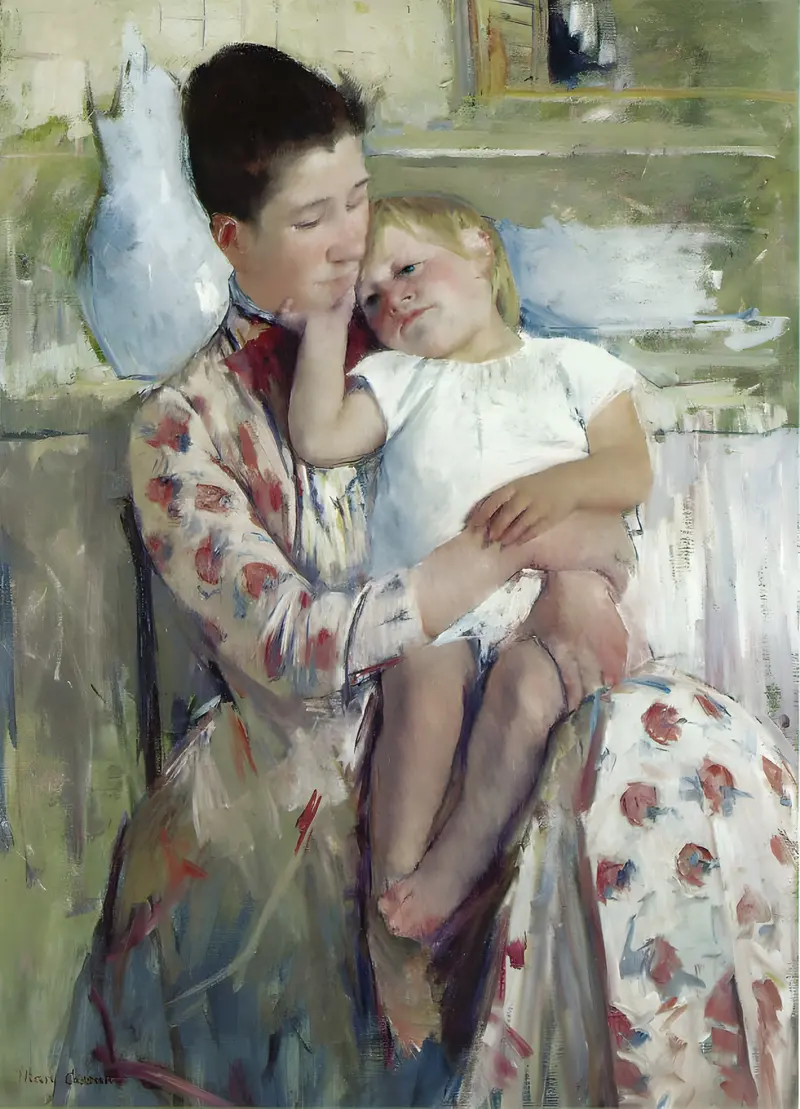
Mother and Child
Mary Cassatt
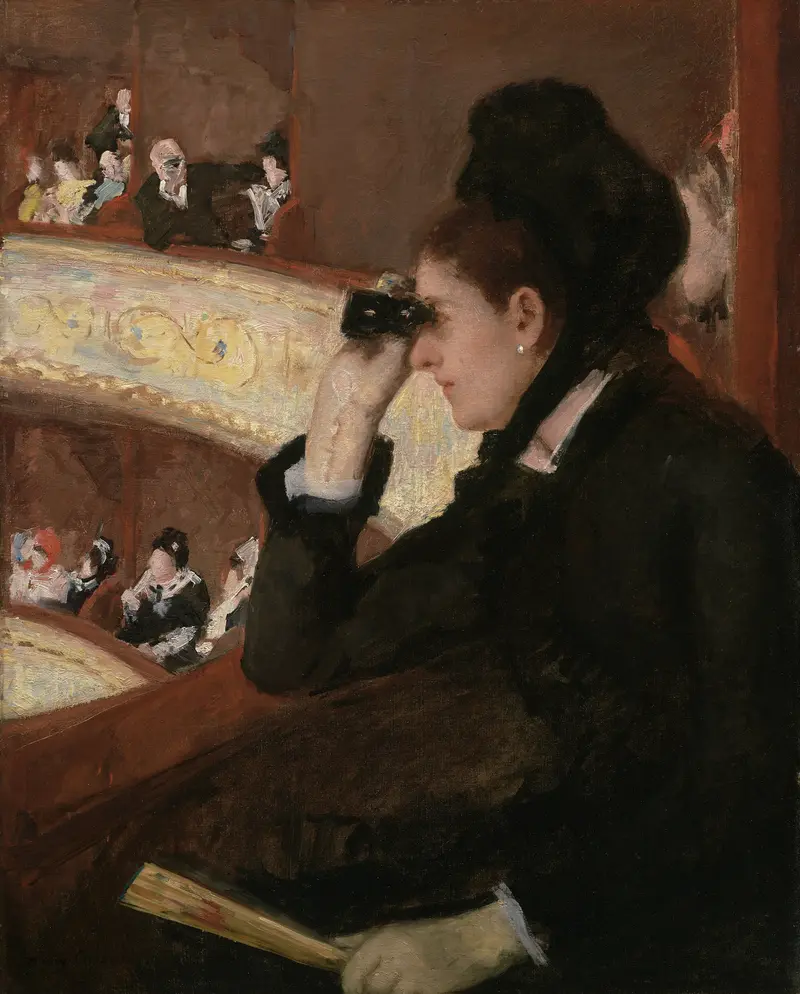
In The Loge
Mary Cassatt
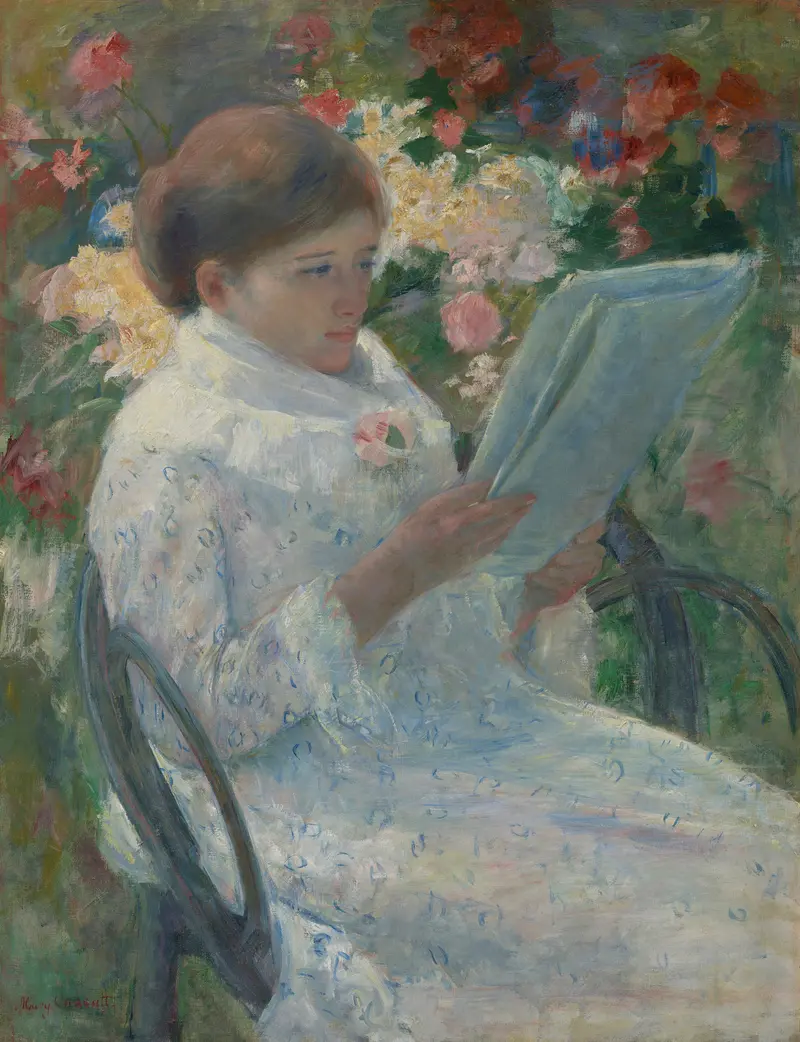
On a Balcony
Mary Cassatt





