
Lola de Valence — History & Facts
No one knows for certain who commissioned Lola de Valence, nor even the exact identity of the sitter, but the title is a direct nod to the famous Spanish dancer Lola de Valence, immortalized decades earlier by Édouard Manet. When Amedeo Modigliani painted this portrait in 1915, Paris was in turmoil, with the Great War raging and artists gathering in Montparnasse to seek new forms of expression. The painting stands out in Modigliani’s oeuvre for its ambiguous homage: is it a portrait of a real dancer, a symbolic figure, or a tribute to Manet’s own Lola de Valence from 1862? This uncertainty has fueled debate among scholars and collectors alike, making it one of Modigliani’s more enigmatic works. The sitter gazes out with Modigliani’s trademark almond eyes, her elongated neck and tilted head lending her a statuesque calm.
She sits poised, perhaps caught between performance and repose, her hands folded in her lap. The background is spare, focusing attention on the sitter’s presence, while her dark dress and the subtle play of shadow recall the Spanish costumes favored by dancers of the era. Unlike Manet’s version, which places Lola in a theatrical setting, Modigliani strips away context, inviting viewers to contemplate the woman herself, her identity suspended between reality and myth.
The effect is both intimate and distant, a hallmark of Modigliani’s portraits. The precise history of Lola de Valence as an object is uncertain, as records from Modigliani’s early years in Paris are often incomplete. The painting likely passed through the hands of several private collectors before entering a public collection, reflecting the artist’s growing reputation after his death in 1920. Today, it stands as a testament to Modigliani’s fascination with the human figure and his dialogue with both his contemporaries and the past.
Though the medium is not documented, the work’s style and handling place it firmly within the artist’s mature period, when he was forging his unique vision amid the creative ferment of early twentieth-century Paris.
More Artworks by Amedeo Modigliani
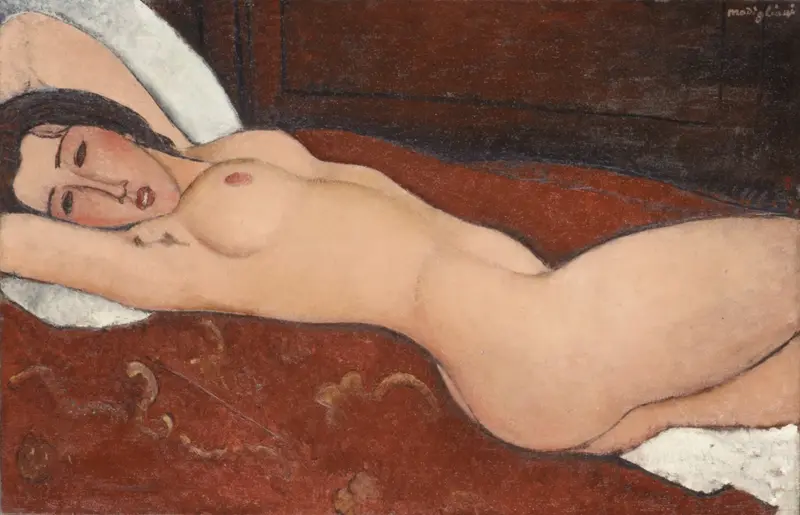
Reclining Nude
Amedeo Modigliani

Portrait Of Jeanne Hébuterne
Amedeo Modigliani

Jeanne Hébuterne
Amedeo Modigliani
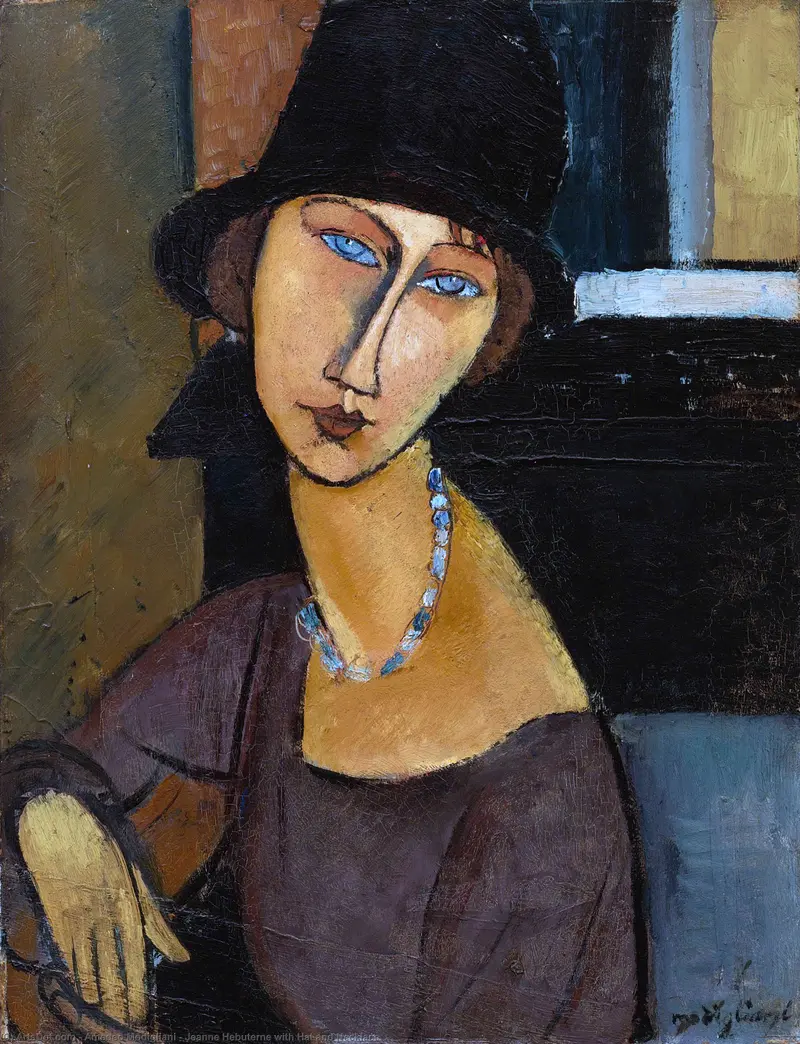
Jeanne Hébuterne with Hat and Necklace
Amedeo Modigliani
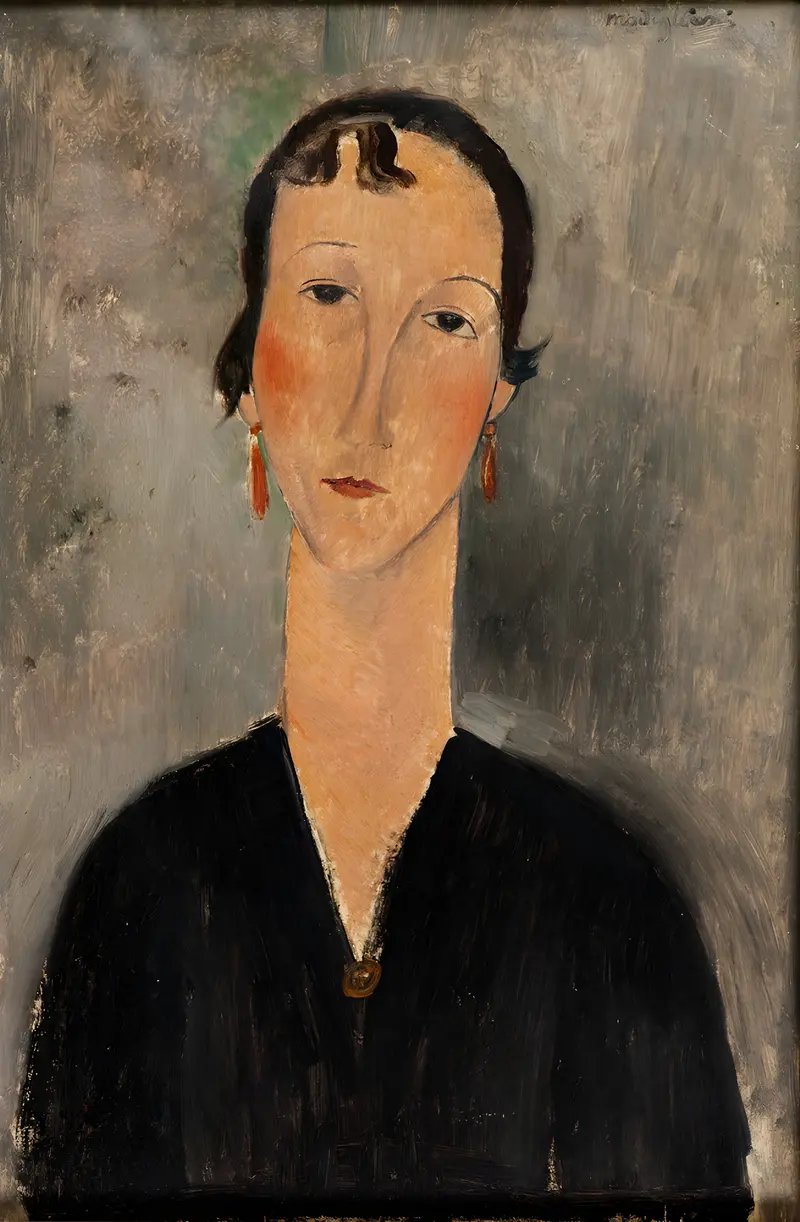
Femme aux boucles d'oreilles
Amedeo Modigliani
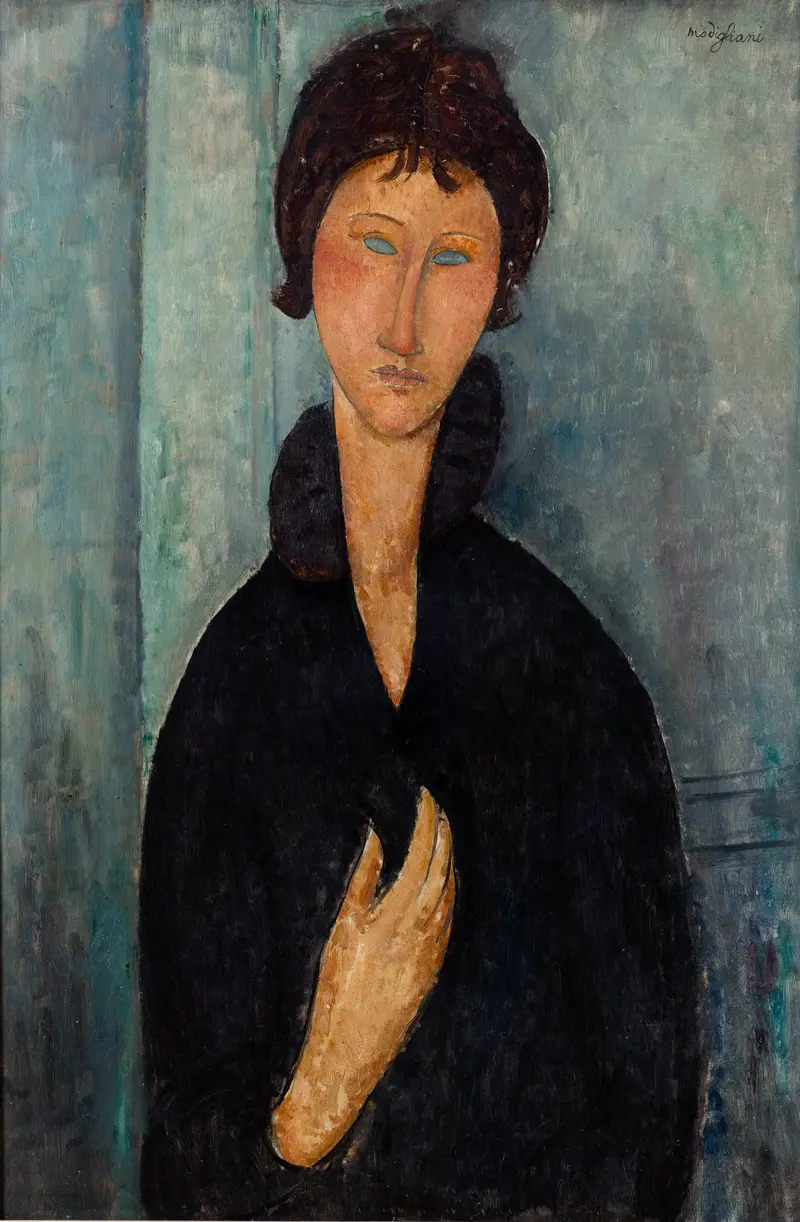
Femme aux yeux bleus
Amedeo Modigliani
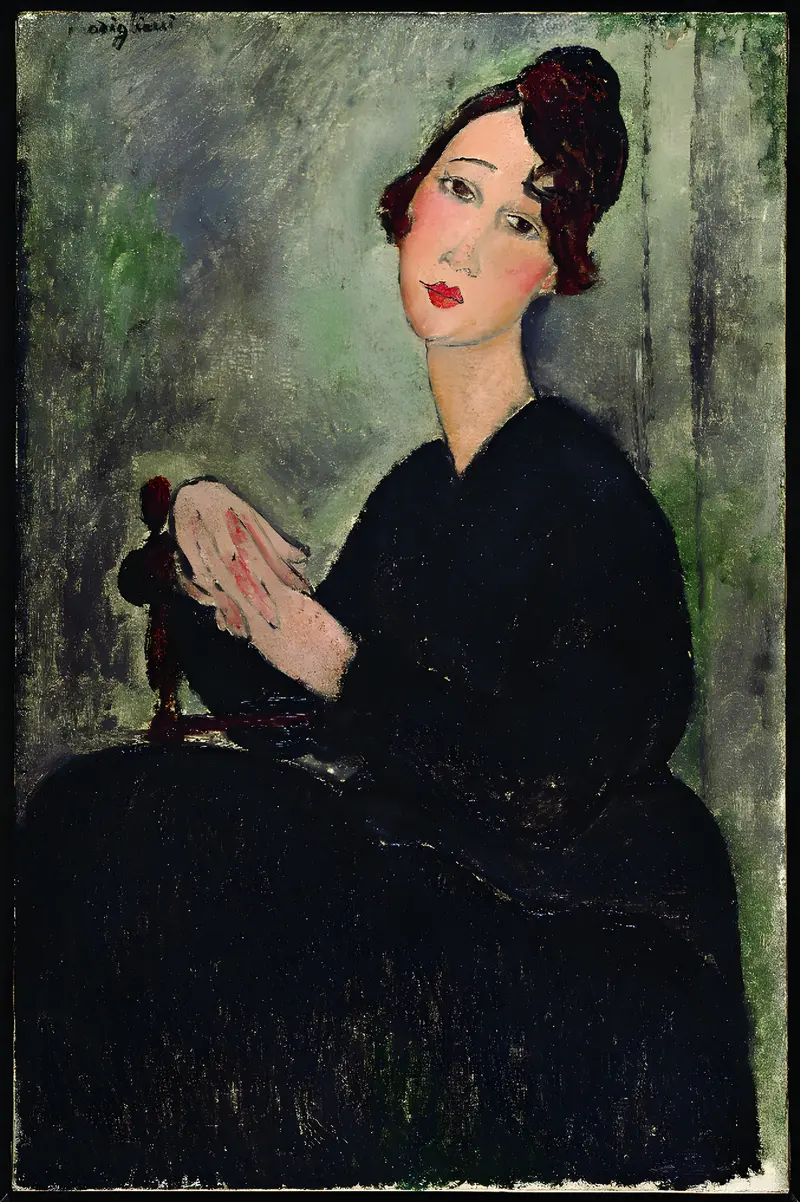
Portrait of Dedie
Amedeo Modigliani
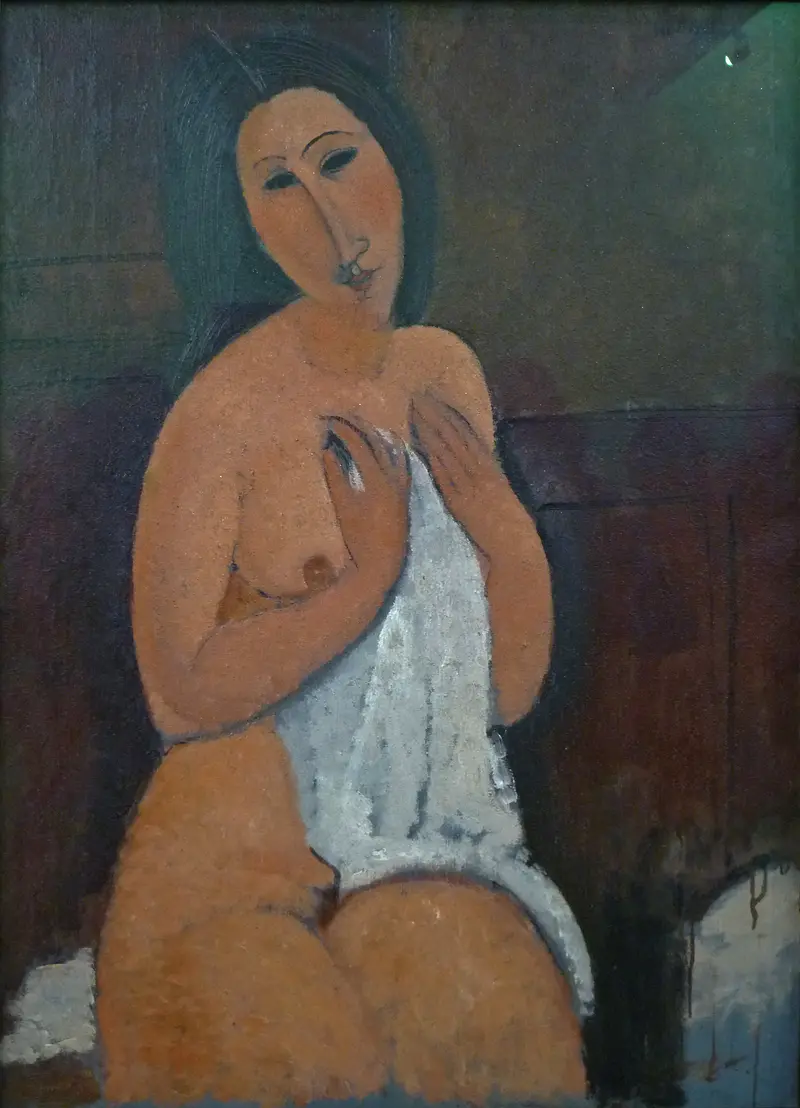
Seated nude with shirt
Amedeo Modigliani
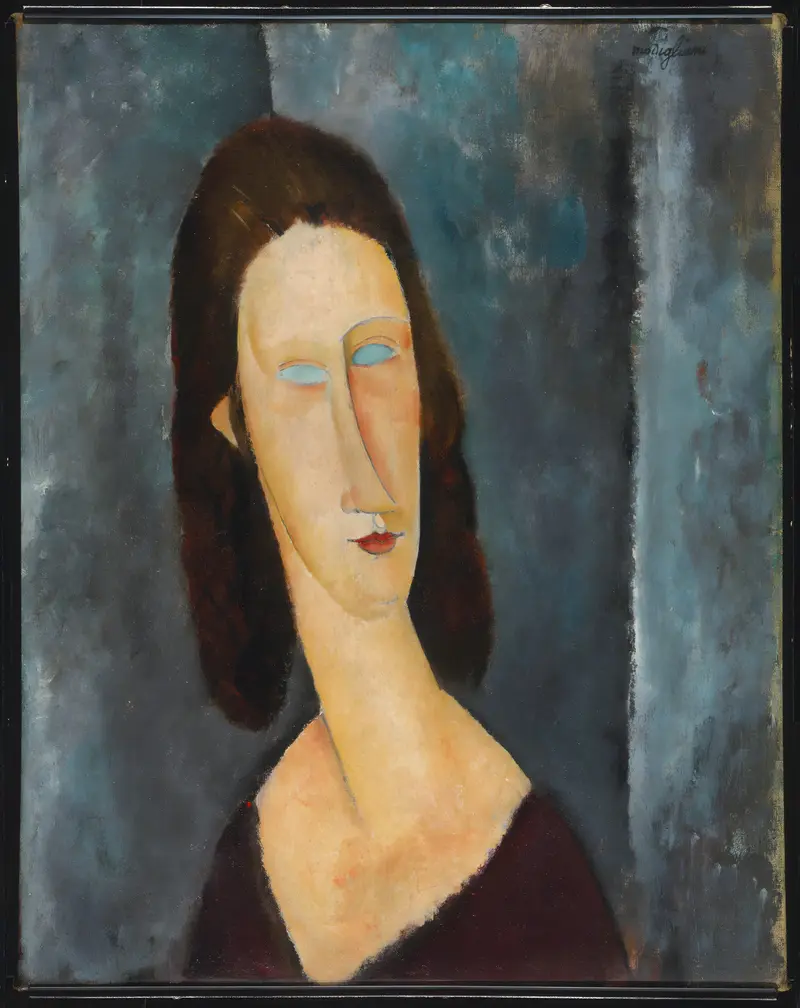
Blue Eyes (Portrait of Madame Jeanne Hébuterne)
Amedeo Modigliani
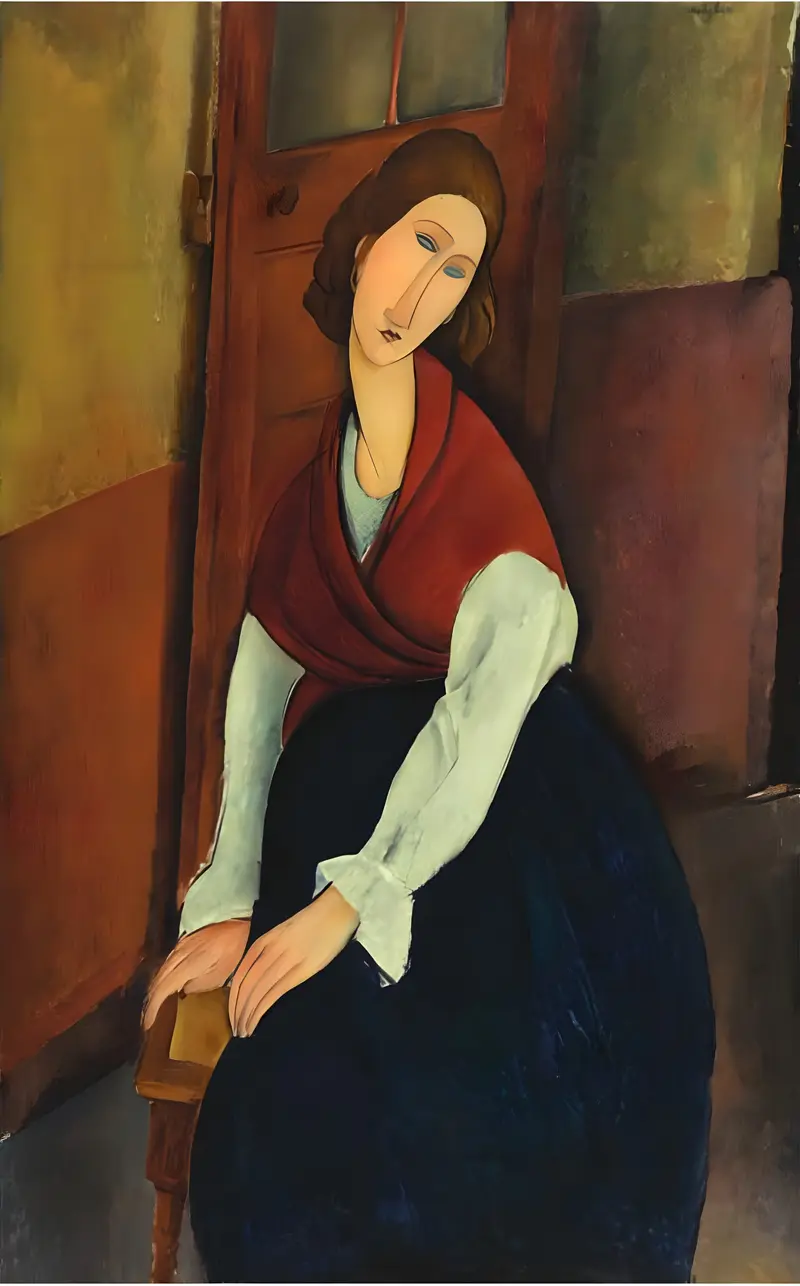
Jeanne Hebuterne in Red Shawl
Amedeo Modigliani





