
Lucretia — History & Facts
In the early 17th century, Artemisia Gentileschi painted Lucretia at a time when the story of the Roman noblewoman was charged with political and personal meaning. The tale of Lucretia’s suicide after her assault by Sextus Tarquinius was a rallying cry for virtue and resistance against tyranny—an allegory so potent that it helped ignite the Roman Republic in 509 BCE. For Artemisia, herself a survivor of sexual violence and a rare woman in the male-dominated world of Baroque painting, the subject was more than history; it was a declaration.
This painting is one of several versions she created, each exploring the theme with a different emotional temperature. The moment Artemisia captures is the instant before Lucretia’s death, her hand gripping the dagger, her face twisted in anguish and resolve. The white linen slips from her shoulder, exposing her vulnerability, while the rich, dark background presses in, isolating her in her final decision. The tension in her arms and the dramatic play of light across her skin focus the viewer’s attention on her suffering and courage.
Unlike the more restrained Lucretias of Titian or Dürer, Artemisia’s heroine is alive with turmoil, her pain and agency unmistakable. The painting’s directness and emotional charge invite the viewer to witness not just a myth, but a personal reckoning. The exact early history of this Lucretia is uncertain, as records of its first patron or location have not survived. What is clear is that it belongs to Artemisia Gentileschi’s mature period, when she was working in Rome and later in Venice, gaining international commissions and acclaim.
Over the centuries, the painting has passed through various private collections, sometimes misattributed to male contemporaries before being firmly recognized as her work. Today, Lucretia stands as a testament to Artemisia’s unique voice within the Baroque movement, her bold interpretation of female suffering and strength continuing to resonate in the museum halls where it now hangs.
More Artworks by Artemisia Gentileschi

Judith Beheading Holofernes
Artemisia Gentileschi
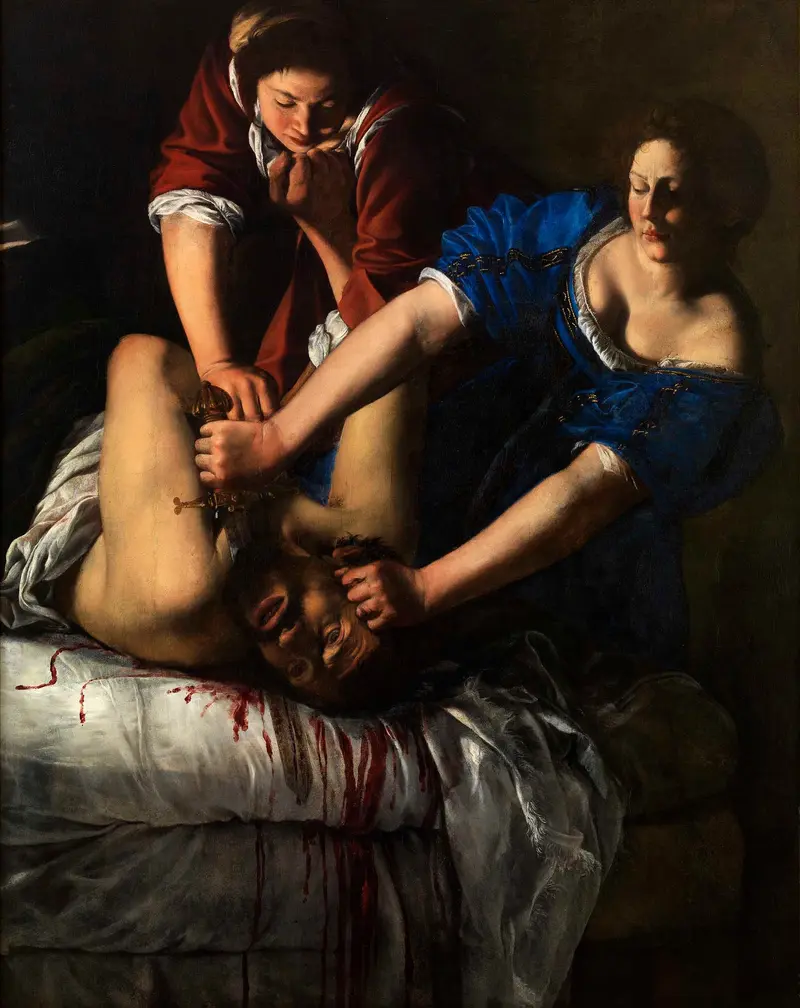
Judith Slaying Holofernes
Artemisia Gentileschi
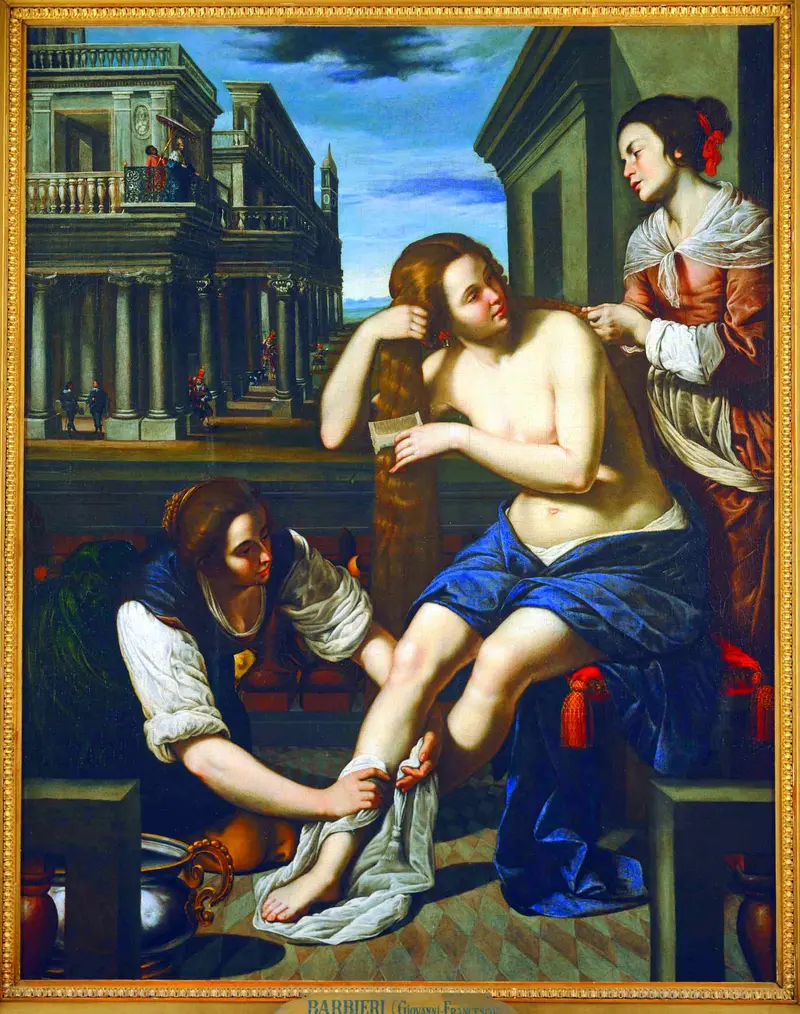
Bathsheba at Her Bath
Artemisia Gentileschi
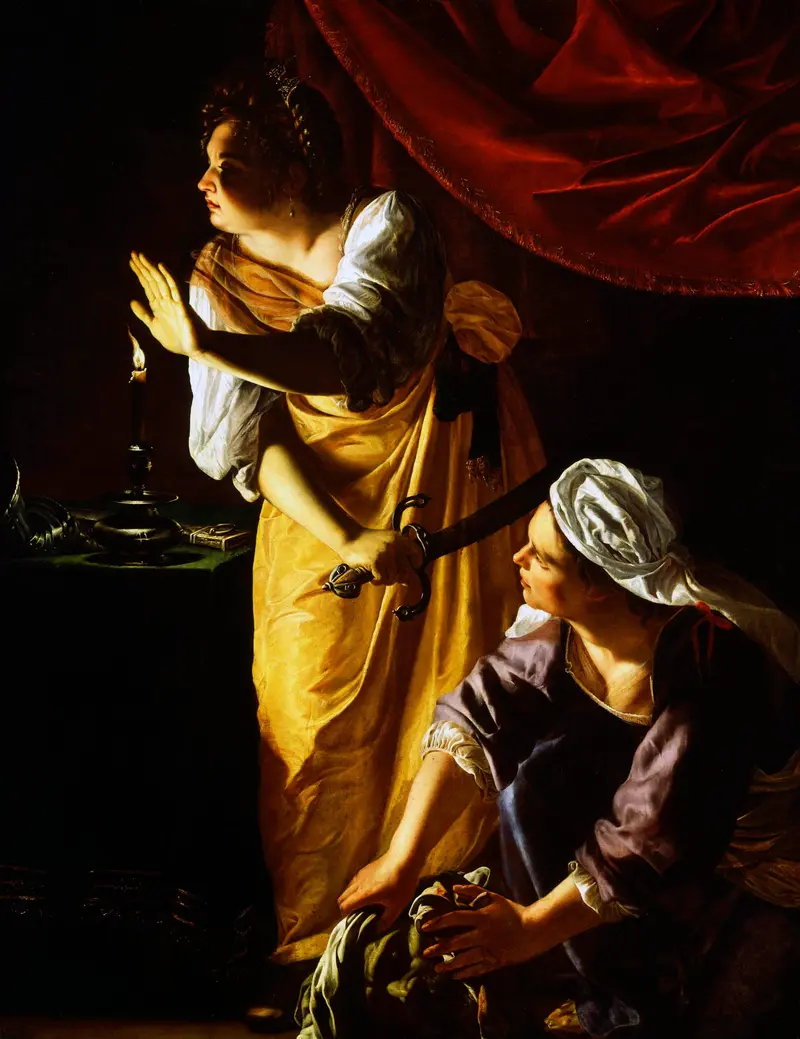
Judith and Maidservant with Head of Holofernes
Artemisia Gentileschi
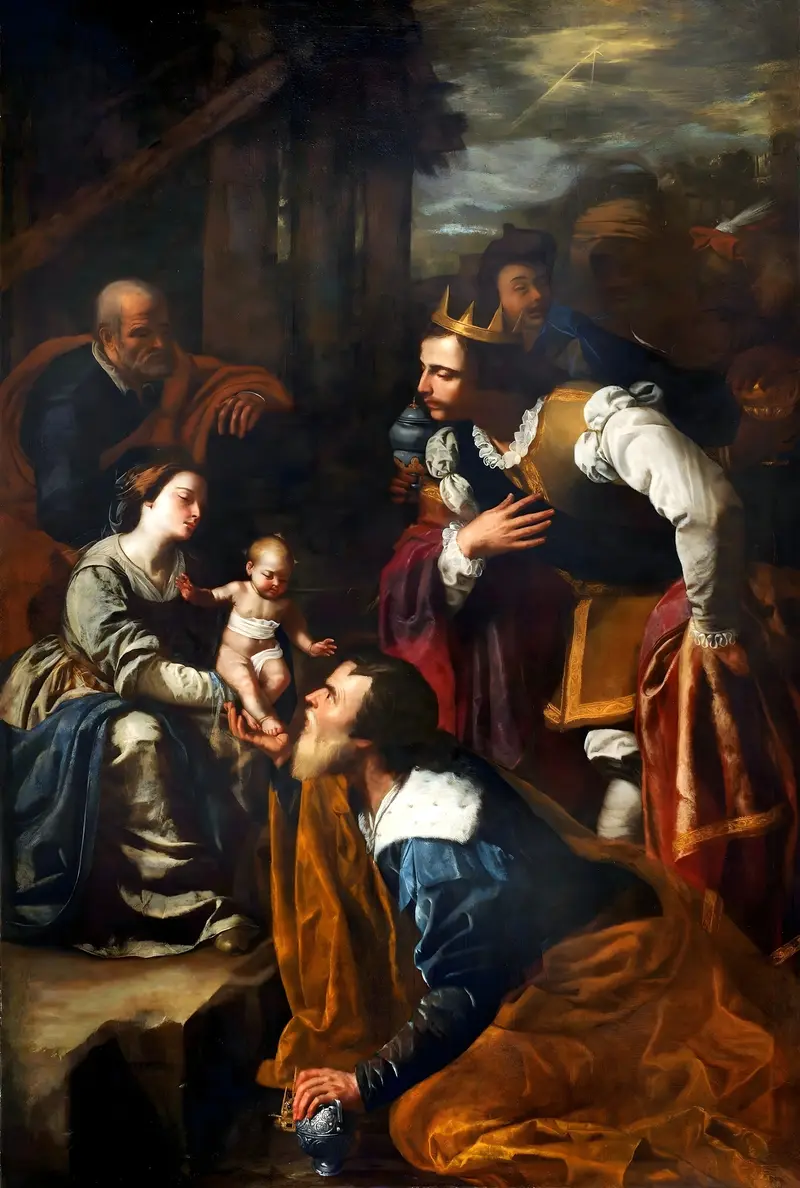
Adoration of the Magi
Artemisia Gentileschi
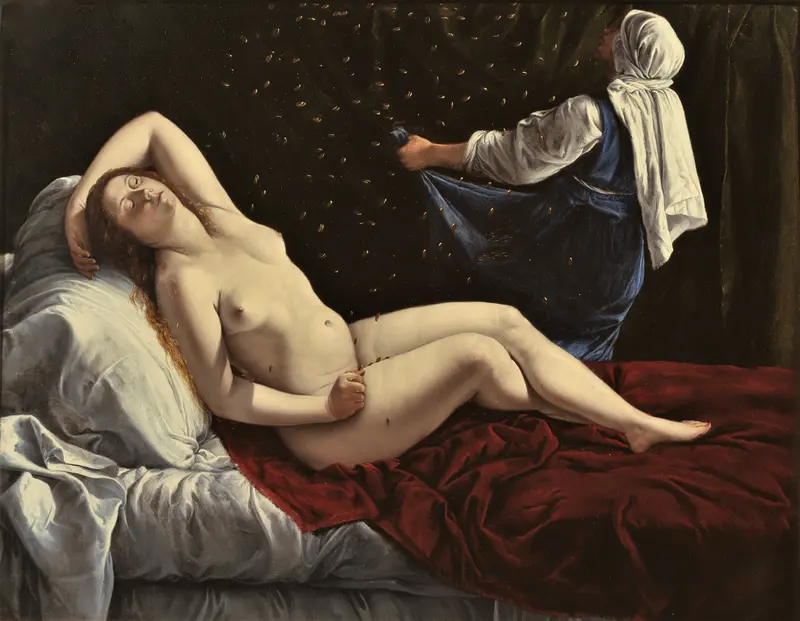
Danaë
Artemisia Gentileschi
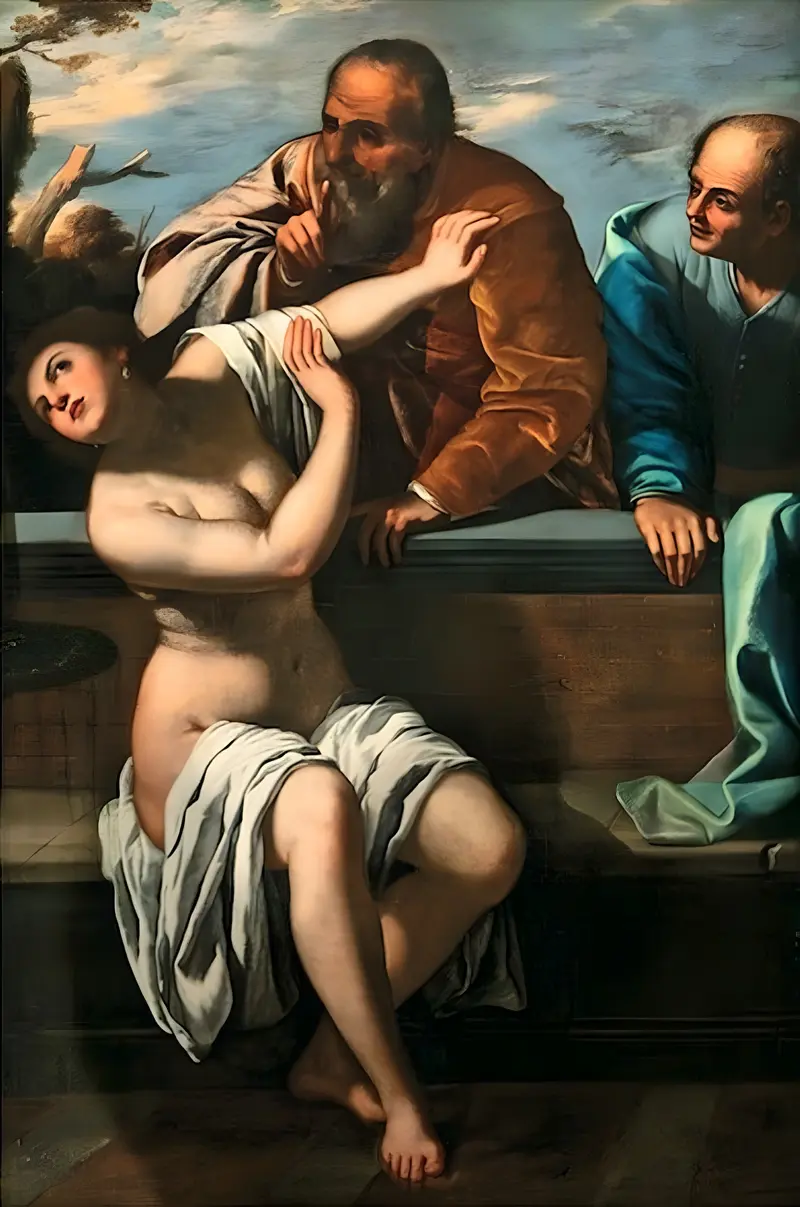
Susannah and the Elders
Artemisia Gentileschi

Judith and her Servant with the Head of Holofernes
Artemisia Gentileschi
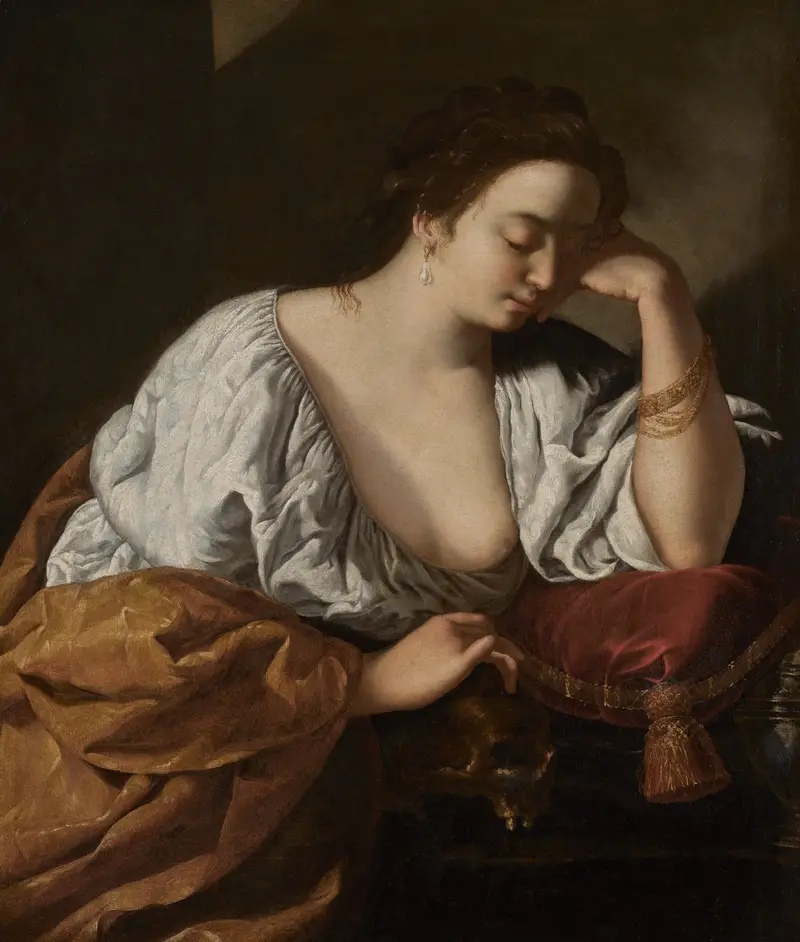
Madeleine pénitente, par
Artemisia Gentileschi
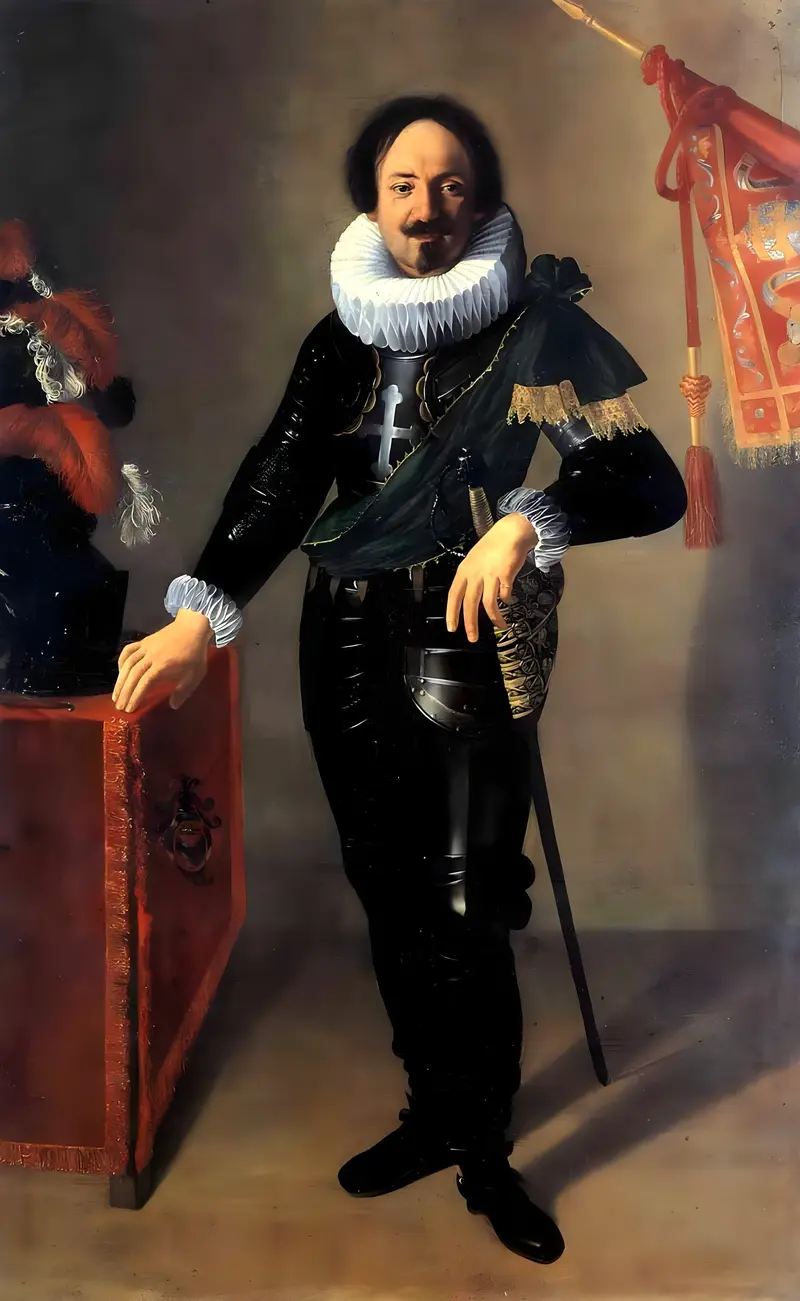
Portrait of a Gonfaloniere
Artemisia Gentileschi





