
Mademoiselle Brongniart — History & Facts
A young girl turns toward us, her gaze steady yet soft, as if she has just been interrupted at her work. The swirl of white fabric around her head and shoulders frames her face, drawing the eye to her thoughtful expression and the gentle flush of her cheeks. One hand holds a needle, poised above a swath of green cloth edged with violet ribbon, while a red ball of yarn rests on the table—a vivid punctuation in the otherwise calm palette.
The light falls across her arms and face, highlighting the delicate textures of skin and fabric, and inviting us to wonder what she is making, or for whom. The artist’s touch is visible in the careful rendering of the child’s curls and the luminous folds of her dress, giving the scene a quiet intimacy. Painted in the late eighteenth century, this portrait belongs to a world where the art of depicting children was undergoing a transformation. No longer mere symbols of family lineage or miniature adults, children in the hands of artists like Elisabeth Louise Vigée Le Brun became individuals with their own moods and inner lives.
Such works were often commissioned by families eager to capture the fleeting innocence of youth, and the painter’s reputation for warmth and psychological insight made her a favorite among the elite. While little is recorded about the specific history of this particular painting—its provenance, its sitters, or its journey to the present collection—its survival allows us to glimpse both the ideals and affections of its time. The quiet dignity of the sitter, caught between play and duty, invites us to linger and imagine the world behind her gentle eyes.
More Artworks by Elisabeth Louise Vigée Le Brun
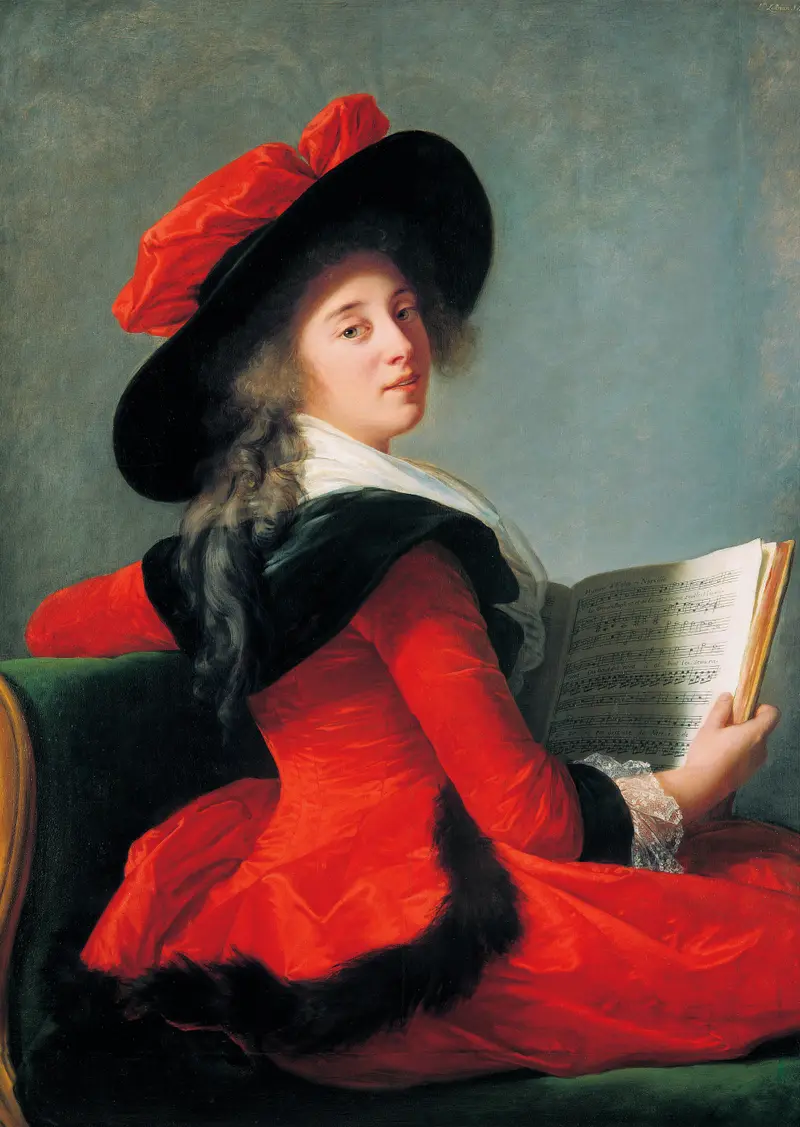
Baronne de Crussol
Elisabeth Louise Vigée Le Brun
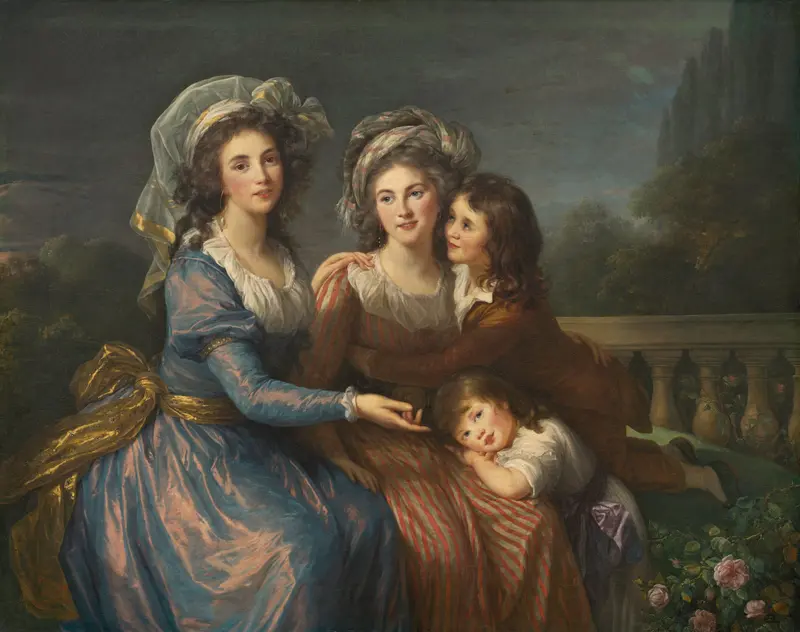
The Marquise de Pezay, and the Marquise de Rougé with Her Sons Alexis and Adrien
Elisabeth Louise Vigée Le Brun

Giuseppina Grassini Playing Zaire
Elisabeth Louise Vigée Le Brun
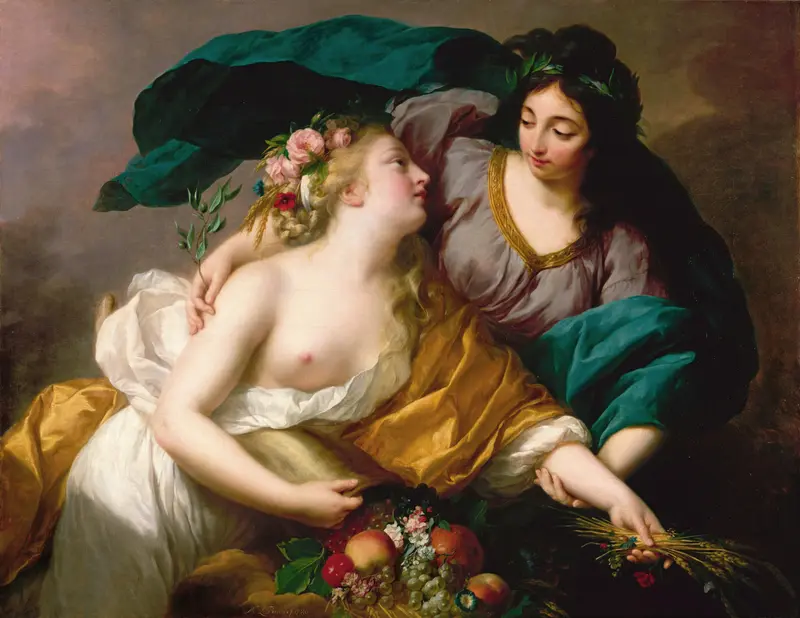
Peace bringing back Prosperity
Elisabeth Louise Vigée Le Brun
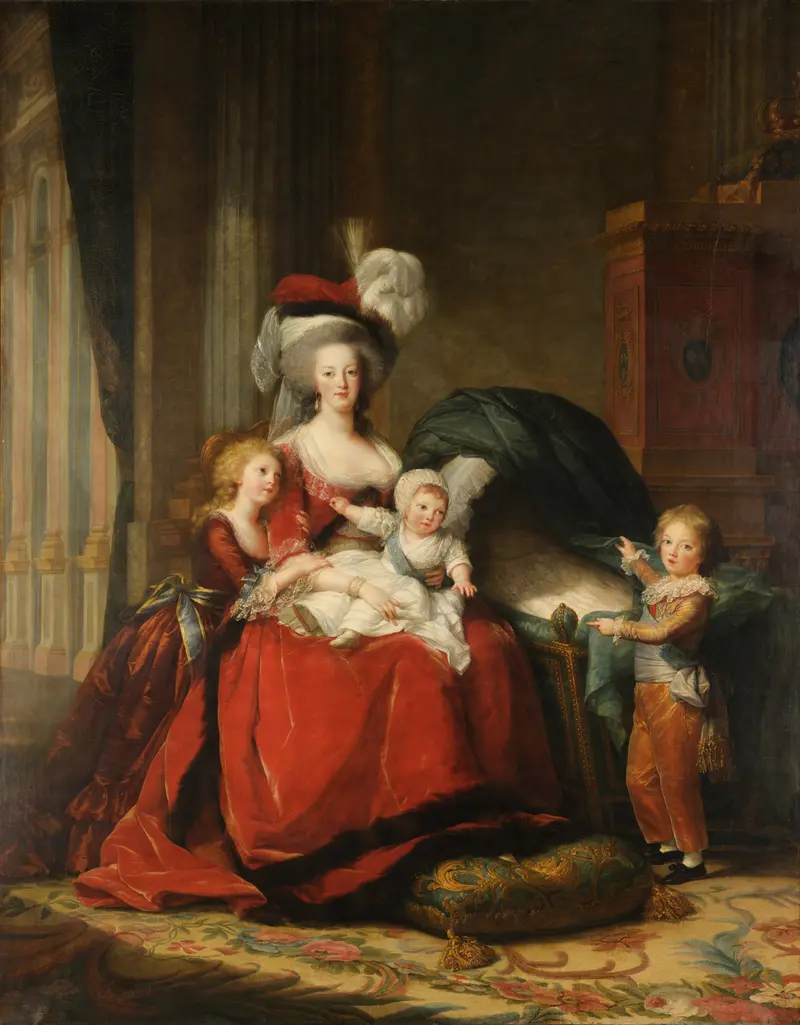
Marie Antoinette and Her Children
Elisabeth Louise Vigée Le Brun
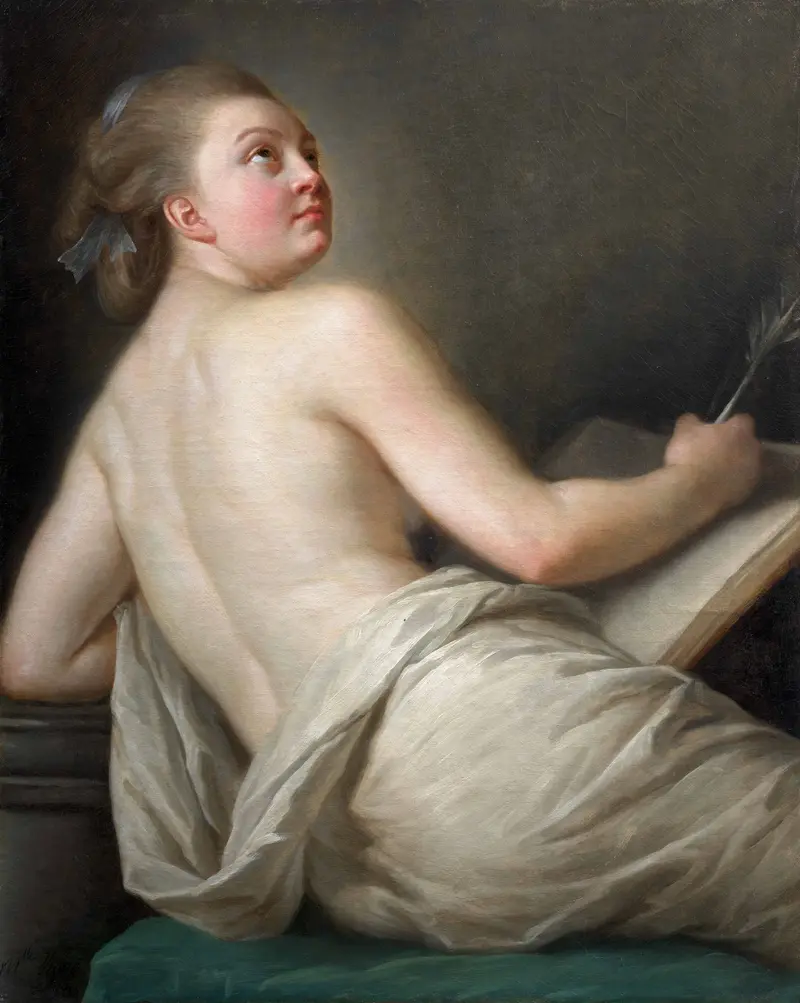
Allegory of Poetry
Elisabeth Louise Vigée Le Brun
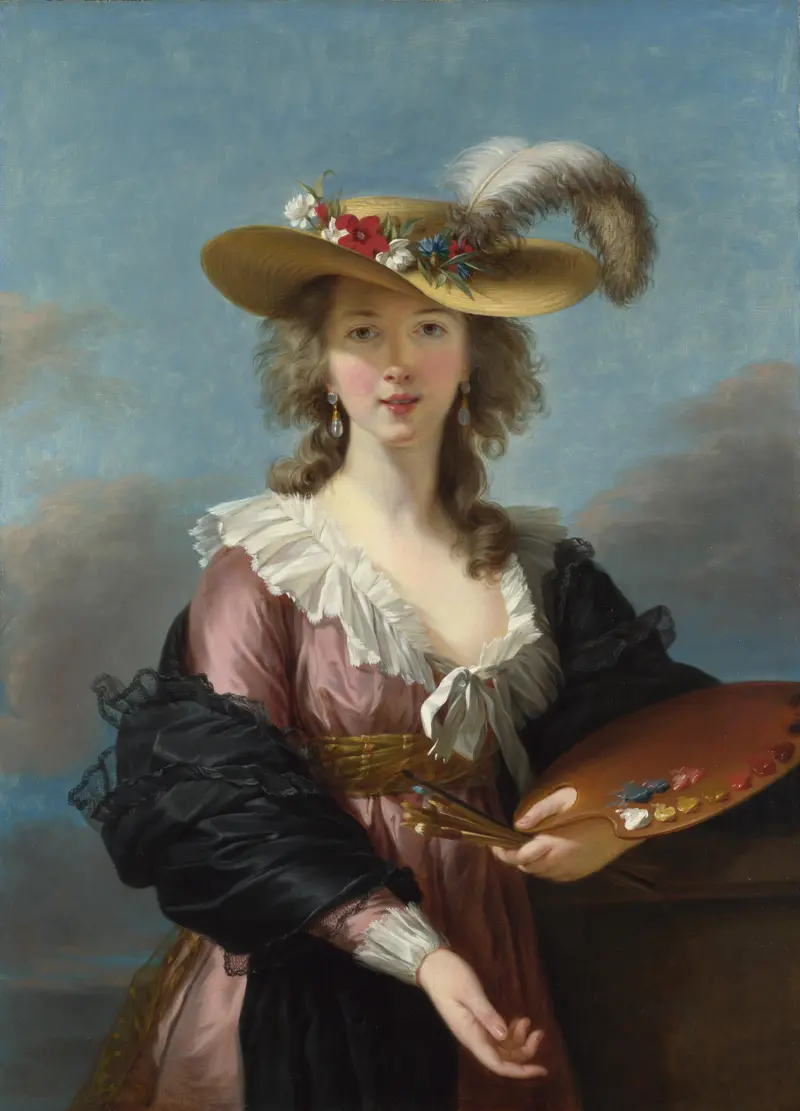
Self Portrait in a Straw Hat
Elisabeth Louise Vigée Le Brun
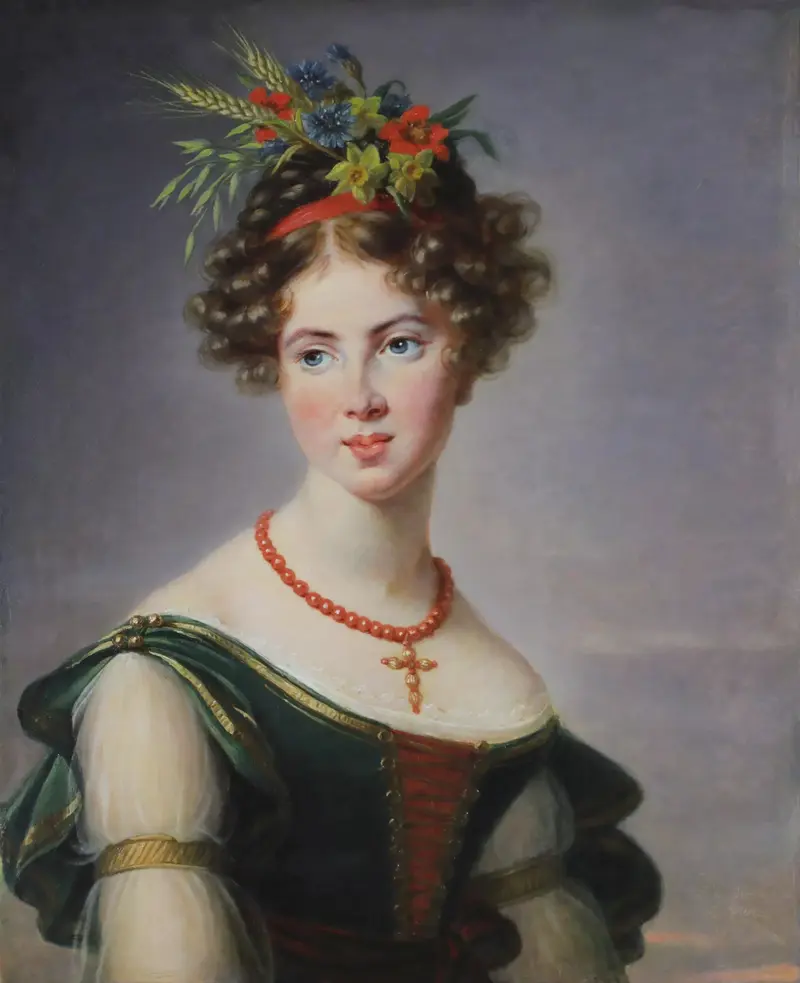
Portrait de la comtesse de Baussancourt, par Élisabeth Vigée Le Brun
Elisabeth Louise Vigée Le Brun

Hubert Robert
Elisabeth Louise Vigée Le Brun
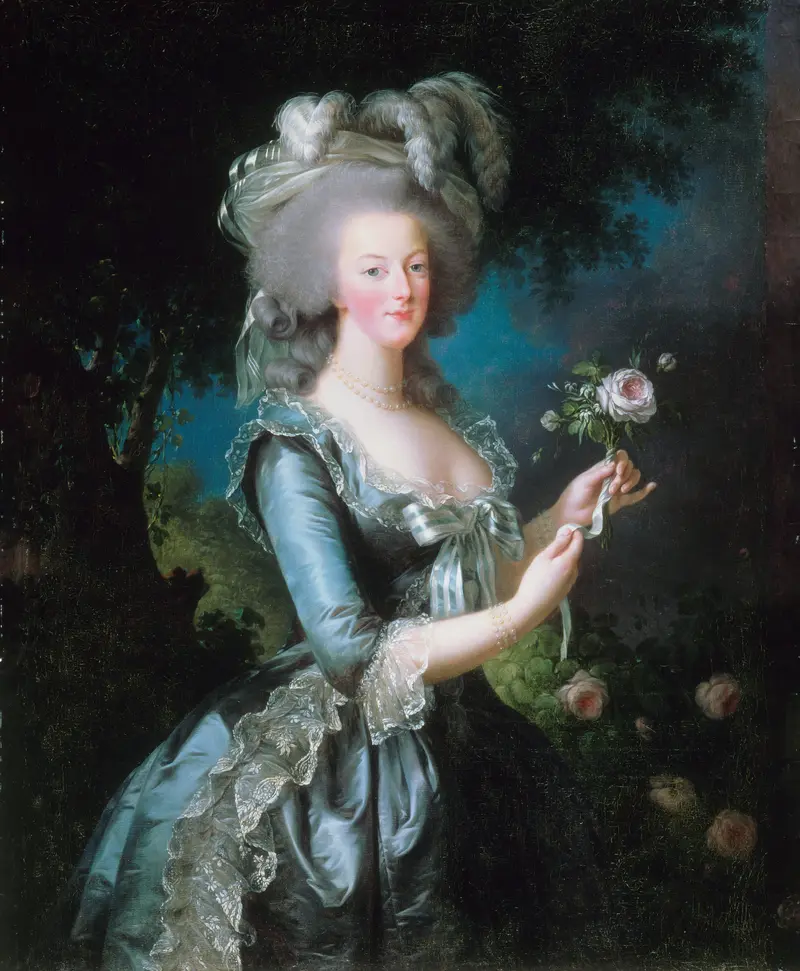
Marie Antoinette with a Rose
Elisabeth Louise Vigée Le Brun





