
Madonna di Loreto — History & Facts
When Madonna di Loreto was unveiled in 1606 in the church of Sant’Agostino in Rome, parishioners were scandalized: Caravaggio had painted the Virgin barefoot, and even more shockingly, he gave her visitors the dirty, calloused feet of real Roman peasants. The work’s realism was so intense that some contemporaries claimed they could recognize the models as local beggars. This was not the idealized, distant Madonna of tradition, but a figure rooted in the daily life of the city—an audacious move that sparked heated debate in the Roman art world. At the heart of the scene, two humble pilgrims kneel before the Madonna and Child, who appear in the doorway of a modest house.
Caravaggio captures the instant of devotion, their hands pressed together in prayer, faces weathered by travel and hope. The Virgin, holding the infant Christ, stands barefoot on the worn threshold, her figure illuminated by a shaft of light that cuts through the darkness—a visual sign of divine presence meeting earthly suffering. Unlike Raphael’s serene Madonnas, Caravaggio’s figures are unidealized and close to life, their humanity heightened by the dramatic play of light and shadow that became a hallmark of the Baroque. Commissioned by Ermete Cavalletti for his family chapel, Madonna di Loreto quickly became one of Caravaggio’s most discussed works, both admired and condemned for its bold naturalism.
The painting has remained in its original location in Sant’Agostino, surviving centuries of changing tastes and even the turbulence of Napoleonic occupation. Today, it is seen as a turning point in Caravaggio’s career, marking his mature style and his radical approach to sacred subjects—bringing the holy shockingly close to the world of the viewer.
More Artworks by Caravaggio
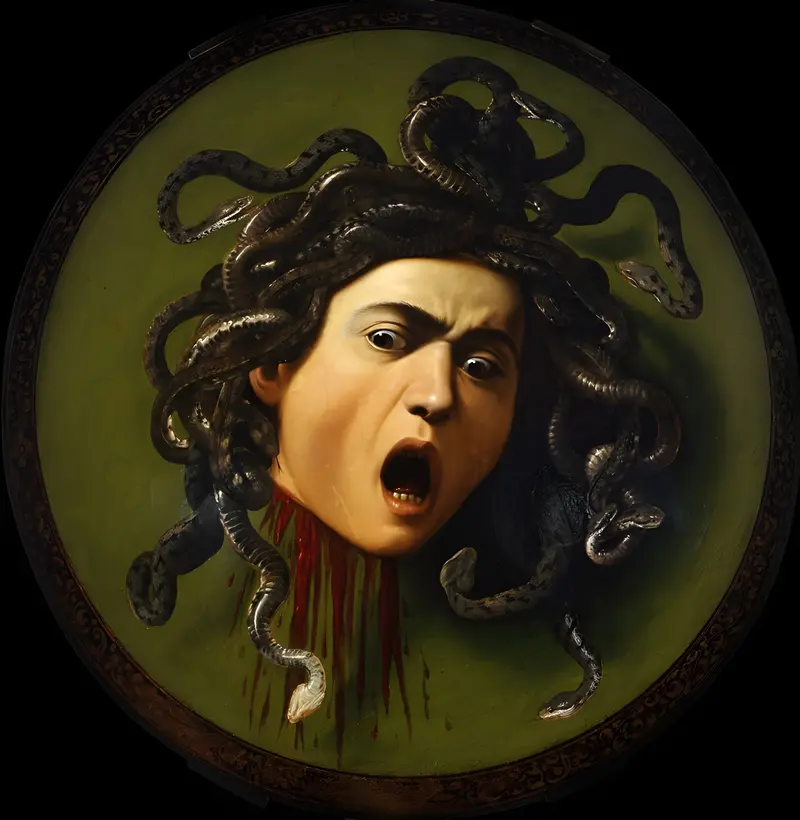
Medusa
Caravaggio
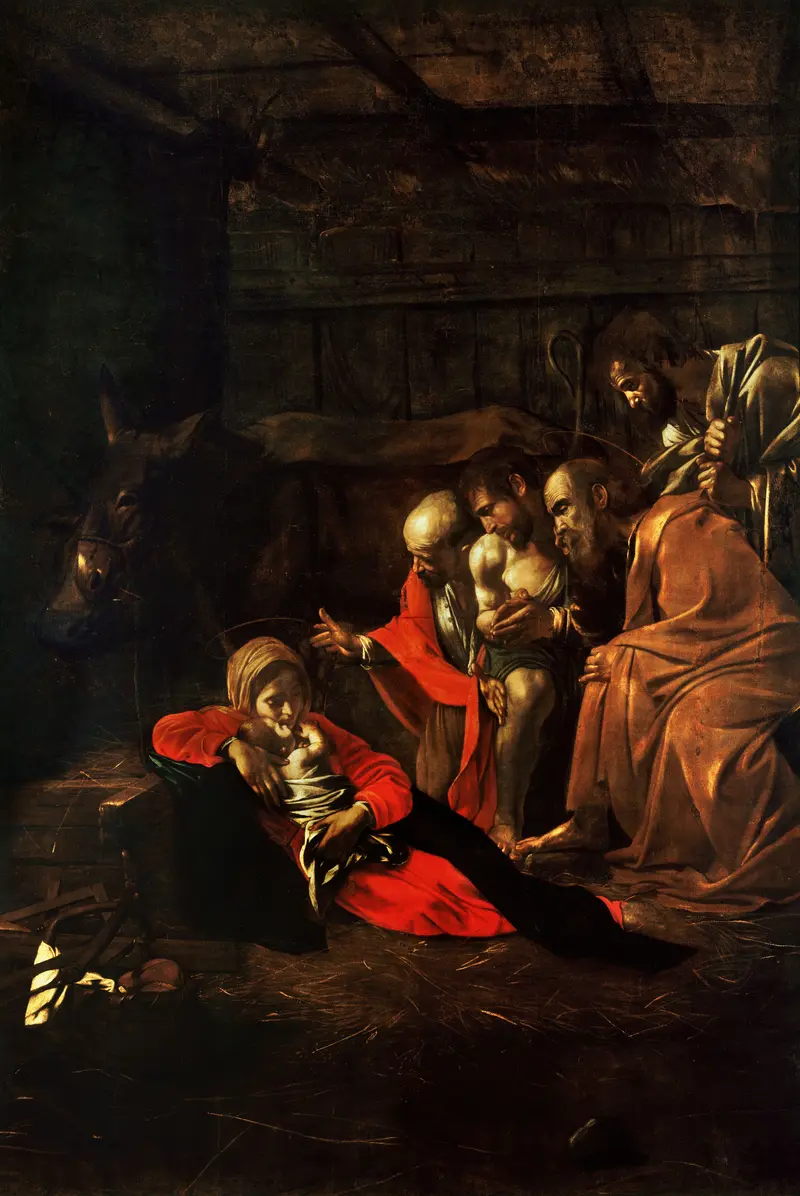
Adoration of the Shepherds
Caravaggio
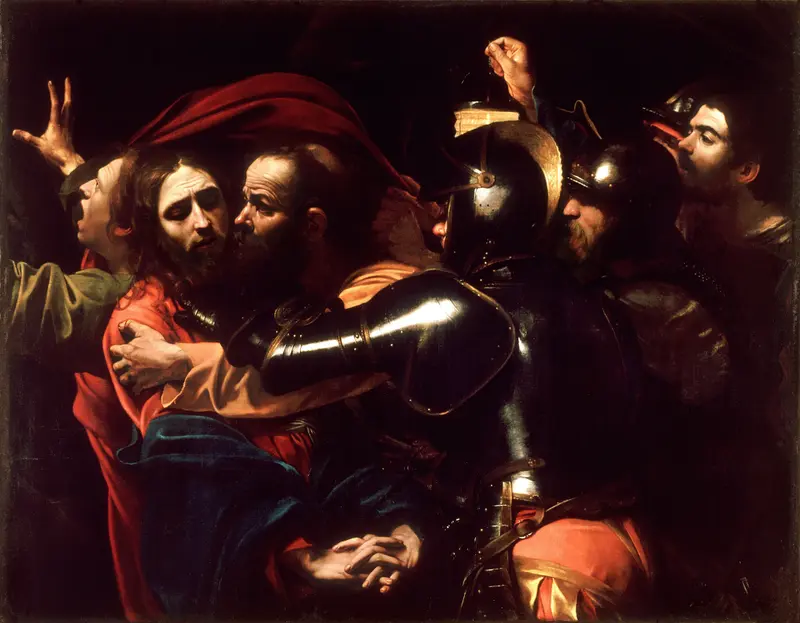
The Taking of Christ
Caravaggio
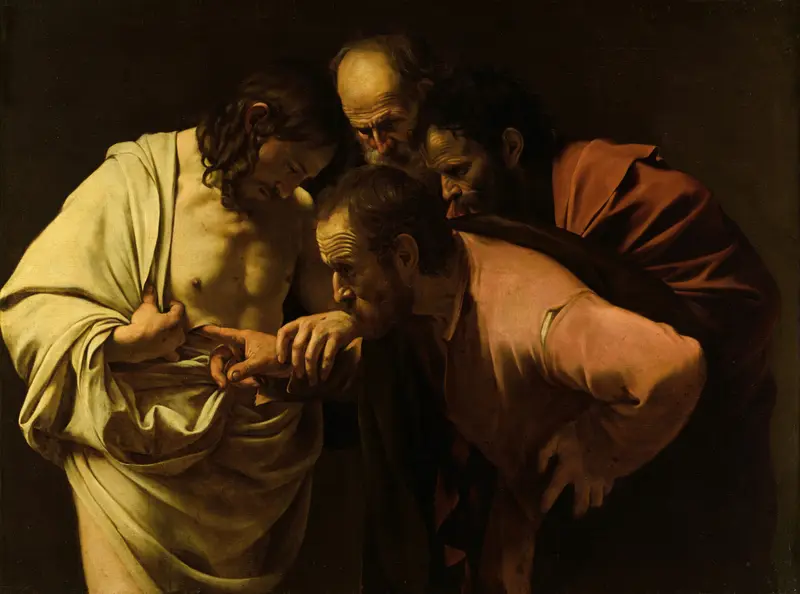
The Incredulity of Saint Thomas
Caravaggio
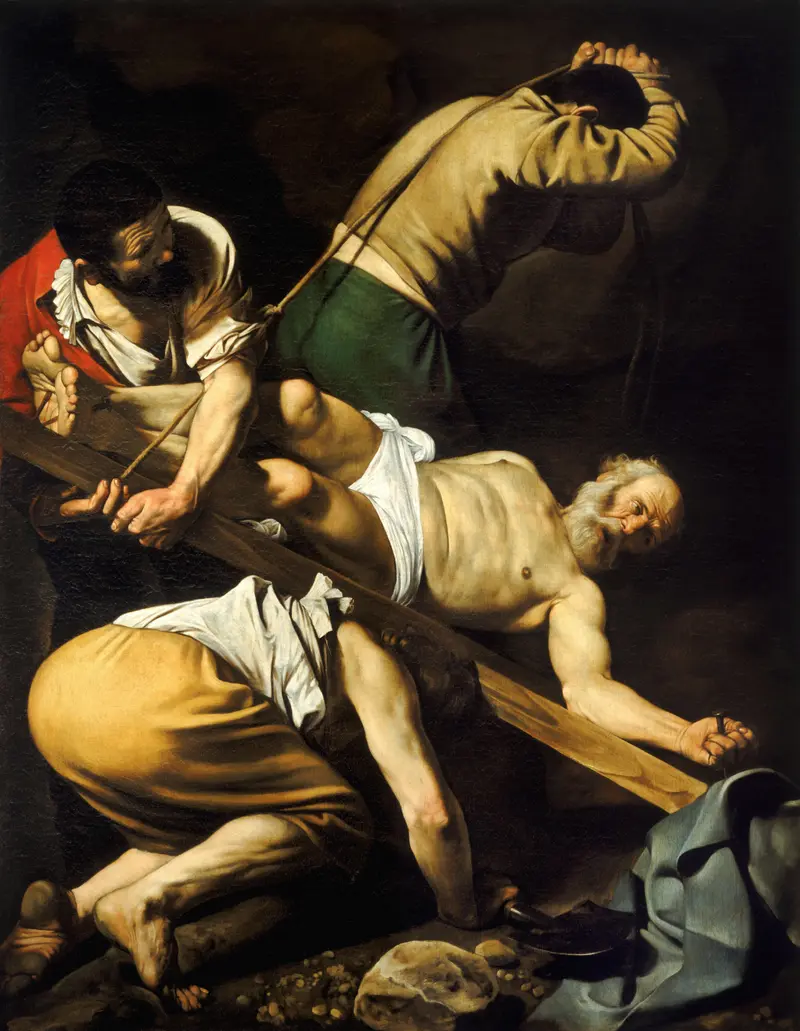
Crucifixion of Saint Peter
Caravaggio
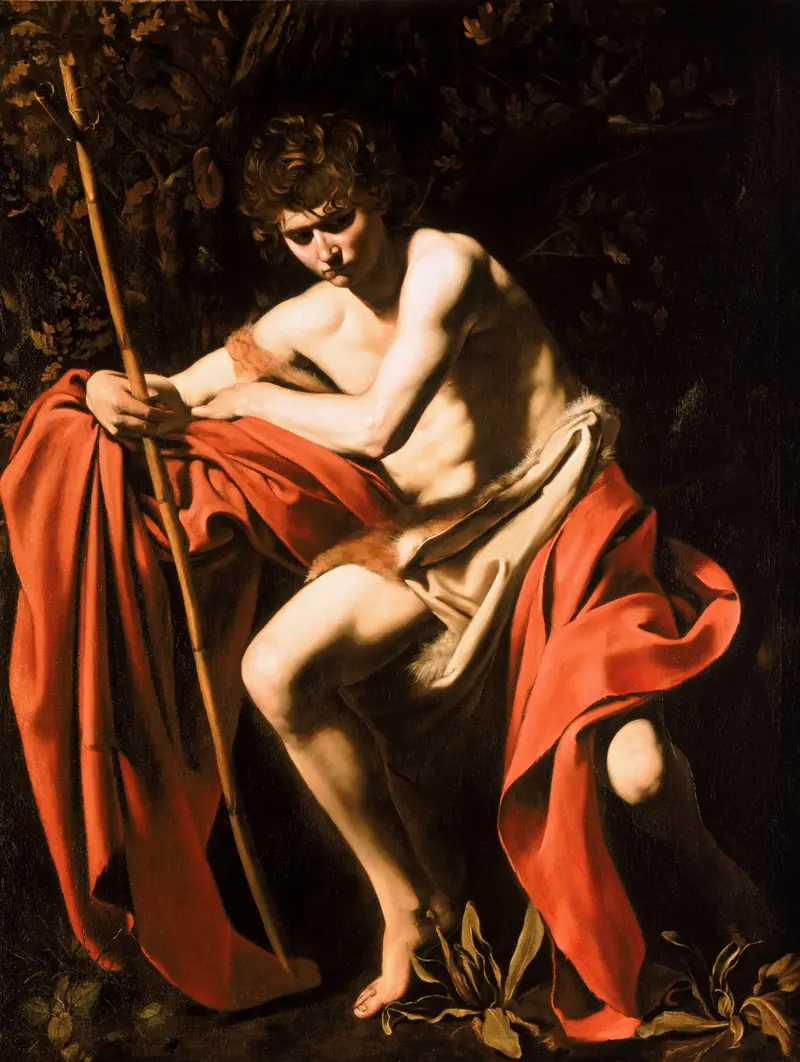
Saint John The Baptist In The Wilderness
Caravaggio

Saint Matthew and the angel
Caravaggio
The Inspiration of Saint Matthew
Caravaggio

Conversion on the Way to Damascus
Caravaggio
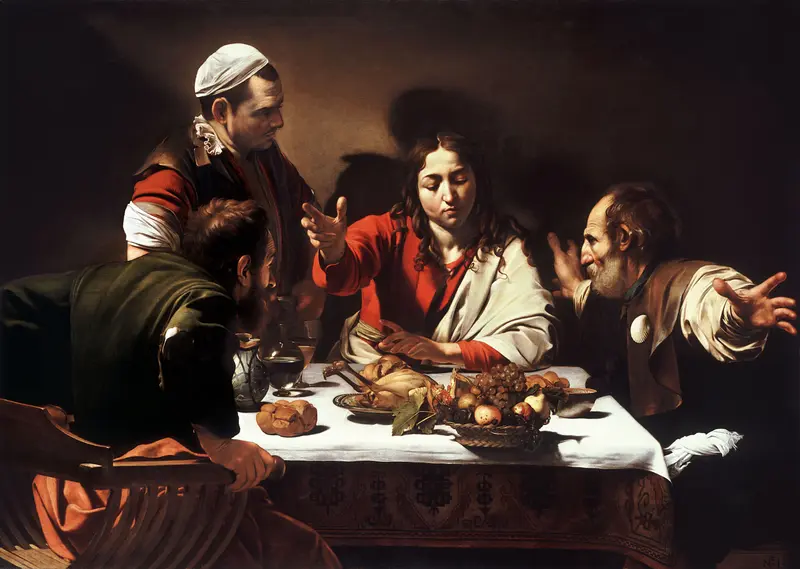
Supper at Emmaus
Caravaggio





