
Madonna of the Goldfinch — History & Facts
In Madonna of the Goldfinch, the Virgin Mary is depicted holding a goldfinch, symbolizing the passion of Christ. The painting is rich in color, with soft blues, warm reds, and delicate golds creating a harmonious composition. Mary is portrayed with a serene expression, surrounded by lush drapery and a gentle landscape in the background.
The goldfinch, perched in her hand, adds a lively touch to the scene. The painting is executed in oil on canvas, showcasing Tiepolo's skillful brushwork and attention to detail. The use of light is particularly notable, as it highlights the textures of Mary's garments and the soft feathers of the goldfinch. Tiepolo employs a Rococo style, characterized by its ornate details and graceful forms.
The dimensions of the artwork are approximately 90 x 120 cm, making it a substantial piece. Giovanni Battista Tiepolo was a prominent Italian painter of the Rococo period, known for his grand frescoes and vibrant color palette. Madonna of the Goldfinch reflects his ability to blend religious themes with a sense of lightness and joy. An interesting fact about this work is that it was likely commissioned for a private chapel, emphasizing its intimate and devotional nature.
Tiepolo's influence can be seen in the way he captures the beauty of the human figure and the natural world.
More Artworks by Giovanni Battista Tiepolo
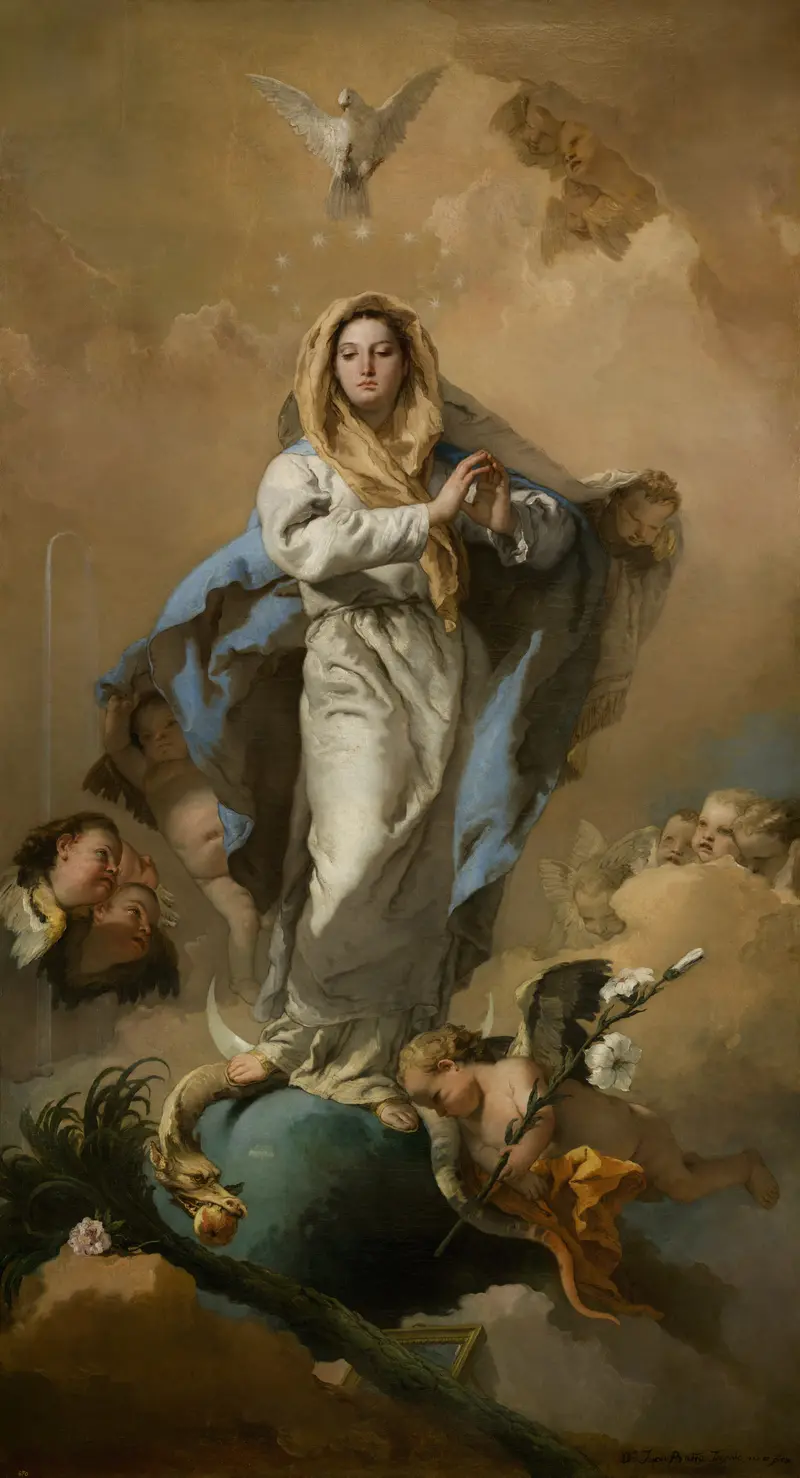
The Immaculate Conception
Giovanni Battista Tiepolo
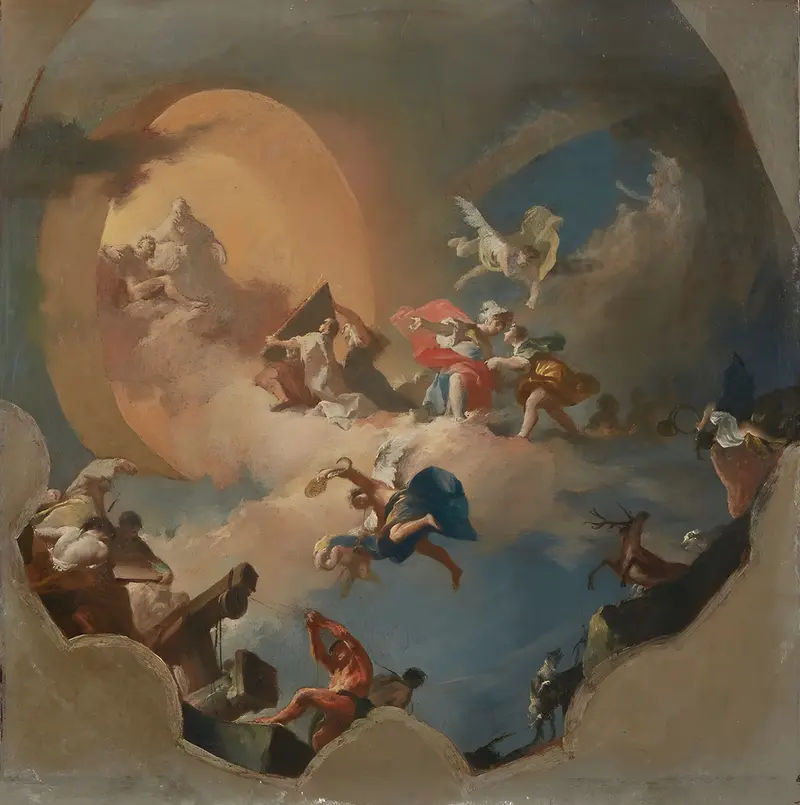
The Apotheosis of the Arts
Giovanni Battista Tiepolo
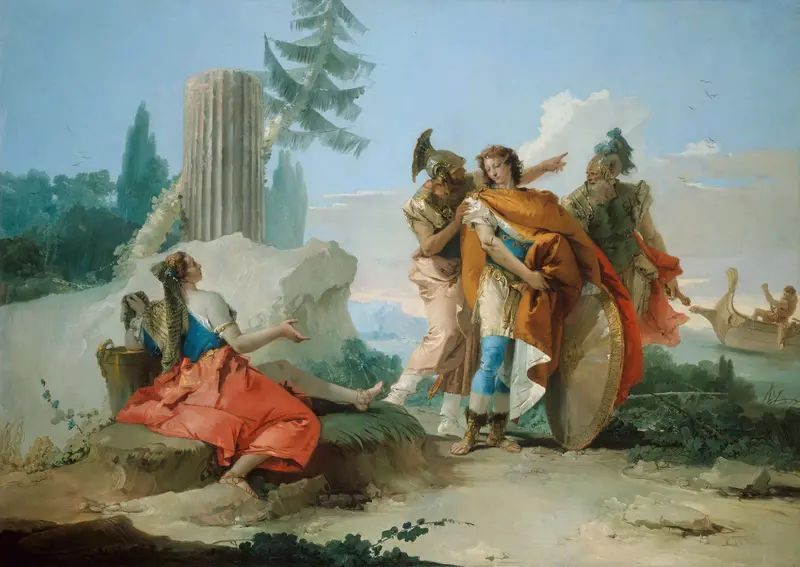
Armida Abandoned by Rinaldo
Giovanni Battista Tiepolo
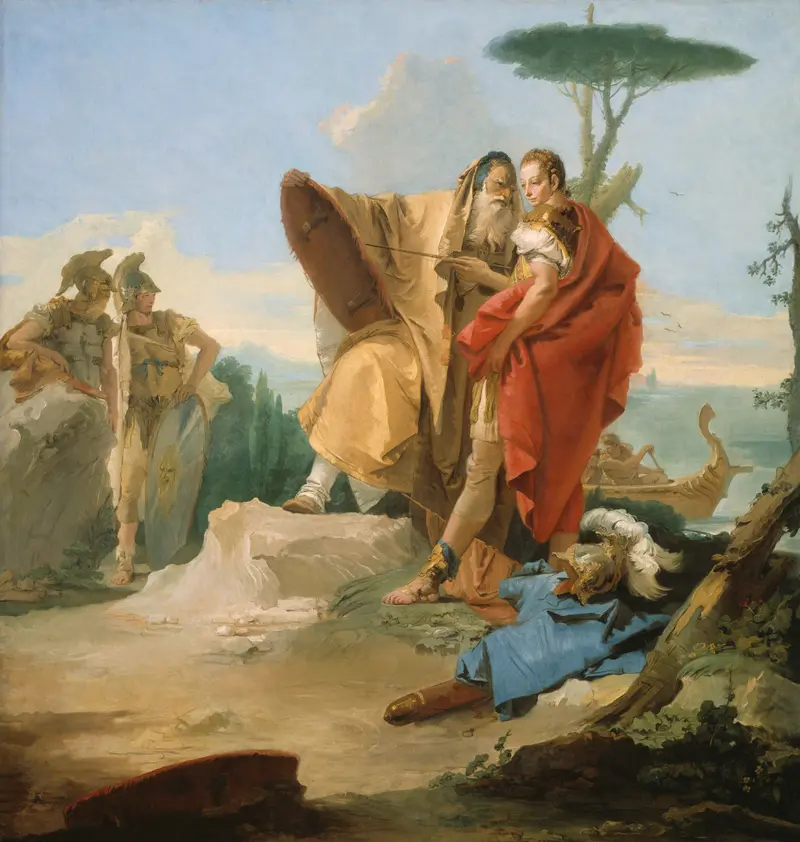
Rinaldo and the Magus of Ascalon
Giovanni Battista Tiepolo
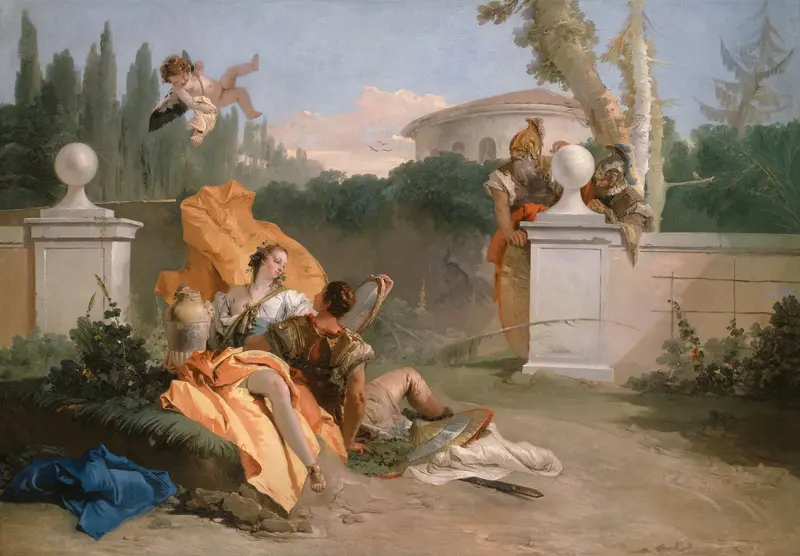
Rinaldo and Armida in Her Garden
Giovanni Battista Tiepolo
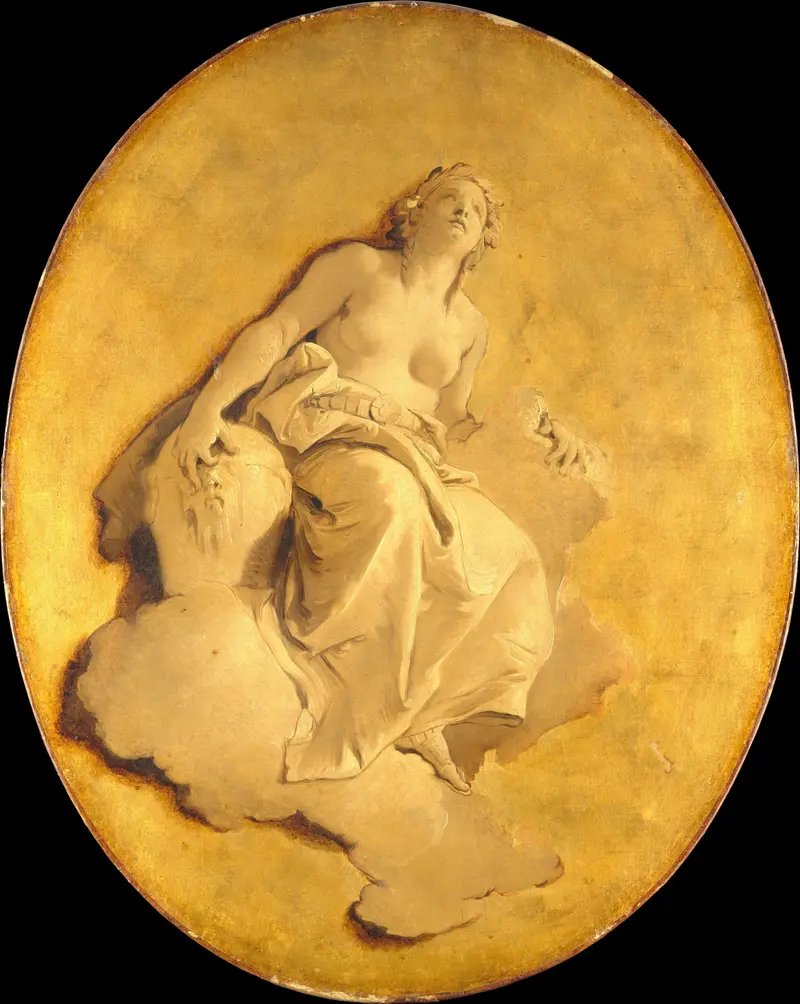
A Female Allegorical Figure
Giovanni Battista Tiepolo
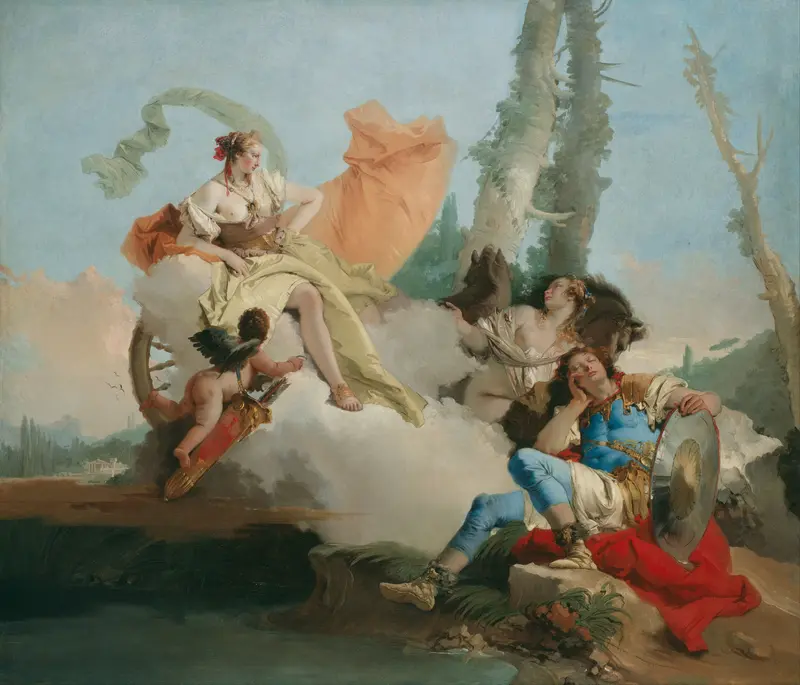
Armida Encounters the Sleeping Rinaldo
Giovanni Battista Tiepolo
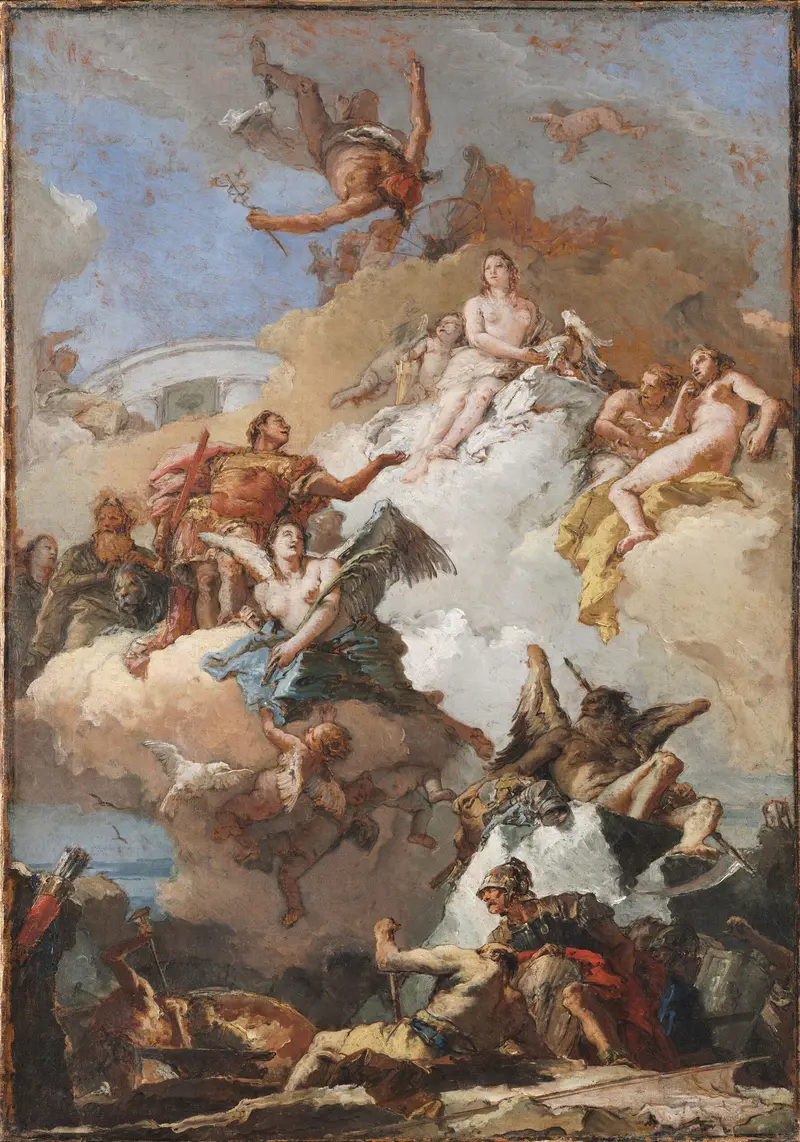
The Apotheosis of Aeneas
Giovanni Battista Tiepolo
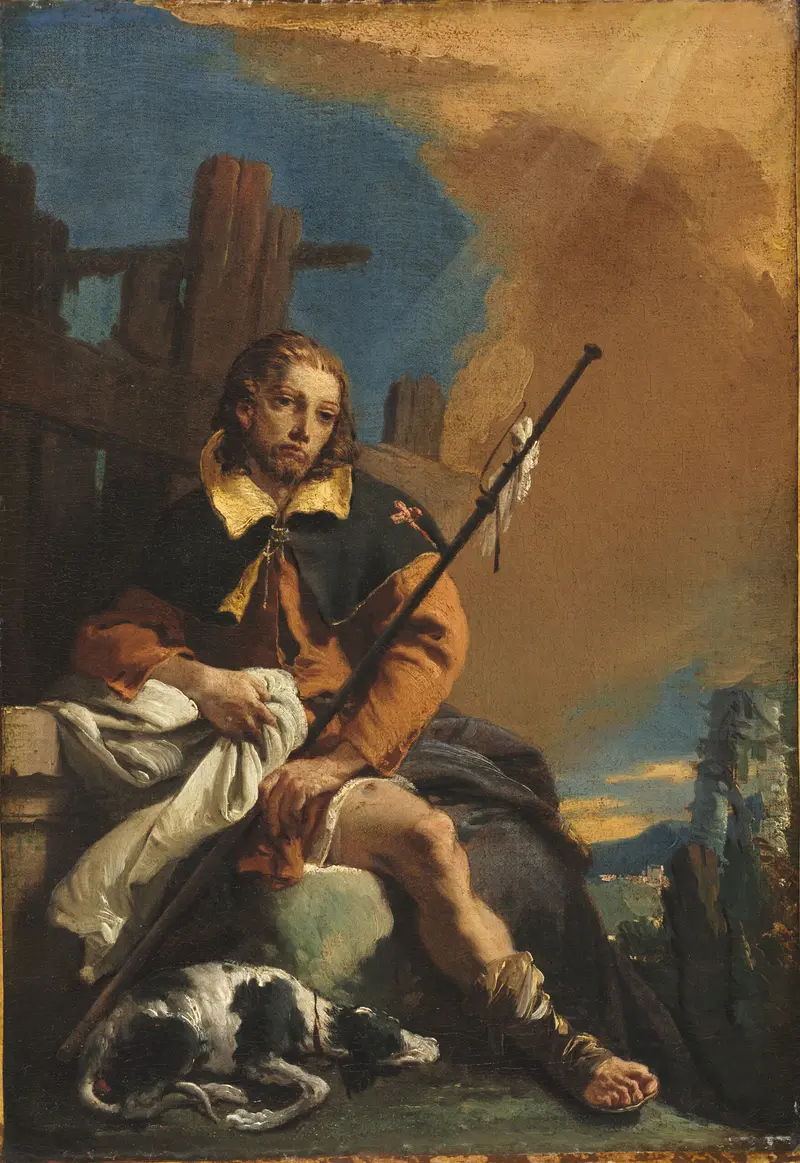
Saint Roch as a Pilgrim
Giovanni Battista Tiepolo
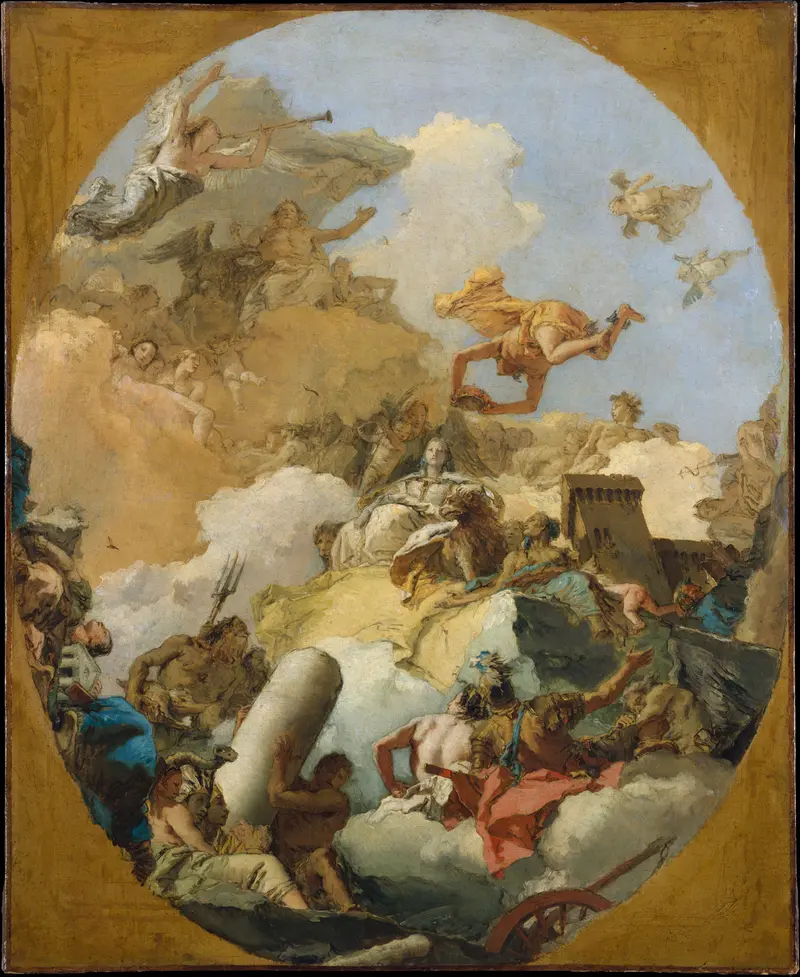
The Apotheosis of the Spanish Monarchy
Giovanni Battista Tiepolo





