
Madonna of the Star — History & Facts
No one can say with certainty why Fra Angelico painted Madonna of the Star with such a striking, radiant burst behind the Virgin’s head, but the motif became so beloved that it gave the work its enduring name. The painting, created around 1434, is one of the earliest known depictions where the Madonna is crowned not just with a halo, but with a star—an element that would echo through Marian iconography for centuries. While its original patron is lost to history, the work was likely intended for private devotion, a precious object for contemplation in a Florentine home or small chapel. At the heart of the scene sits the Madonna, cradling the Christ Child with a gentle, almost protective gesture.
Her gaze is lowered, her hands delicately supporting the infant, whose own hand rises in blessing. The star itself, rendered in gold leaf, radiates from behind her head, signifying Mary’s title as “Stella Maris,” the guiding star for Christians. The deep blue of her mantle, a costly pigment in Fra Angelico’s day, marks her purity and status.
Unlike the more elaborate, crowded compositions of Gentile da Fabriano or later Renaissance artists, Fra Angelico chooses a tender intimacy, focusing the viewer’s attention on the quiet exchange between mother and child. The journey of Madonna of the Star as an object is less documented than some of Fra Angelico’s grander altarpieces. Its small scale and devotional character suggest it remained in private hands for centuries, possibly passing through monastic collections before entering the public sphere. Today, it is recognized as a pivotal work from the artist’s early period, bridging the Gothic tradition and the new clarity of the Renaissance.
Fra Angelico would go on to paint more monumental Madonnas, but here, in this intimate panel, we see the beginnings of his serene, luminous style that Vasari would later praise as “truly angelic.”
More Artworks by Fra Angelico

Condemnation of St Lawrence by the Emperor Valerian
Fra Angelico
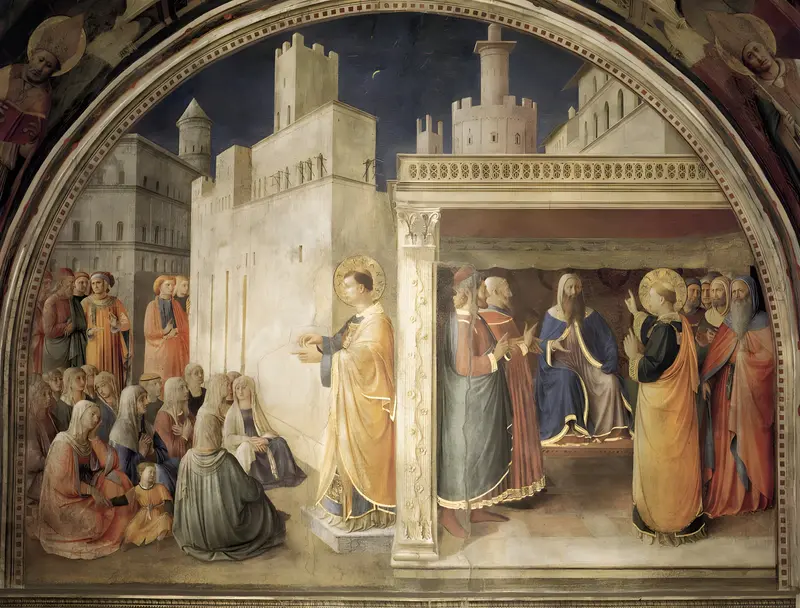
Lunette of the north wall
Fra Angelico
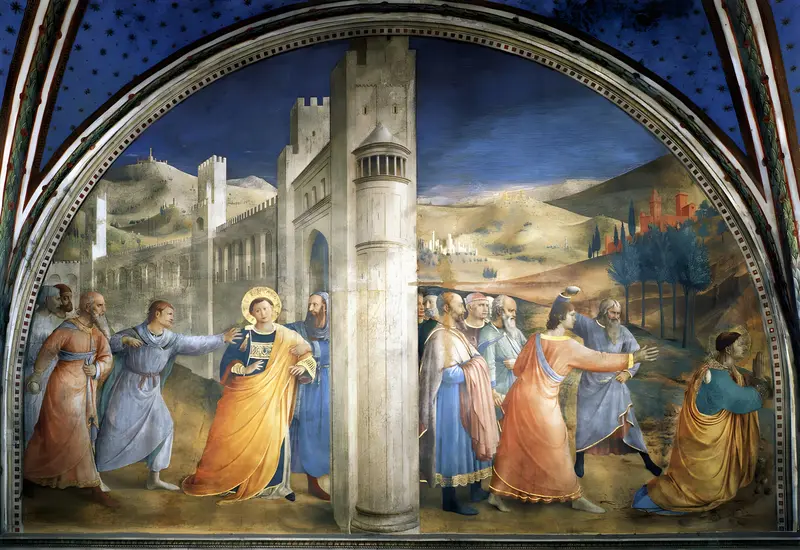
Lunette of the east wall in Niccoline Chapel
Fra Angelico
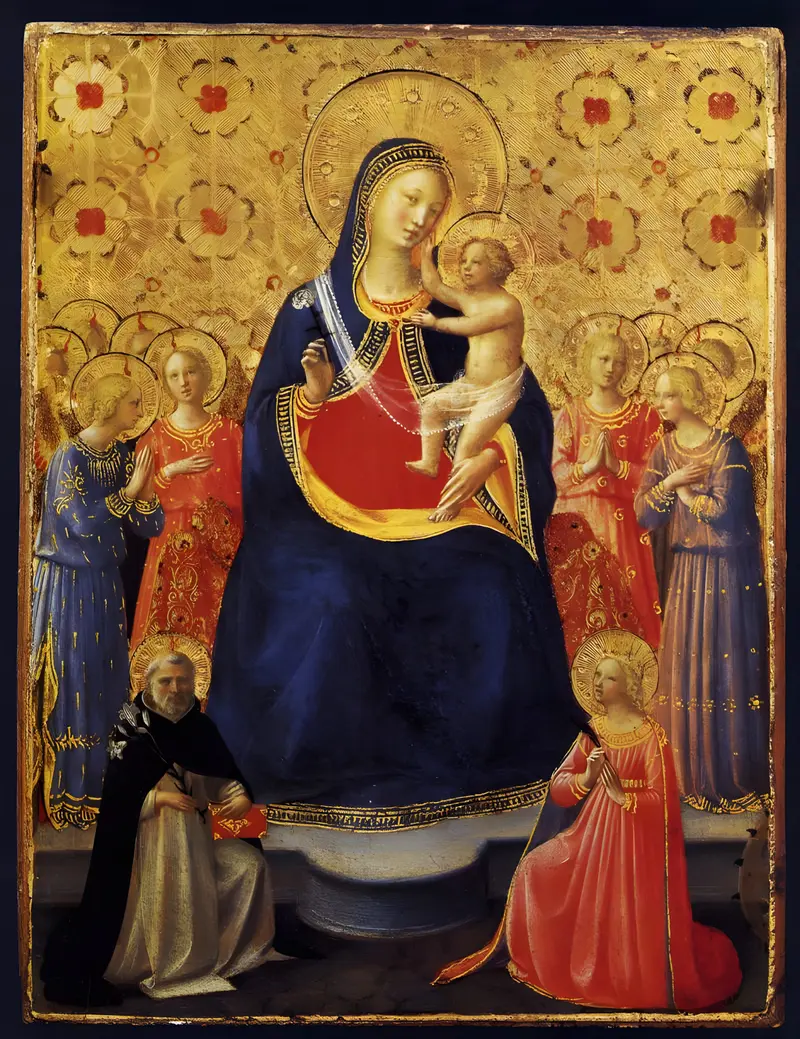
Madonna and Child Enthroned with Nine Angels and Saints Dominic and Catherine of Alexandria
Fra Angelico
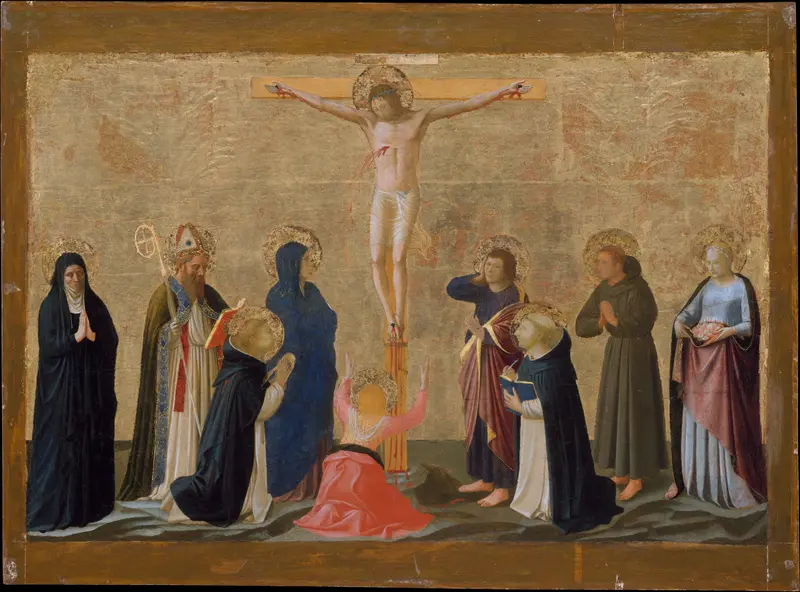
The Crucifixion
Fra Angelico
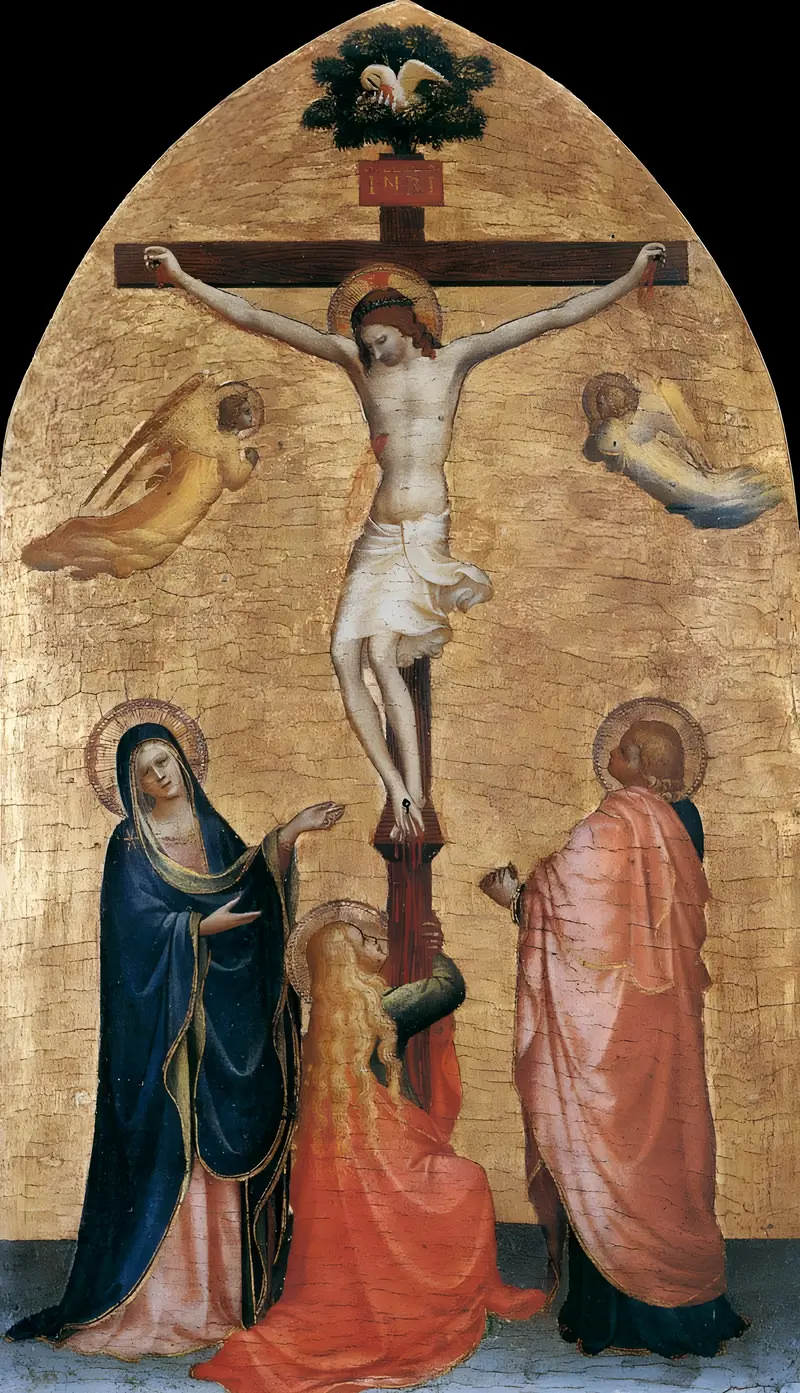
Crucifixion with the Virgin, John the Evangelist, and Mary Magdelene
Fra Angelico
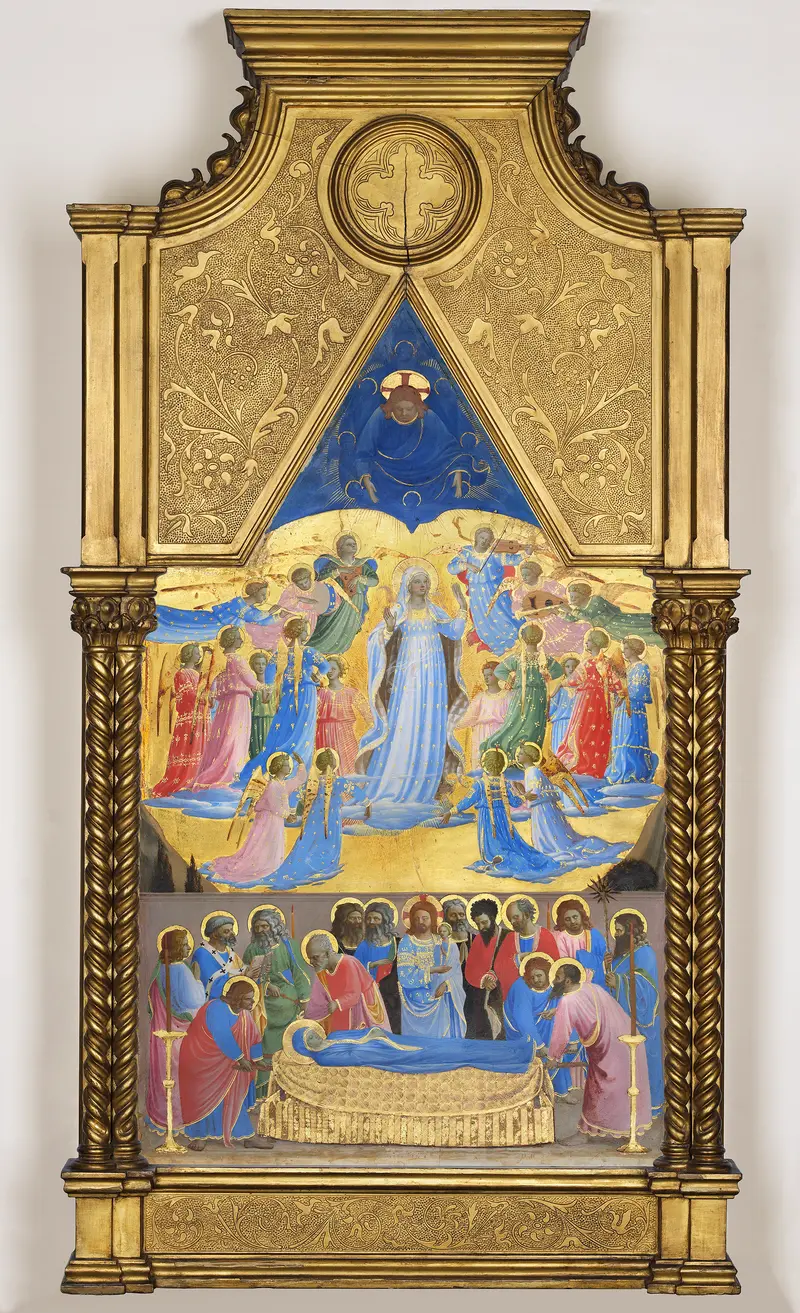
Dormition and Assumption of the Virgin
Fra Angelico
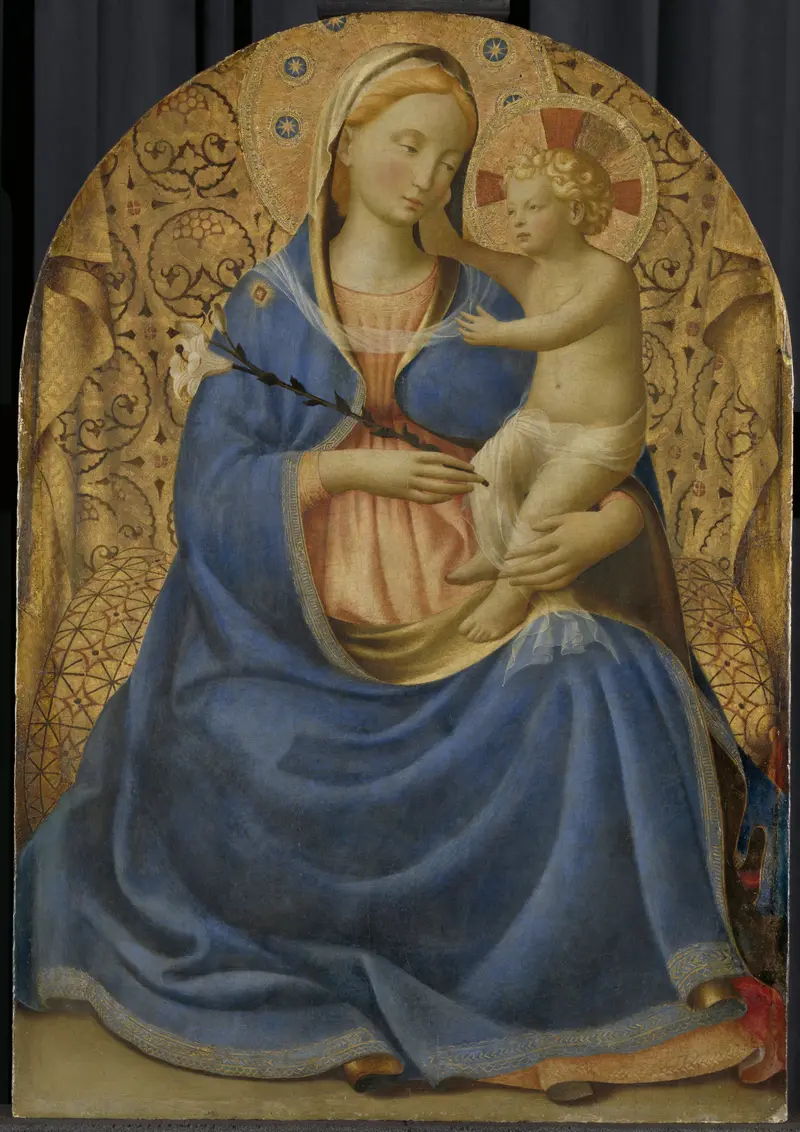
Madonna of Humility
Fra Angelico
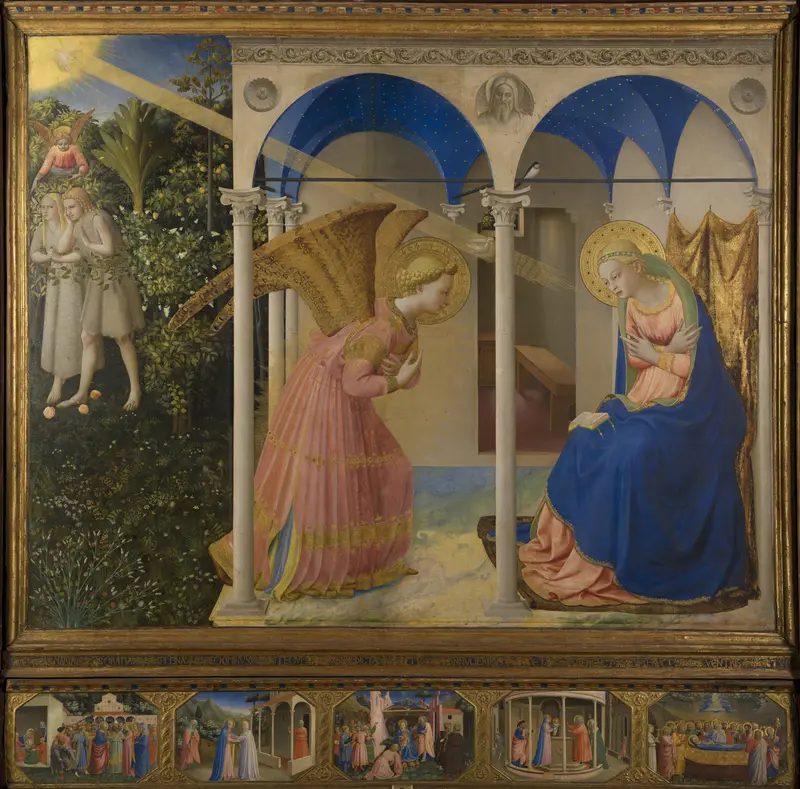
The Annunciation
Fra Angelico

Saint Anthony Abbot
Fra Angelico





