
Man van Smarten — History & Facts
Did the painter know this moment would outlive them? The depiction of violence, both physical and emotional, resonates through centuries, demanding reflection on society's darkest truths. Focus on the center, where a forlorn figure stands amidst a chaotic scene. The somber palette of browns and muted greens anchors the viewer's gaze, while the intricate details—veins of rage in the faces surrounding him—convey a palpable tension. Notice how the light falls harshly across the man’s features, accentuating his sorrow and resilience.
Each brushstroke serves to amplify the emotional landscape, drawing attention to the conflict raging within and around him. Hidden within this tumultuous tableau are layers of meaning that speak to the human condition. The contrast between the serene demeanor of the central figure and the frenzy of violence around him invites contemplation of despair and helplessness. The juxtaposition of the crowd’s wrath against his stoic acceptance suggests a deeper narrative about suffering, sacrifice, and the weight of existence.
This moment encapsulates not just an event but a timeless struggle against the forces that seek to obliterate one’s humanity. Painted in 1517, this work emerged during a period of significant upheaval in Europe, marked by the Reformation and shifting social dynamics. Lucas van Leyden, then a young artist, was deeply influenced by the changing landscape of art and society, navigating the fine line between realism and emotion in his creations. This painting captures not only the historical moment but also the artist's personal exploration of violence and its enduring impact on the human spirit.
More Artworks by Lucas van Leyden
Browse all →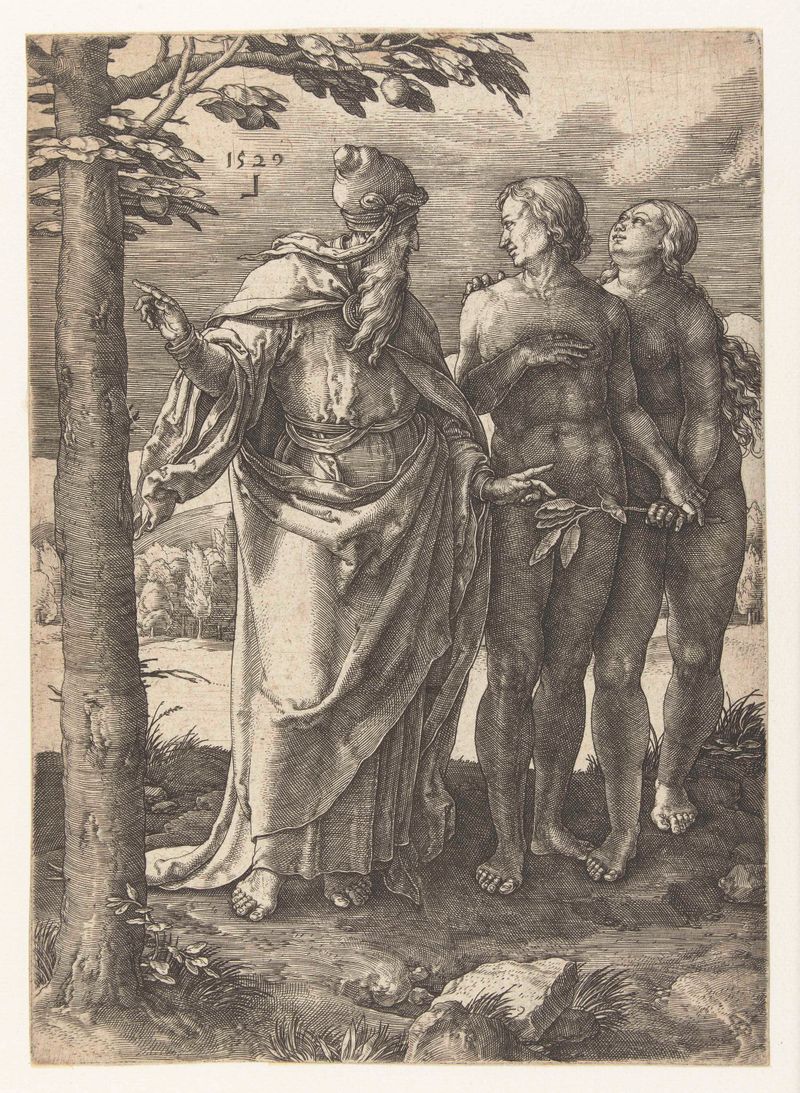
Het eerste verbod
Lucas van Leyden
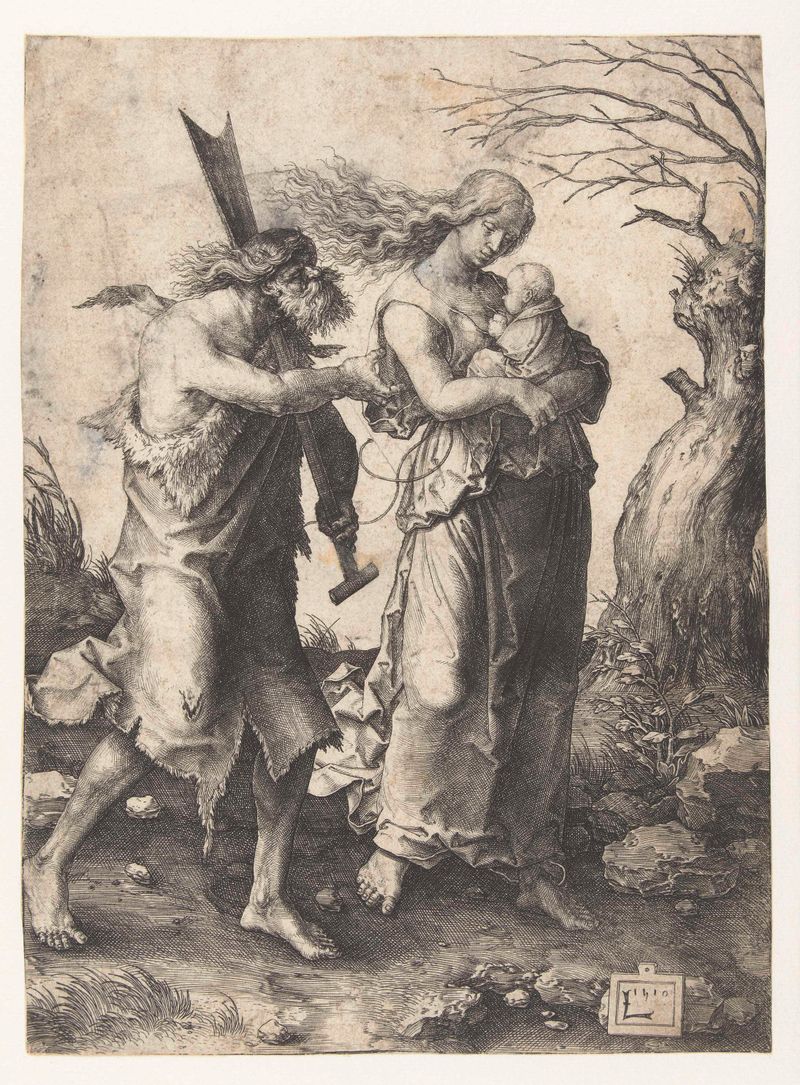
Adam en Eva na de verdrijving uit het paradijs
Lucas van Leyden
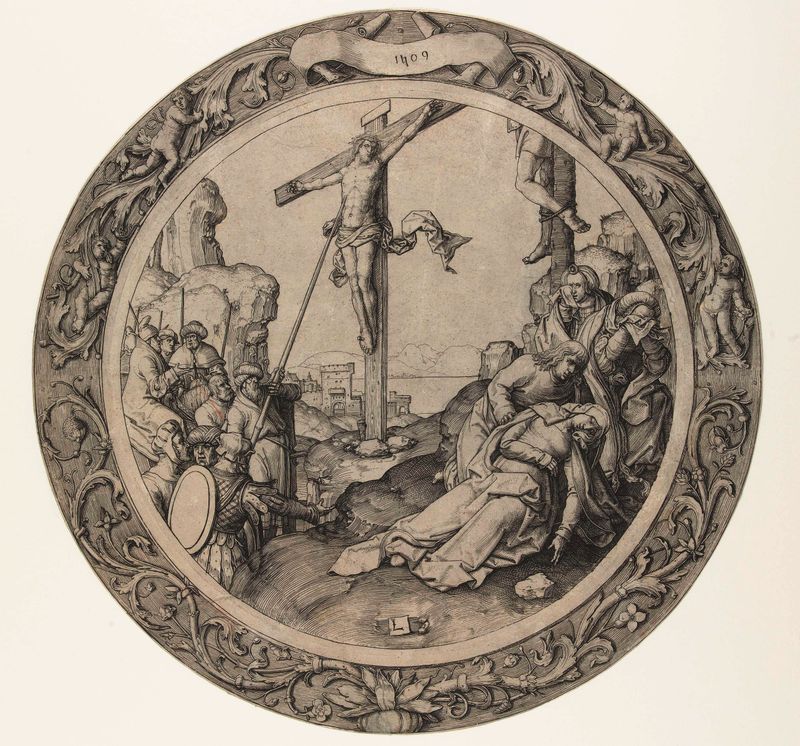
De kruisiging
Lucas van Leyden
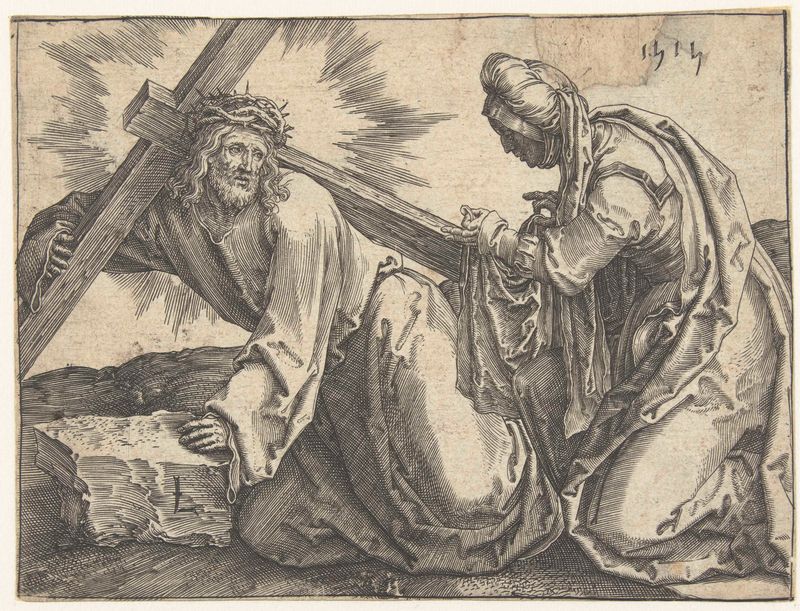
Kruisdraging
Lucas van Leyden
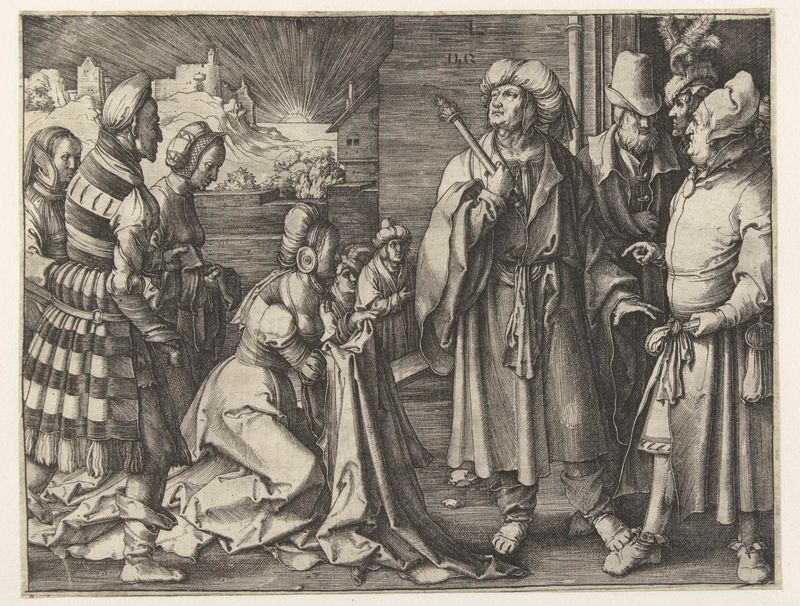
De vrouw van Potifar beschuldigt Jozef
Lucas van Leyden
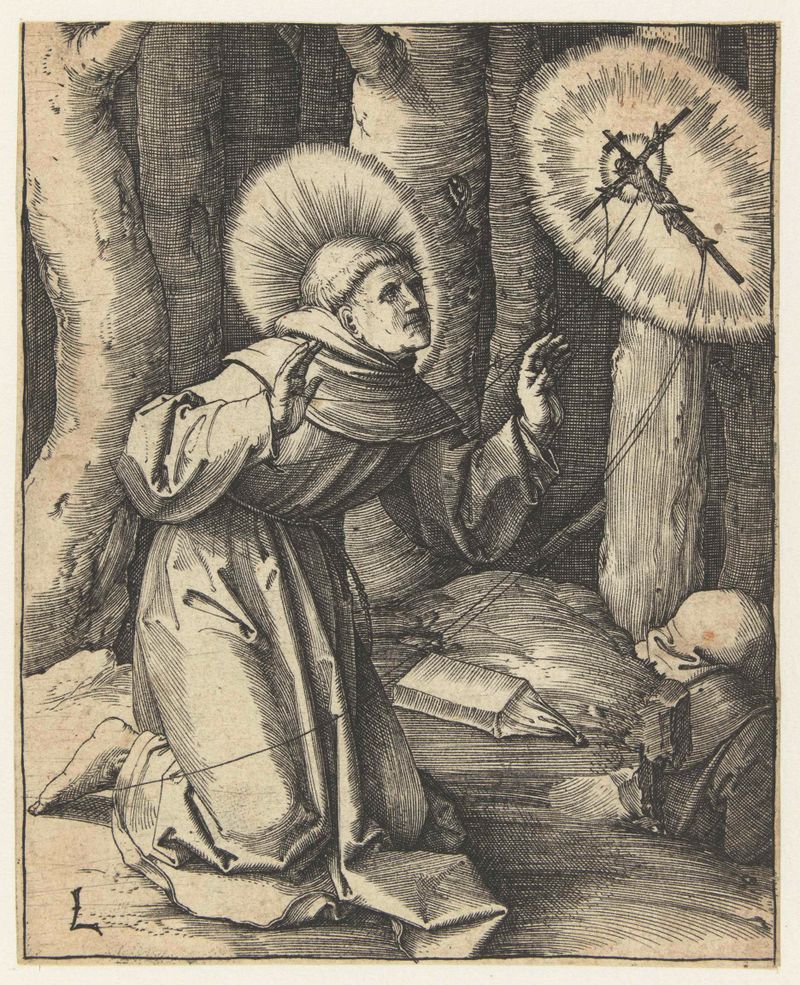
De stigmatisatie van de heilige Franciscus
Lucas van Leyden
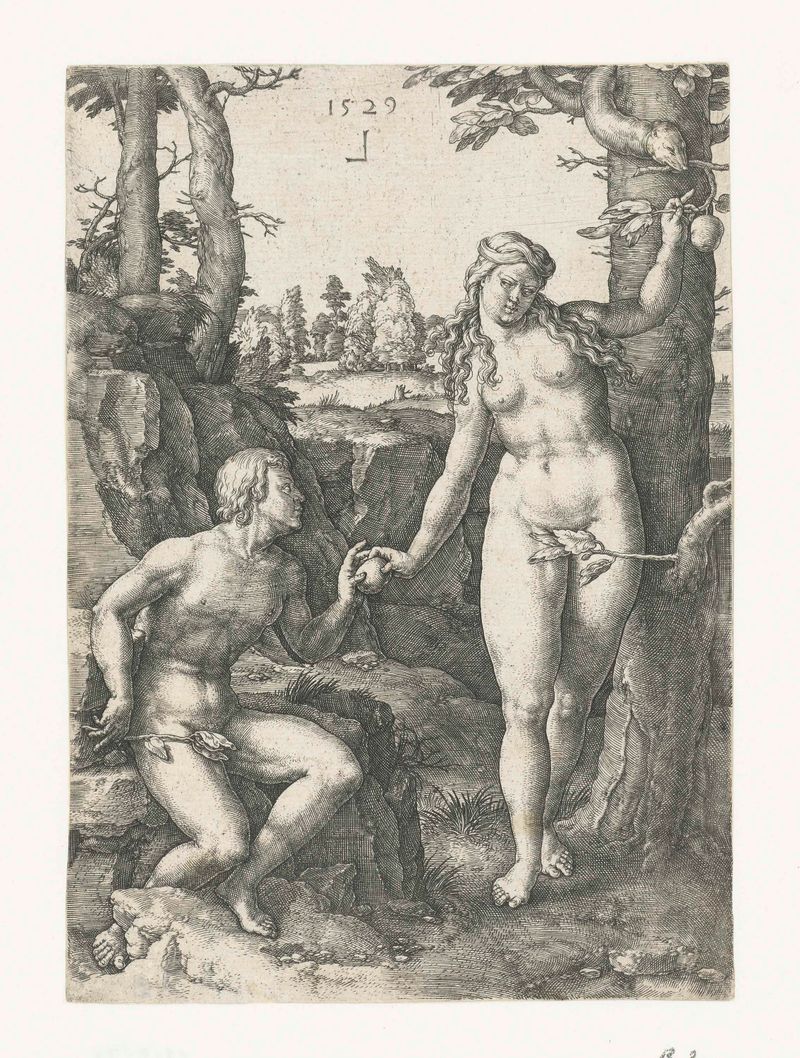
De zondeval
Lucas van Leyden
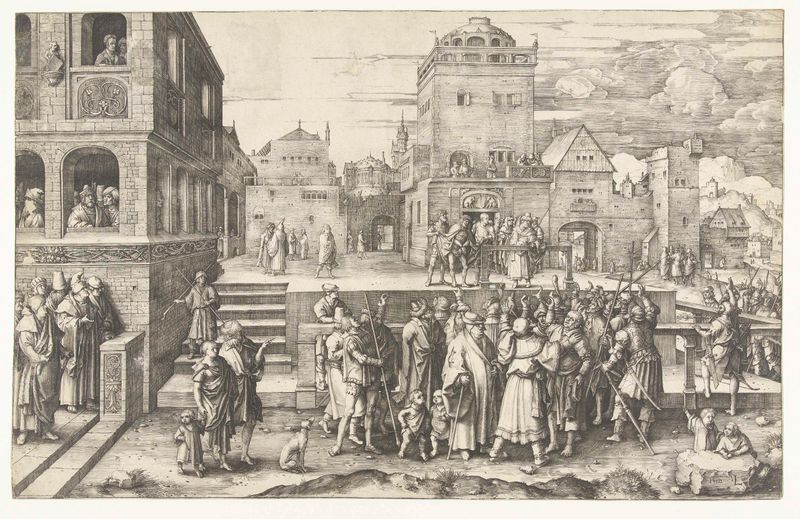
De grote Ecce Homo
Lucas van Leyden
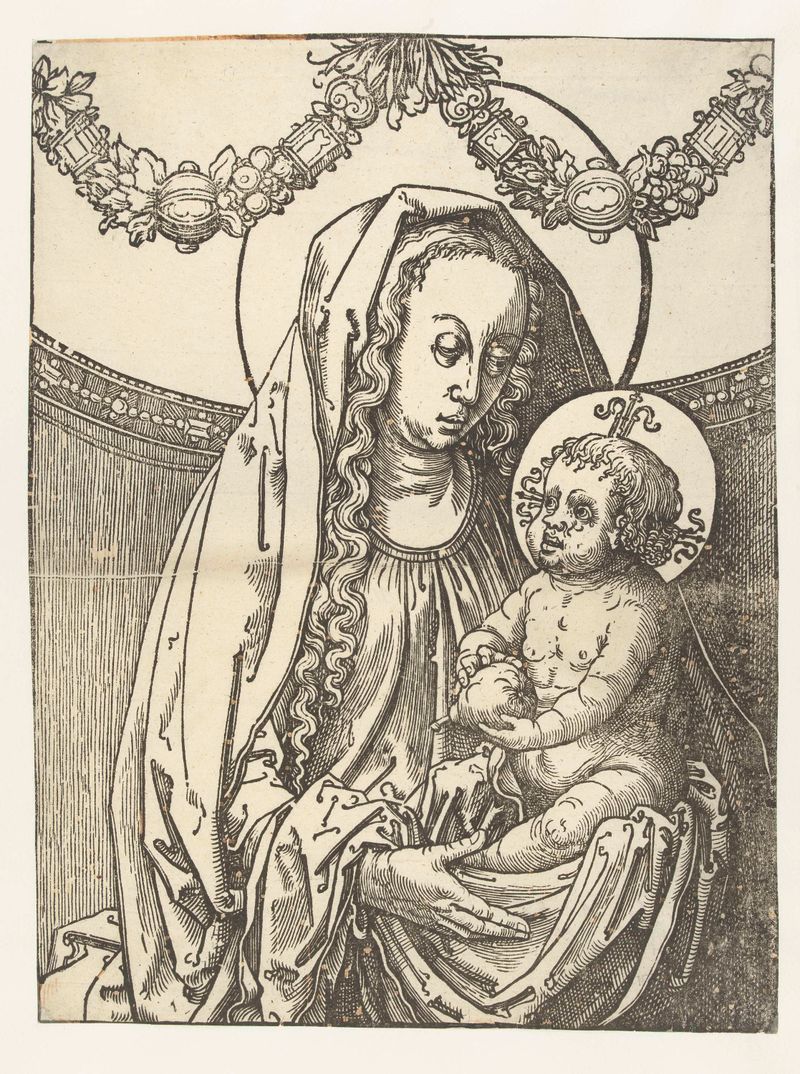
Maria met kind
Lucas van Leyden

Doornenkroning
Lucas van Leyden
More Historical Art
Browse all →
The Night Watch Militia Company of District II under the Command of Captain Frans Banninck Cocq
Rembrandt van Rijn

Lincoln Memorial
Henry Bacon

The Third of May 1808
Francisco de Goya

Isaac and Rebecca, Known as ‘The Jewish Bride’
Rembrandt van Rijn

The Charge of the Mamelukes (1814)
Francisco de Goya

De vier ruiters van de apocalyps
Albrecht Dürer