
Man Weighing Gold — History & Facts
What draws the eye first in Man Weighing Gold by Adriaen Isenbrant is not the gleam of the coins, but the stillness of the man’s face—his gaze fixed, his lips pressed in concentration, as if the entire world has narrowed to the delicate scales suspended between his fingers. The green velvet table glows against the deep shadow of his fur-lined robe, and every detail, from the gold coins neatly stacked to the careful position of his hand, speaks of precision and care. The light, soft and cool, falls from the left, sharpening the edges of the scales and giving the gold an almost tangible weight.
This is not a scene of abundance, but of scrutiny: the moment before a verdict is reached, the value of each coin measured not just in metal, but in trust. Painted circa 1515, this work stands at the crossroads of Northern Renaissance portraiture and the growing world of commerce in early sixteenth-century Flanders. Paintings like this, whether private commissions or allegorical studies, often reflected the social rise of merchants and bankers—men whose fortunes and reputations depended on honesty and calculation. The sober palette and close-up composition echo the seriousness with which such professions were regarded, while the Metropolitan Museum of Art’s collection today preserves this quiet testament to a world where wealth and morality were weighed, quite literally, in the balance.
As you look again, notice how the artist’s restraint invites you to imagine what is at stake, and who might be watching just out of frame.
More Artworks by Adriaen Isenbrant
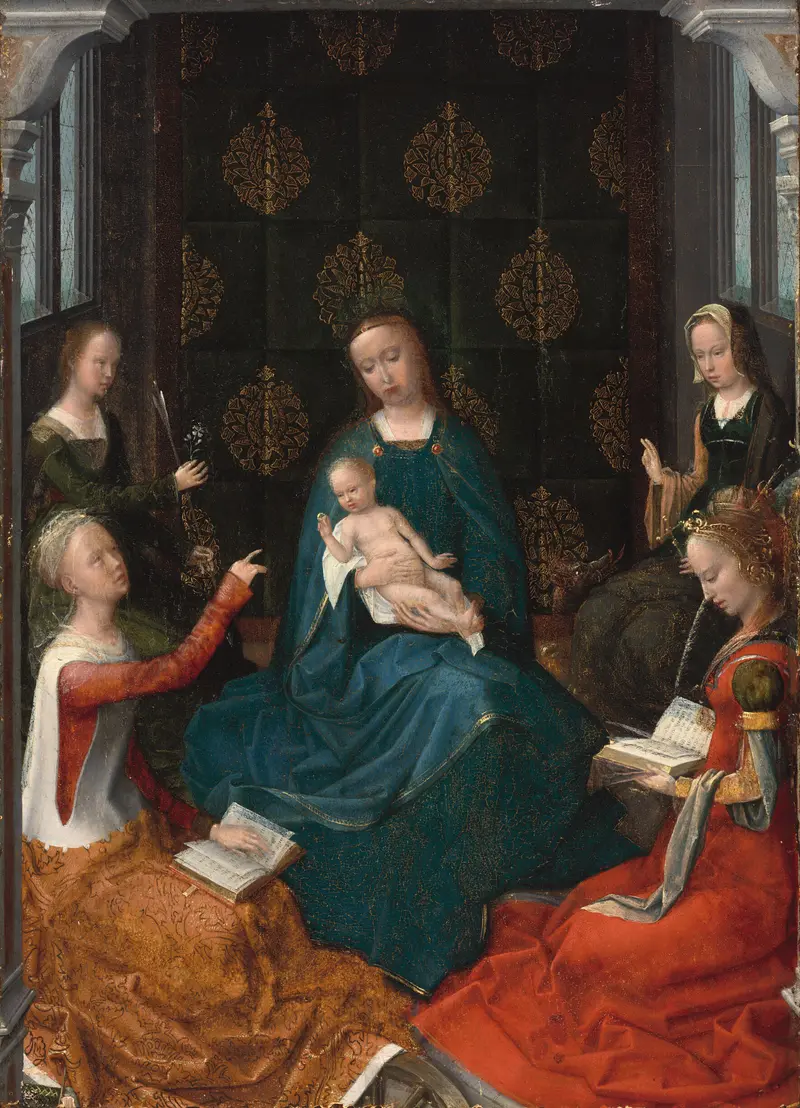
The Mystic Marriage of Saint Catherine of Alexandria with Three Female Saints: Ursula, Margaret of Antioch, and an Unidentified Martyr
Adriaen Isenbrant
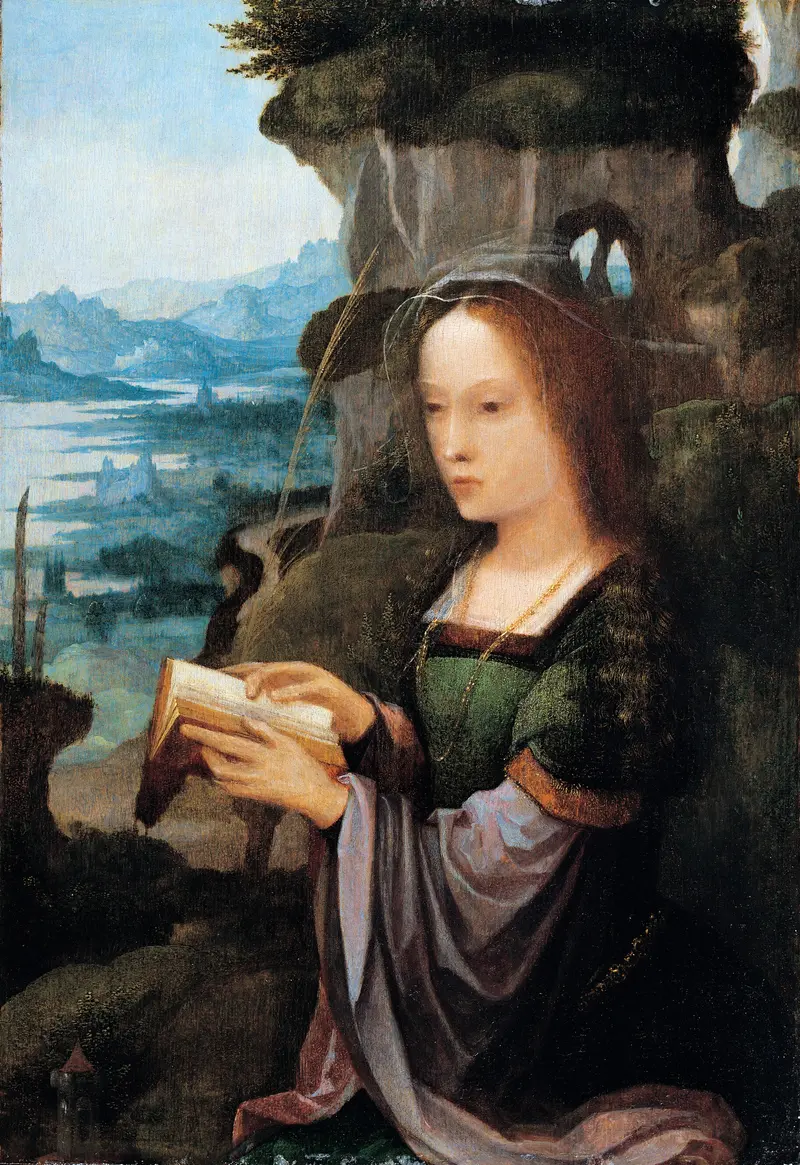
Saint Barbara
Adriaen Isenbrant
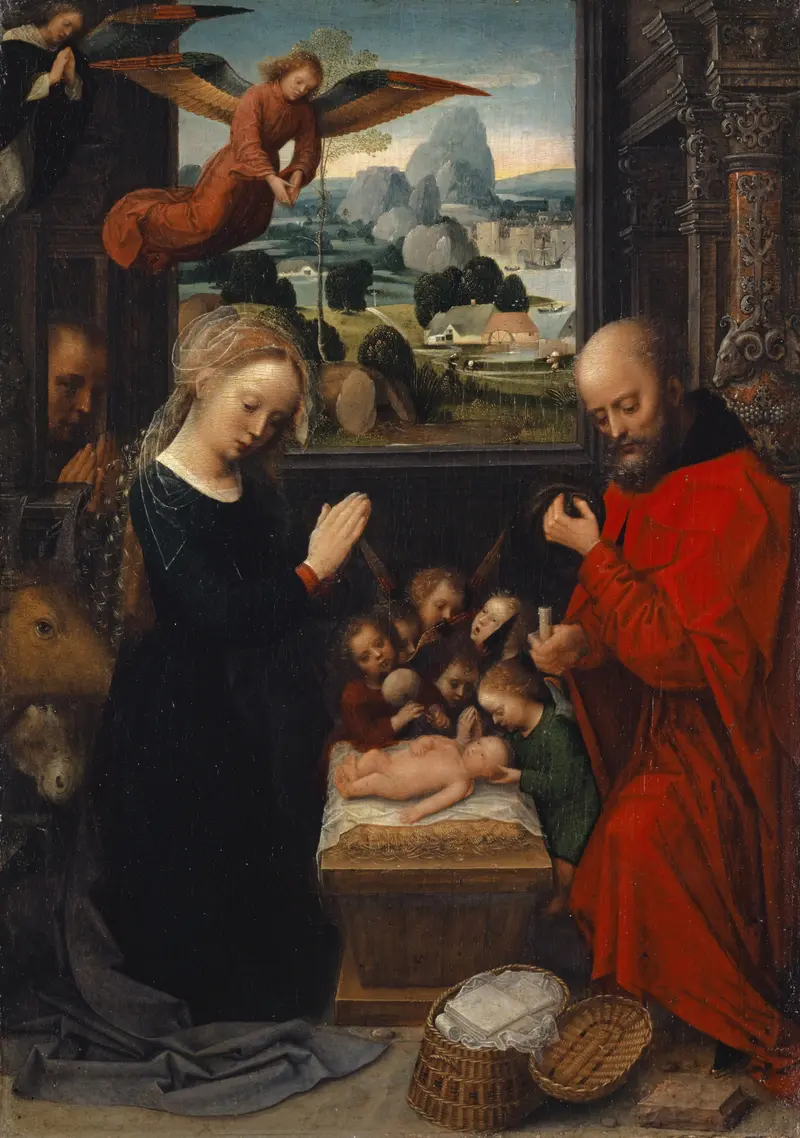
The Nativity
Adriaen Isenbrant
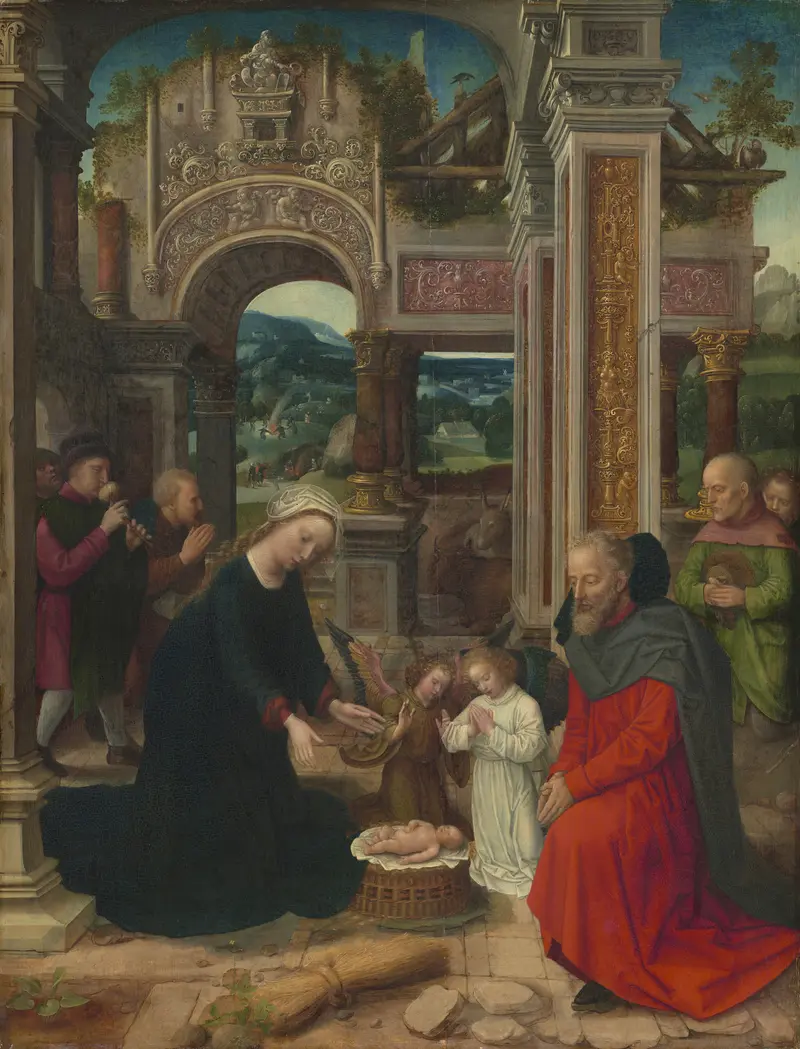
The Adoration of the Shepherds
Adriaen Isenbrant
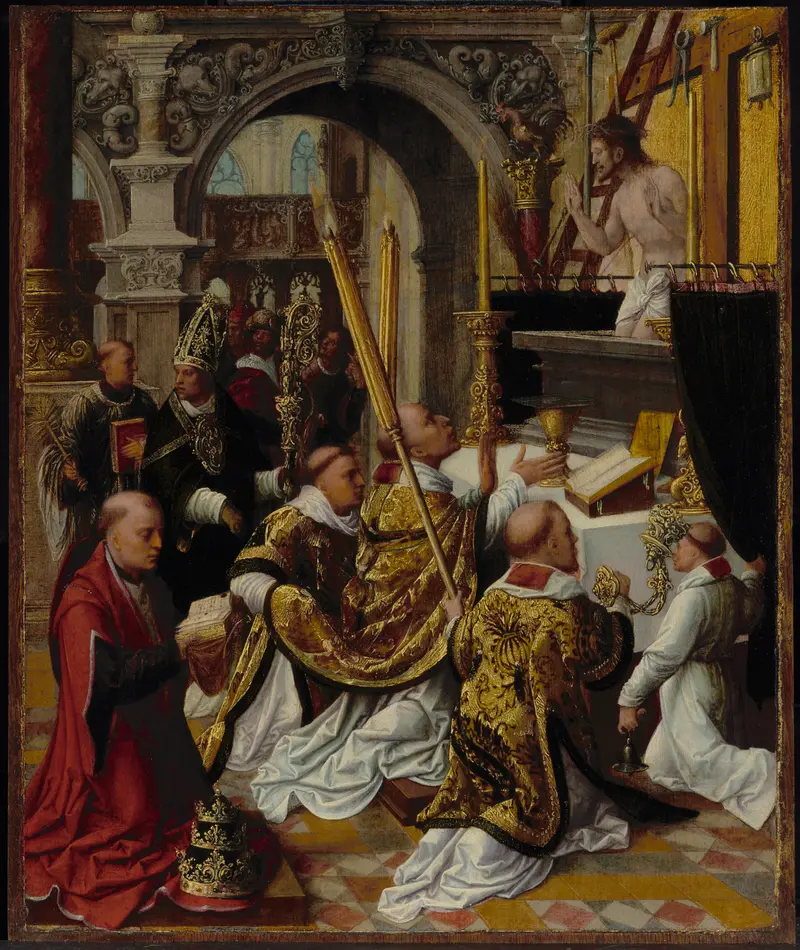
The Mass of Saint Gregory the Great
Adriaen Isenbrant
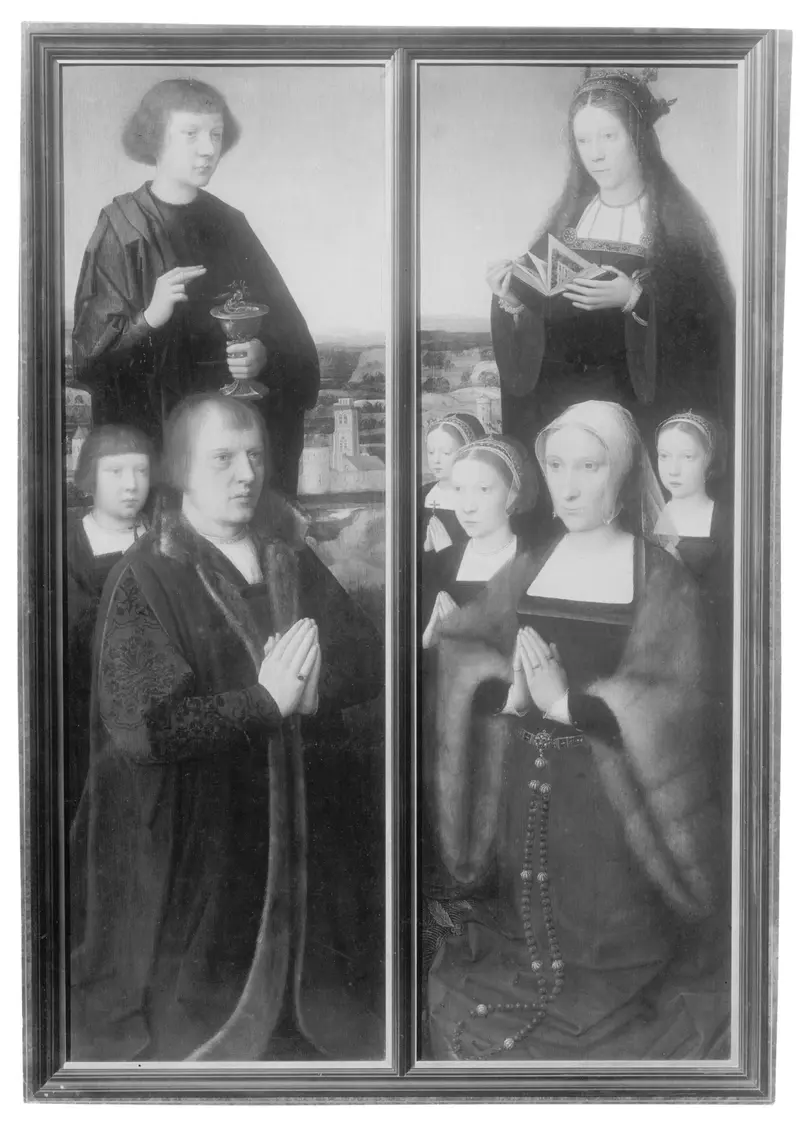
Wings of a polyptych with donors -Man with son and Saint, Woman with daughters and Saint (burned)
Adriaen Isenbrant
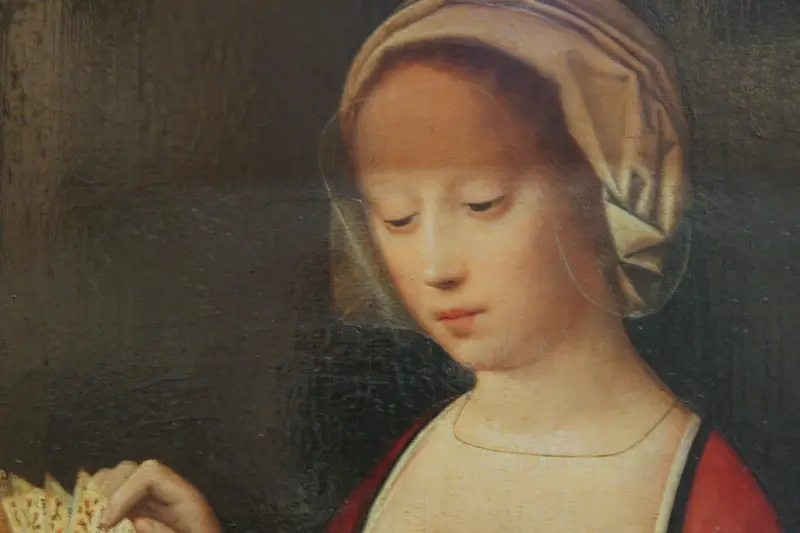
Mary Magdalene Reading
Adriaen Isenbrant
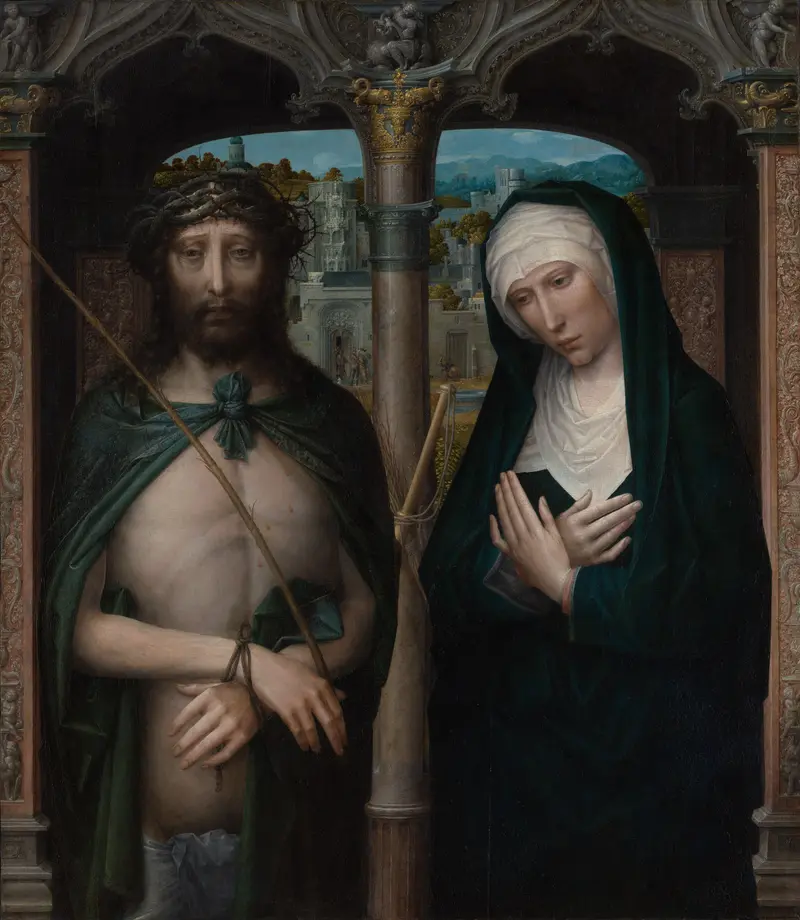
Christ Crowned with Thorns (Ecce Homo), and the Mourning Virgin
Adriaen Isenbrant
Madonna and Child
Adriaen Isenbrant
The 12-Year-Old Jesus in the Temple
Adriaen Isenbrant
More Genre Scene Art

Banquet of the Officers of the St George Civic Guard
Frans Hals

Rembrandt and Saskia in the Scene of the Prodigal Son
Rembrandt van Rijn

Bal du moulin de la Galette
Pierre-Auguste Renoir

Quadrille at the Moulin Rouge
Henri de Toulouse-Lautrec

A Burial at Ornans
Gustave Courbet

When Will You Marry?
Paul Gauguin