
Mariamne Leaving the Judgement Seat of Herod — History & Facts
The first thing that arrests the eye in Mariamne Leaving the Judgement Seat of Herod is the charged silence between the central figure and the shadowed court behind her. Mariamne, draped in white and crowned with a simple circlet, stands poised on the marble steps, her body turned away from the throne yet her face angled back, as if caught between defiance and sorrow. The fallen flowers at her feet are not just an accident of the scene but a deliberate punctuation, a symbol of innocence cast aside or a love now trampled.
Light pools around her, isolating her from the darker, crowded recesses of the hall, and the sculpted lion at the base of the steps seems to both guard and threaten, its mouth open in silent warning. Painted in 1887 by John William Waterhouse, this work belongs to the late nineteenth-century fascination with historical and biblical drama, a period when artists mined the ancient world for stories of grandeur and tragedy. The era saw a revival of interest in classical themes, often commissioned for private homes or public exhibitions eager for scenes that combined moral gravity with visual splendor. Waterhouse was renowned for his ability to blend archaeological detail with psychological intensity, and here, every element—from the opulent architecture to the anxious gestures of the figures in the shadows—serves to heighten the sense of a fateful decision.
History has kept few traces of this particular painting’s journey, but its place in the Art Renewal Center’s collection today invites us to linger on the moment when dignity and doom meet on a sunlit stair.
More Artworks by John William Waterhouse
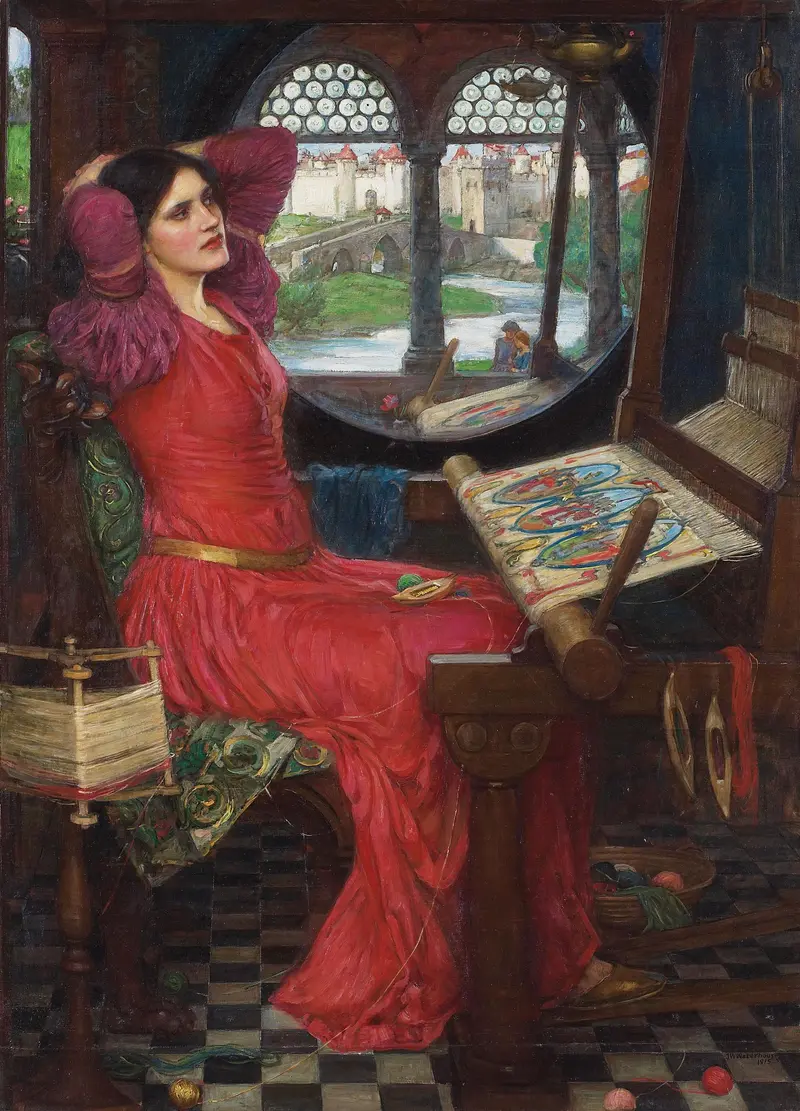
'I Am Half-Sick of Shadows,' Said the Lady of Shalott
John William Waterhouse

The Favourites of the Emperor Honorius, 1883
John William Waterhouse
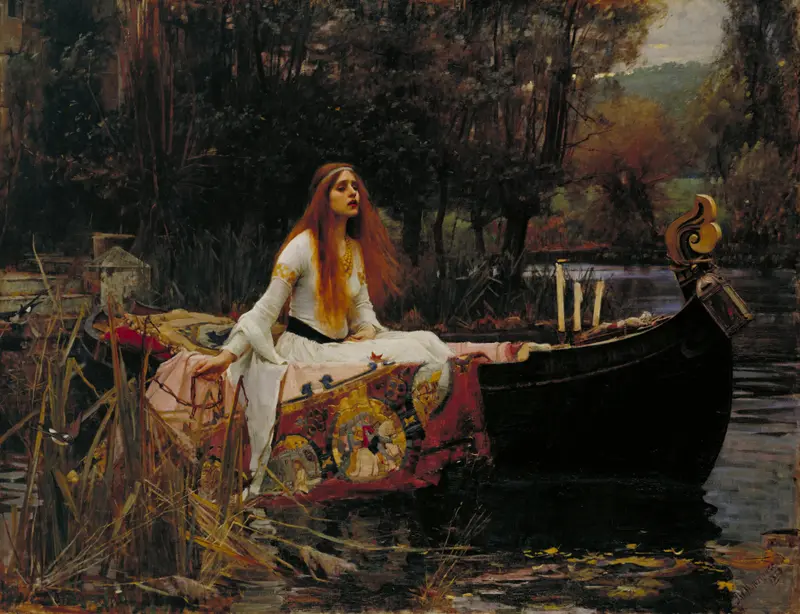
The Lady of Shalott
John William Waterhouse
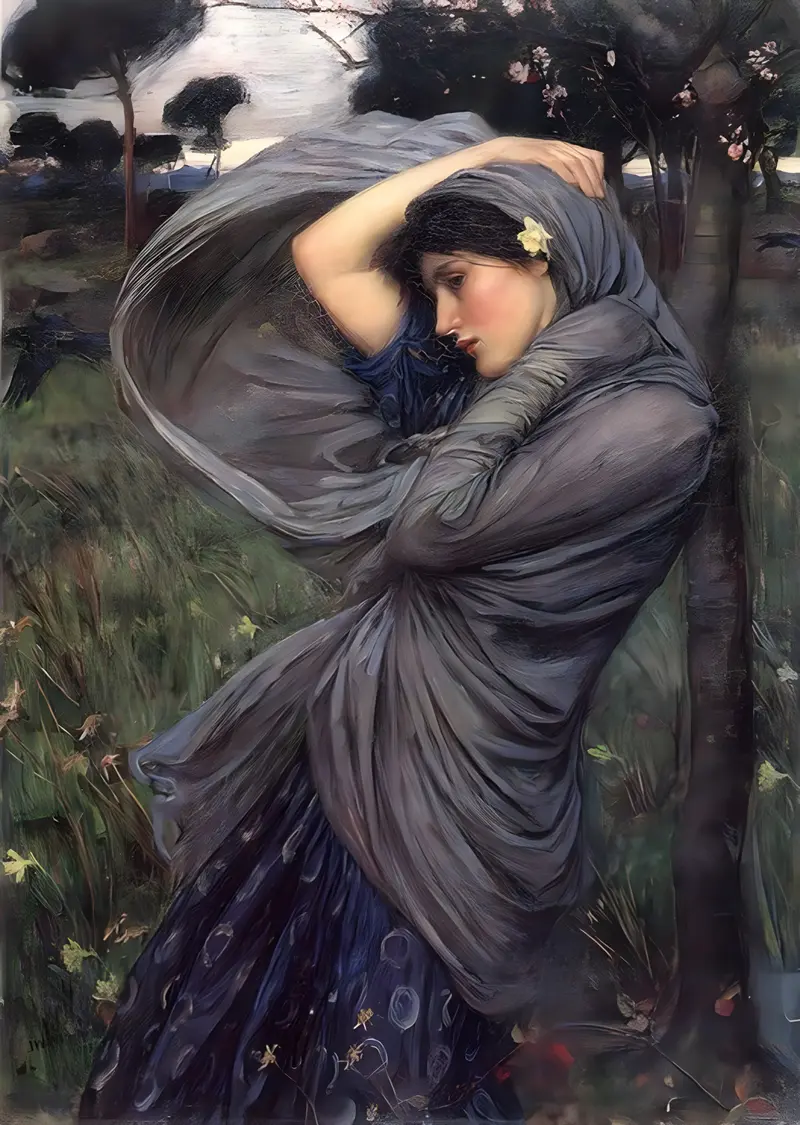
Boreas
John William Waterhouse
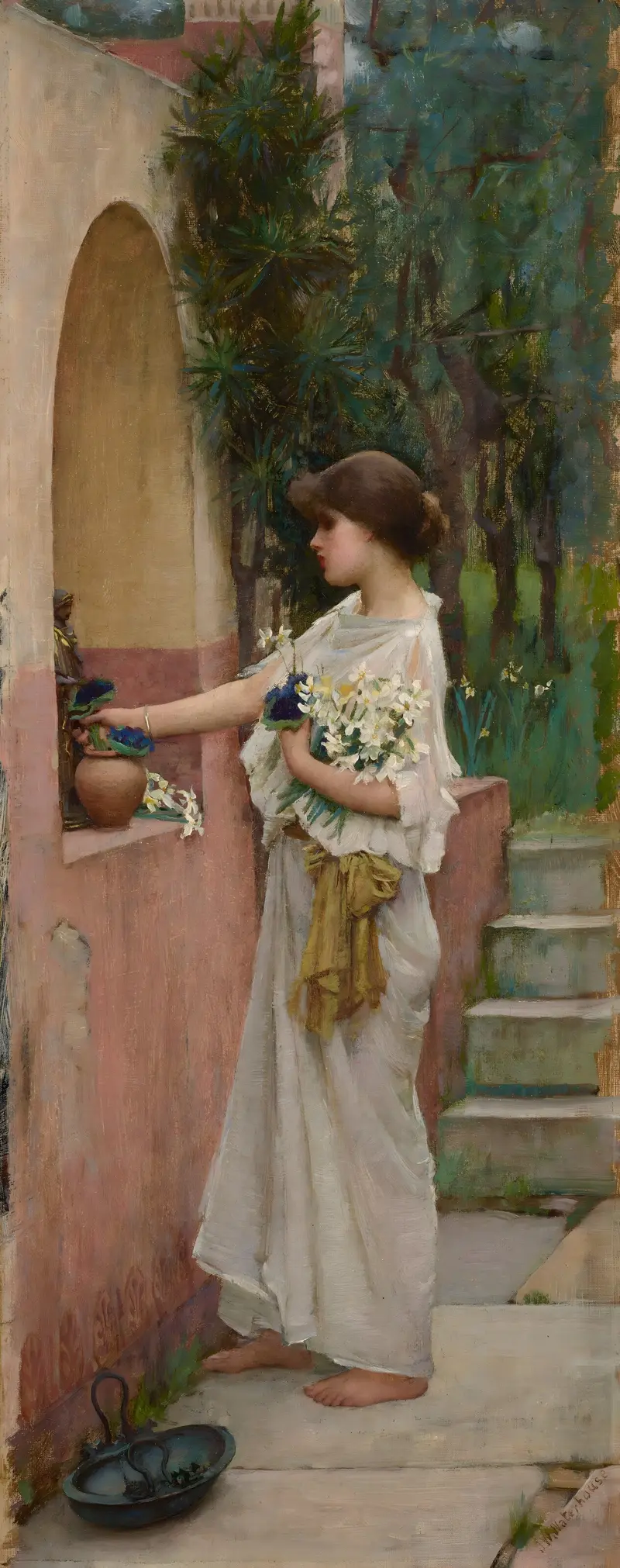
A Roman Offering
John William Waterhouse
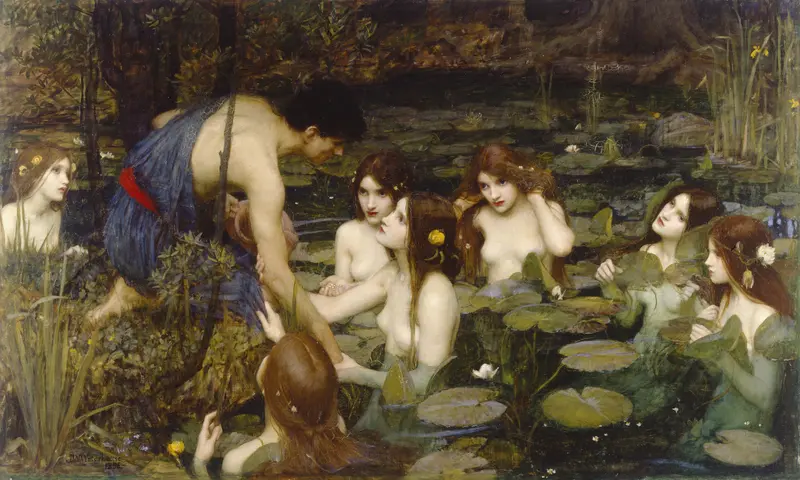
Hylas and the Nymphs
John William Waterhouse
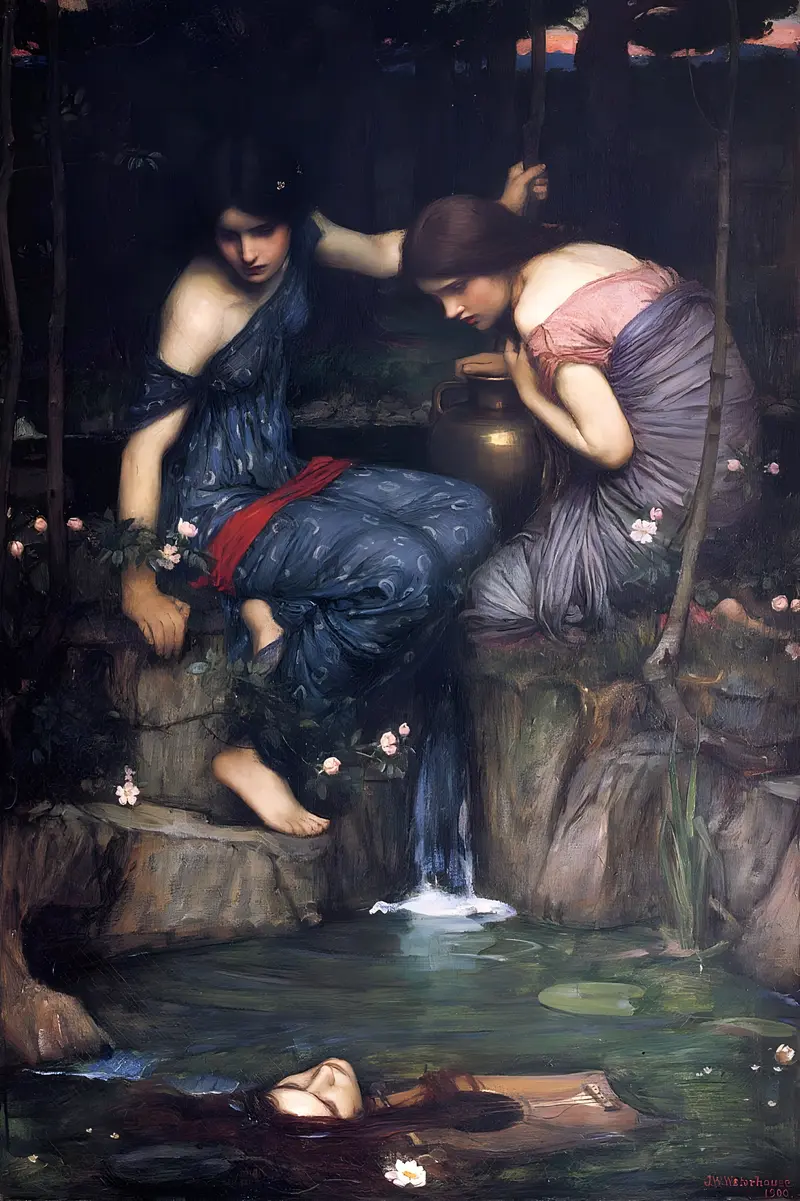
Nymphs Finding the Head of Orpheus
John William Waterhouse
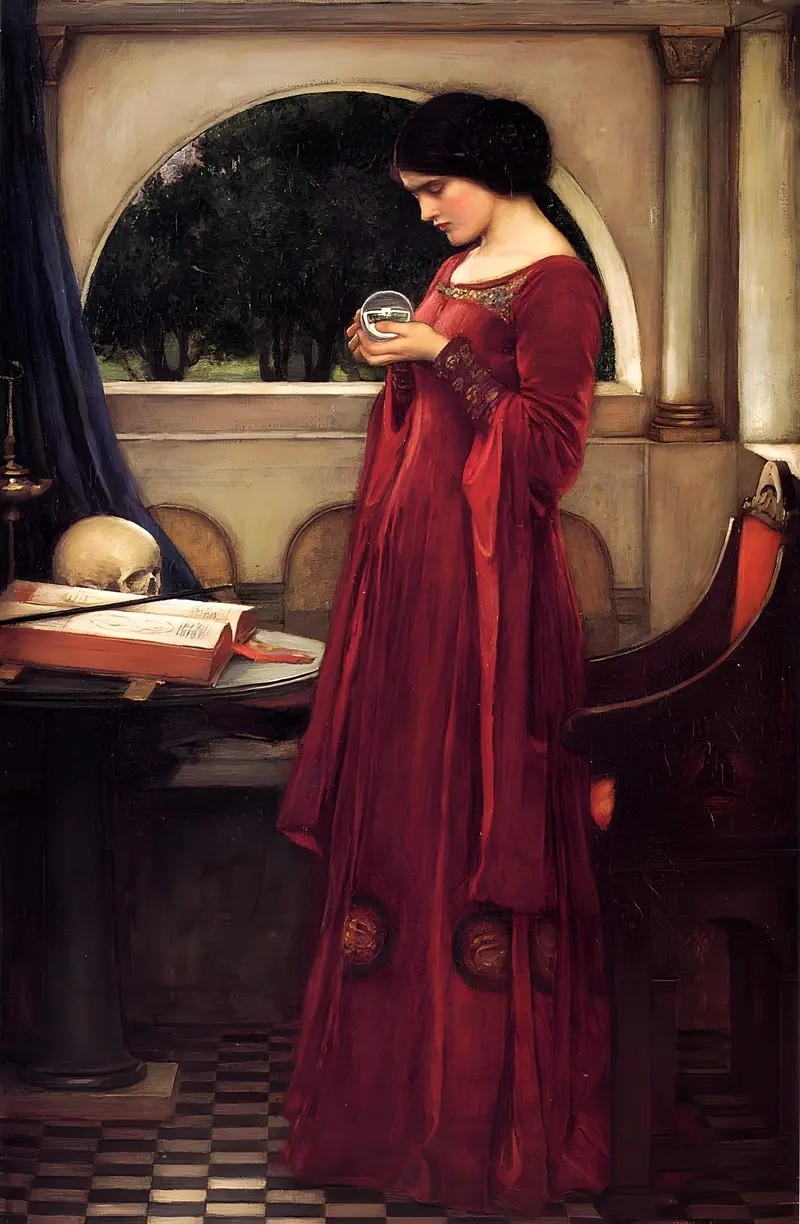
The Crystal Ball
John William Waterhouse
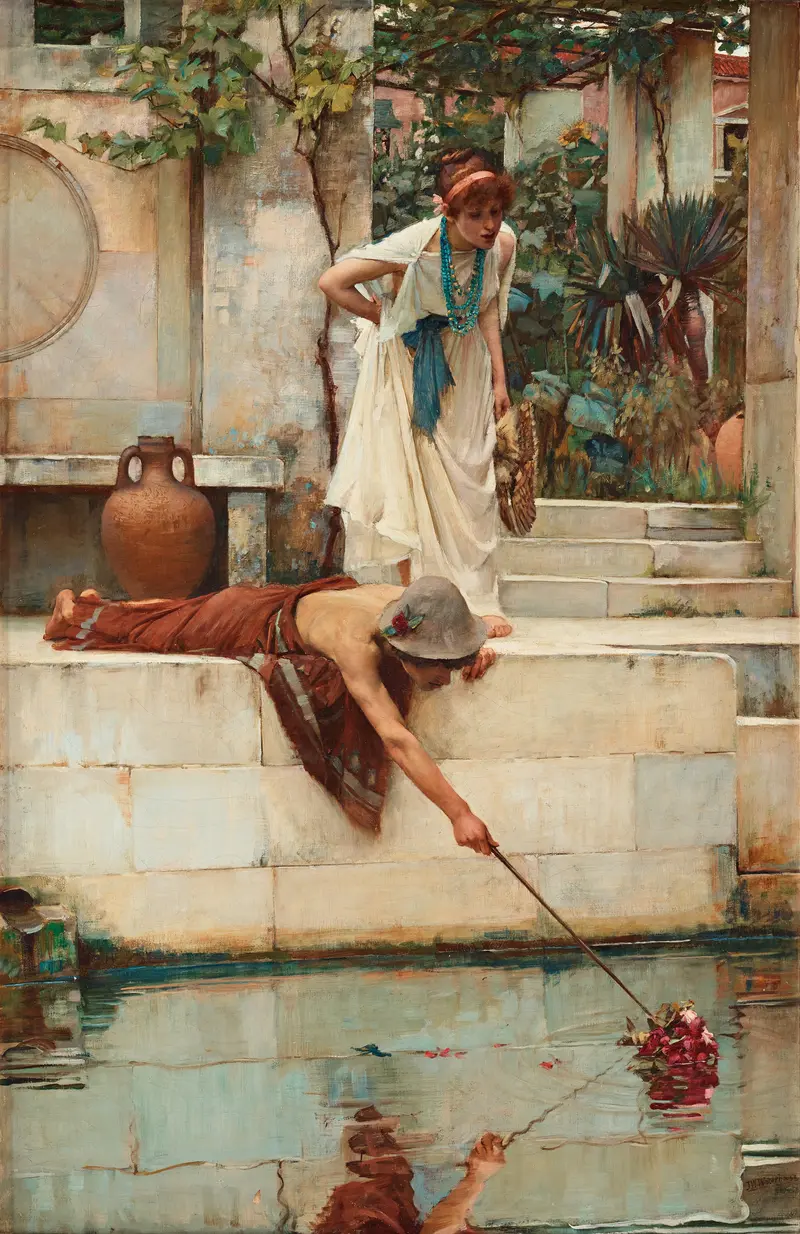
The Rescue
John William Waterhouse
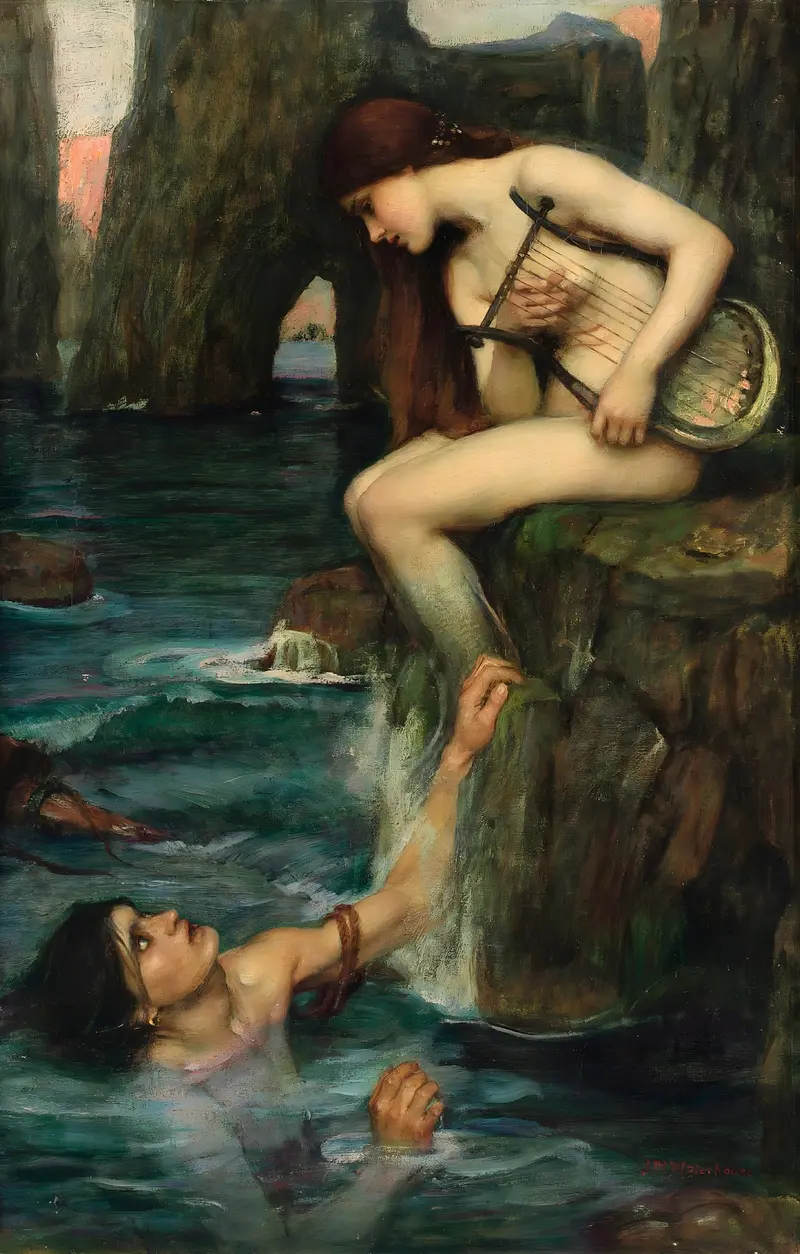
The Siren, 1900
John William Waterhouse





