
Marine — History & Facts
What secret hides in the quiet of the canvas? In Léon Spilliaert's Marine, the stillness of the sea beckons both intrigue and reflection, inviting the viewer to explore a world that feels both tranquil and tumultuous. Focus on the gentle undulation of the waves, swirling with shades of deep blue and muted greens. Notice how the horizon stretches to infinity, almost blurring the line between sea and sky. The composition is masterfully balanced, with soft light breaking through the clouds, illuminating the water's surface and creating a mesmerizing play of light.
This careful manipulation of color and form evokes a sense of calm, yet there is an underlying tension, a whisper of something more profound. Hidden within this peacefulness lies a tumultuous emotional undercurrent. The vastness of the ocean symbolizes both freedom and isolation, reflecting the artist's own inner struggles. The quietude of the landscape contrasts sharply with the revolutionary spirit of the 1920s, a time marked by explosive change and societal upheaval.
Spilliaert captures this duality, where the serene beauty of nature coexists with the chaotic energy of the human experience. In 1924, Spilliaert was living in Belgium, a country still recovering from the impacts of World War I and grappling with the shifting tides of modernism in art. During this period, he produced works that delved into the depths of introspection and existential contemplation, using the sea as a metaphor for his own emotional landscape. This painting is a testament to his unique vision, bridging the gap between the serene and the revolutionary.
More Artworks by Léon Spilliaert
Browse all →
Beachview at night
Léon Spilliaert

Strand met maan
Léon Spilliaert

De zeedijk te Oostende van op het staketsel gezien
Léon Spilliaert
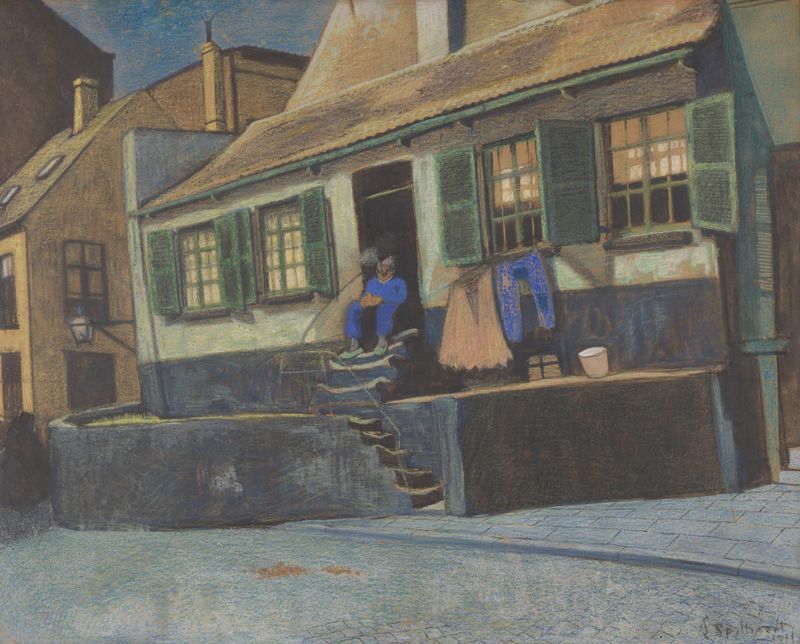
Het huis genaamd ‘De Preekstoel’ te Oostende
Léon Spilliaert

Vijgenboom in de winter, Grasse
Léon Spilliaert
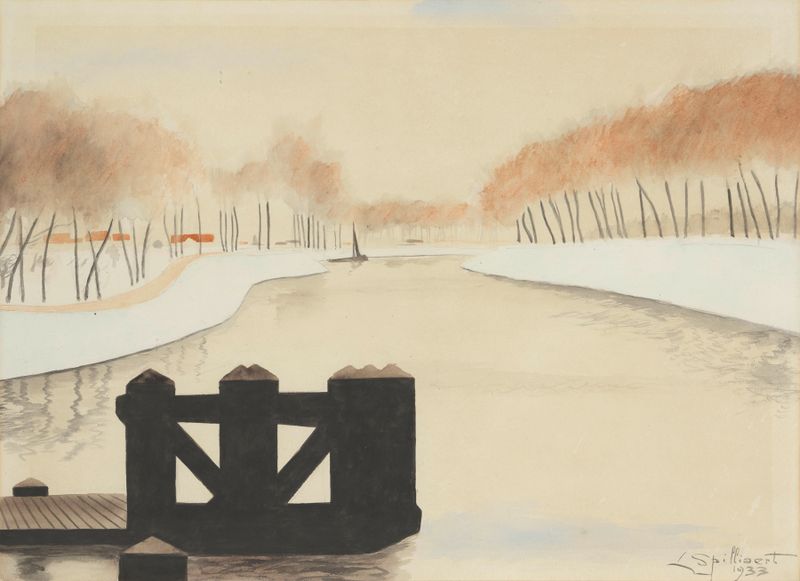
De Keignaertkreek in Zandvoorde
Léon Spilliaert
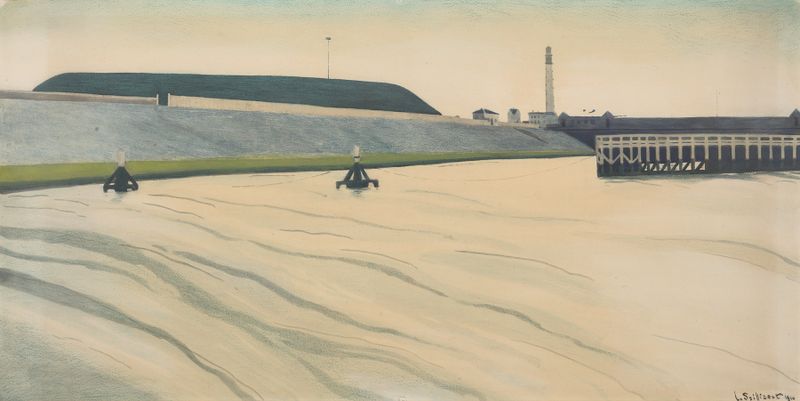
Haven te Oostende
Léon Spilliaert
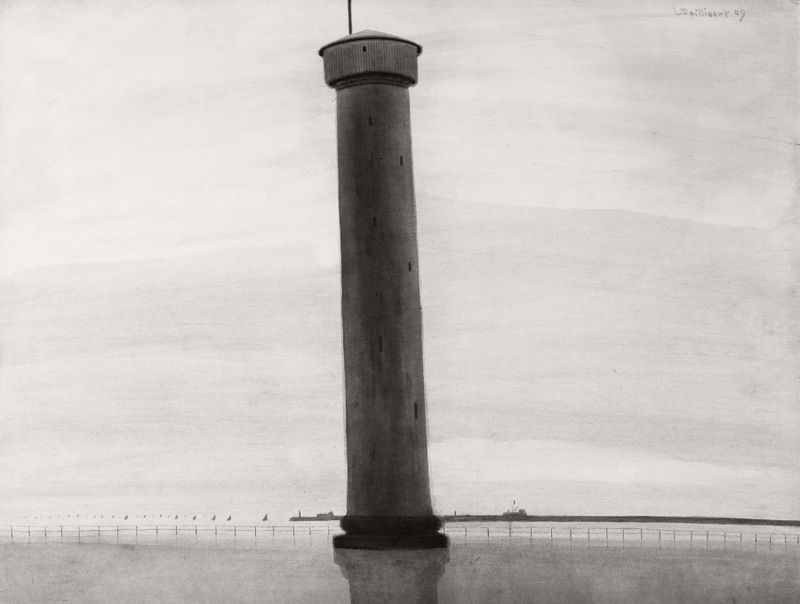
Le Phare aux signaux [De vuurtoren]
Léon Spilliaert
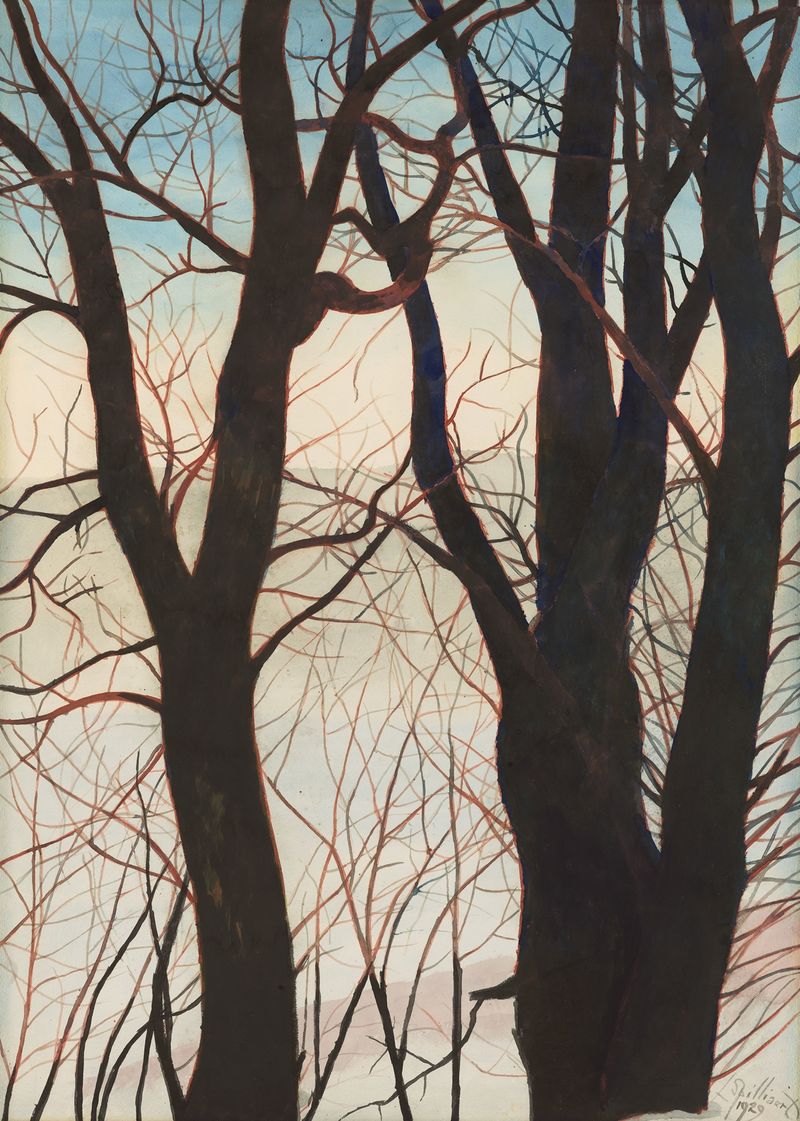
Bomen in de sneeuw
Léon Spilliaert
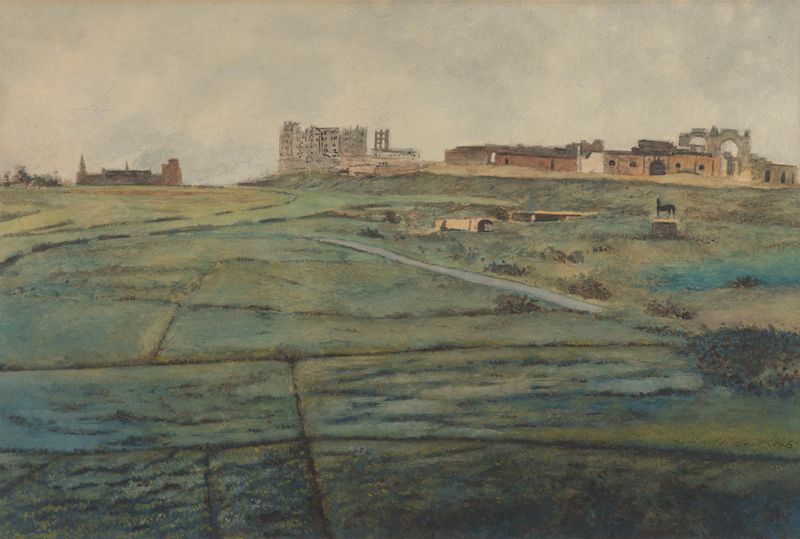
De Wellingtonrenbaan en het Royal Palace Hotel te Oostende kort na de Tweede Wereldoorlog
Léon Spilliaert





