Marsh Marigold (Caltha palustris) — History & Facts
What first catches the eye in Marsh Marigold (Caltha palustris) by Basilius Besler is the sense of careful attention, almost reverence, for the living structure of the plant. The roots sprawl in delicate tangles, anchoring the marigold’s sturdy stems, while each leaf and petal is rendered with a precision that feels both scientific and celebratory. The light falls evenly, flattening shadows and inviting the viewer to study every vein and contour.
The yellow blossoms, edged with subtle gradations of orange, seem to hover above the lush green leaves, while the smaller companion plants—each labeled in elegant script—create a quiet conversation across the page. This is not a bouquet, but a portrait: the plants are presented as individuals, each with its own character and dignity. Created in the 17th century and hand colored for inclusion in the famed Hortus Eystettensis, this work stands at the crossroads of art and science. Botanical prints like this were prized by collectors, scholars, and apothecaries alike, serving as both reference and ornament in an age when Europe’s hunger for knowledge about the natural world was blooming.
The meticulous rendering reflects a world where the boundaries between artist and naturalist were fluid, and where books like Hortus Eystettensis were as much status symbols as scientific tools. History has kept few traces of the individual journey of this particular print, but its clarity and care invite us to look again, to notice the life in every root and petal.
More Artworks by Basilius Besler
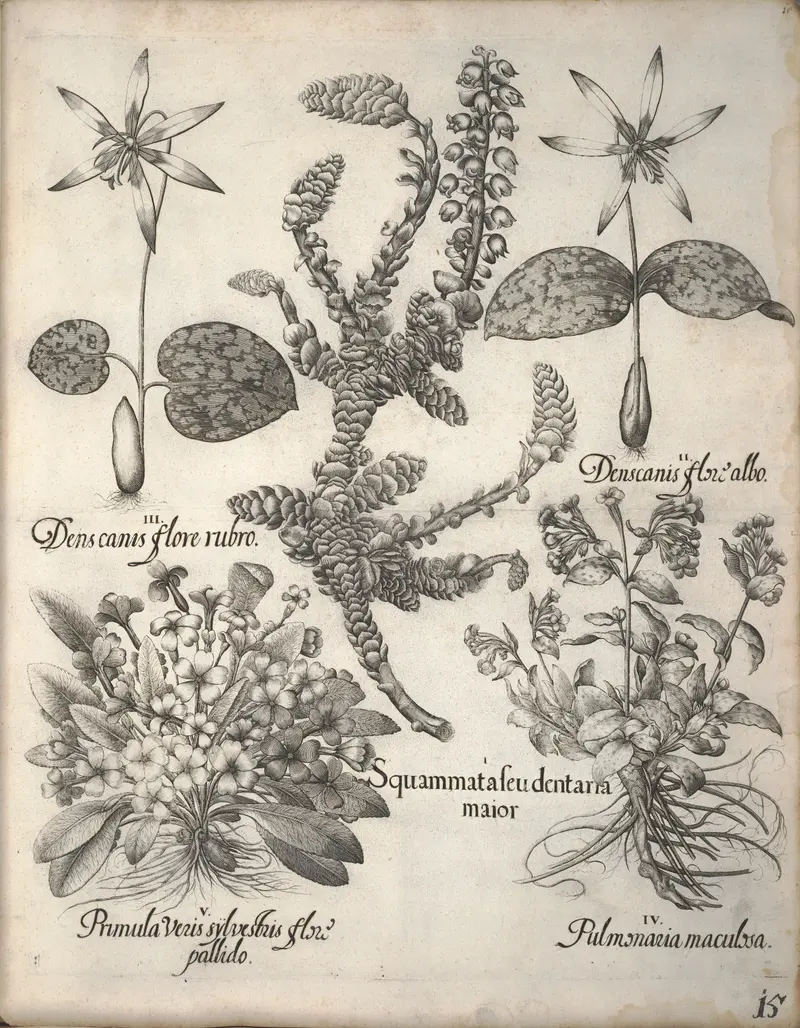
Spring Garden, Plate 15 (Hortus Eystettensis)
Basilius Besler

Tulips (Hortus Eystettensis)
Basilius Besler

Tulips II (Hortus Eystettensis)
Basilius Besler

Snapdragons (Antirrhinum)
Basilius Besler
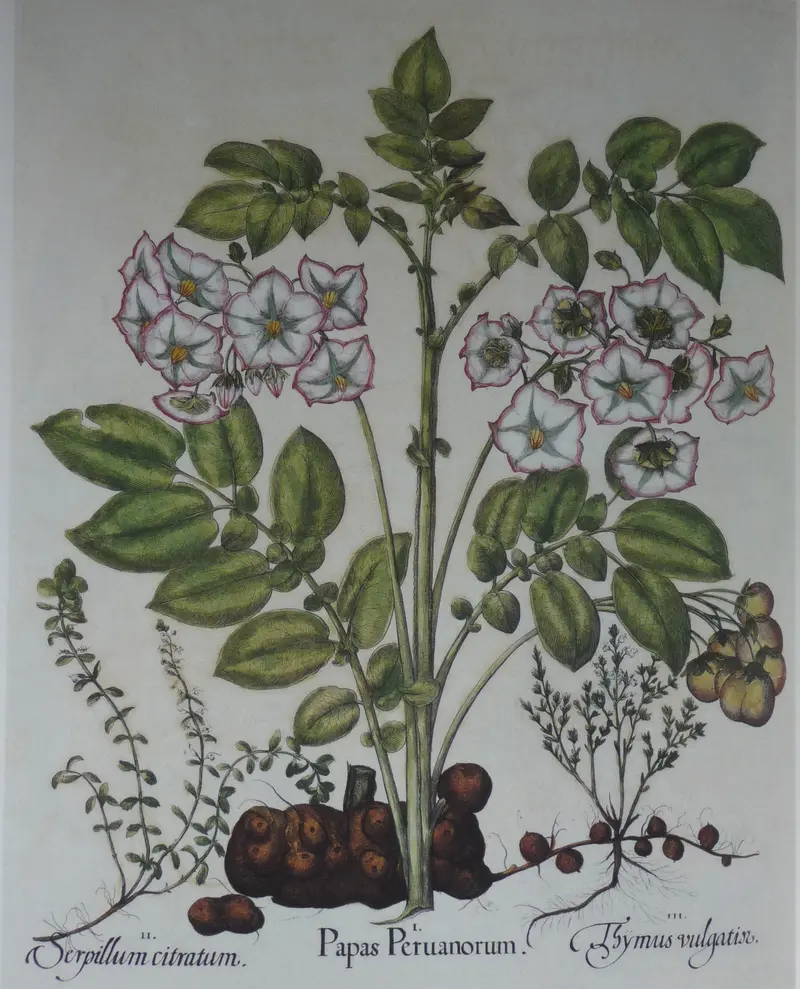
Peruvian Potato Flower (Papas Peruanorum)
Basilius Besler
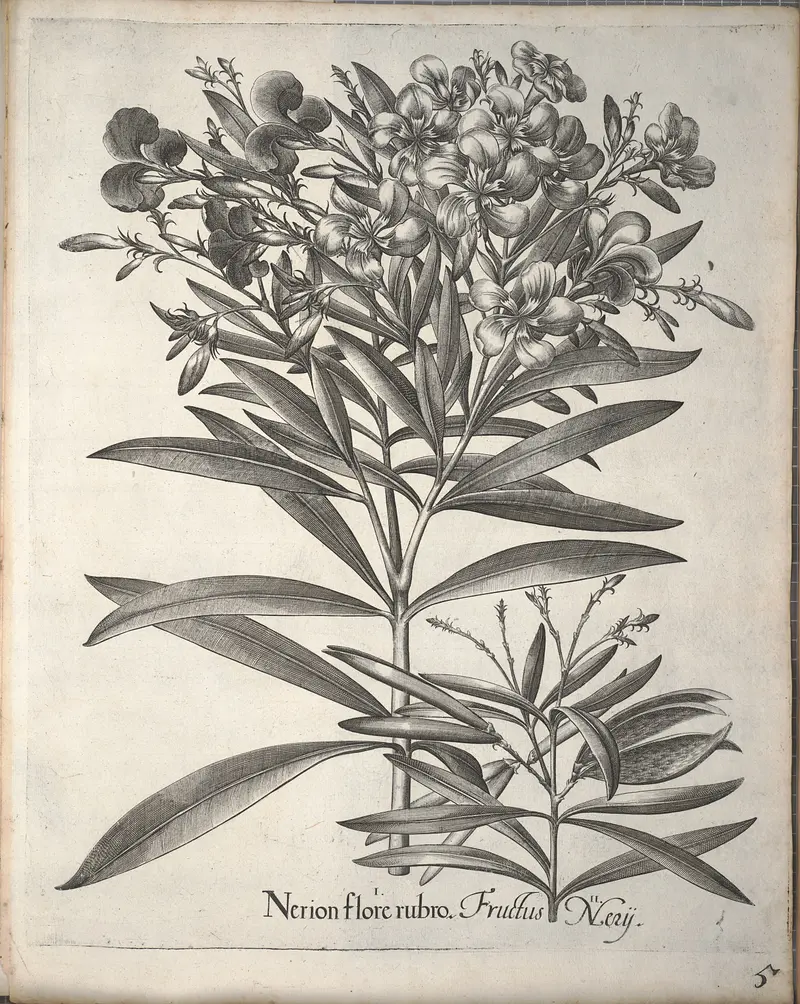
Summer Garden, Plate 5 (Hortus Eystettensis)
Basilius Besler
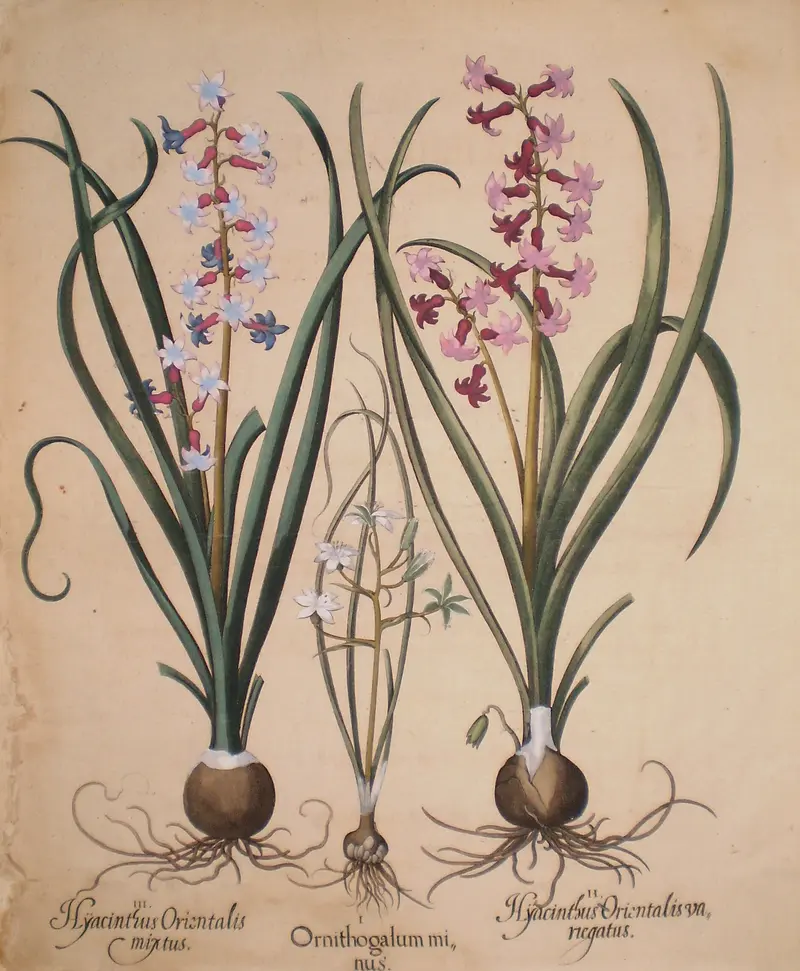
Hyacinths and Star-of-Bethlehem
Basilius Besler
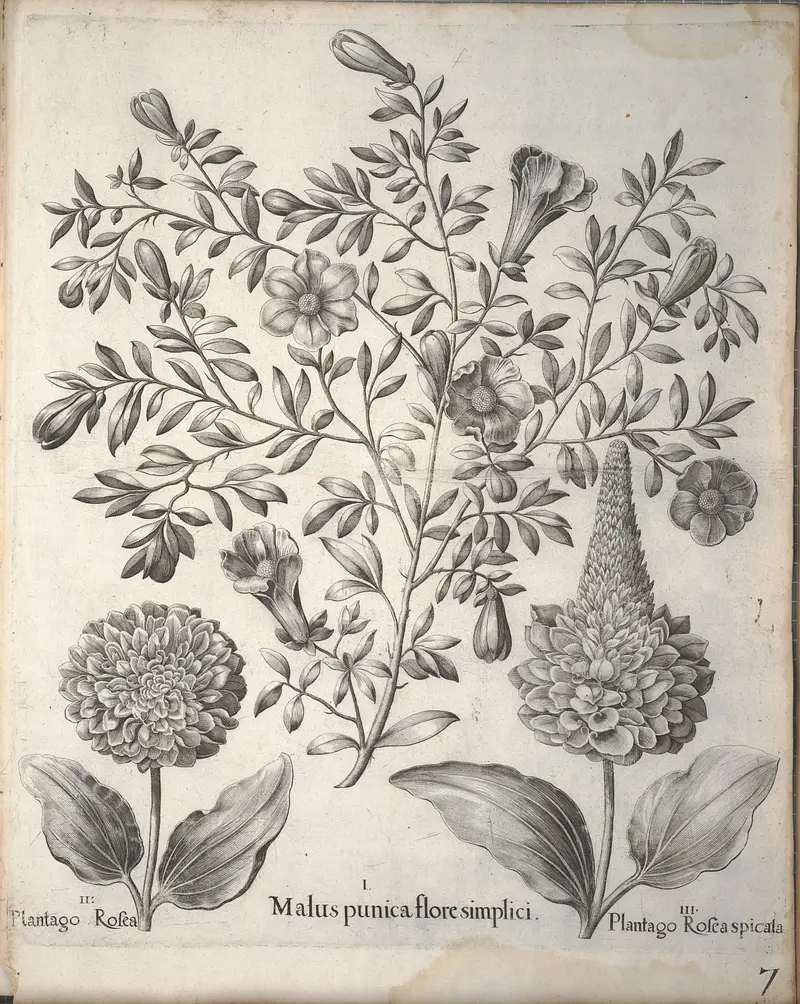
Summer Garden, Plate 7 (Hortus Eystettensis)
Basilius Besler
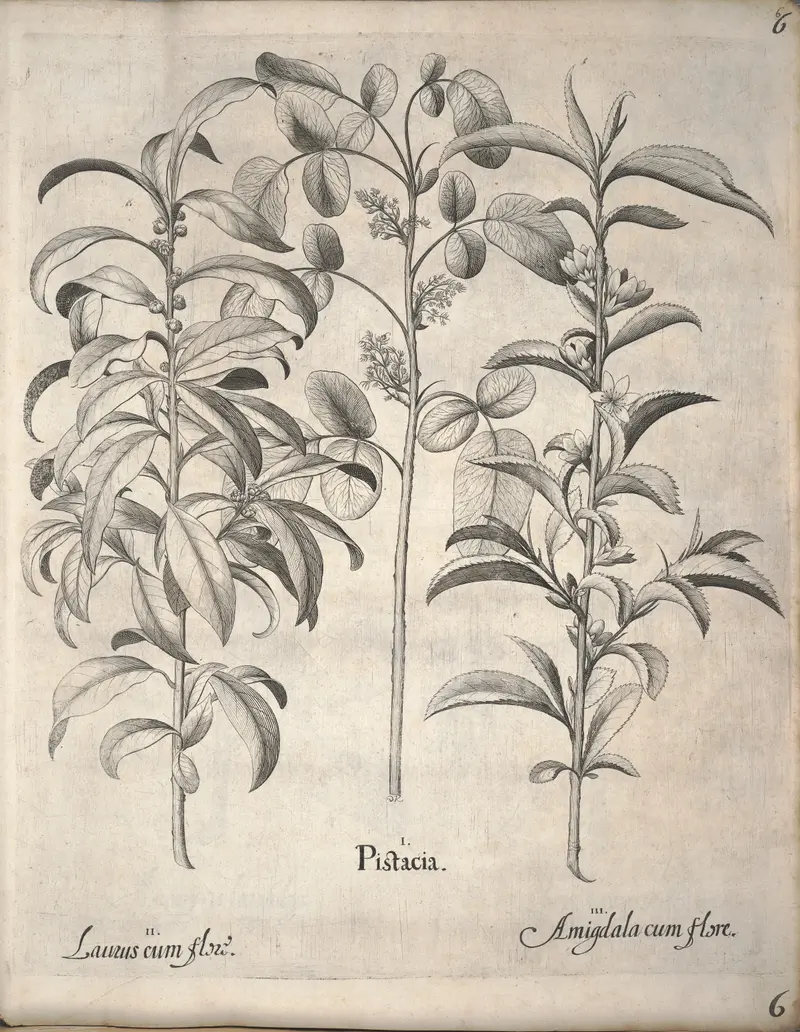
Spring Garden, Plate 6 (Hortus Eystettensis)
Basilius Besler
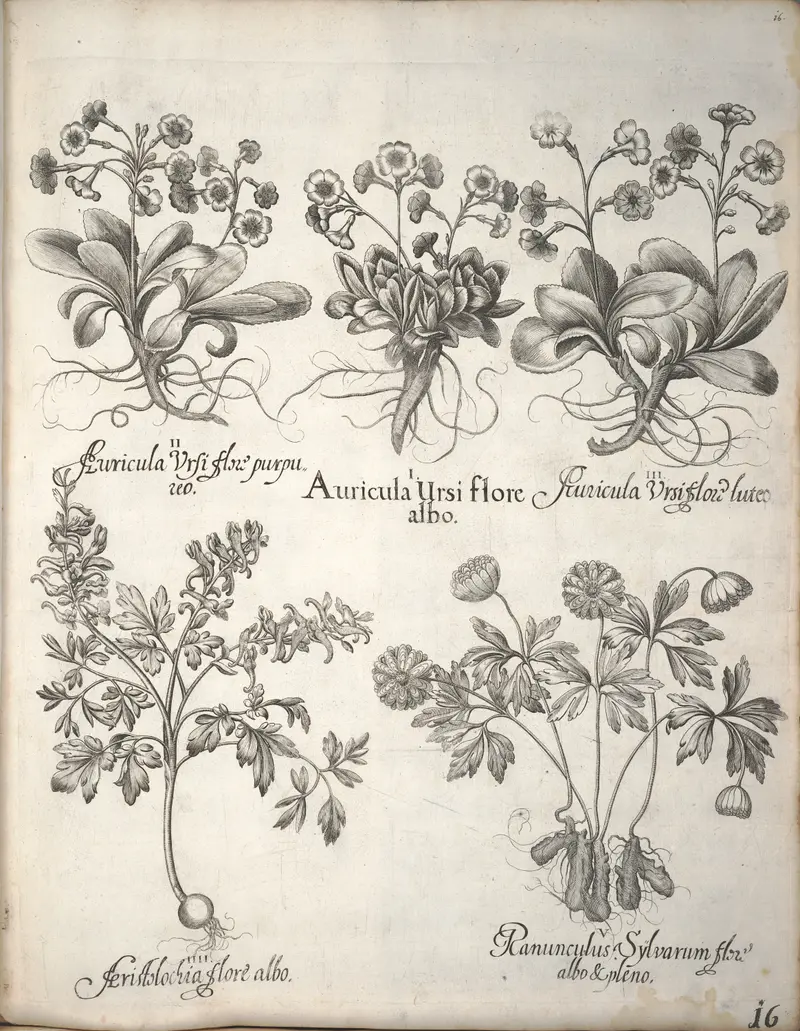
Spring Garden, Plate 16 (Hortus Eystettensis)
Basilius Besler