Summer Garden, Plate 7 (Hortus Eystettensis) — History & Facts
What first catches the eye in Summer Garden, Plate 7 (Hortus Eystettensis) is the almost architectural precision with which each flower is rendered, as if the page itself were a garden bed, carefully tended by the artist’s hand. The central bloom, labeled Malus punica flore simplici, rises with poised symmetry, its petals unfurling in crisp detail, while the two flanking plants—Plantago Rosea in both its forms—anchor the composition with their dense, almost sculptural blossoms and broad, veined leaves. Every contour and vein is etched with a clarity that invites close study, transforming botanical observation into a visual feast.
The absence of color does nothing to diminish the sense of life; instead, the play of light and shadow across each leaf and petal heightens the sense of texture and volume, suggesting a world of growth and quiet order. Created in 1640, this plate belongs to a tradition that flourished in early modern Europe, when botanical illustration was both a scientific tool and a work of art. Such images were commissioned by princes, apothecaries, and scholars eager to catalogue the wonders of nature with unprecedented accuracy. Hortus Eystettensis, the monumental florilegium from which this plate comes, was a landmark in this movement—a lavish record of the plants cultivated in the gardens of Eichstätt.
History has kept few traces of the individual journeys of plates like this one, but their purpose is clear: to instruct, to delight, and to bear witness to an age when the boundaries between science and art were still fluid. Stand before this page and you enter a world where the study of a single leaf could be an act of wonder.
More Artworks by Basilius Besler
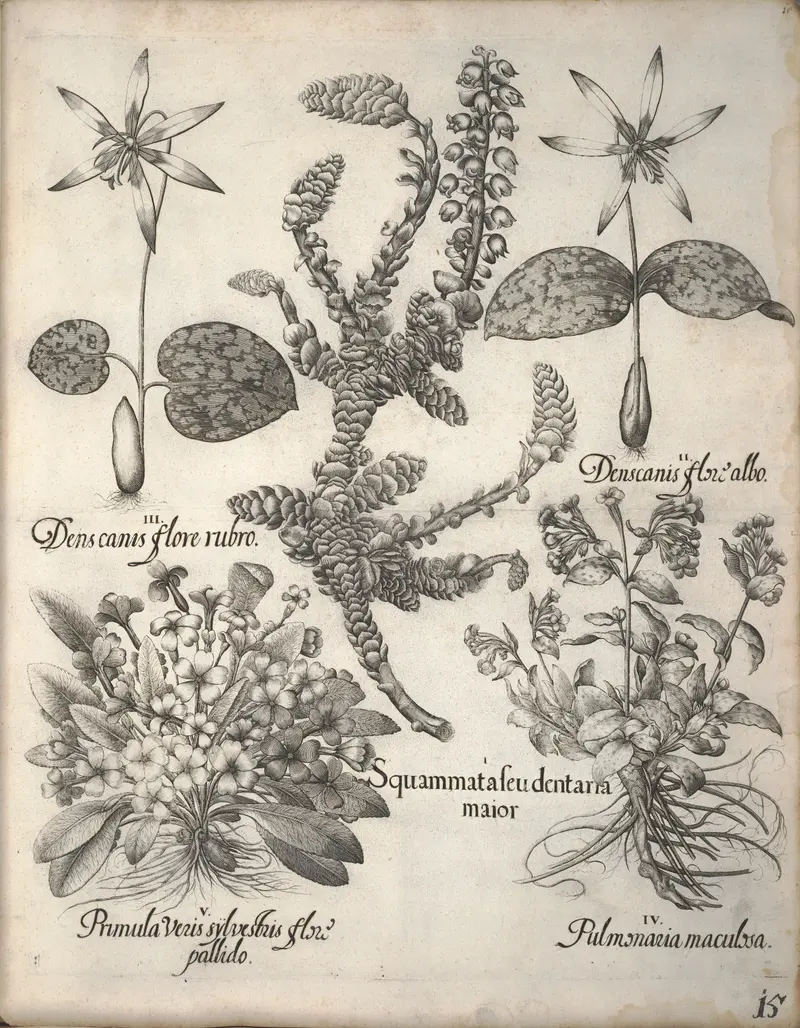
Spring Garden, Plate 15 (Hortus Eystettensis)
Basilius Besler
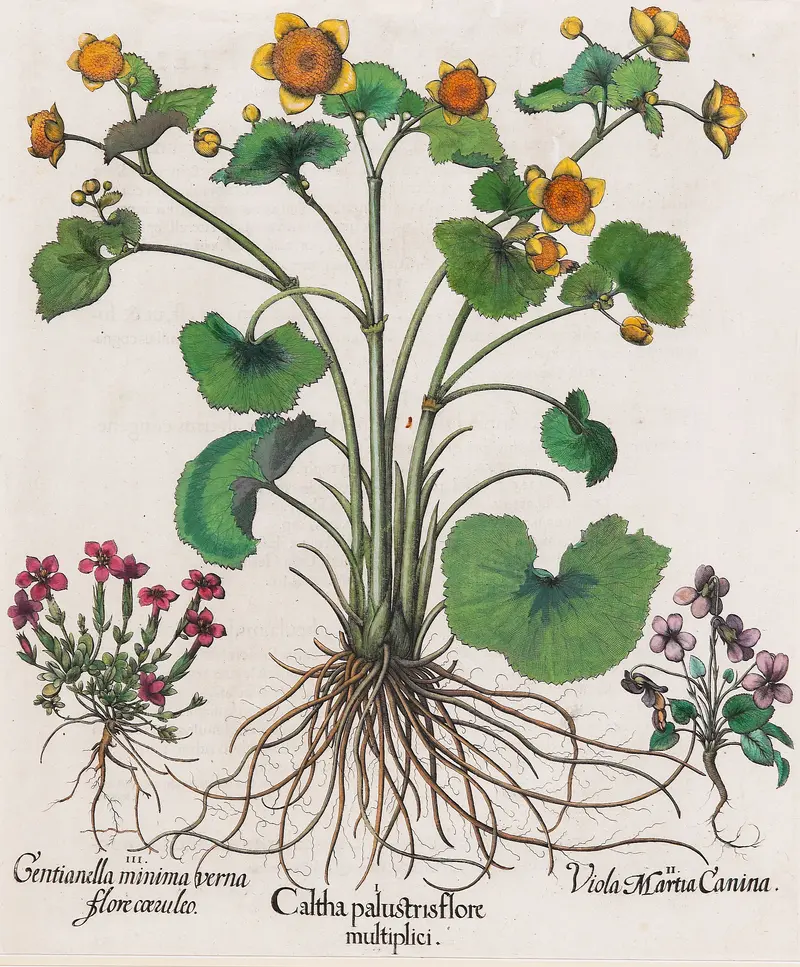
Marsh Marigold (Caltha palustris)
Basilius Besler

Tulips (Hortus Eystettensis)
Basilius Besler

Tulips II (Hortus Eystettensis)
Basilius Besler

Snapdragons (Antirrhinum)
Basilius Besler
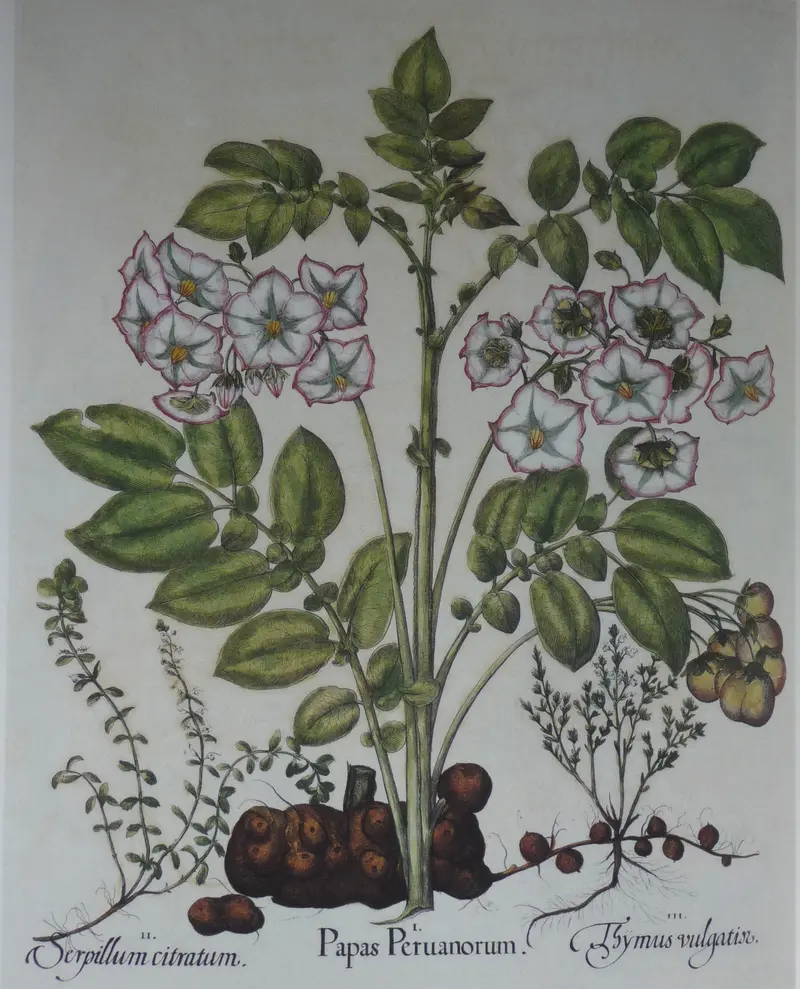
Peruvian Potato Flower (Papas Peruanorum)
Basilius Besler
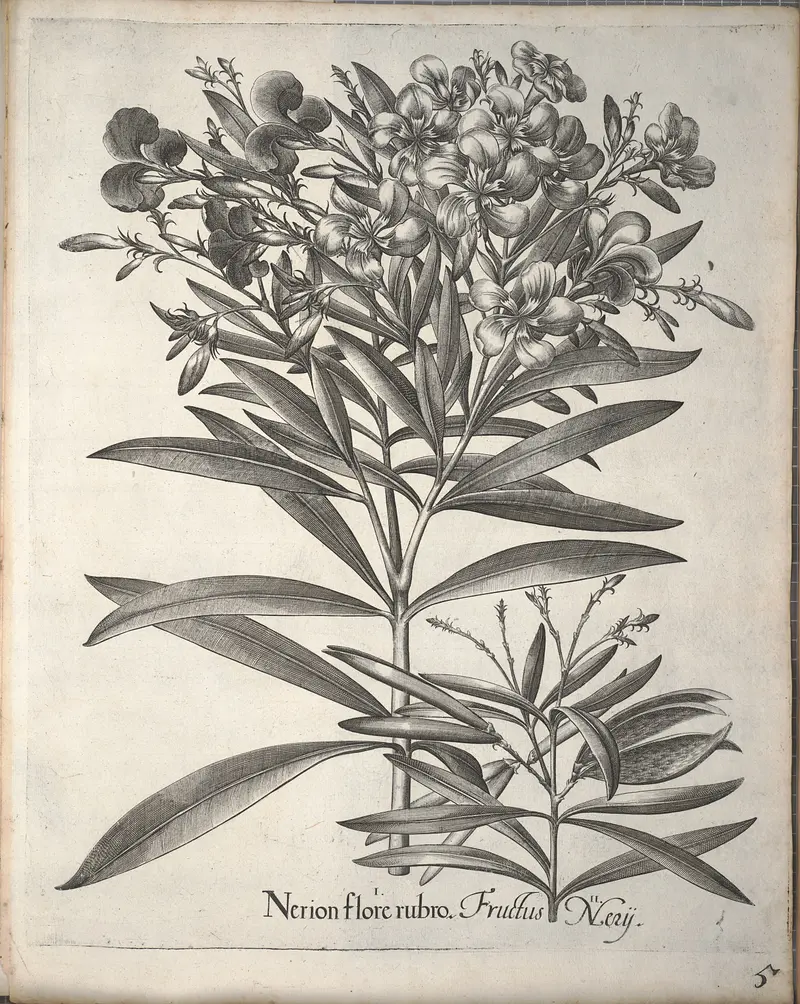
Summer Garden, Plate 5 (Hortus Eystettensis)
Basilius Besler
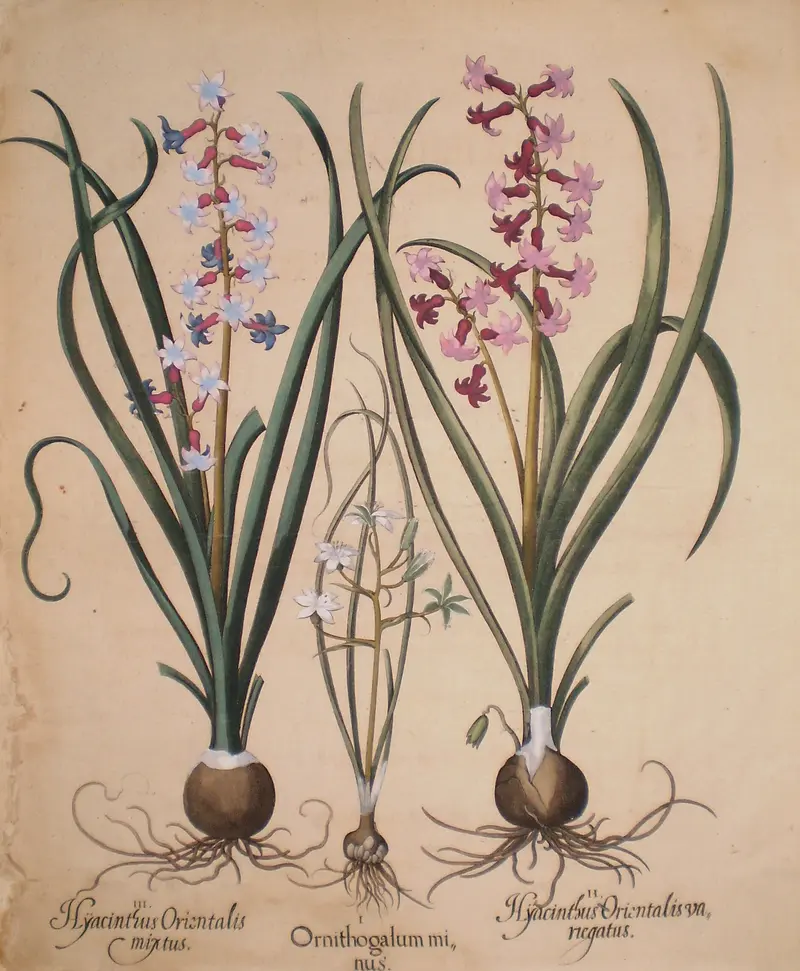
Hyacinths and Star-of-Bethlehem
Basilius Besler
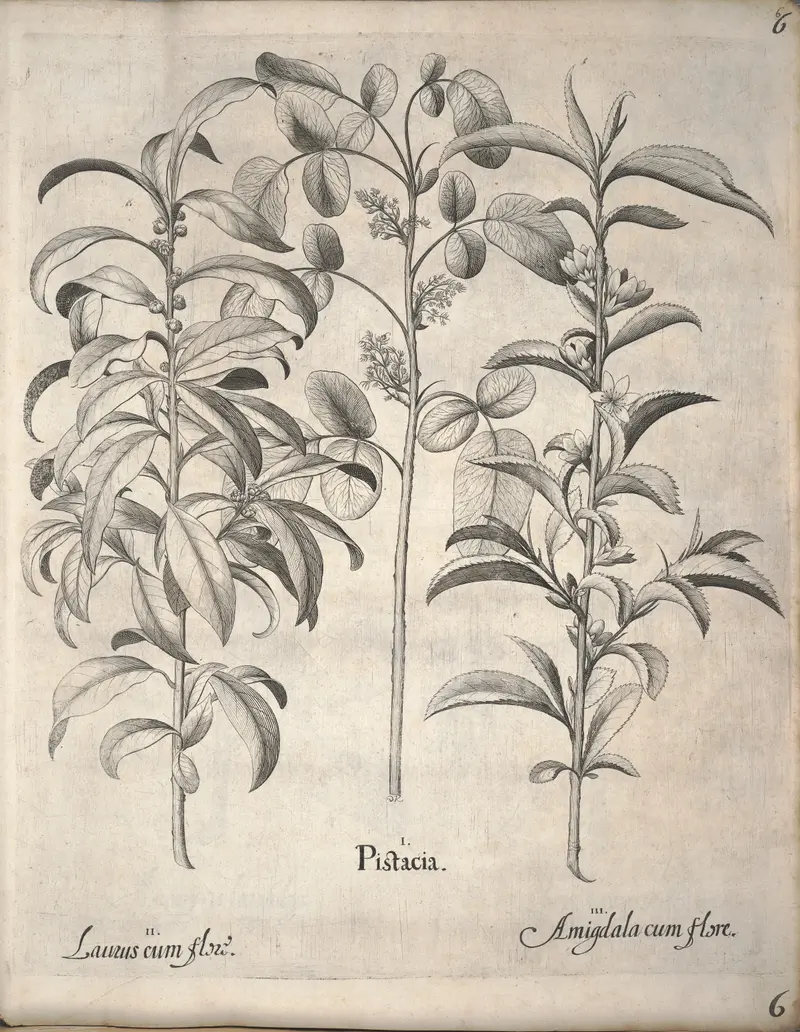
Spring Garden, Plate 6 (Hortus Eystettensis)
Basilius Besler
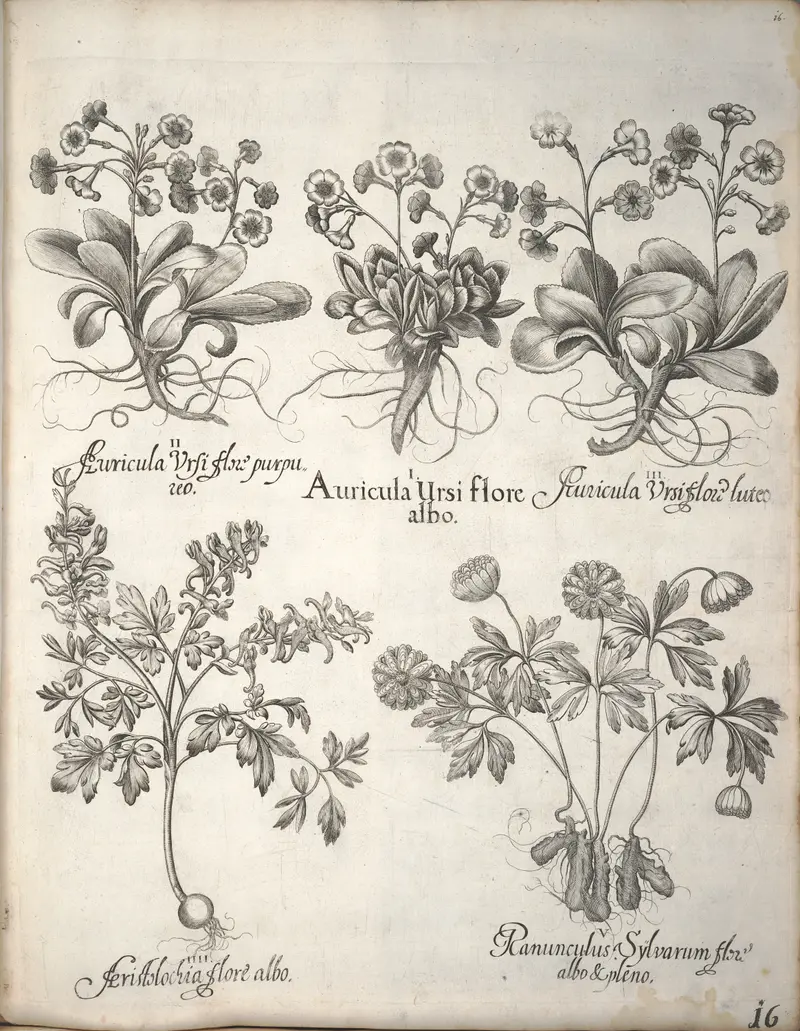
Spring Garden, Plate 16 (Hortus Eystettensis)
Basilius Besler