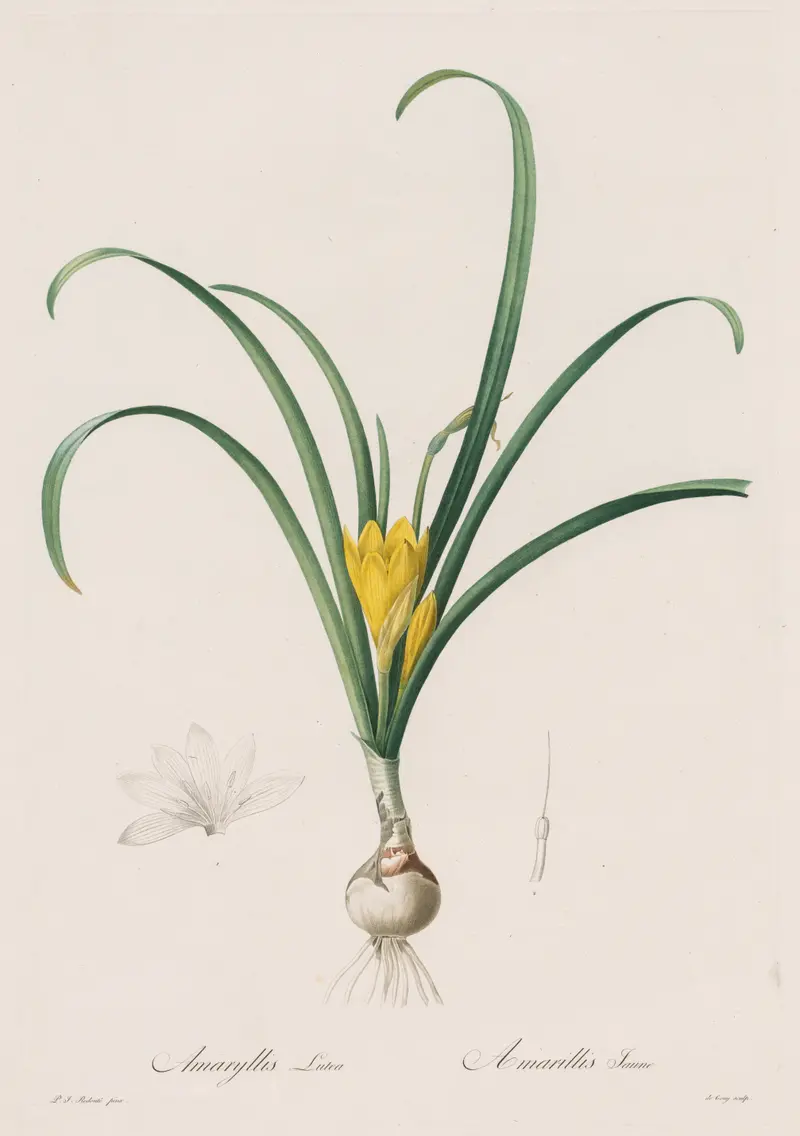
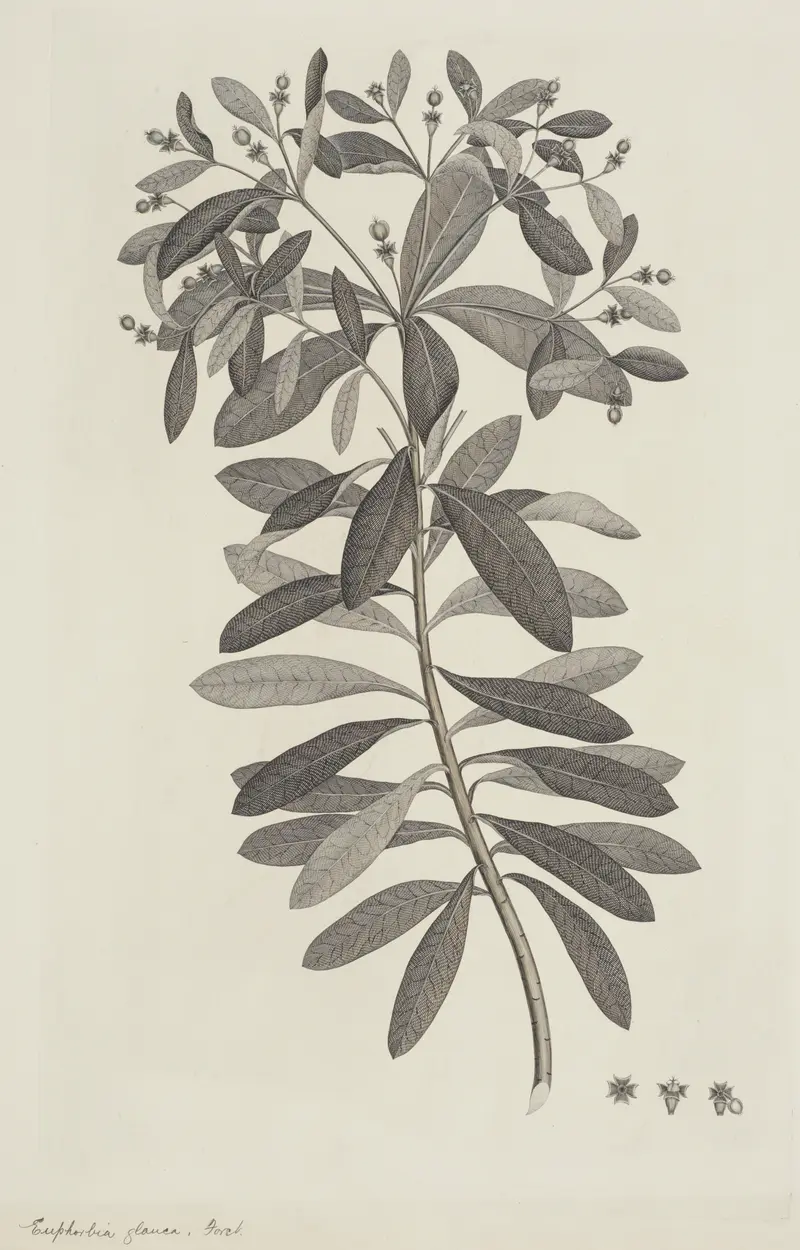
Summer Garden, Plate 5 (Hortus Eystettensis) — History & Facts
What first arrests the viewer here is the sheer abundance of detail, every petal and leaf rendered with the precision of a jeweler. The eye is drawn upward, following the elegant thrust of the oleander’s stem as it branches into a profusion of blossoms, each bloom distinct yet harmoniously clustered. The artist’s mastery is evident in the subtle gradations of line and shadow, which give the foliage a sense of weight and texture—one can almost feel the waxy thickness of the leaves, the delicate papery edge of each flower.
The composition is both scientific and theatrical: the plant is isolated against a blank ground, as if illuminated on a stage, inviting close study and admiration in equal measure. Created in 1640, this plate belongs to a world in which art and science were deeply entwined. Botanical illustration in this era was not merely decorative but essential—commissioned by princes, scholars, and apothecaries eager to catalogue the wonders of the natural world. Basilius Besler’s Hortus Eystettensis, from which this plate comes, stands as one of the great monuments of early modern botanical publishing, a testament to the era’s hunger for order and beauty.
Though little may be recorded about this specific impression, its presence in an online archive today continues the work’s original mission: to delight the eye and instruct the mind, centuries after its creation. Let your gaze linger on the intricacies here, and consider the hands and minds that first brought such gardens to life on the page.
More Artworks by Basilius Besler
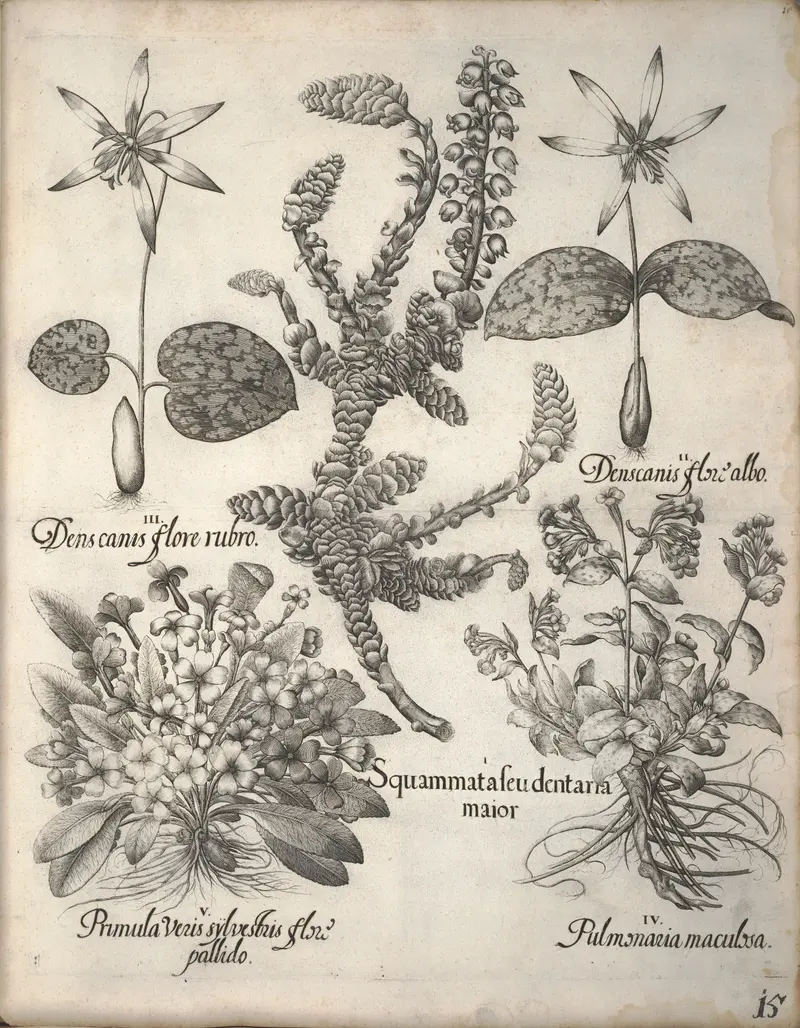
Spring Garden, Plate 15 (Hortus Eystettensis)
Basilius Besler
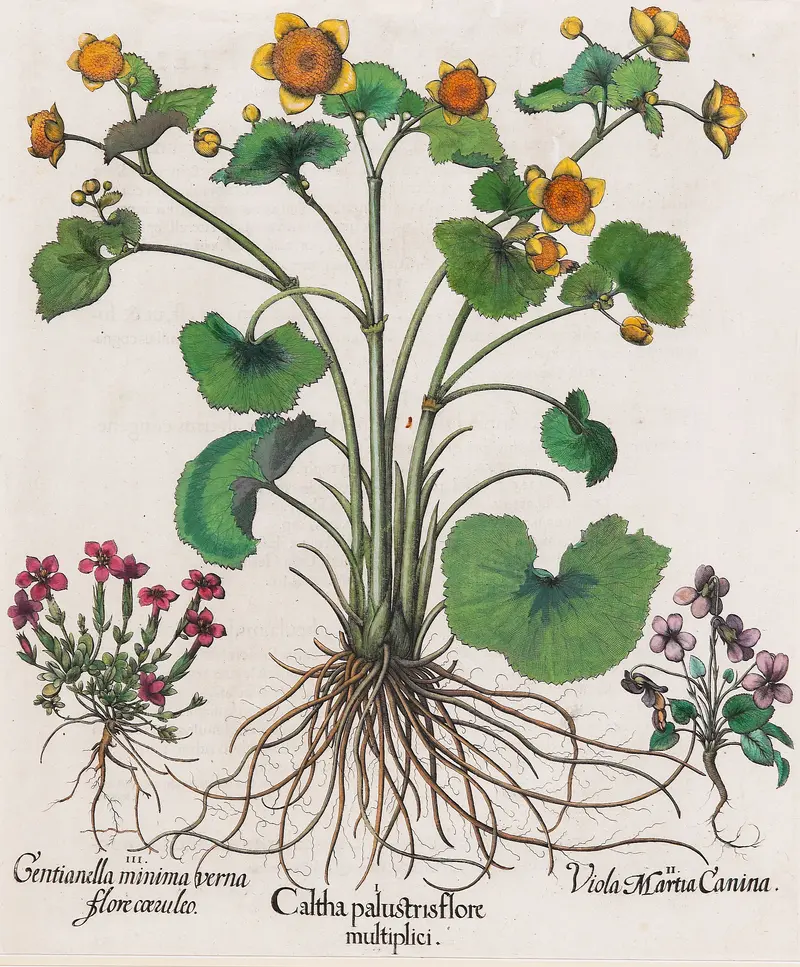
Marsh Marigold (Caltha palustris)
Basilius Besler

Tulips (Hortus Eystettensis)
Basilius Besler

Tulips II (Hortus Eystettensis)
Basilius Besler

Snapdragons (Antirrhinum)
Basilius Besler
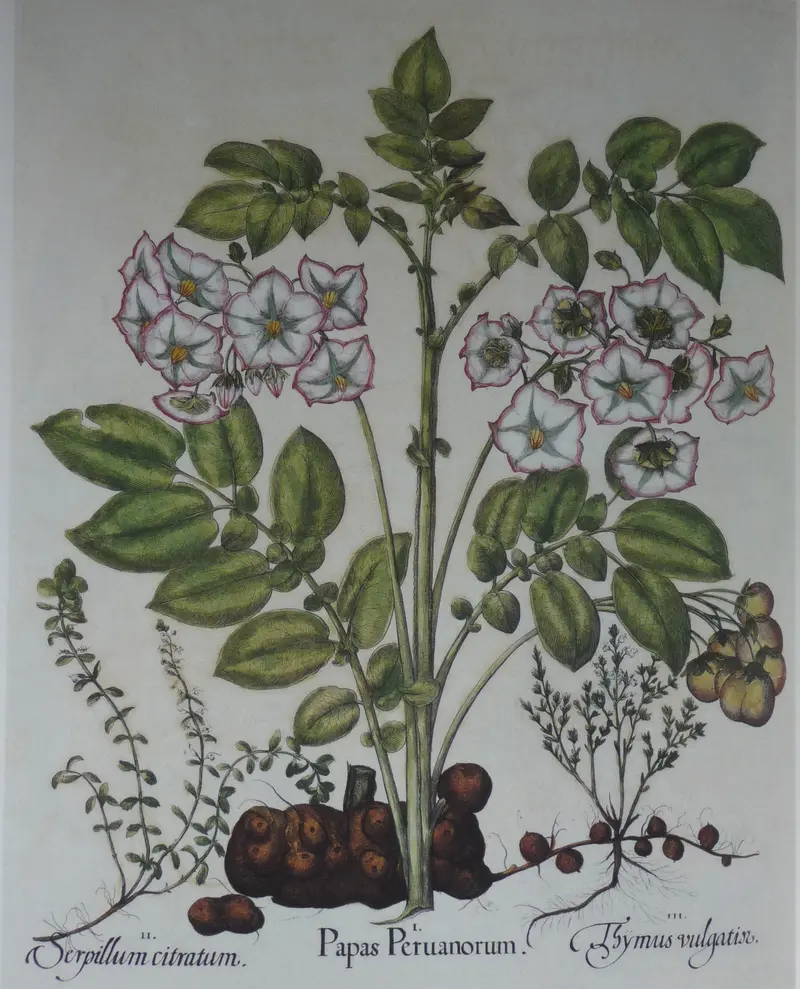
Peruvian Potato Flower (Papas Peruanorum)
Basilius Besler
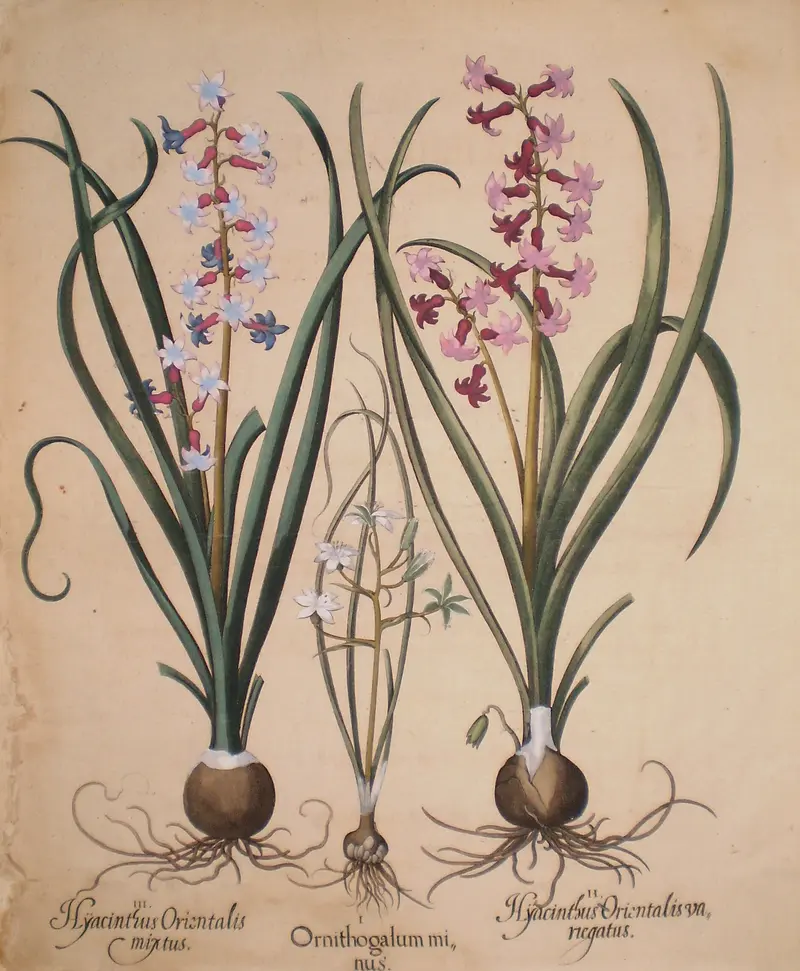
Hyacinths and Star-of-Bethlehem
Basilius Besler
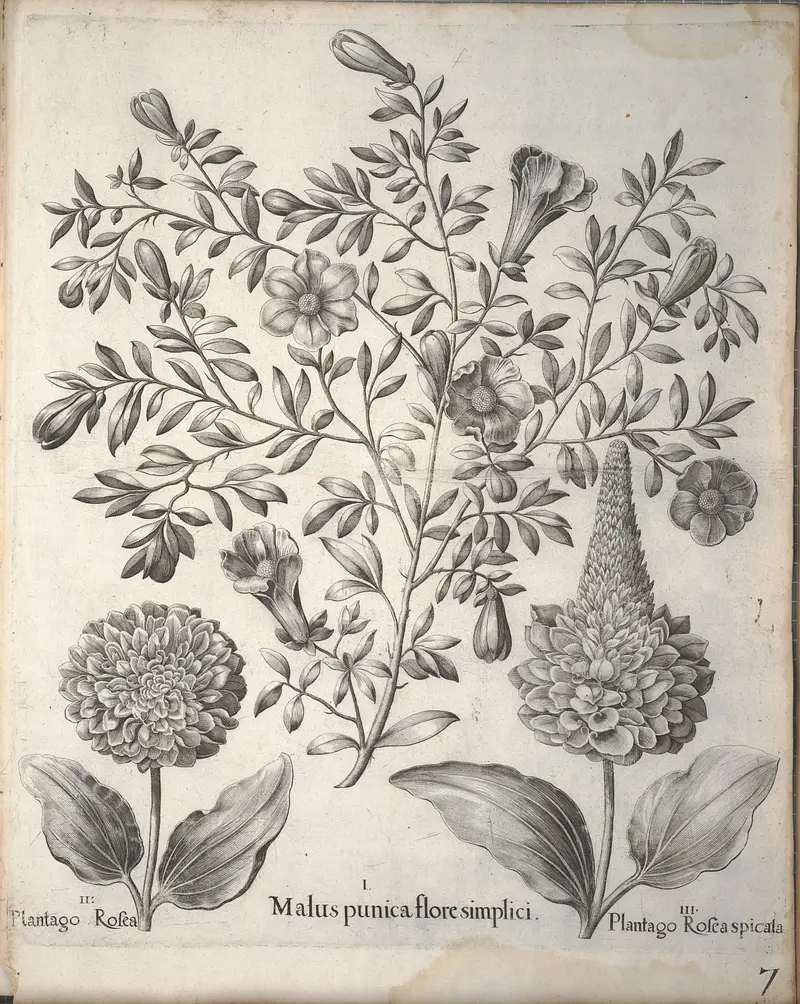
Summer Garden, Plate 7 (Hortus Eystettensis)
Basilius Besler
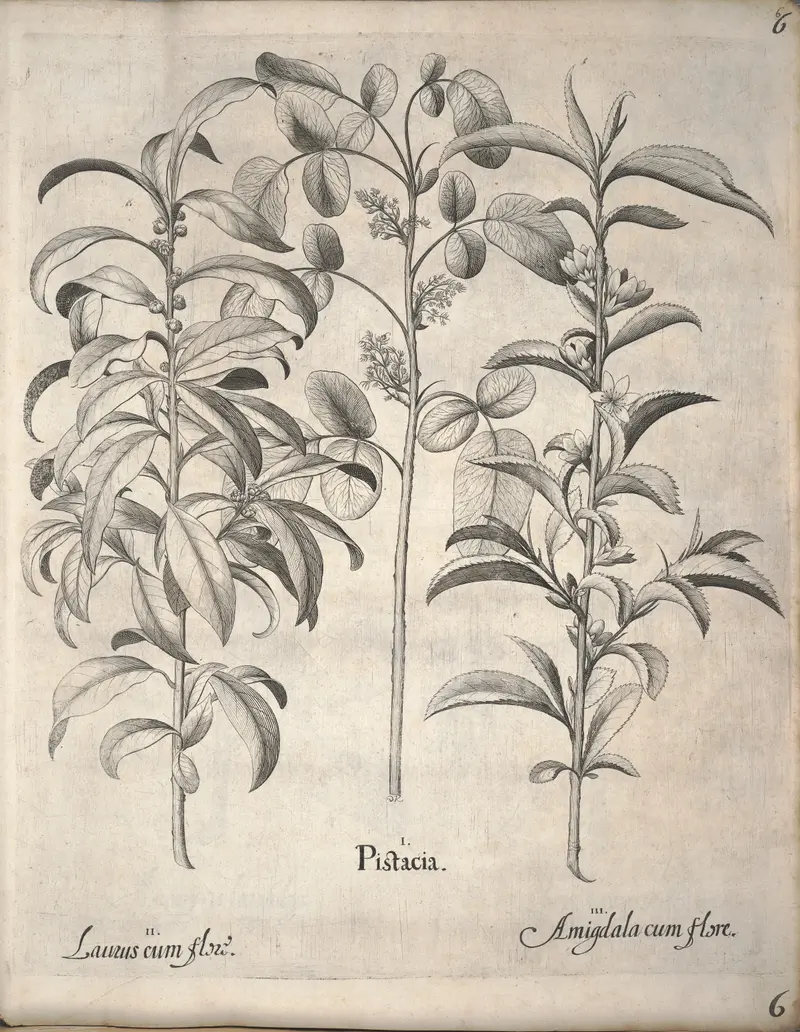
Spring Garden, Plate 6 (Hortus Eystettensis)
Basilius Besler
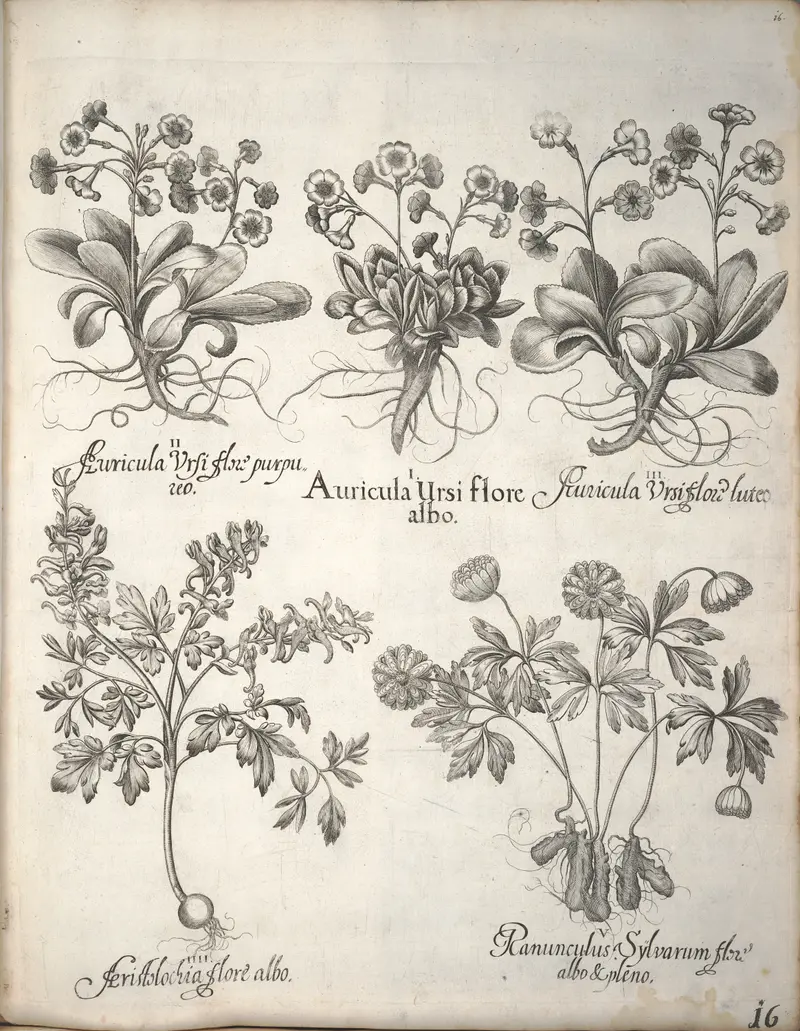
Spring Garden, Plate 16 (Hortus Eystettensis)
Basilius Besler