Tulips II (Hortus Eystettensis) — History & Facts
What first catches the eye in Tulips II (Hortus Eystettensis) is the sense of precision—each tulip stands as if on a stage, roots exposed, petals unfurling, every vein and ripple rendered with almost scientific care. The artist, Basilius Besler, draws the viewer in with a trio of tulip varieties, their blooms poised in different stages of opening, their leaves twisting and arching in a subtle choreography. The yellow tulip on the left glows with layered petals, the central white flower is edged in crimson like a delicate confection, and the rightmost tulip burns with saturated red.
The roots are given as much attention as the blossoms, anchoring each plant in a world of careful observation rather than wild nature. The pale background and absence of landscape focus all attention on the forms themselves, inviting the viewer to marvel at the individuality of each specimen. Created in 1613, this image belongs to a world where art and science were beginning to intertwine in new ways. Botanical illustration flourished in the early seventeenth century, driven by the passion of collectors, apothecaries, and aristocrats for cataloguing the natural world.
Hortus Eystettensis, from which this plate comes, was one of the grandest florilegia of its age—a visual encyclopedia for scholars and gardeners alike, produced at a time when tulips were coveted rarities. The artist’s name, Basilius Besler, is linked to this monumental project, but history has kept few traces of the individual stories behind each plate. As you look again at these tulips, consider them not just as flowers, but as emblems of an era hungry for knowledge and beauty, preserved in the crisp lines and luminous color of this page.
More Artworks by Basilius Besler
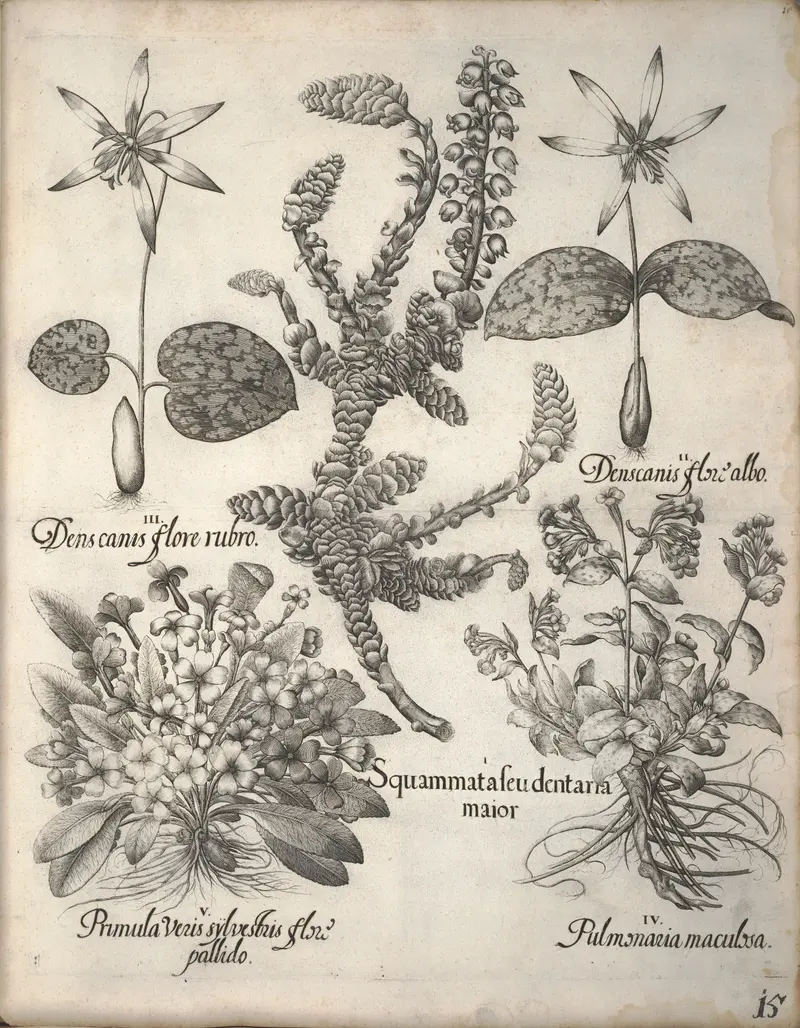
Spring Garden, Plate 15 (Hortus Eystettensis)
Basilius Besler
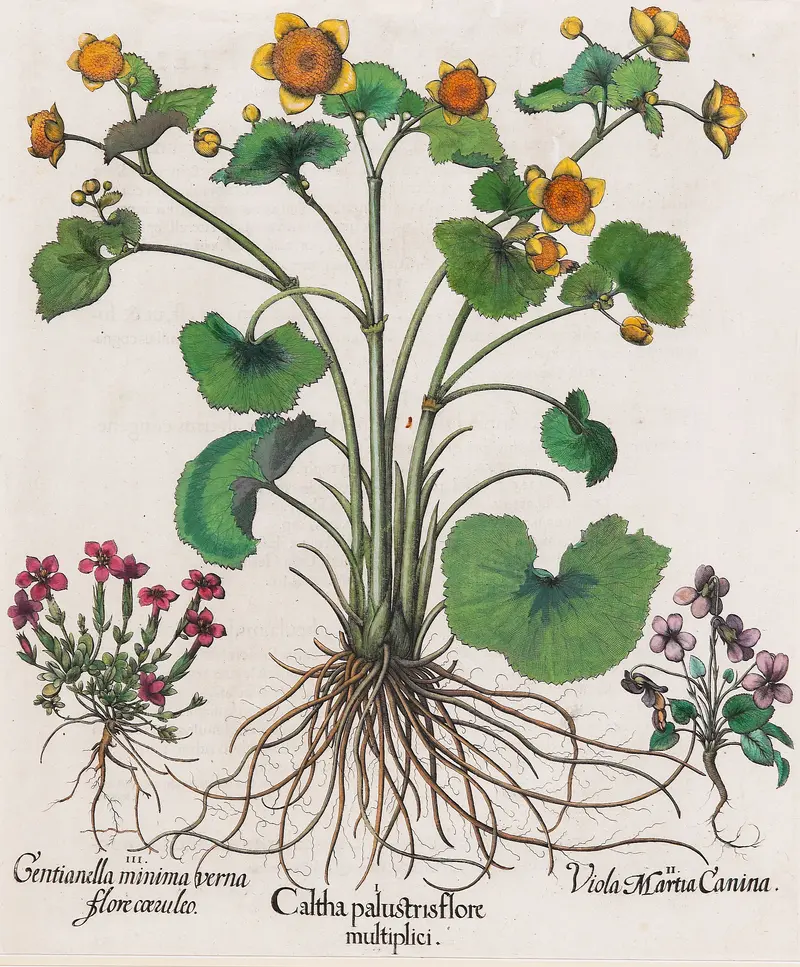
Marsh Marigold (Caltha palustris)
Basilius Besler

Tulips (Hortus Eystettensis)
Basilius Besler

Snapdragons (Antirrhinum)
Basilius Besler
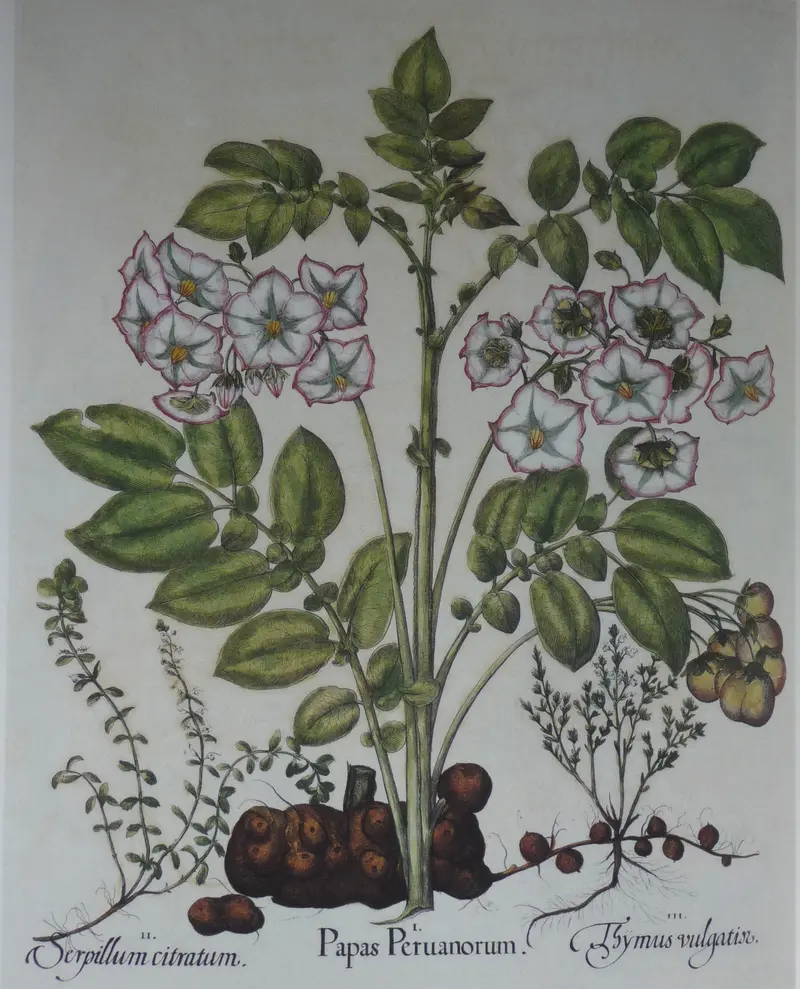
Peruvian Potato Flower (Papas Peruanorum)
Basilius Besler
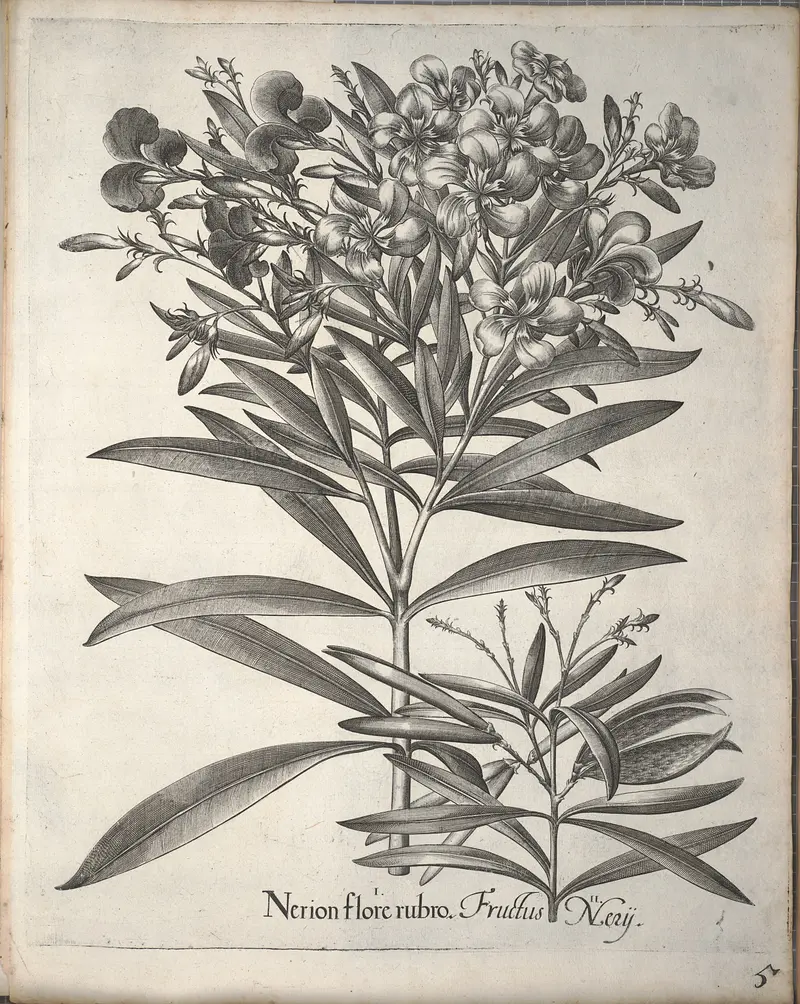
Summer Garden, Plate 5 (Hortus Eystettensis)
Basilius Besler
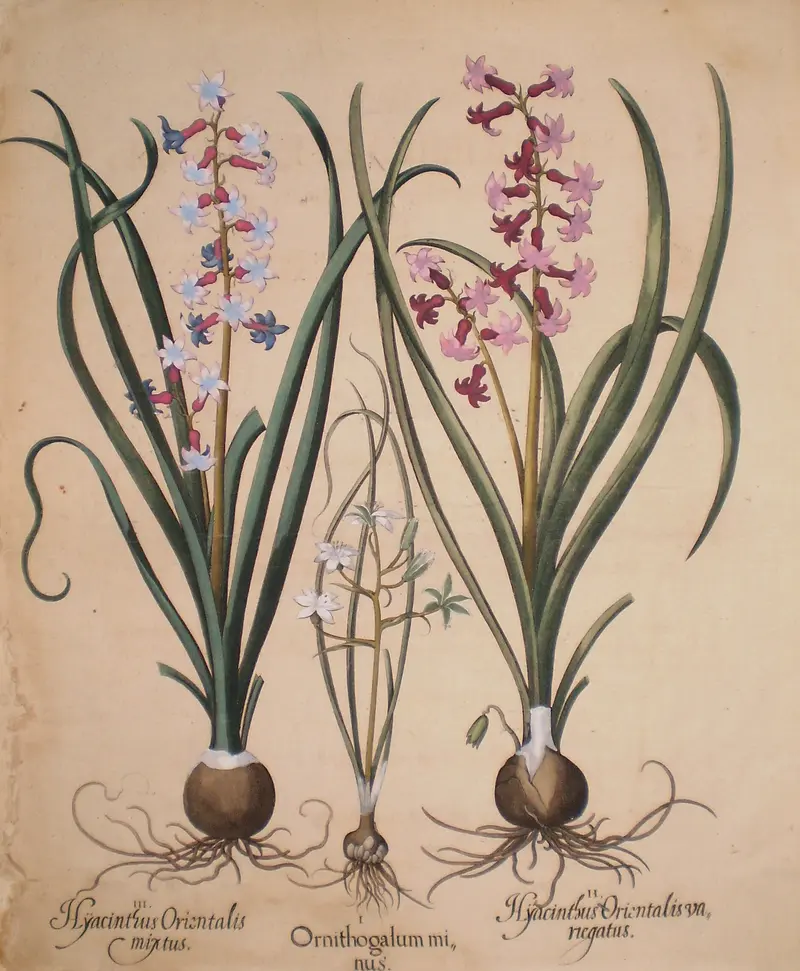
Hyacinths and Star-of-Bethlehem
Basilius Besler
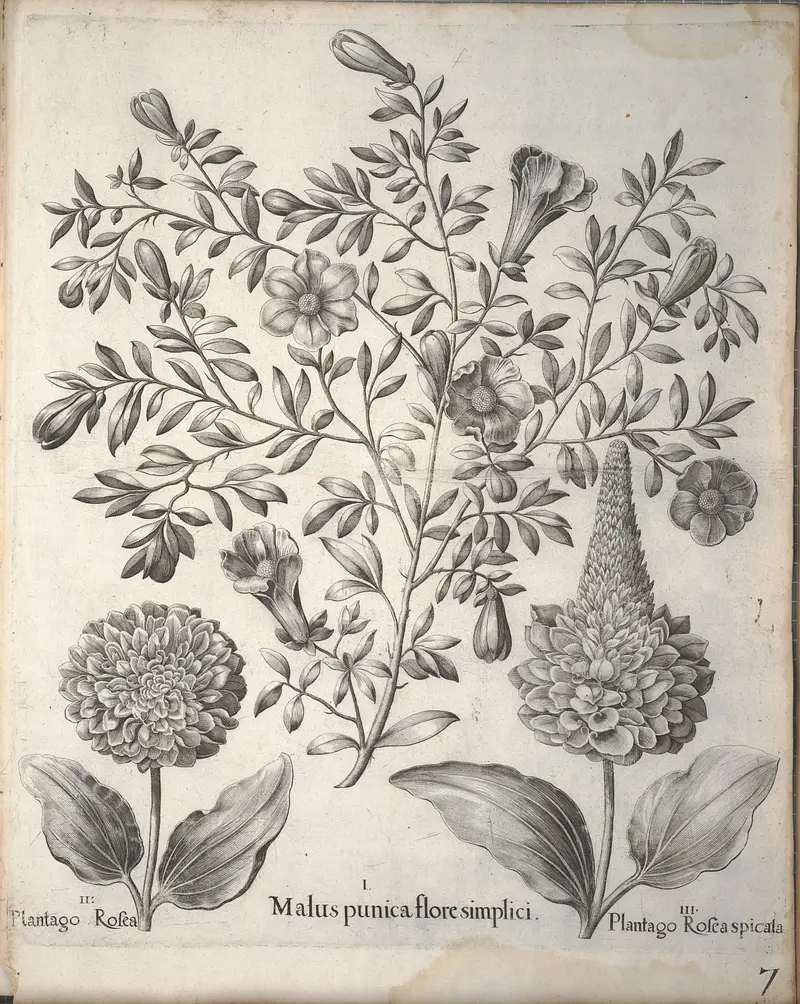
Summer Garden, Plate 7 (Hortus Eystettensis)
Basilius Besler
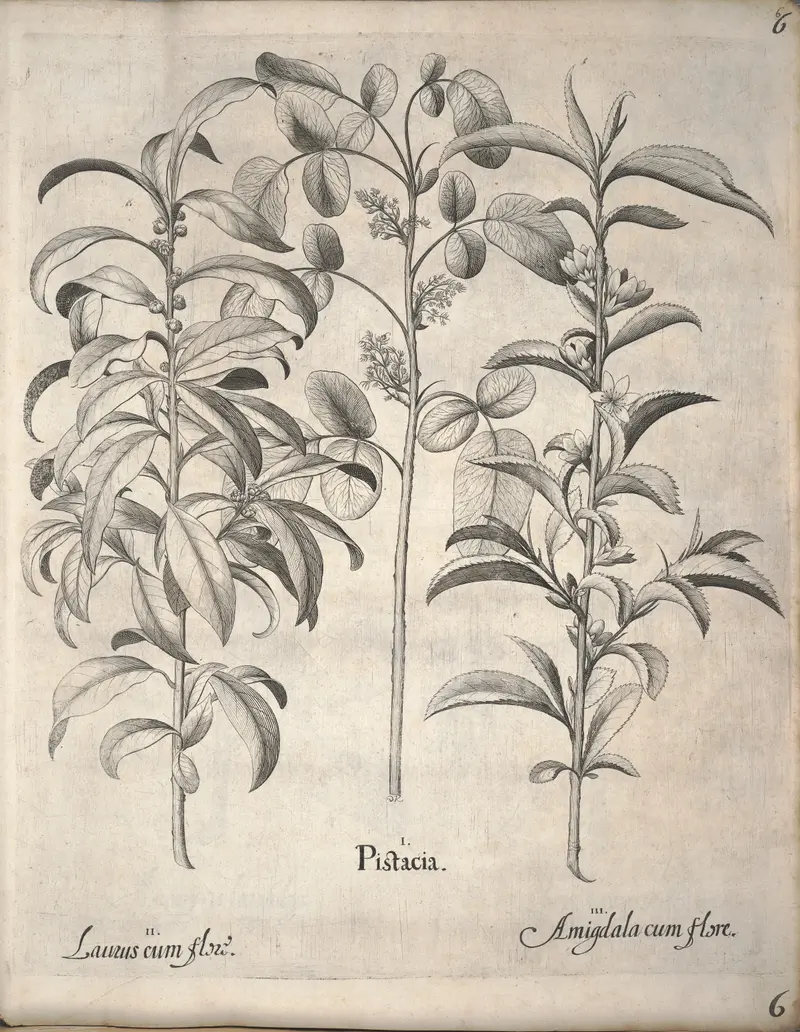
Spring Garden, Plate 6 (Hortus Eystettensis)
Basilius Besler
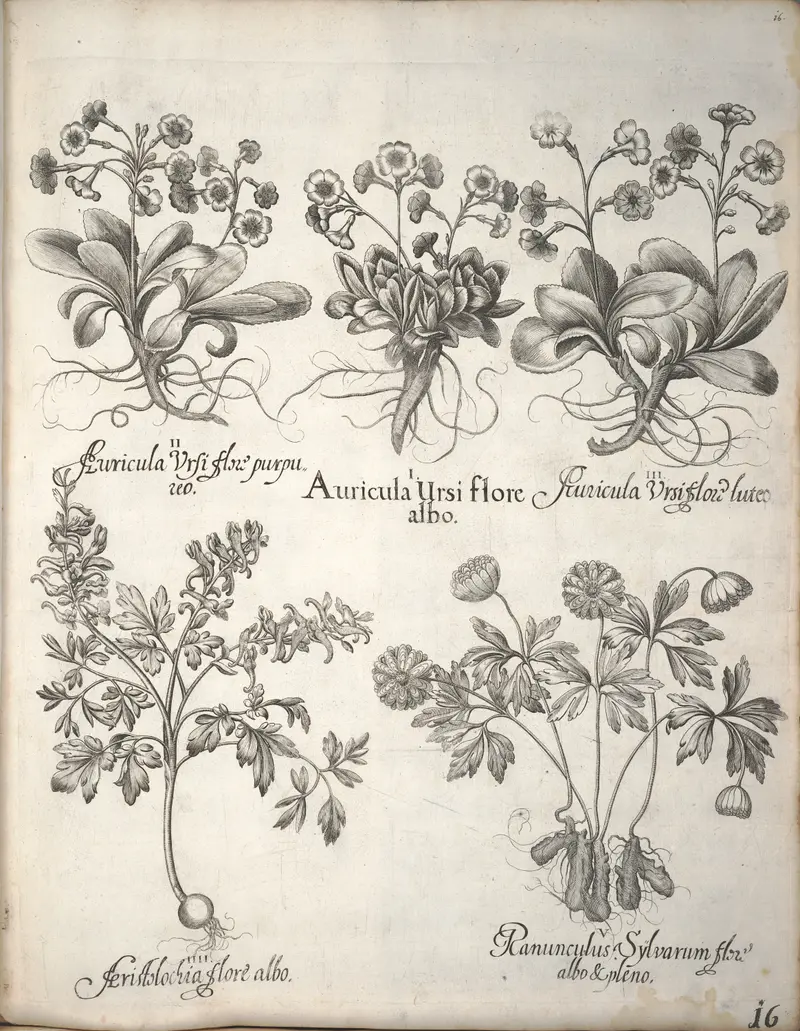
Spring Garden, Plate 16 (Hortus Eystettensis)
Basilius Besler