Tulips (Hortus Eystettensis) — History & Facts
What first catches the eye is the parade of tulips, each standing upright as if on stage, their roots exposed to the viewer like a secret revealed. The artist has arranged these blooms with scientific precision, yet there is a quiet drama in the way each flower asserts its individuality—petals flaring, curling, or striped with unexpected color. The bulbs below, rendered with the same care as the blossoms, remind us that beauty begins in darkness and earth.
The palette is crisp and clear, the background left bare so that every vein and shadow in the leaves can be studied. Even the Latin names, flowing in elegant script beneath each specimen, are part of the composition, guiding the viewer’s gaze from one marvel to the next. Created in 1613, this plate from Hortus Eystettensis belongs to a world where art and science were inseparable partners. Botanical illustrations like this were commissioned by princes, scholars, and apothecaries eager to catalogue the wonders of their gardens and the far-off lands from which these plants arrived.
In the early seventeenth century, tulips were not only prized for their beauty but also for their rarity and the feverish speculation they inspired—foreshadowing the famous Dutch tulip mania. Basilius Besler, the artist, worked at a time when such images served both as scientific documents and as status symbols, testifying to the owner’s wealth and curiosity. The careful detail and clarity invite us to look again, not just at the flowers, but at the world of discovery and desire that brought them to the page.
More Artworks by Basilius Besler
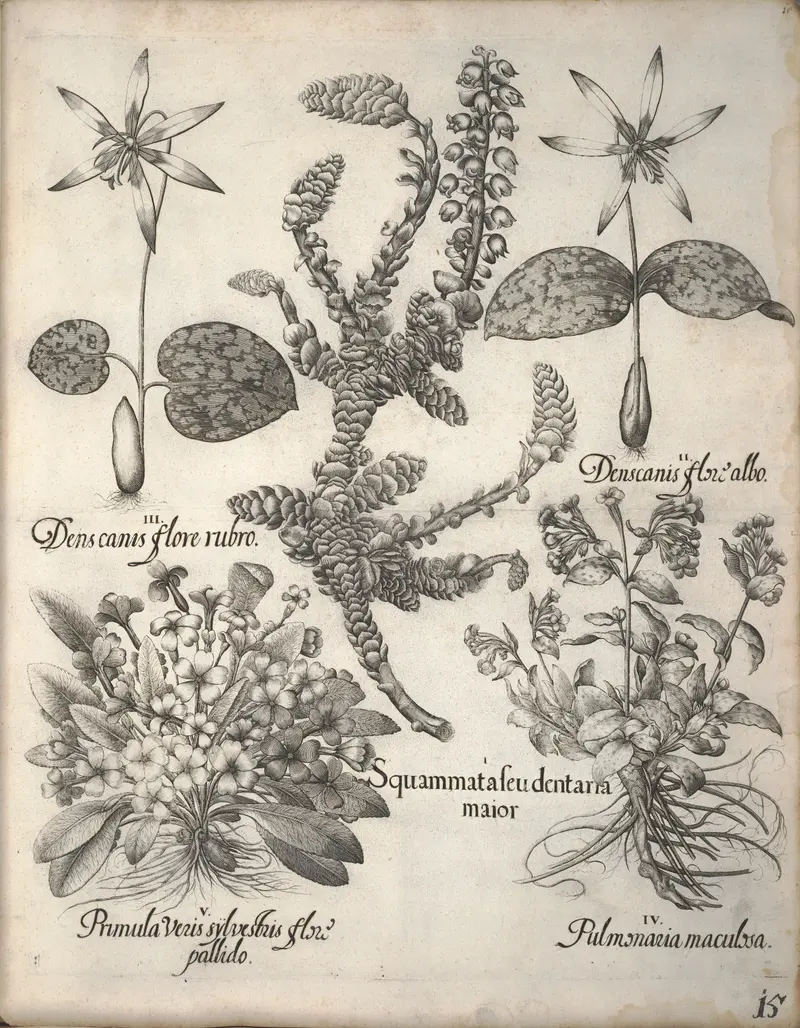
Spring Garden, Plate 15 (Hortus Eystettensis)
Basilius Besler
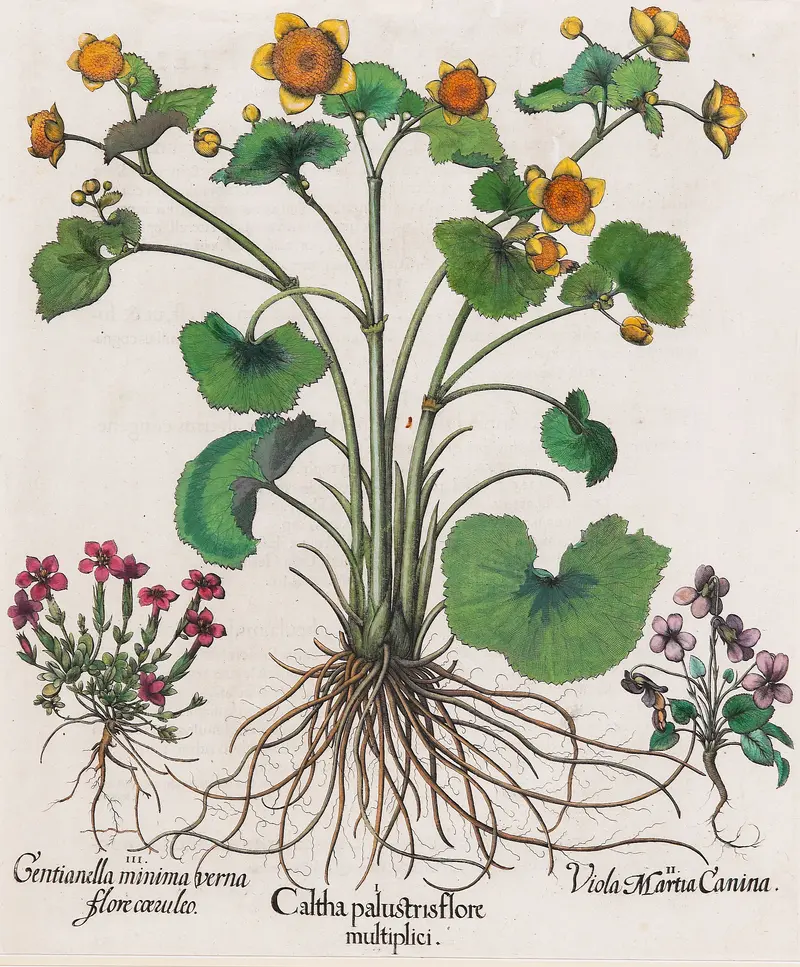
Marsh Marigold (Caltha palustris)
Basilius Besler

Tulips II (Hortus Eystettensis)
Basilius Besler

Snapdragons (Antirrhinum)
Basilius Besler
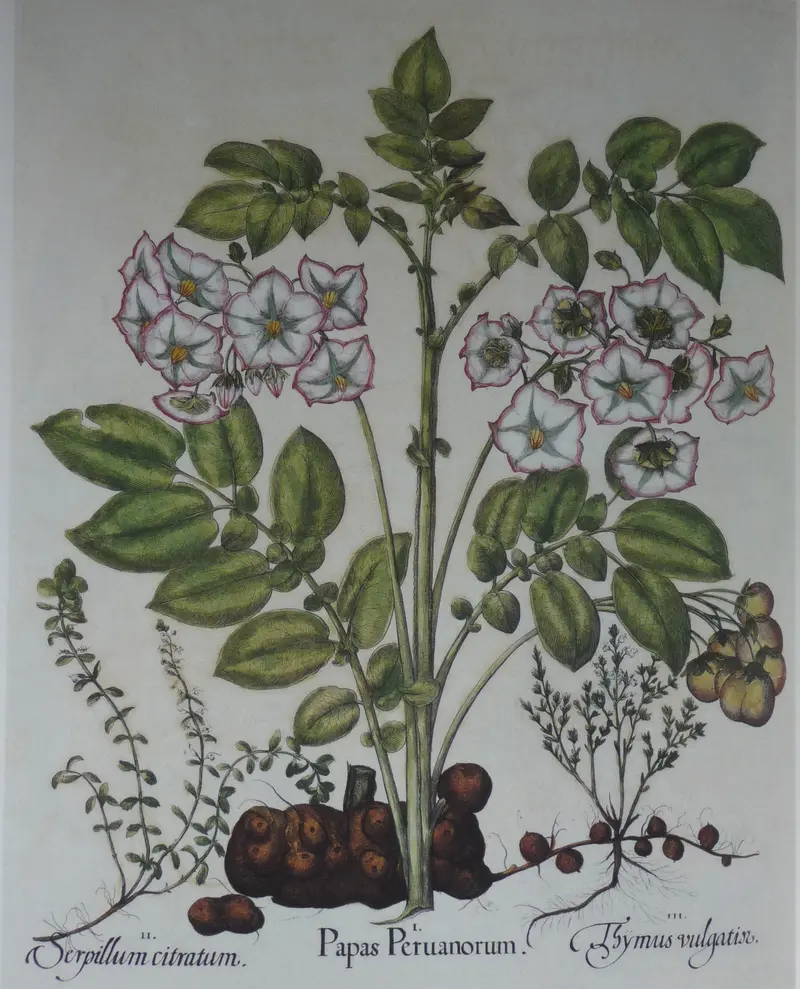
Peruvian Potato Flower (Papas Peruanorum)
Basilius Besler
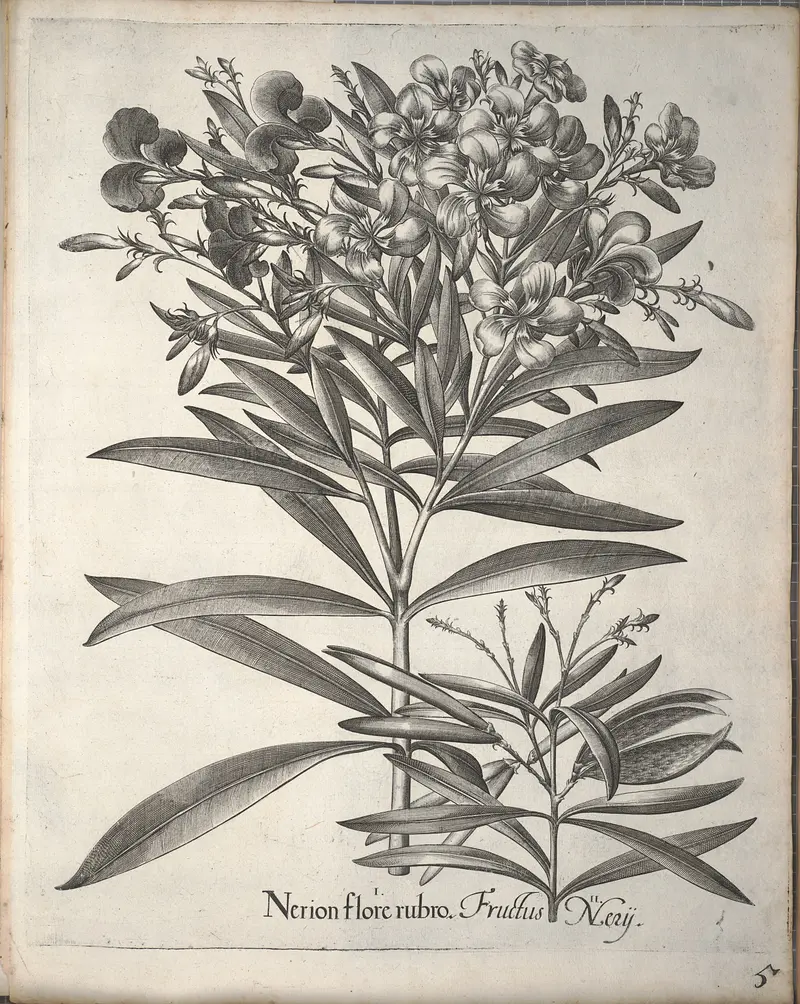
Summer Garden, Plate 5 (Hortus Eystettensis)
Basilius Besler
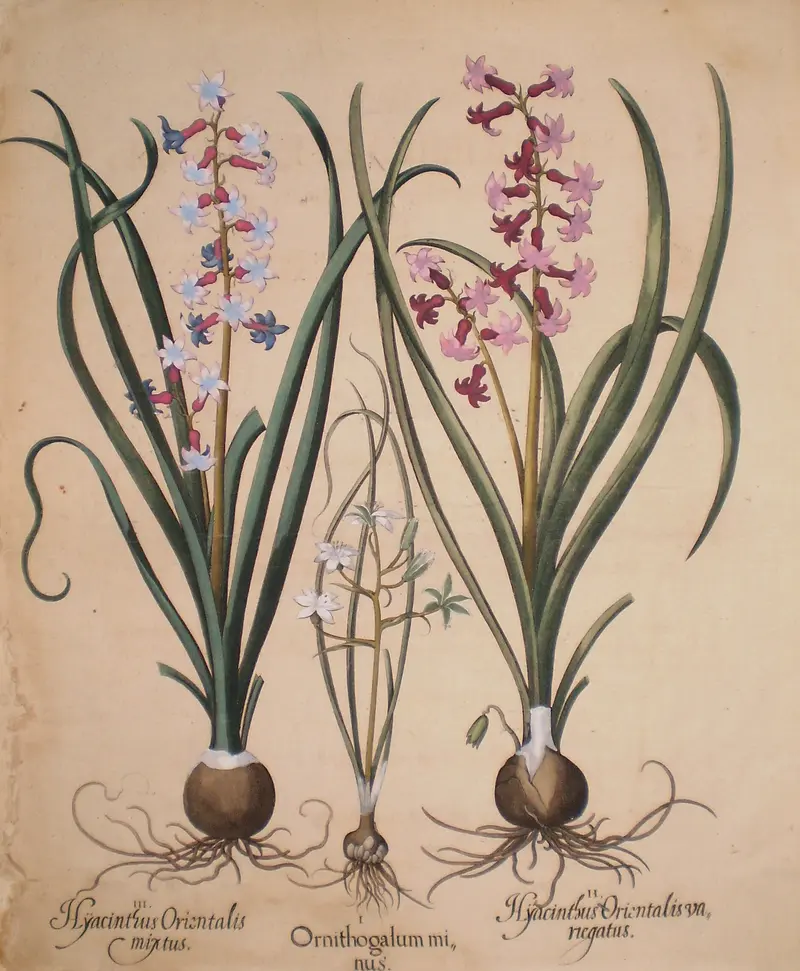
Hyacinths and Star-of-Bethlehem
Basilius Besler
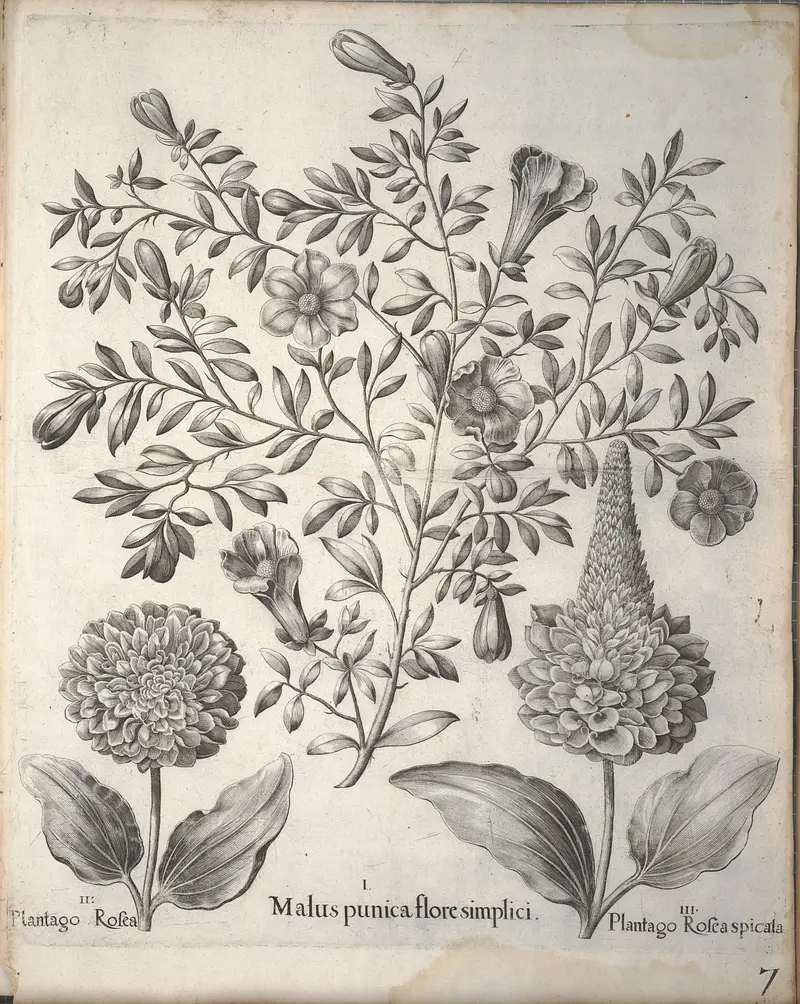
Summer Garden, Plate 7 (Hortus Eystettensis)
Basilius Besler
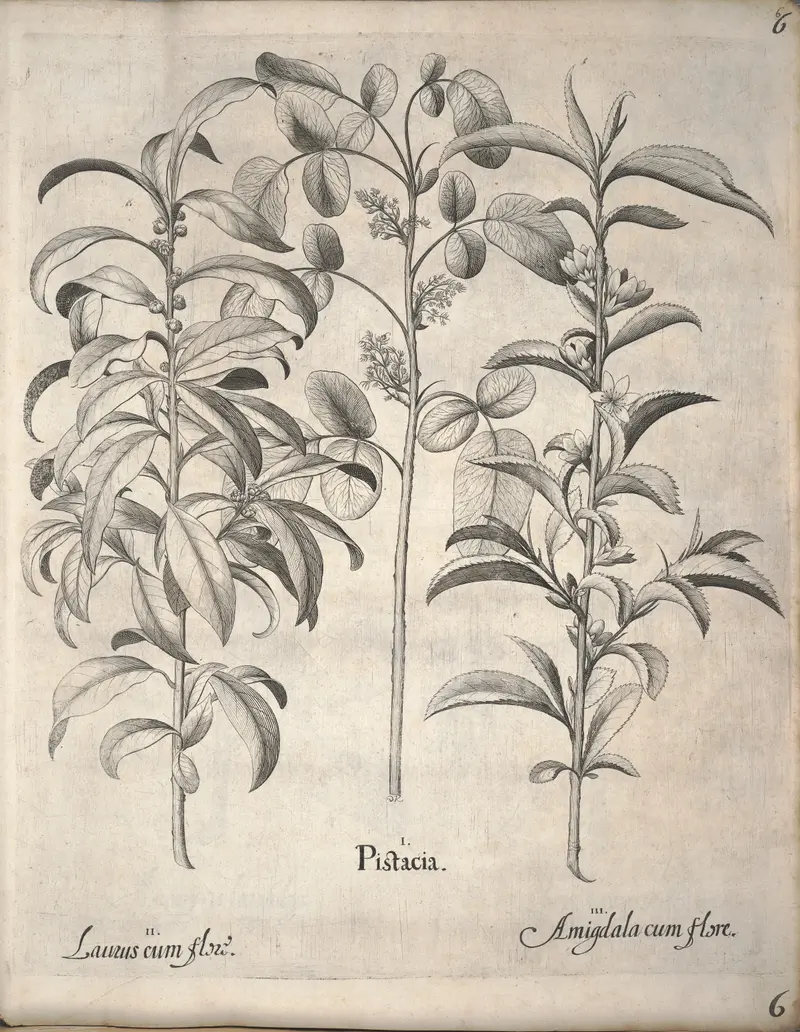
Spring Garden, Plate 6 (Hortus Eystettensis)
Basilius Besler
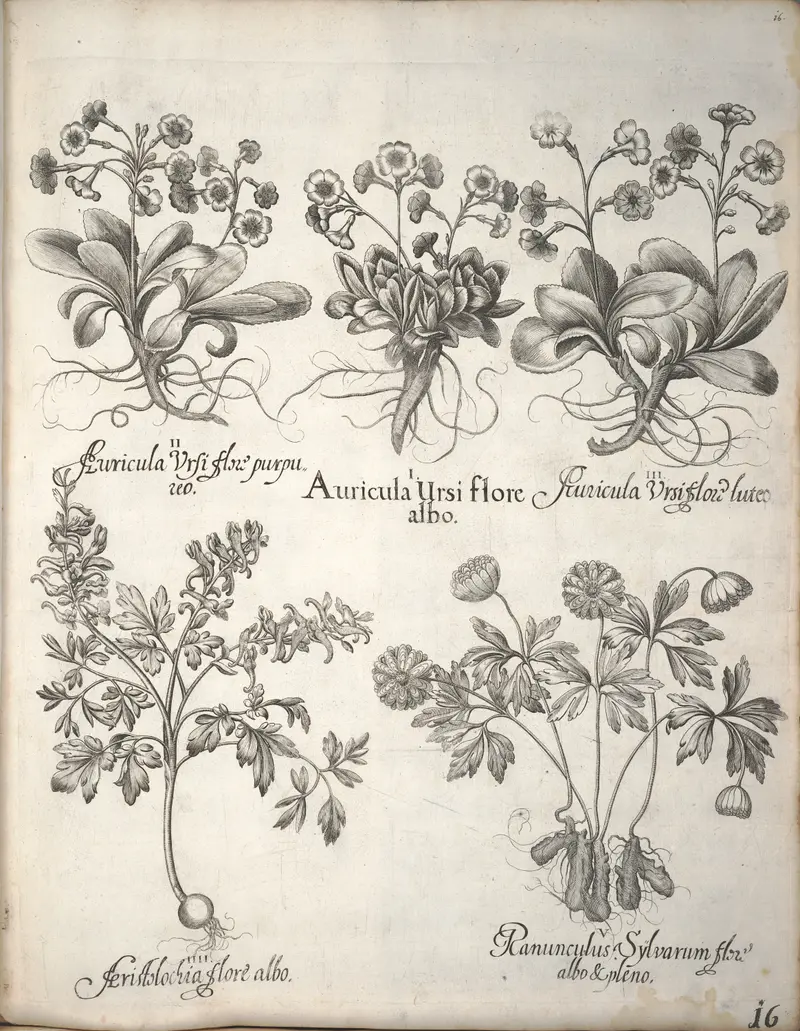
Spring Garden, Plate 16 (Hortus Eystettensis)
Basilius Besler