Snapdragons (Antirrhinum) — History & Facts
What first catches the eye in Snapdragons (Antirrhinum) is the sense of quiet order, as if each stem has been invited to present itself for careful inspection. Three varieties of snapdragon stand upright, their roots exposed and their blossoms rendered with a clarity that feels almost scientific. The artist has placed each plant against a pale, neutral ground, letting the crisp outlines and subtle gradations of color do the work of drawing the viewer in.
The leftmost stem, with its slender leaves and tiny buds, leads the gaze to the central spike, where pale blue flowers open delicately, before arriving at the rightmost plant, whose bold red blooms seem to trumpet their presence. Every detail—the veining of the leaves, the twist of a root—serves to distinguish one species from another, inviting comparison and close study. Created in 1613, this work belongs to a world where art and science were rapidly converging. Botanical illustration in the early seventeenth century was not merely decorative; it was a tool for knowledge, essential to apothecaries, physicians, and scholars cataloguing the natural world.
The artist, Basilius Besler, was part of this movement, contributing to the celebrated Celeberrimi Eystettensis—a monumental florilegium produced in Nuremberg. This particular drawing, now preserved in the Libreria antiquaria Bourlot di Marco Birocco in Turin, stands as a testament to the era’s hunger for order and discovery. Little is recorded about the individual journey of this sheet, but its survival allows us to witness the moment when observation became a form of wonder.
More Artworks by Basilius Besler
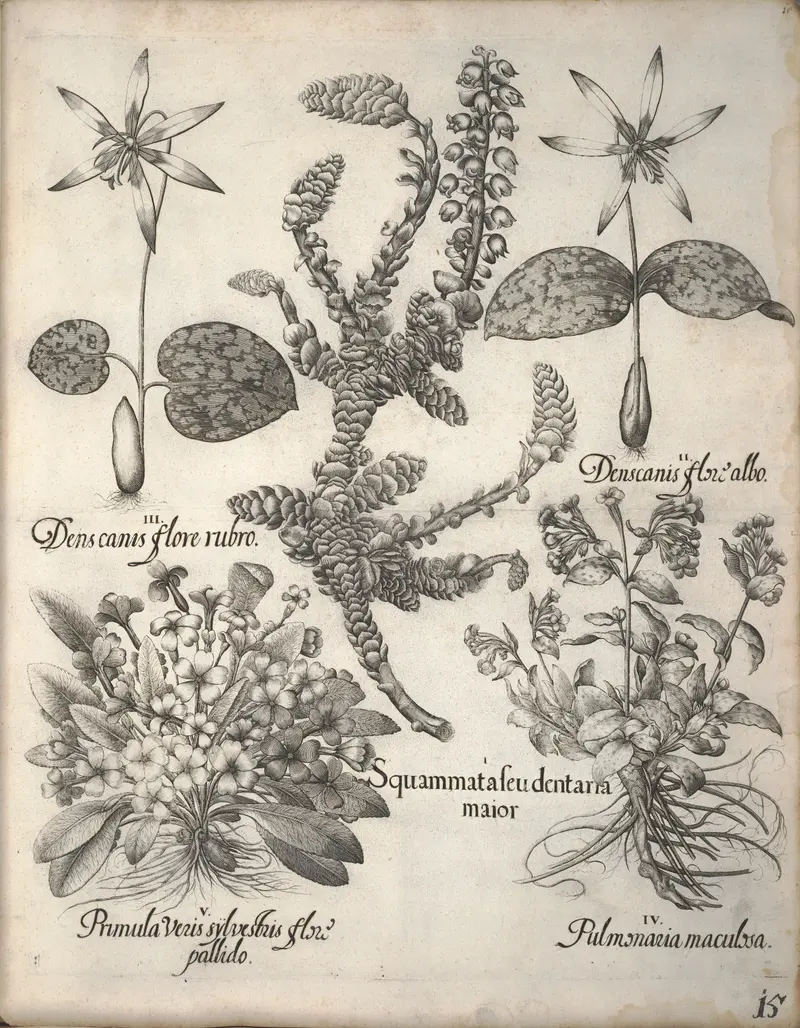
Spring Garden, Plate 15 (Hortus Eystettensis)
Basilius Besler
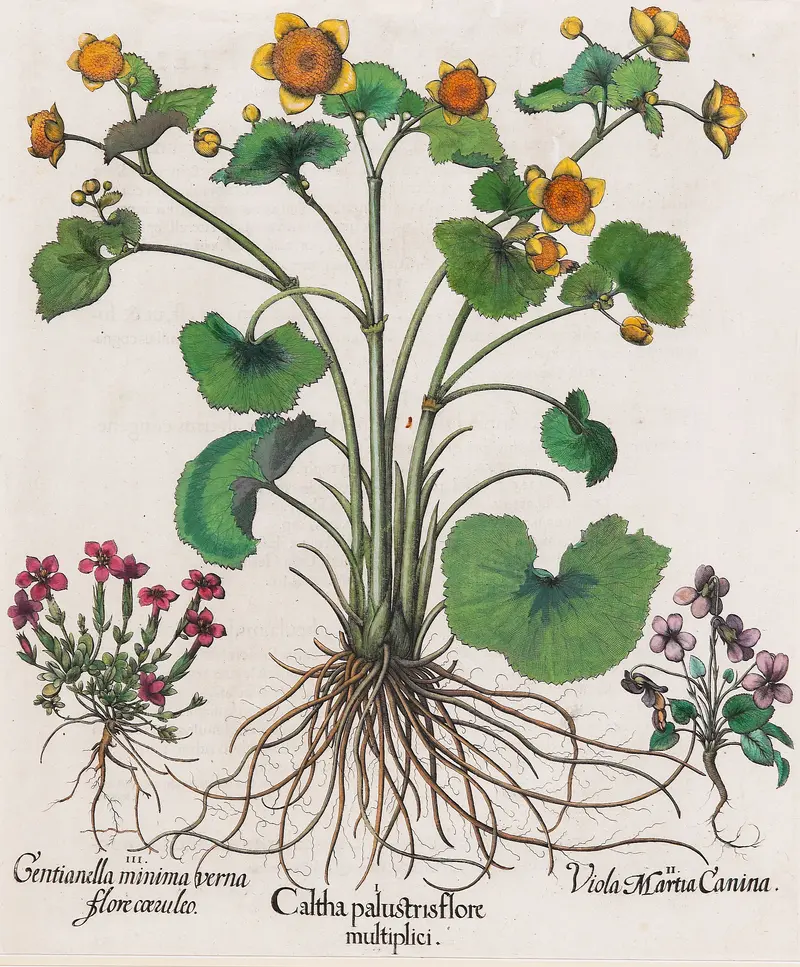
Marsh Marigold (Caltha palustris)
Basilius Besler

Tulips (Hortus Eystettensis)
Basilius Besler

Tulips II (Hortus Eystettensis)
Basilius Besler
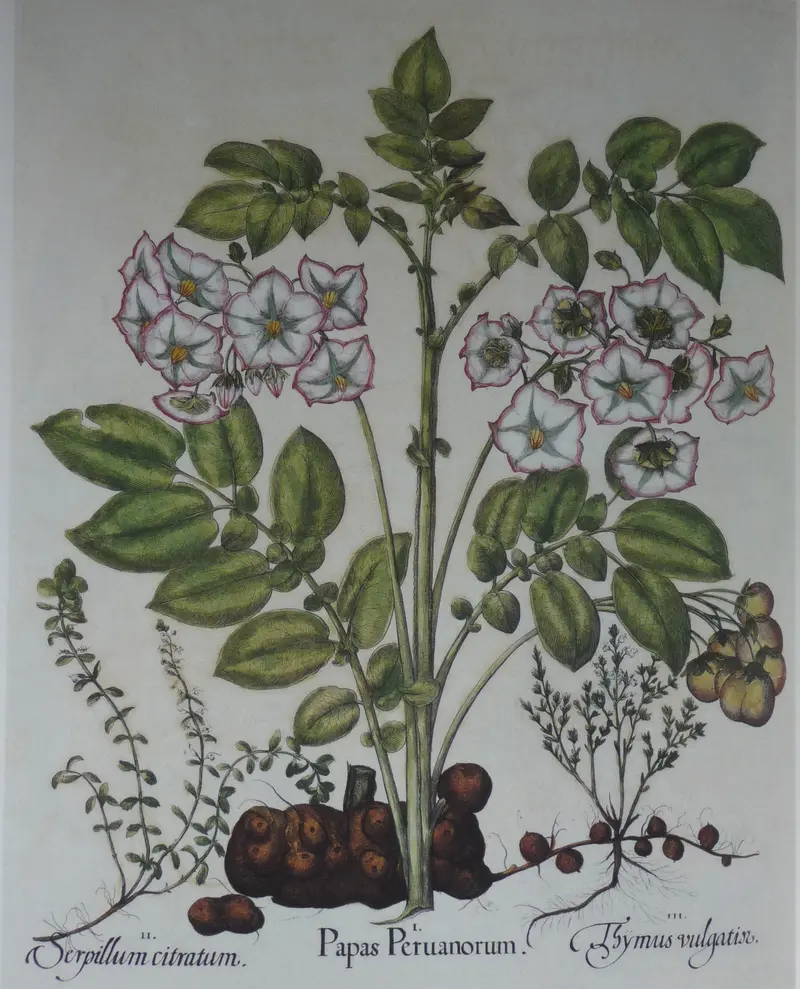
Peruvian Potato Flower (Papas Peruanorum)
Basilius Besler
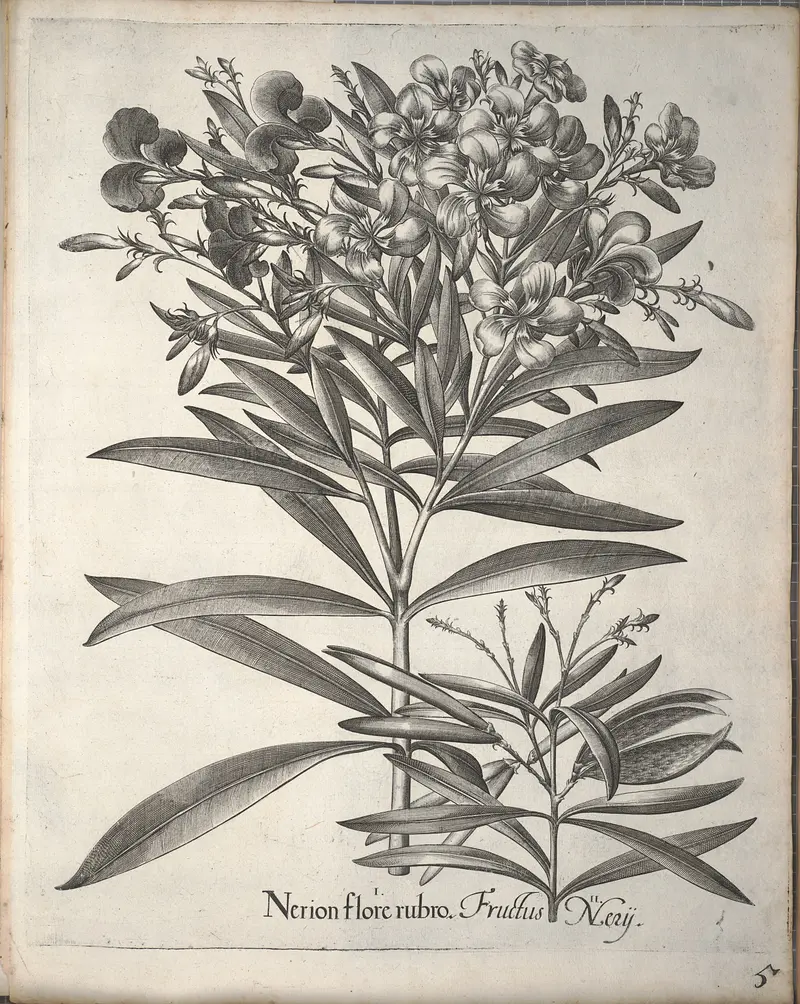
Summer Garden, Plate 5 (Hortus Eystettensis)
Basilius Besler
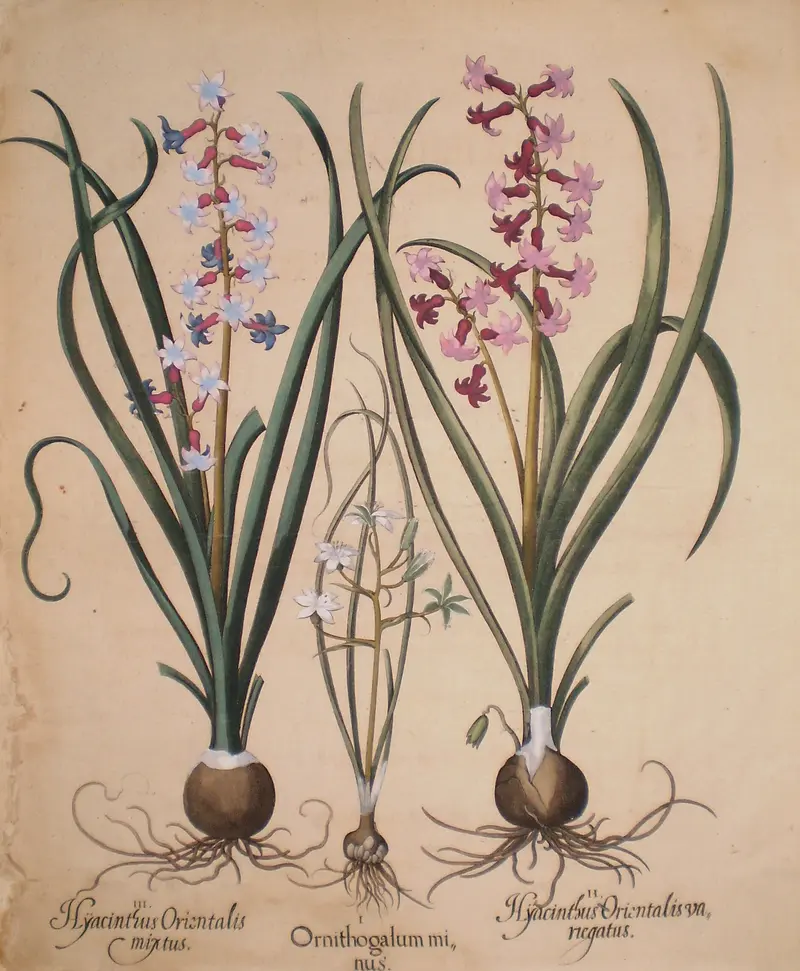
Hyacinths and Star-of-Bethlehem
Basilius Besler
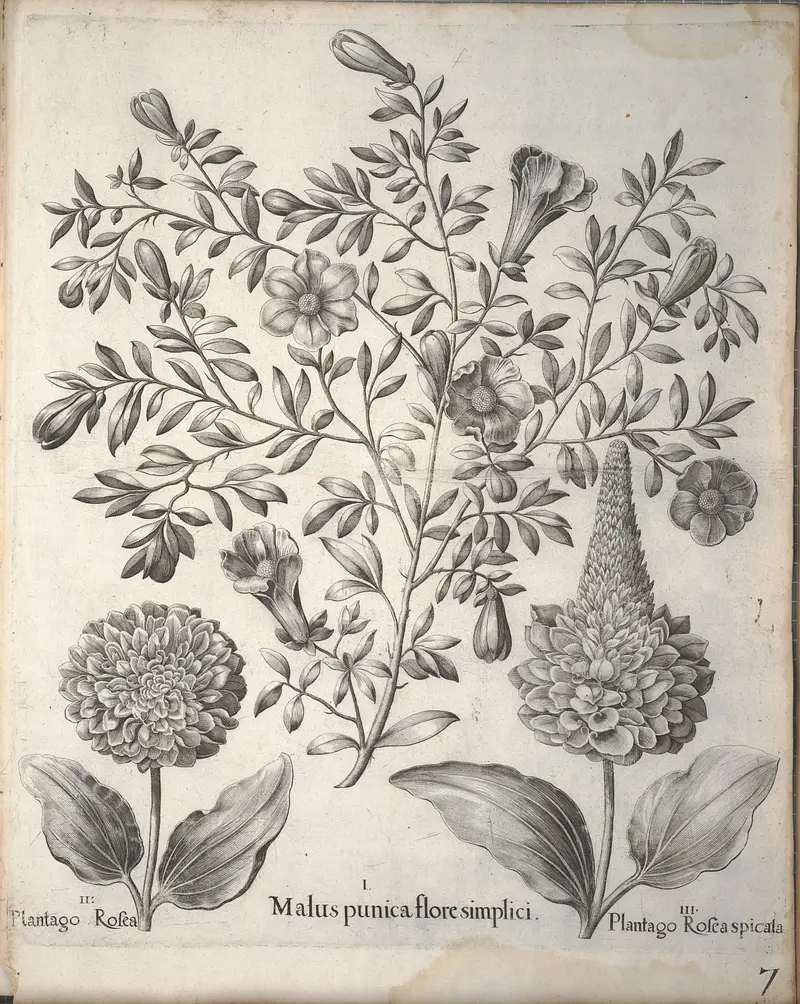
Summer Garden, Plate 7 (Hortus Eystettensis)
Basilius Besler
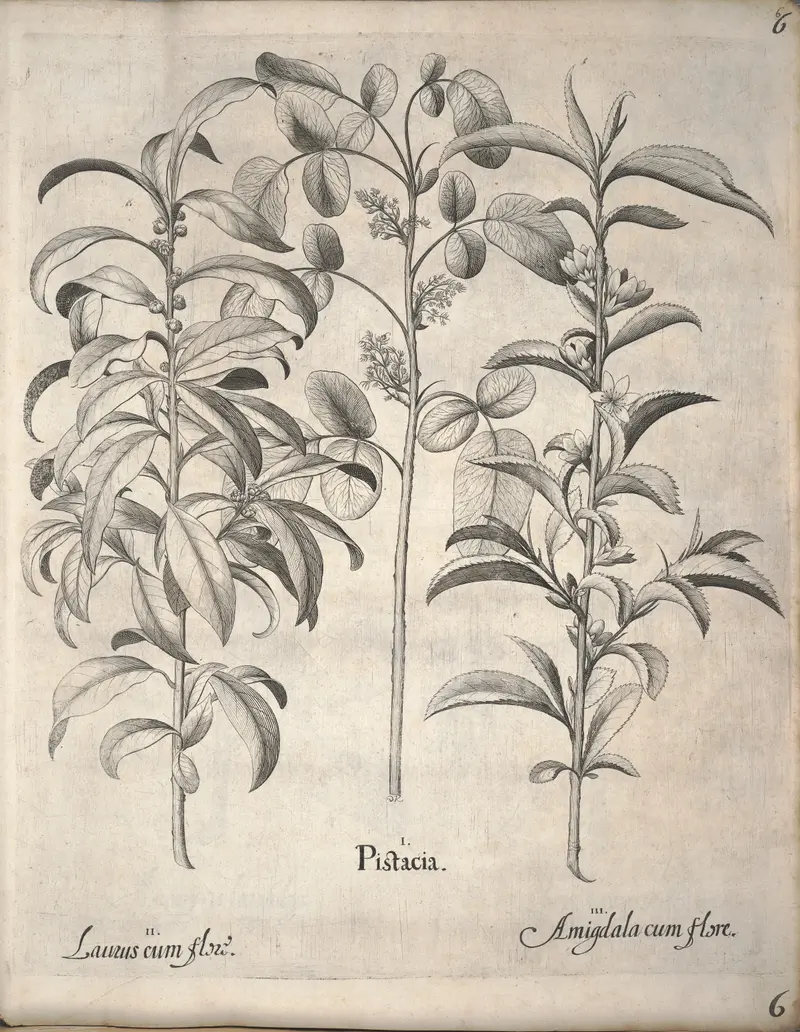
Spring Garden, Plate 6 (Hortus Eystettensis)
Basilius Besler
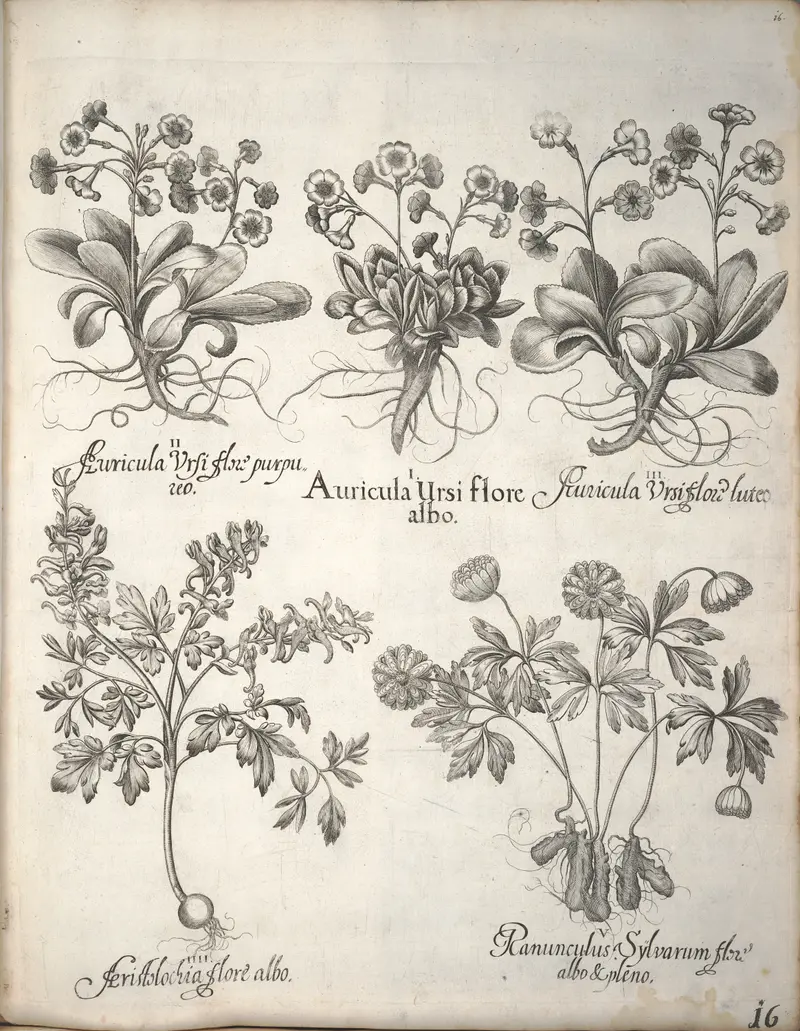
Spring Garden, Plate 16 (Hortus Eystettensis)
Basilius Besler