Hyacinths and Star-of-Bethlehem — History & Facts
The first thing that catches the eye in Hyacinths and Star-of-Bethlehem is the sense of botanical theater: three plants, their bulbs exposed, stand upright against a bare ground, as if caught mid-performance. Each leaf and petal is rendered with a clarity that feels almost surgical, yet the arrangement gives the flowers a quiet dignity. The left and right hyacinths, one blushing pink and the other a cool blue, arch toward each other in a gentle symmetry, while the slender star-of-Bethlehem rises between them, its white blossoms almost luminous against the page.
The artist’s careful attention to the tangle of roots and the subtle gradations of green in the leaves draws the viewer into a close study, as if inviting us to imagine the texture of each surface and the coolness of the bulbs. Created in 1613, this drawing belongs to a world where science and art were partners in discovery. Botanical illustration in early seventeenth-century Europe was a pursuit of both beauty and precision, often commissioned by scholars, apothecaries, or wealthy patrons eager to catalog the marvels of their gardens. Basilius Besler’s work, connected here to the famous Celeberrimi Eystettensis edition of Nuremberg, speaks to that era’s hunger for knowledge and order—each species identified in elegant script, each detail serving the double purpose of delight and instruction.
Though history has left few traces of this particular sheet beyond its home in the Libreria antiquaria Bourlot of Turin, its clarity and balance still reward the attentive eye, just as they once guided the hands of gardeners and scholars.
More Artworks by Basilius Besler
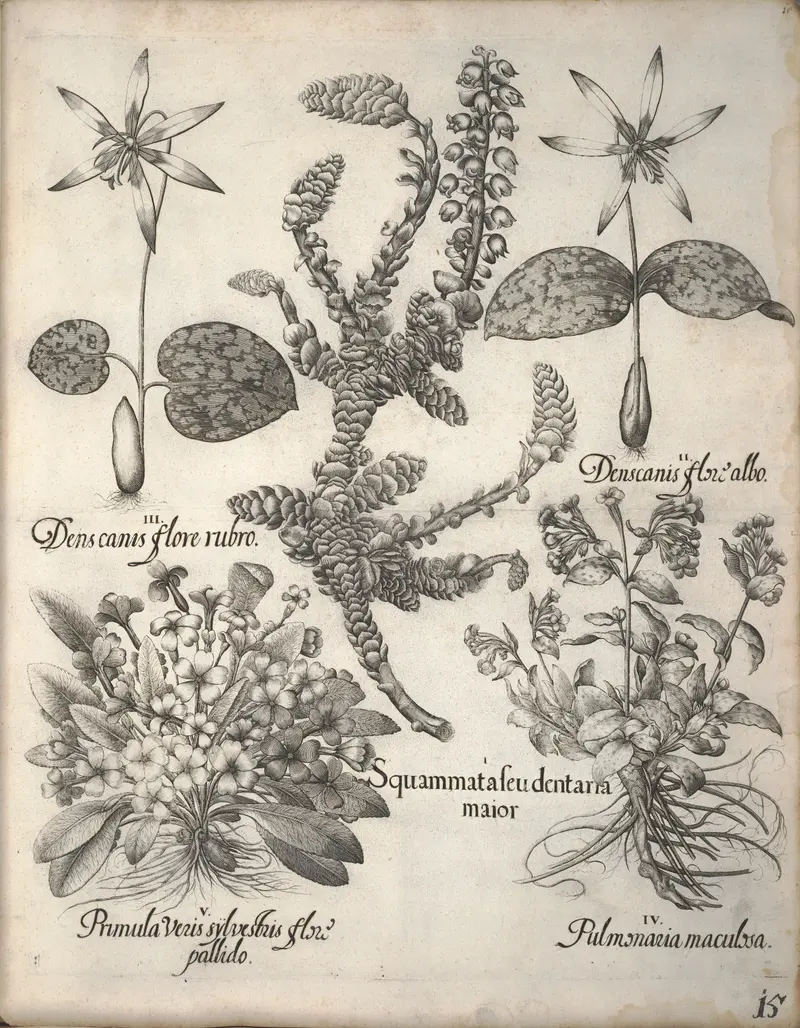
Spring Garden, Plate 15 (Hortus Eystettensis)
Basilius Besler
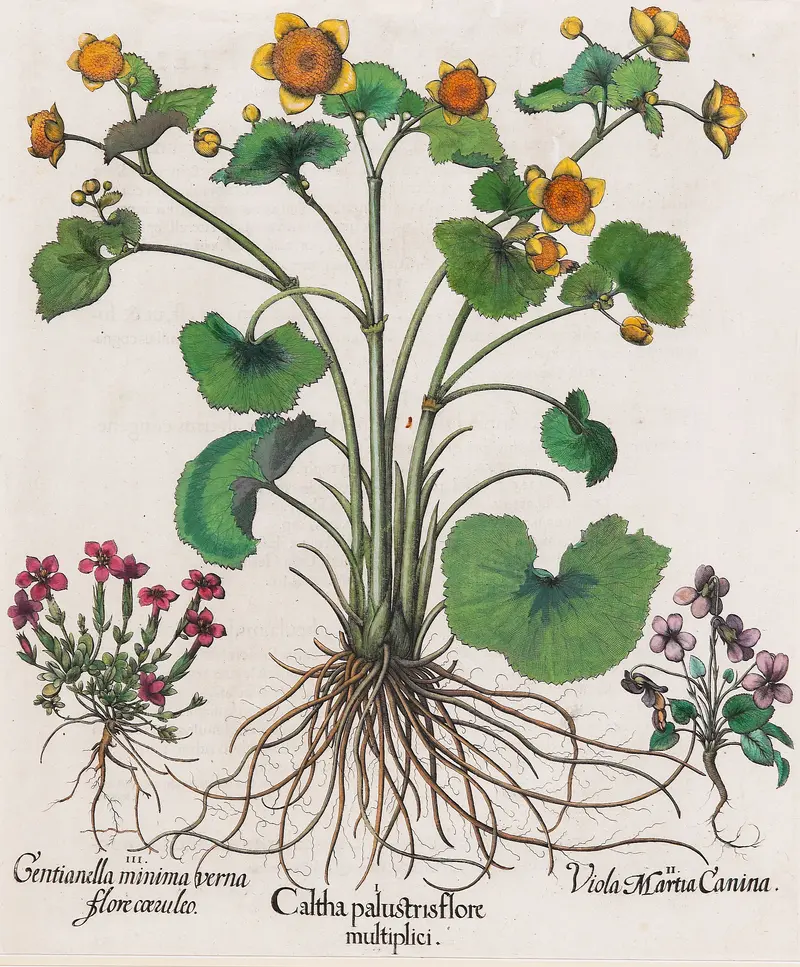
Marsh Marigold (Caltha palustris)
Basilius Besler

Tulips (Hortus Eystettensis)
Basilius Besler

Tulips II (Hortus Eystettensis)
Basilius Besler

Snapdragons (Antirrhinum)
Basilius Besler
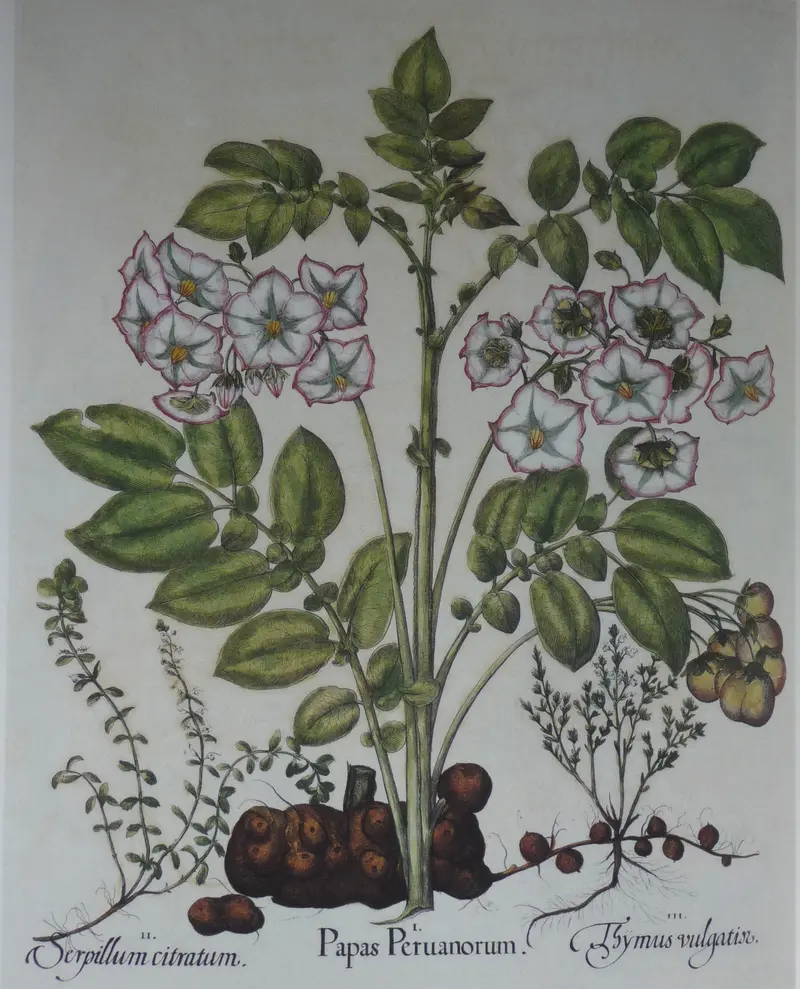
Peruvian Potato Flower (Papas Peruanorum)
Basilius Besler
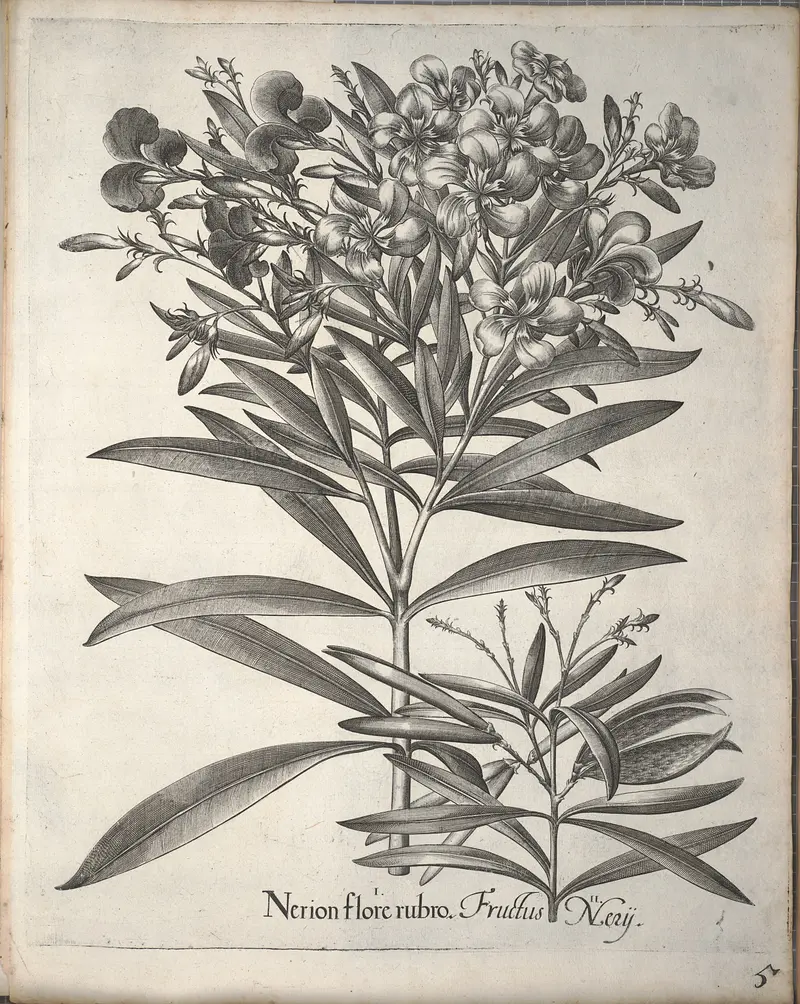
Summer Garden, Plate 5 (Hortus Eystettensis)
Basilius Besler
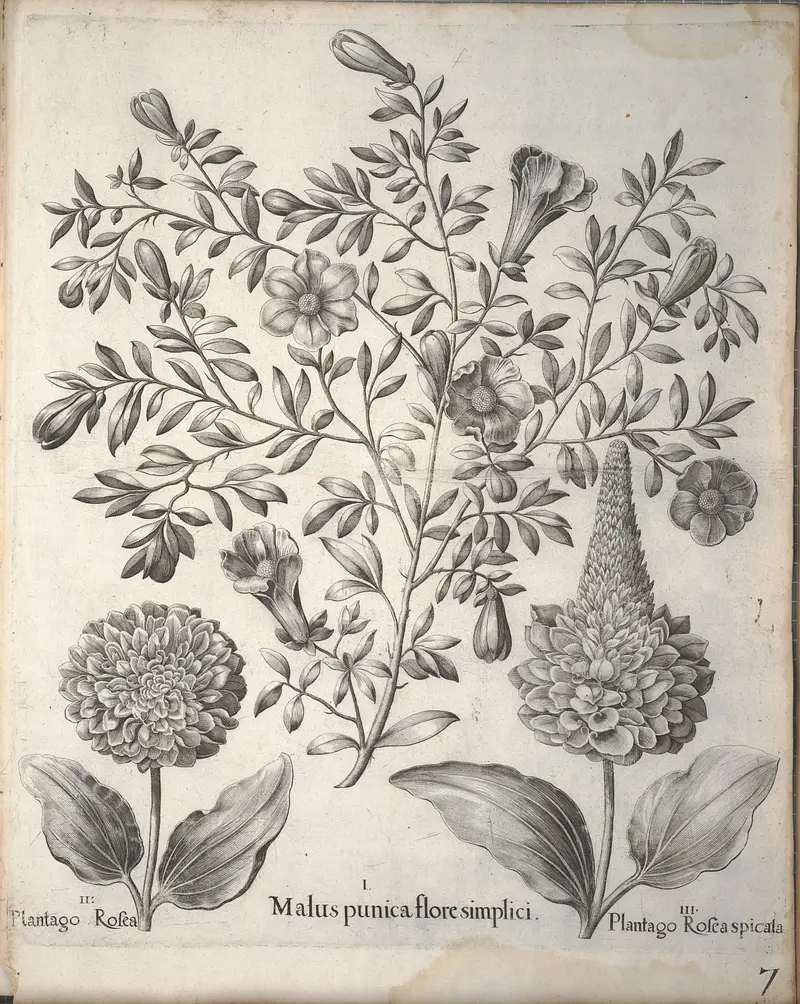
Summer Garden, Plate 7 (Hortus Eystettensis)
Basilius Besler
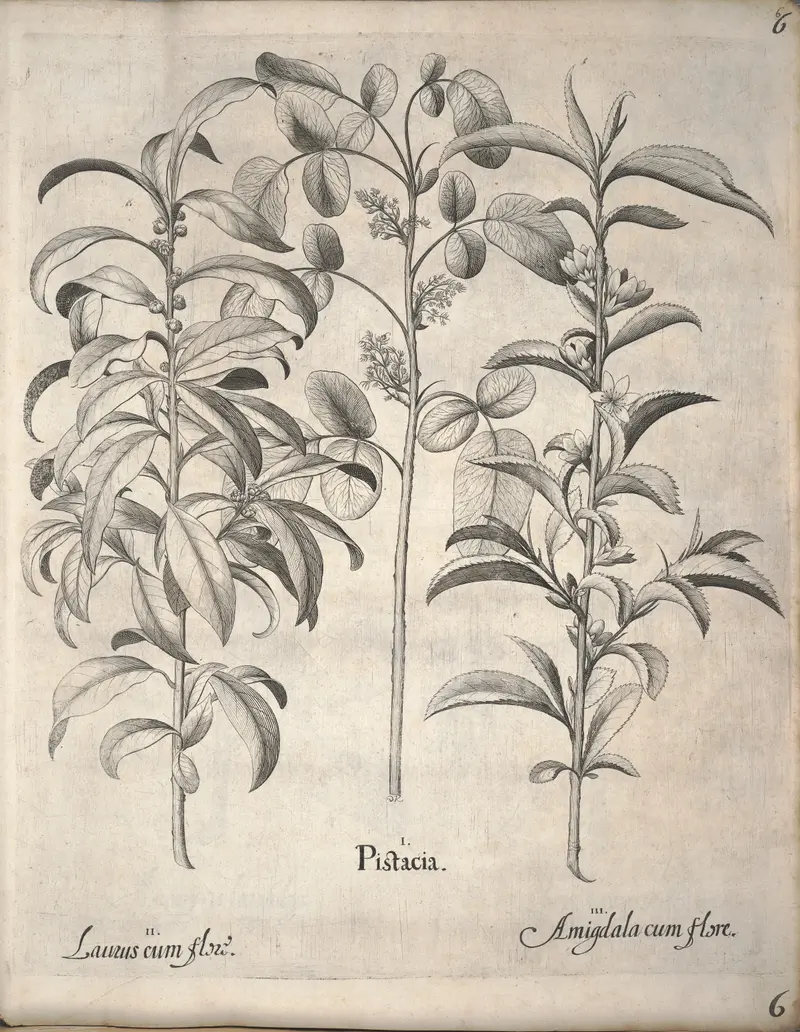
Spring Garden, Plate 6 (Hortus Eystettensis)
Basilius Besler
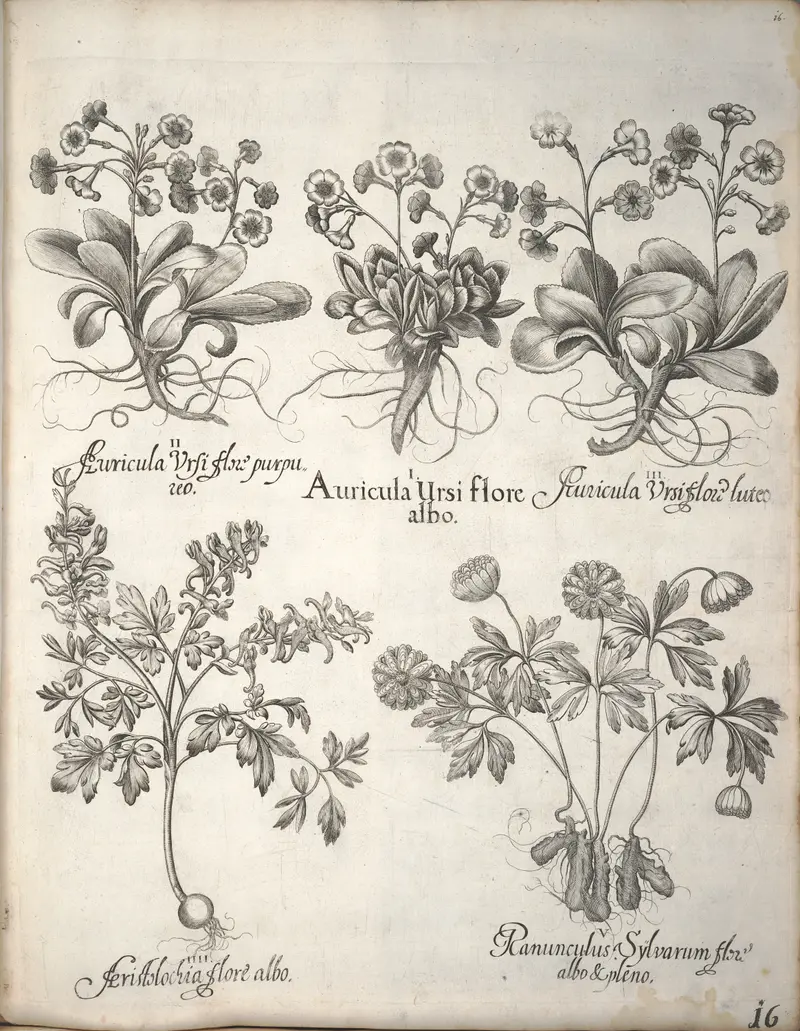
Spring Garden, Plate 16 (Hortus Eystettensis)
Basilius Besler