
Mask of Fudō Myōō — History & Facts
Few artists are as closely linked to the supernatural as Katsushika Hokusai, who, in 1799, produced his enigmatic Mask of Fudō Myōō at a time when Japan’s fascination with Buddhist deities was reaching new heights. This work stands out because it is one of the rare surviving images by Hokusai that directly interprets an esoteric Buddhist protector, rather than the landscapes and everyday scenes that would later make him famous. The mask’s fierce visage has long intrigued scholars, some of whom debate whether Hokusai created it as a devotional object or as a study for a theatrical performance.
Its mysterious medium has only added to the speculation—no definitive record exists of its original material, leaving open the possibility that it was a painted mask, a woodblock print, or even a preparatory sketch. The image captures the moment Fudō Myōō, the "Immovable Wisdom King," confronts evil, his expression locked in a scowl of absolute determination. His bulging eyes and bared teeth, rendered with Hokusai’s characteristic energy, are meant to ward off malevolent spirits and inspire awe in the viewer. The chains draped across the mask symbolize restraint of negative forces, while the sword he often holds—though not visible here—would typically represent the cutting of ignorance.
Unlike the serene Buddhas of earlier Japanese art, Hokusai’s Fudō is all fire and wrath, closer in spirit to the dynamic Buddhist guardians painted by Tosa Mitsunobu a century before, though here the focus is distilled into the mask itself, amplifying its psychological impact. The precise origins of Mask of Fudō Myōō remain uncertain, as no contemporary documentation of its commission or early ownership survives. What is clear is that by the late Edo period, Hokusai was experimenting with religious iconography alongside his more familiar ukiyo-e prints. The mask’s journey through history is largely unrecorded, but it has been exhibited in several retrospectives dedicated to Hokusai’s lesser-known works, and today it is held in a private collection, occasionally loaned to major museums.
As an object, it offers a rare glimpse into the artist’s engagement with spiritual themes, standing apart from the landscapes and genre scenes that would later define his legacy.
More Artworks by Katsushika Hokusai

The Great Wave off Kanagawa
Katsushika Hokusai
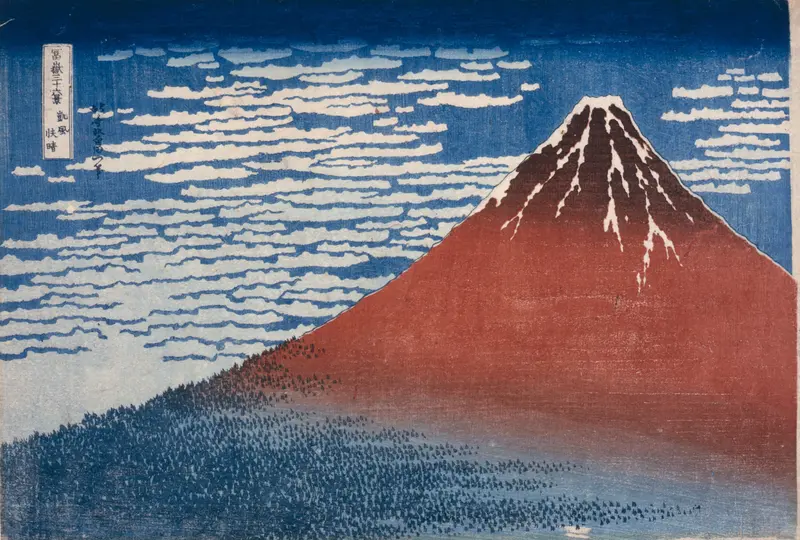
Fine Wind, Clear Morning (Red Fuji)
Katsushika Hokusai
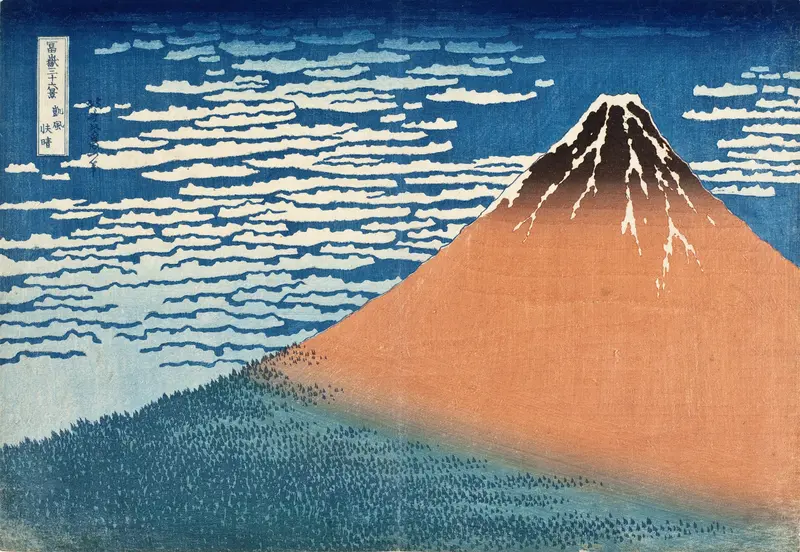
South Wind, Clear Dawn
Katsushika Hokusai
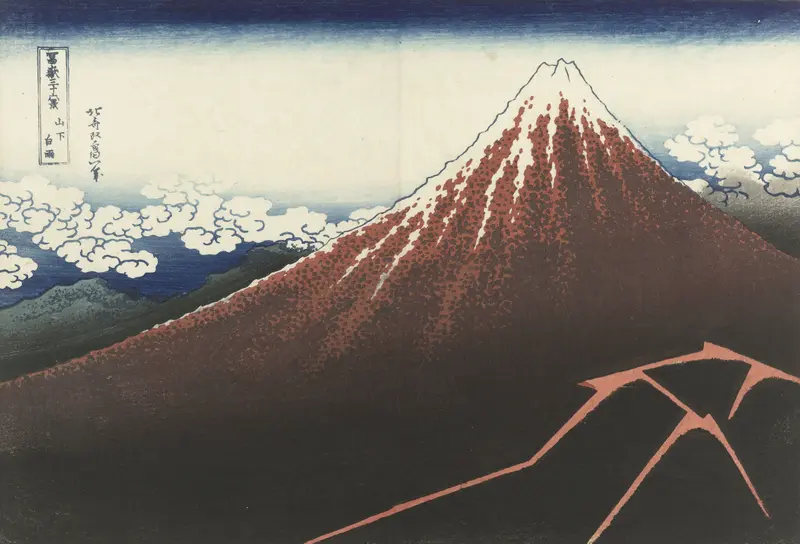
Rainstorm Beneath the Summit
Katsushika Hokusai
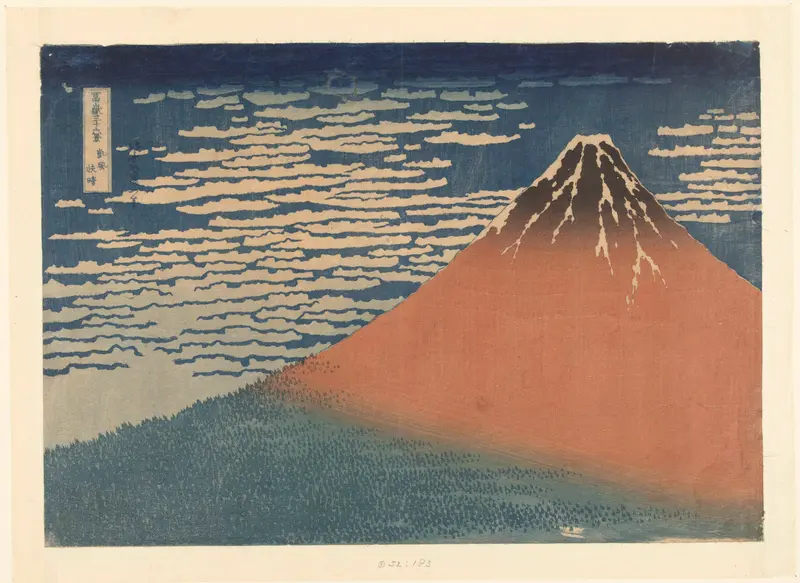
Clear Weather with a Southerly Wind
Katsushika Hokusai
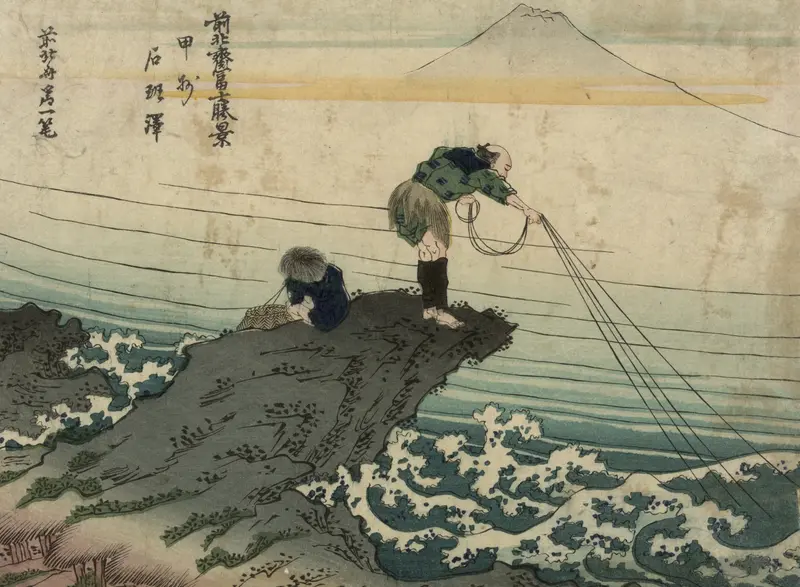
Kōshū kajikazawa
Katsushika Hokusai
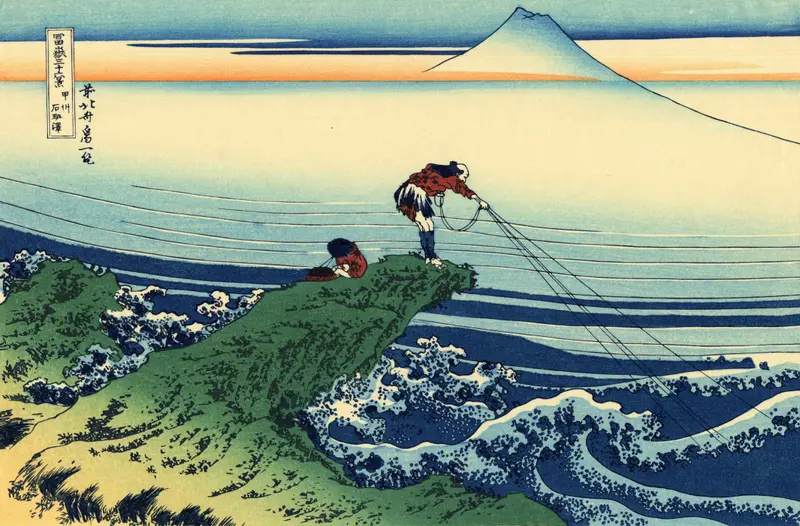
Kōshū kajikazawa 2
Katsushika Hokusai
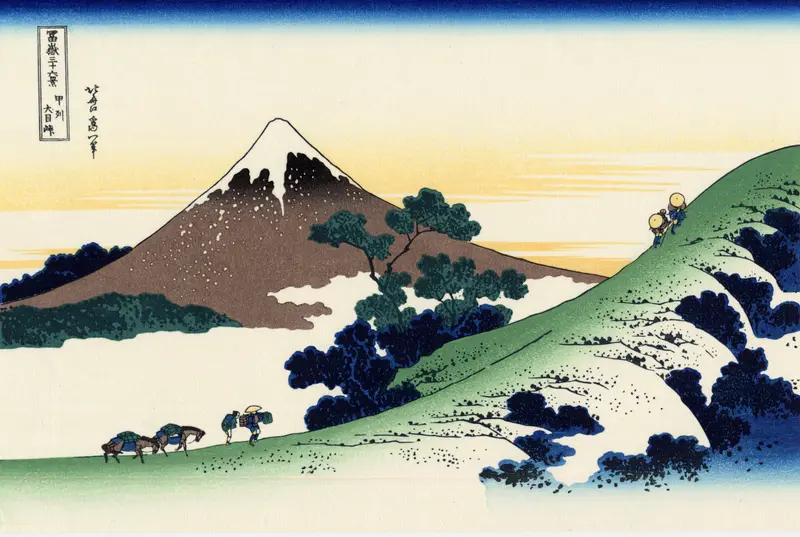
Inume Pass in Kai Province (Kôshû inume-tôge)
Katsushika Hokusai

Yoro Falls in Mino Province (Mino no Yoro no taki), from the series "A Tour of Waterfalls in Various Provinces (Shokoku taki meguri)"
Katsushika Hokusai
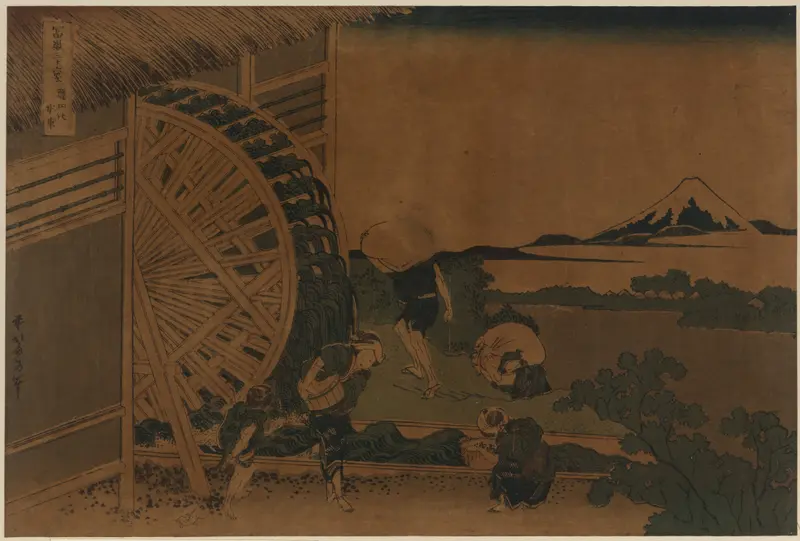
Onden no suisha
Katsushika Hokusai





