
Max Pechstein Das blaue Kleid Bildnis Frau Dr. Plietzsch — History & Facts
What first draws the eye in Das blaue Kleid Bildnis Frau Dr. Plietzsch is the direct, almost unblinking gaze of the sitter, framed by the sharp geometry of her chair and the bold, angular outlines of her dress. The blue garment, rendered in broad, expressive strokes, both softens and electrifies her presence, while the vivid red beads around her neck slice vertically through the cool palette, echoing the chair’s arms and pulling the viewer’s attention to her poised, folded hands.
The hat, with its abrupt patch of ochre, tilts at an angle that suggests both fashion and a certain guardedness, as if the sitter is caught between public composure and private thought. The background, a collision of green and mauve planes, refuses to recede quietly, instead boxing the figure in, heightening the sense of psychological intensity. Painted in 1921, this portrait stands firmly in the world of postwar Germany, when artists like Hermann Max Pechstein—a leading figure of German Expressionism—sought new ways to capture the inner life of their subjects. Portraits of this era were rarely mere likenesses; they were battlegrounds for color, emotion, and the fractured realities of a society in flux.
While little is recorded about this specific painting’s commission or early journey, its presence in the Lempertz collection today is a testament to the enduring fascination with these charged, searching images. The sitter’s steady gaze and the restless energy of the brushwork invite us to linger, searching for the story behind the mask.
More Artworks by Hermann Max Pechstein
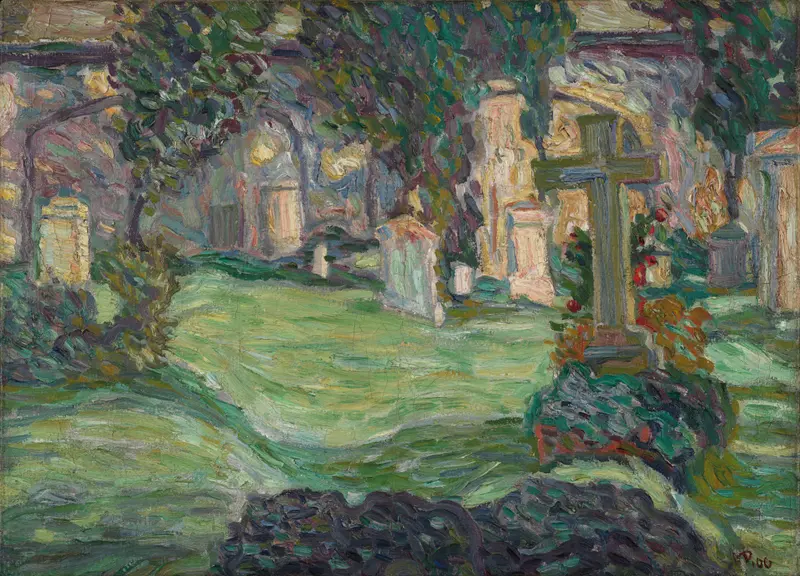
Max Pechstein Eliasfriedhof in Dresden
Hermann Max Pechstein

Früchte
Hermann Max Pechstein
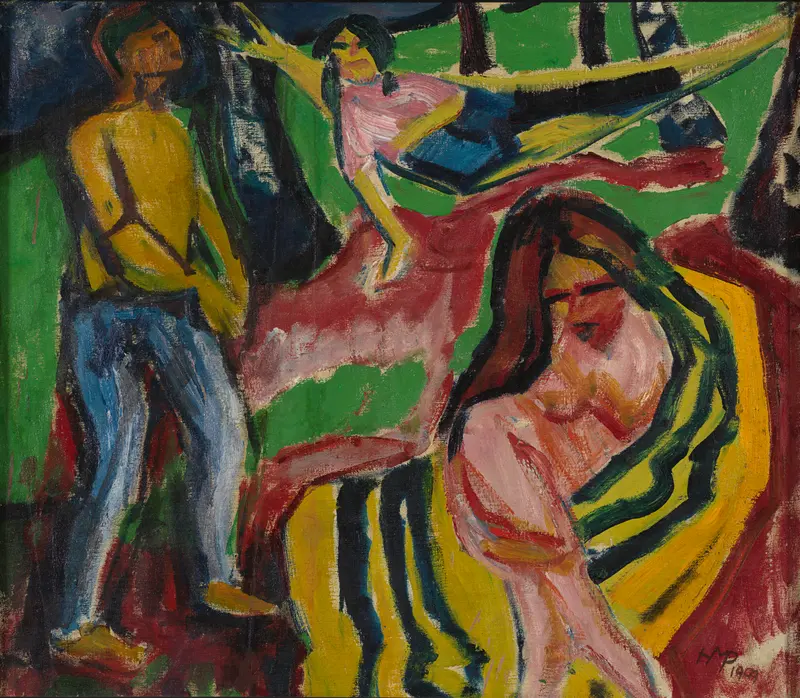
Im Wald bei Moritzburg
Hermann Max Pechstein
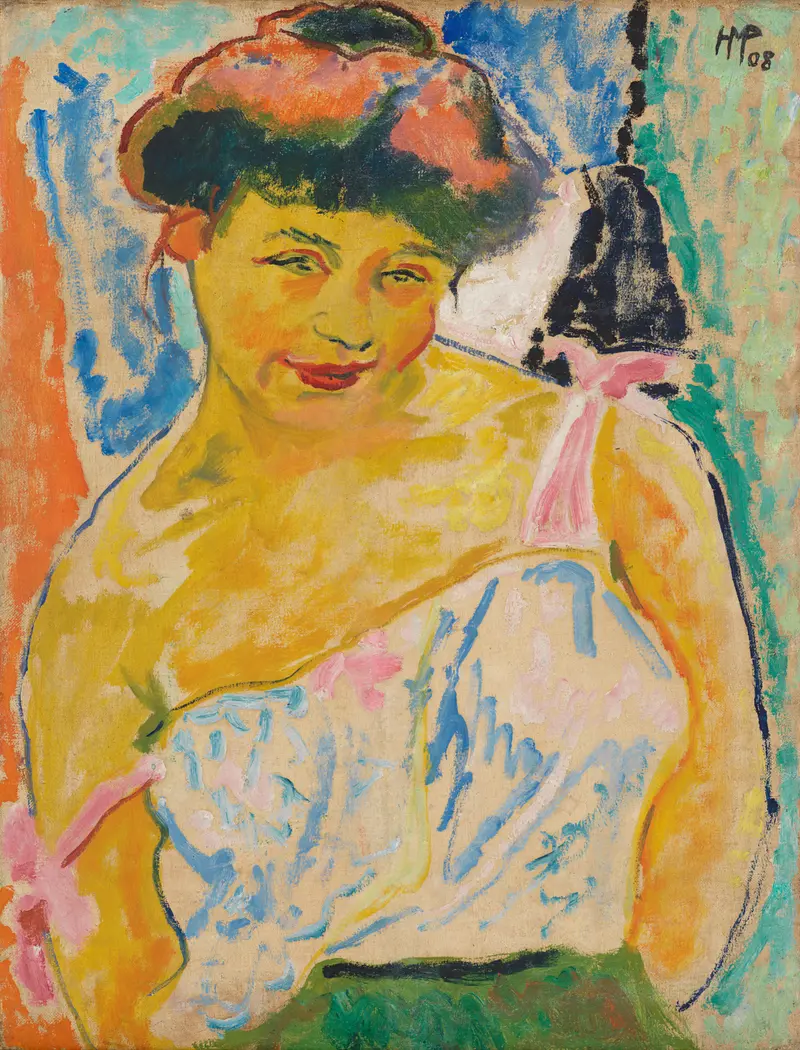
Junges Mädchen
Hermann Max Pechstein
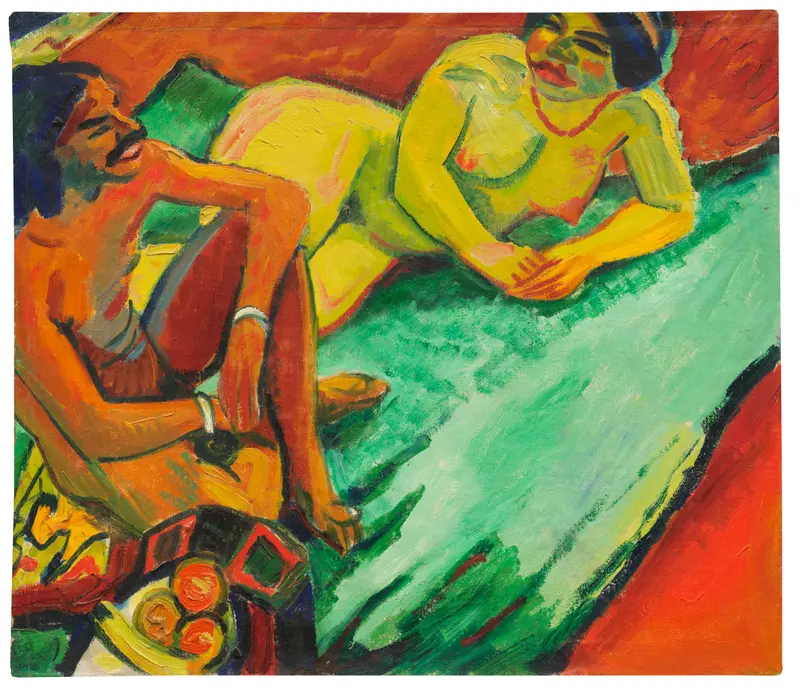
Weib mit Inder auf Teppich
Hermann Max Pechstein
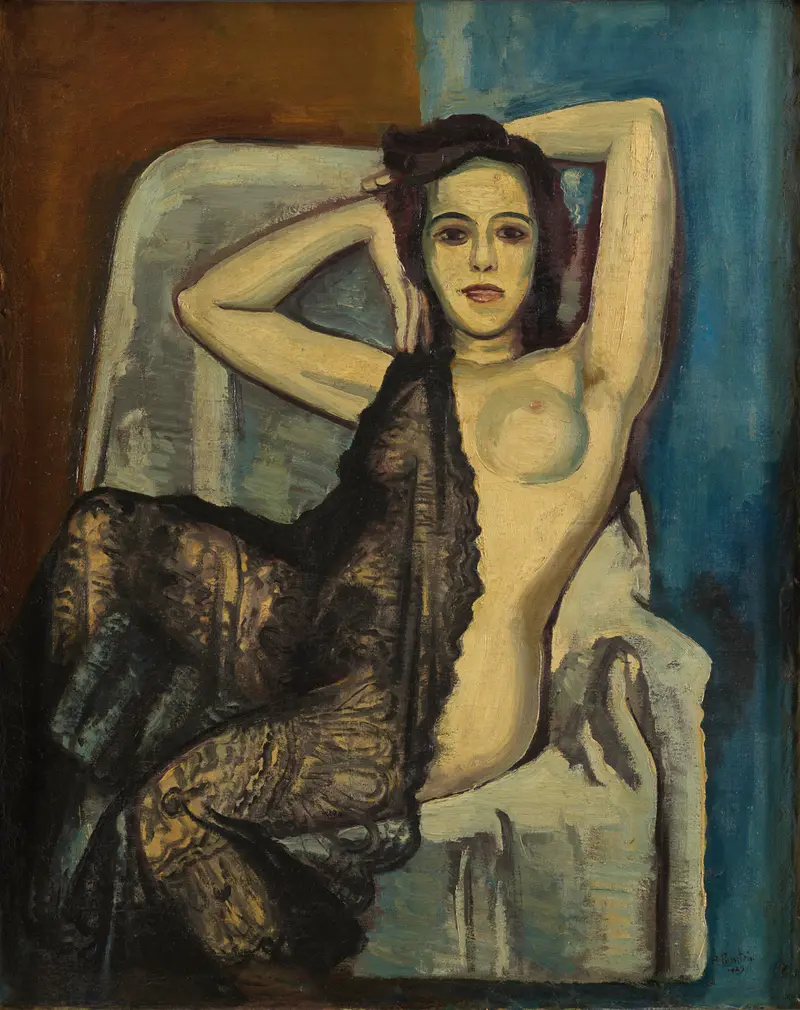
Max Pechstein Mädchen mit Schleier
Hermann Max Pechstein
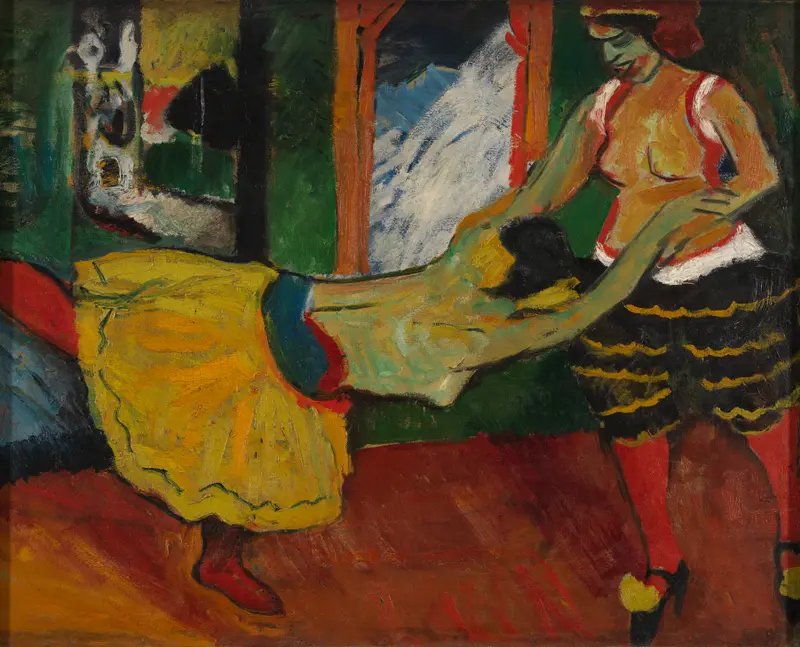
Max Pechstein Tanz
Hermann Max Pechstein
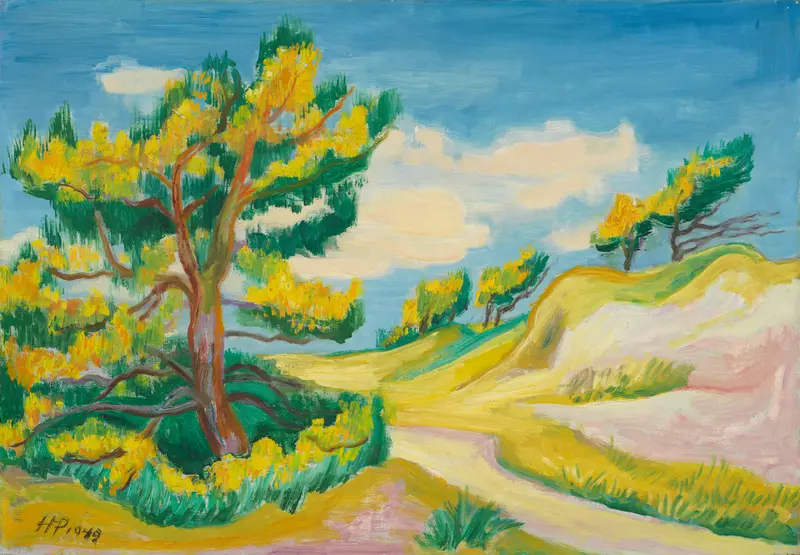
Blühende Kiefern in den Dünen
Hermann Max Pechstein

Die Quelle
Hermann Max Pechstein
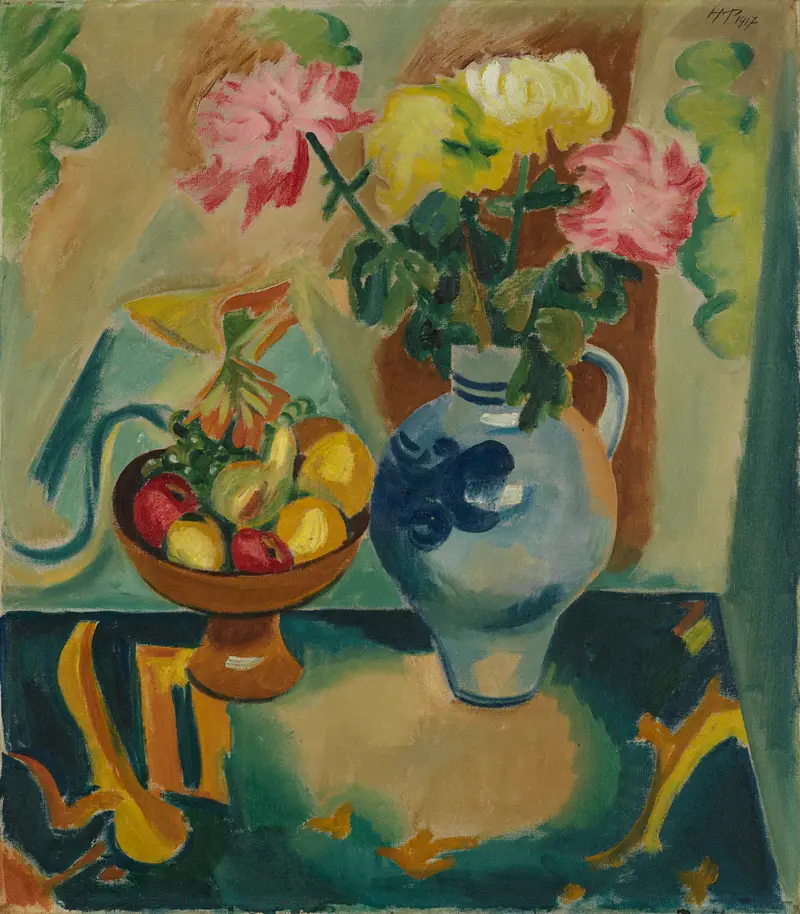
Stilleben mit Chrysanthemen und Früchten
Hermann Max Pechstein





