
Max Pechstein Eliasfriedhof in Dresden — History & Facts
A restless energy pulses beneath the surface of this cemetery scene, where the brushwork itself seems to ripple through the grass and stone. The eye is drawn first to the large cross in the foreground, its form anchored by deep greens and ochres, but soon wanders into the tangle of gravestones and arches beyond. Light flickers across the scene in unexpected colors—lilacs, blues, and acidic greens—giving the impression that the world here is in constant motion, unsettled even in a place of supposed stillness.
The dense foliage overhead casts shifting shadows, while the gravestones appear almost to lean and converse, their outlines blurred by the thick, expressive strokes. Painted in 1906, Eliasfriedhof in Dresden belongs to a moment when artists like Hermann Max Pechstein were breaking away from academic tradition and searching for new ways to capture the world’s emotional charge. This work, now held by the Brücke-Museum Berlin, reflects the spirit of the Brücke group—young painters who sought to convey inner experience through color and gesture rather than careful realism. Cemeteries had long been painted as places of reflection or melancholy, but here, the mood is more electric than mournful, the landscape alive with the urgency of early twentieth-century Expressionism.
The painting invites us to linger, to let our eyes roam its surface, and to feel the strange vitality Pechstein found among the monuments of the past.
More Artworks by Hermann Max Pechstein

Früchte
Hermann Max Pechstein
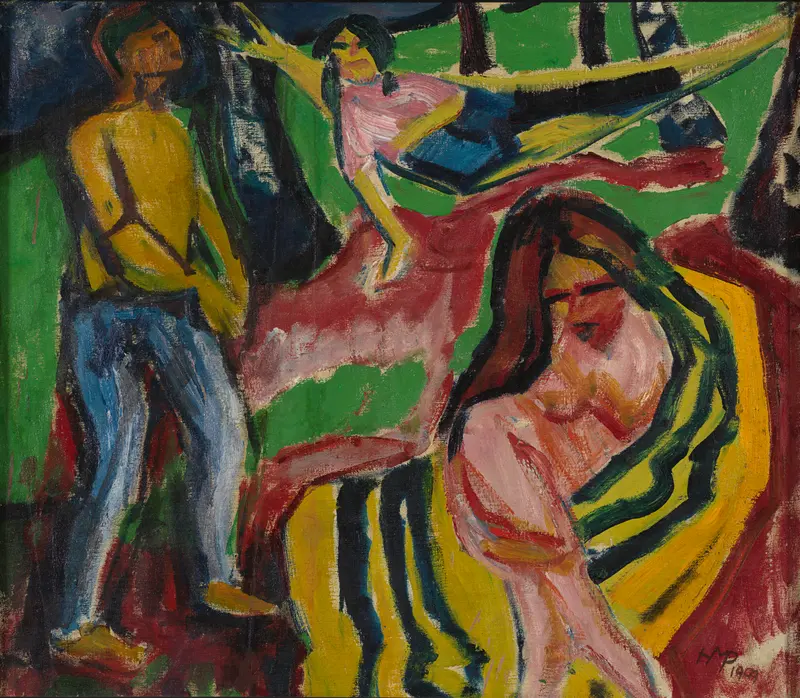
Im Wald bei Moritzburg
Hermann Max Pechstein
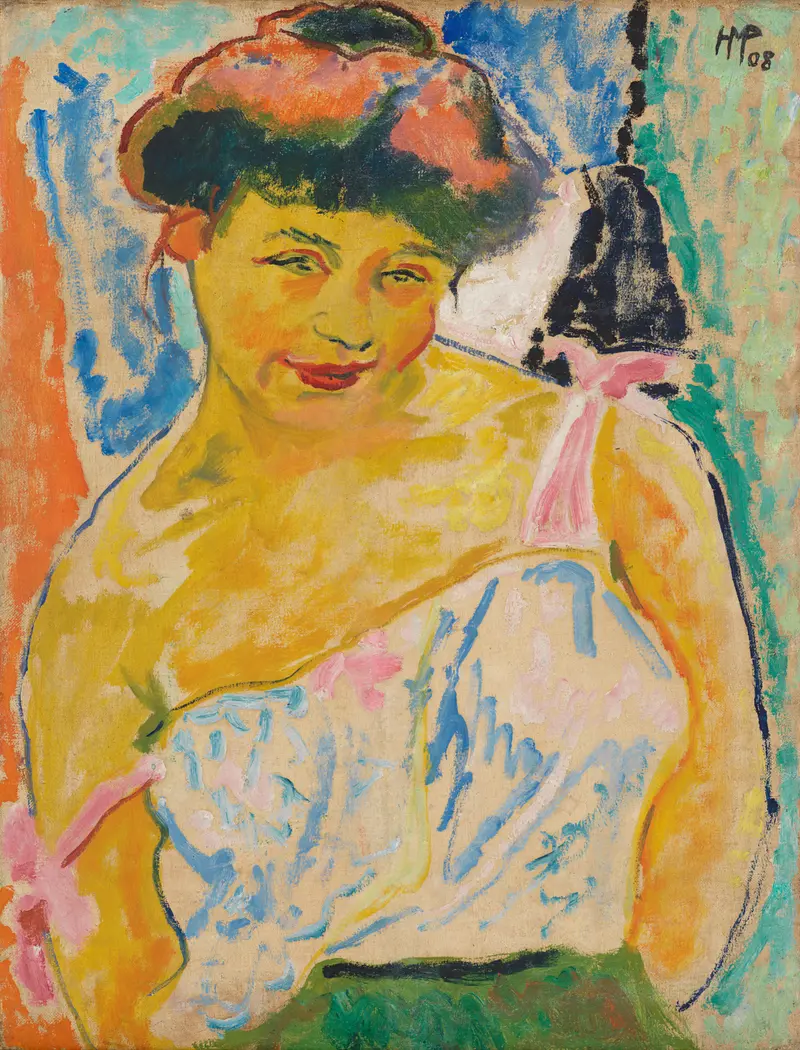
Junges Mädchen
Hermann Max Pechstein
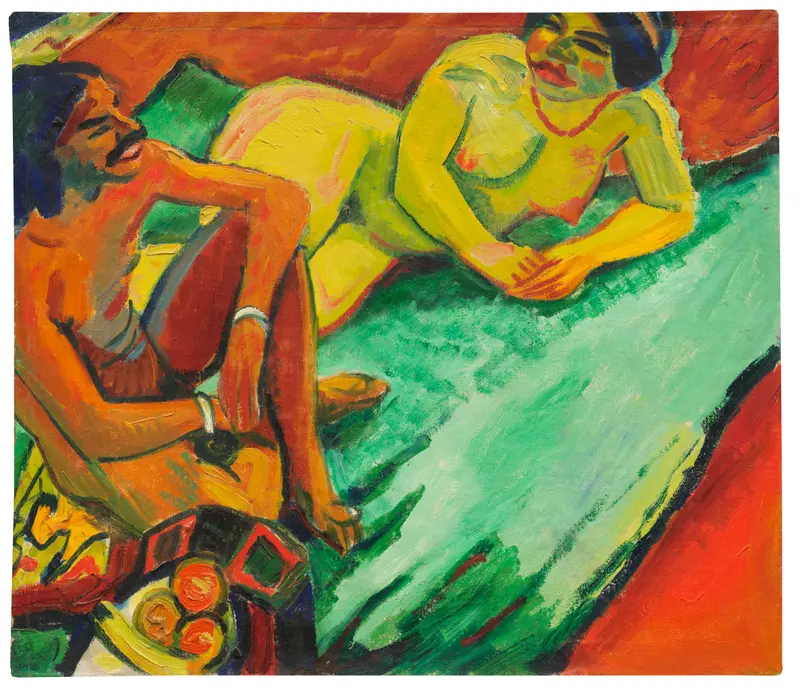
Weib mit Inder auf Teppich
Hermann Max Pechstein
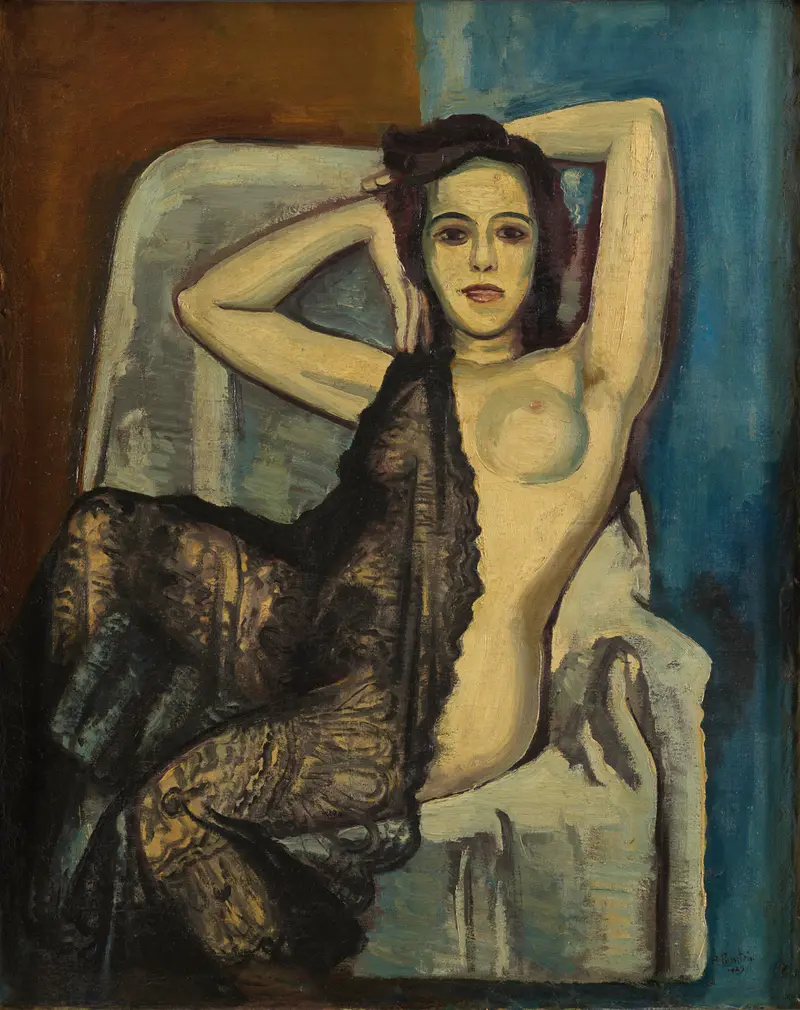
Max Pechstein Mädchen mit Schleier
Hermann Max Pechstein
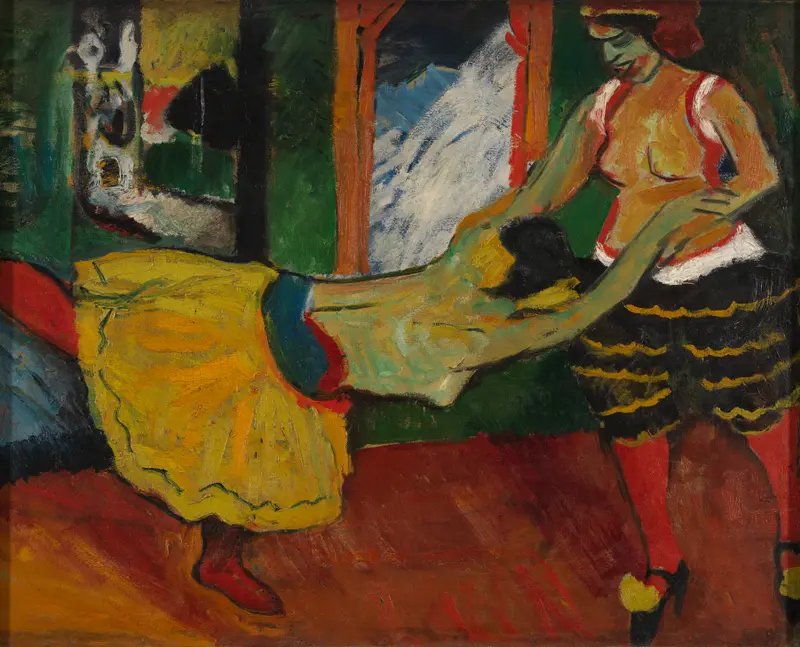
Max Pechstein Tanz
Hermann Max Pechstein
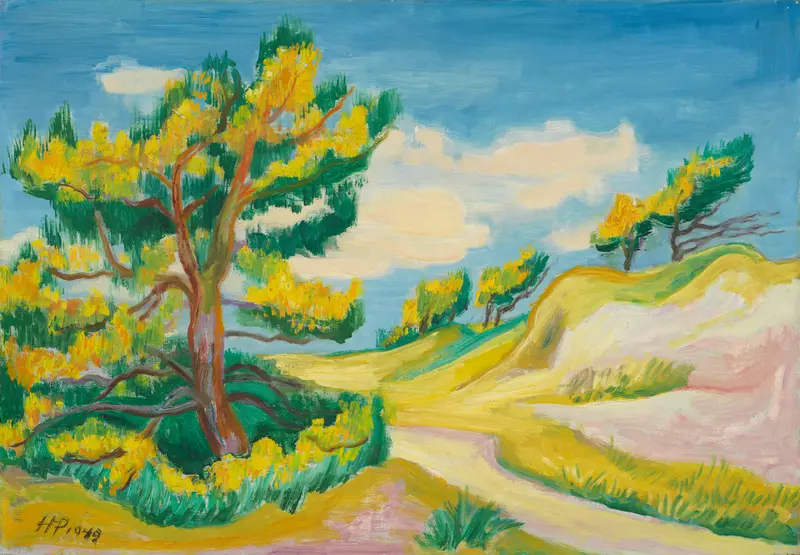
Blühende Kiefern in den Dünen
Hermann Max Pechstein

Die Quelle
Hermann Max Pechstein
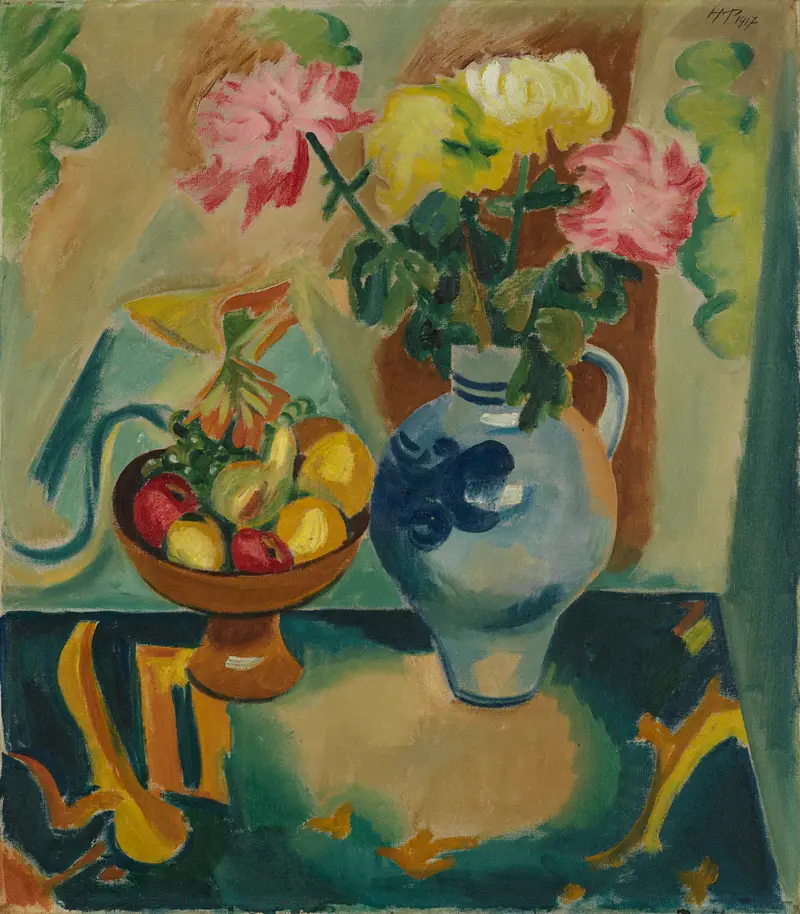
Stilleben mit Chrysanthemen und Früchten
Hermann Max Pechstein
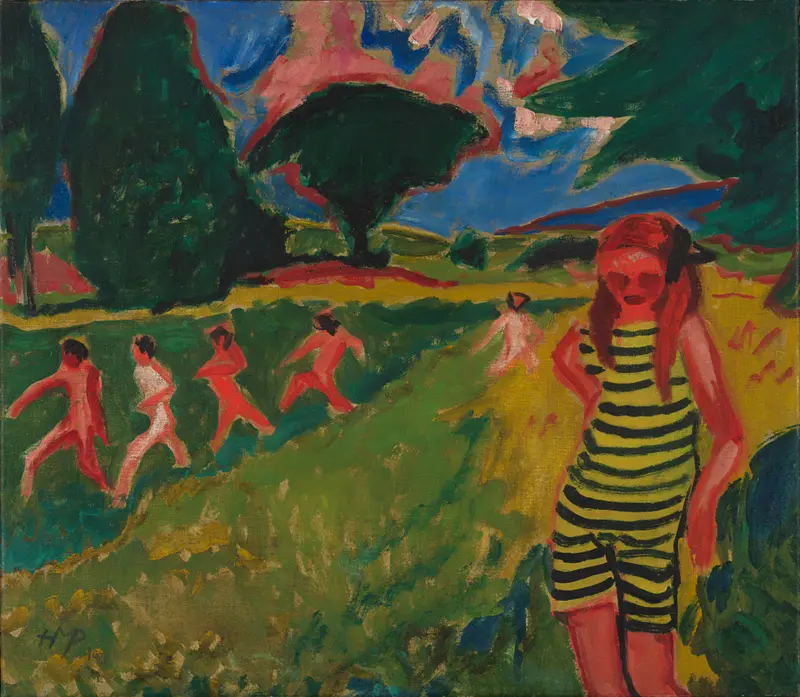
Das gelbschwarze Trikot
Hermann Max Pechstein
More Landscape Art

The Starry Night
Vincent van Gogh

View of Delft
Johannes Vermeer

Water Lilies
Claude Monet

The Grand Canal, Venice, looking north-west from the Ca' Corner to the Ca' Contarini degli Scrigni, with the campanile of Santa Maria della Carità
Canaletto

Windsor Castle
Canaletto

The Grand Canal looking North-East from the Palazzo Dolfin-Manin to the Rialto Bridge
Canaletto