
Stilleben mit Chrysanthemen und Früchten — History & Facts
Color seems to pulse from the surface of Stilleben mit Chrysanthemen und Früchten, drawing the viewer into a world where the ordinary—flowers and fruit—becomes electric. The chrysanthemums, their petals rendered in thick, almost sculptural strokes, lean outward as if caught mid-breath, while the fruit bowl anchors the scene with a burst of reds, yellows, and greens. The table’s surface, fractured by bold shadows and unexpected patches of turquoise and ochre, refuses to settle into mere background.
Instead, it becomes a stage, its patterns echoing the restless energy of the objects above. Every brushstroke seems to insist that stillness is an illusion, that even in repose, life vibrates with possibility. Created in 1917, this work belongs to the turbulent years of German Expressionism, a movement that sought to capture emotion and sensation rather than polite imitation of reality. Artists like Hermann Max Pechstein, a member of the influential Brücke group, turned to still life not for quiet contemplation, but as a laboratory for color and form.
In the Berlin of that era, such paintings were rarely destined for grand salons; instead, they often found homes with collectors eager for the new and the bold, or remained with the artists themselves, testaments to a restless search for meaning in uncertain times. Now housed in the Brücke-Museum Berlin, this painting invites us to look again—not just at flowers and fruit, but at the energy that animates even the most familiar corners of daily life.
More Artworks by Hermann Max Pechstein
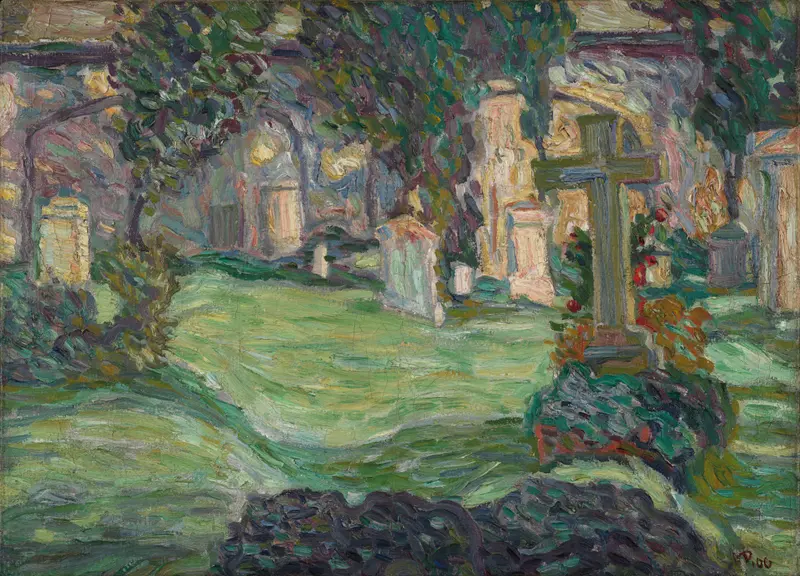
Max Pechstein Eliasfriedhof in Dresden
Hermann Max Pechstein

Früchte
Hermann Max Pechstein
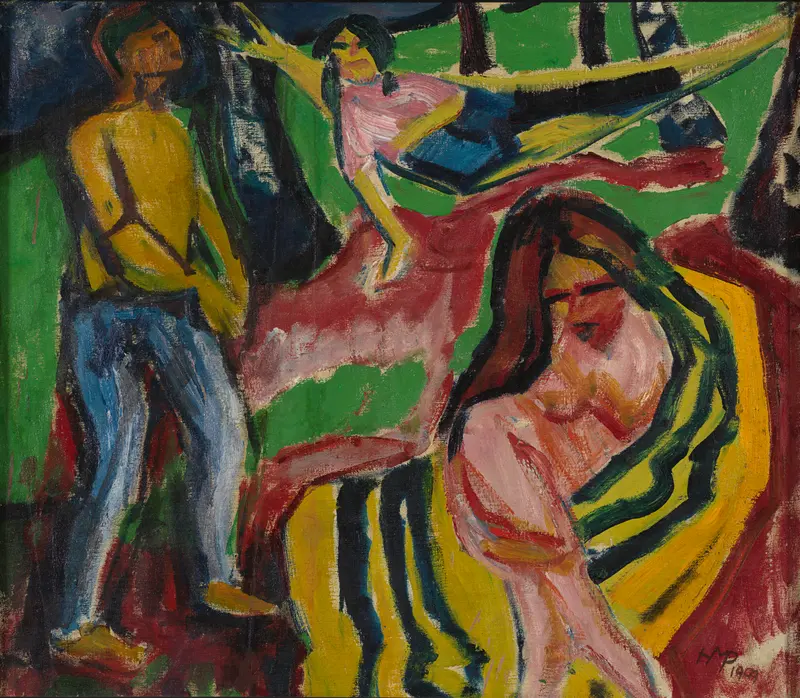
Im Wald bei Moritzburg
Hermann Max Pechstein
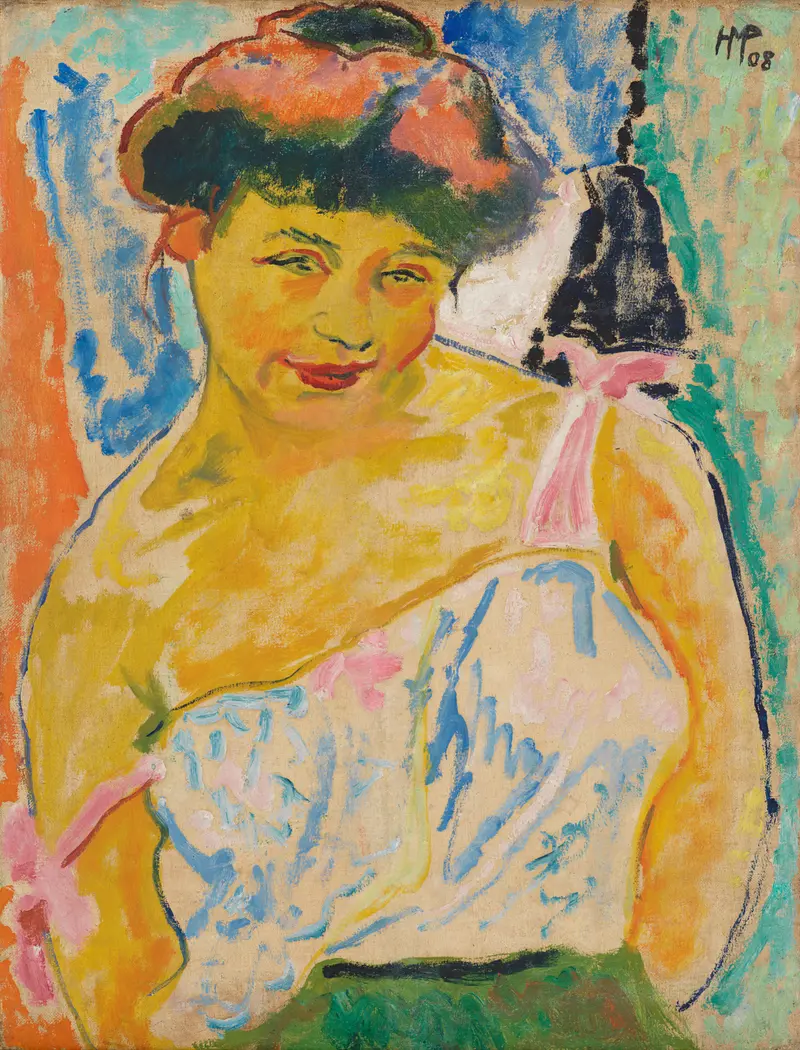
Junges Mädchen
Hermann Max Pechstein
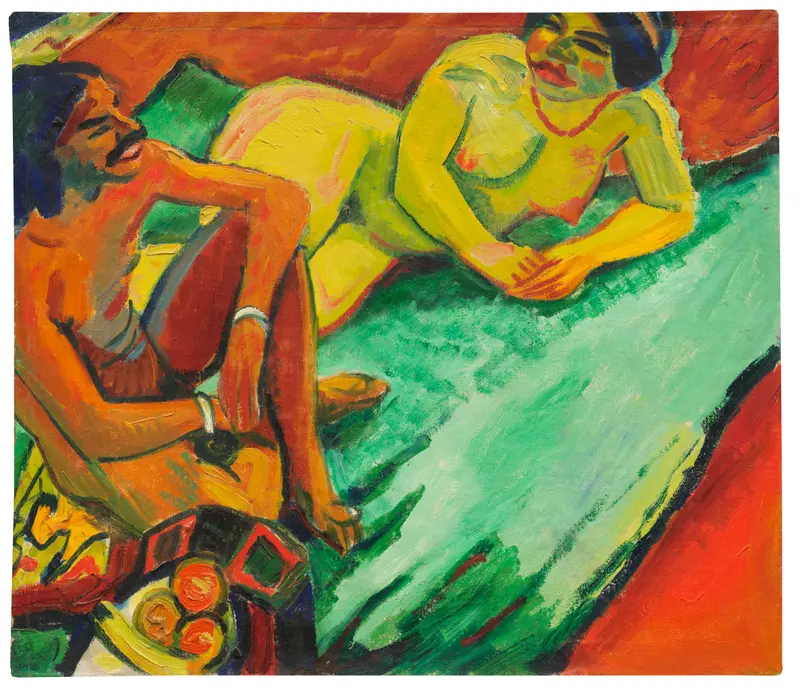
Weib mit Inder auf Teppich
Hermann Max Pechstein
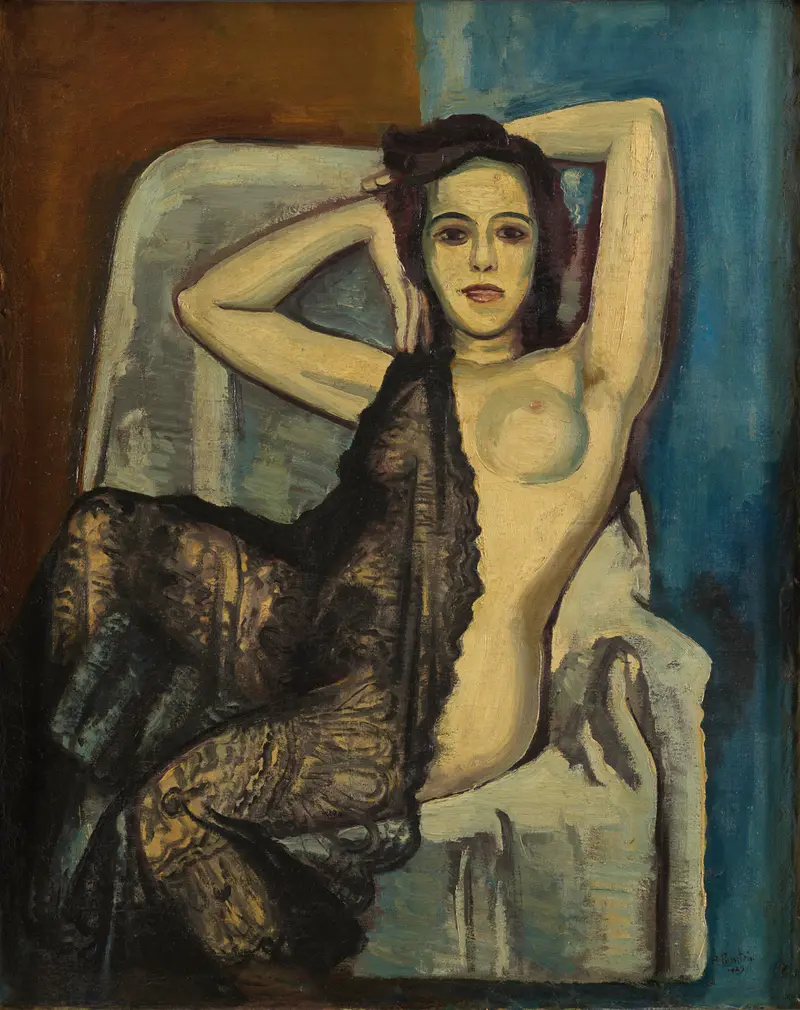
Max Pechstein Mädchen mit Schleier
Hermann Max Pechstein
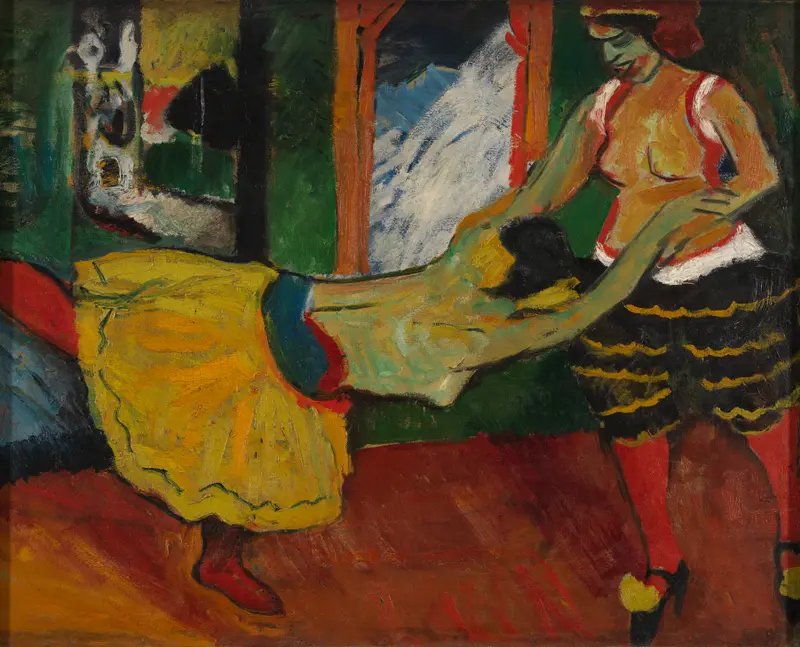
Max Pechstein Tanz
Hermann Max Pechstein
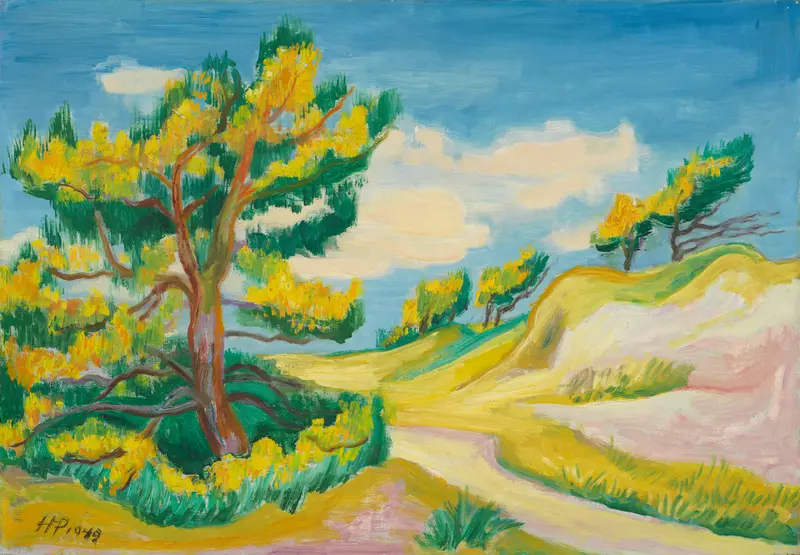
Blühende Kiefern in den Dünen
Hermann Max Pechstein

Die Quelle
Hermann Max Pechstein
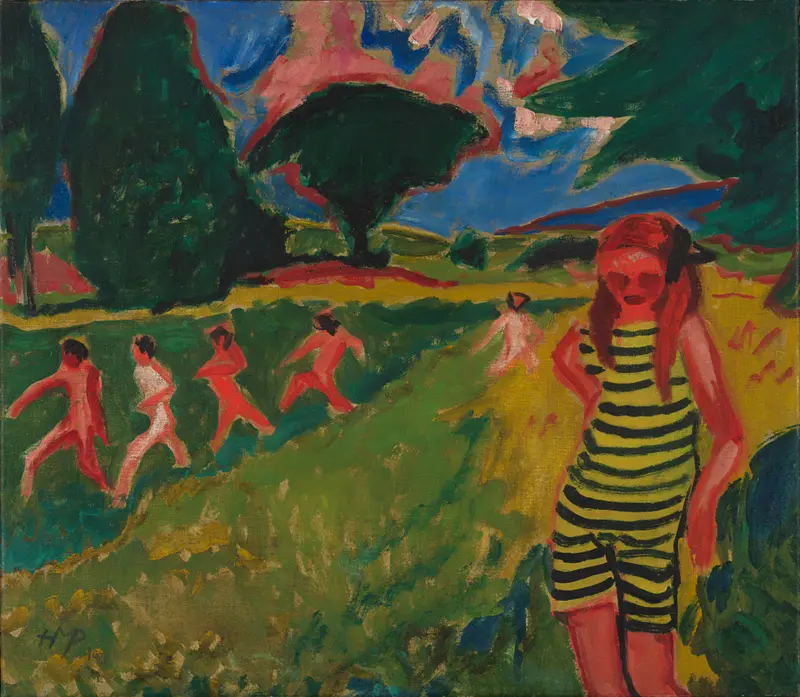
Das gelbschwarze Trikot
Hermann Max Pechstein





