
Im Wald bei Moritzburg — History & Facts
A jolt of color and movement pulls the viewer straight into the heart of Im Wald bei Moritzburg. The figures are not posed but caught in the midst of living—one woman reclines in the foreground, her body outlined by bold, almost electric stripes of yellow and green, while another lounges in a hammock, her limbs flung out in languid ease. The man standing to the left seems to hover between motion and stillness, his form rendered in thick, urgent brushstrokes.
The forest is no backdrop but a living force, its trunks and shadows slicing through the scene with the same restless energy that animates the people. Every patch of color—raw green, urgent red, deep blue—pushes the eye onward, refusing to let the mind settle. Painted in 1910, this work belongs to the world of Die Brücke, the German Expressionist group that sought to break open the conventions of art and life. Hermann Max Pechstein, a leading figure of the movement, often painted scenes of leisure and freedom in nature, a deliberate escape from the constraints of urban society.
The forest near Moritzburg, just outside Dresden, was a favorite haunt for these artists, a place where they could experiment with color, form, and the boundaries of representation. Today, the painting resides in the Brücke-Museum Berlin, a fitting home for an image that still pulses with the radical spirit of its time. The boldness of the brushwork and the immediacy of the scene invite you to linger, to look again, and to imagine the world as Pechstein and his circle once did—vivid, unruly, and alive.
More Artworks by Hermann Max Pechstein
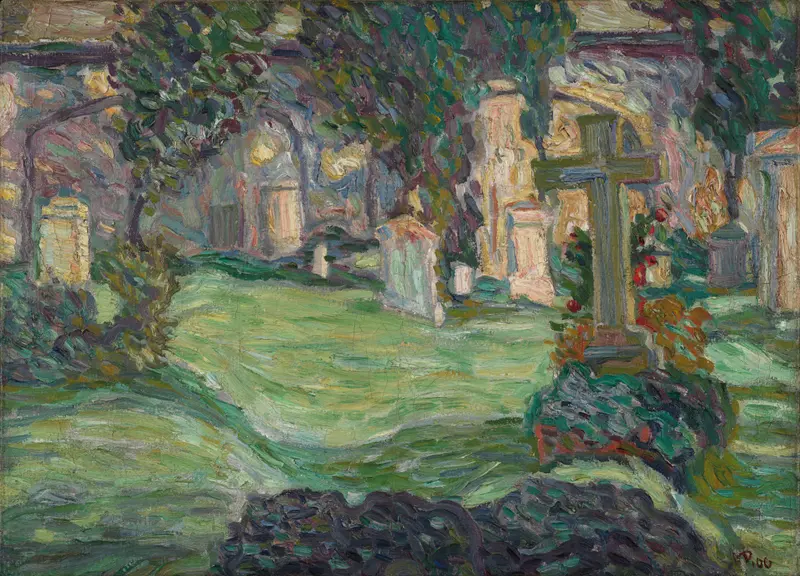
Max Pechstein Eliasfriedhof in Dresden
Hermann Max Pechstein

Früchte
Hermann Max Pechstein
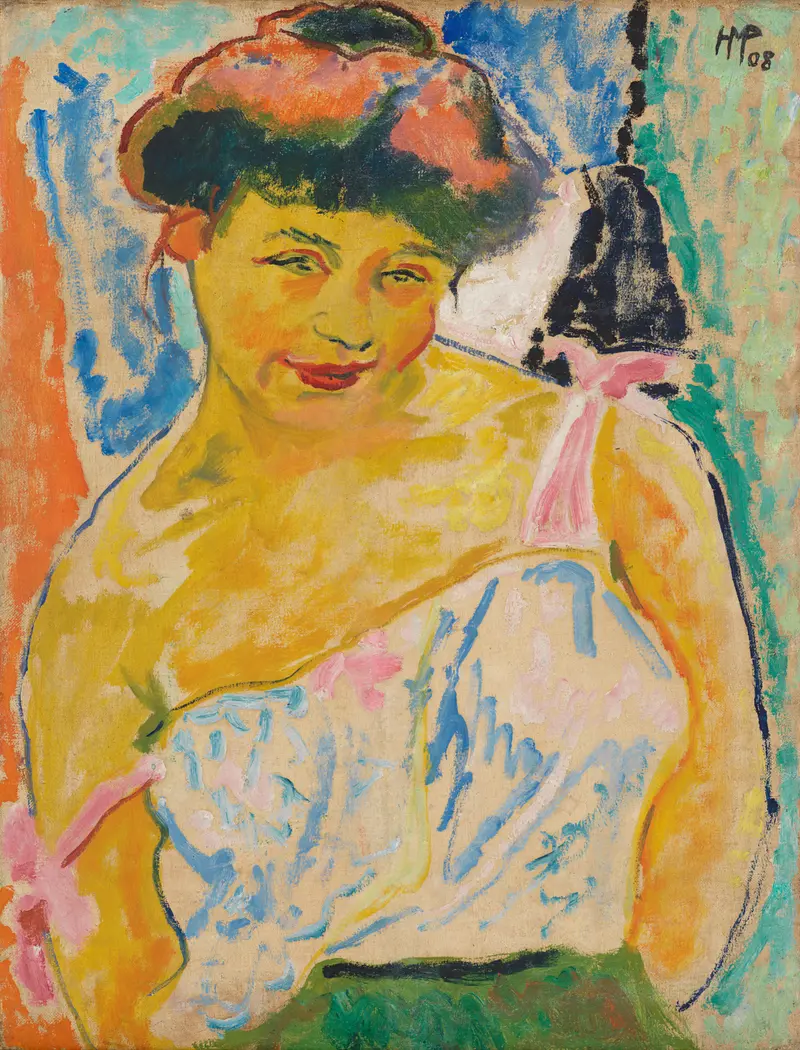
Junges Mädchen
Hermann Max Pechstein
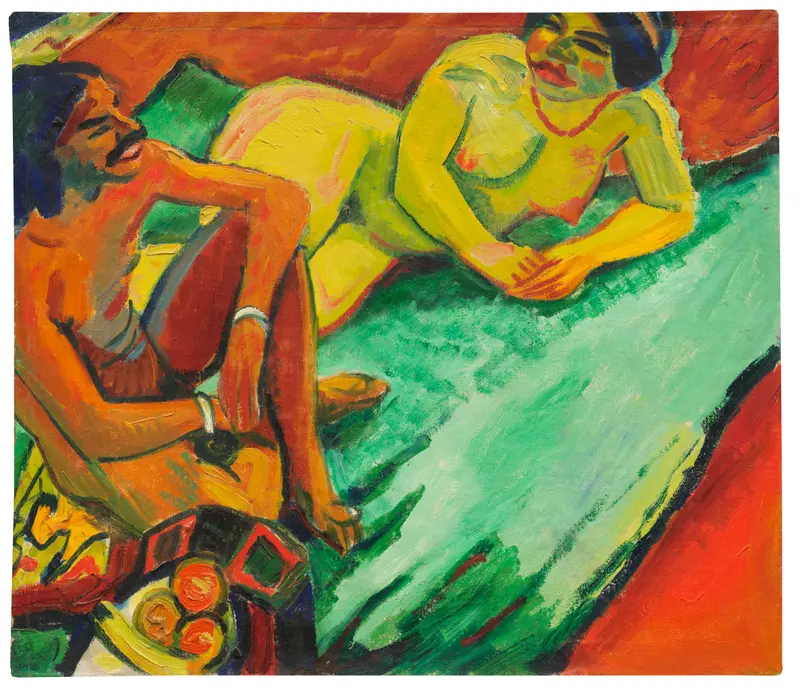
Weib mit Inder auf Teppich
Hermann Max Pechstein
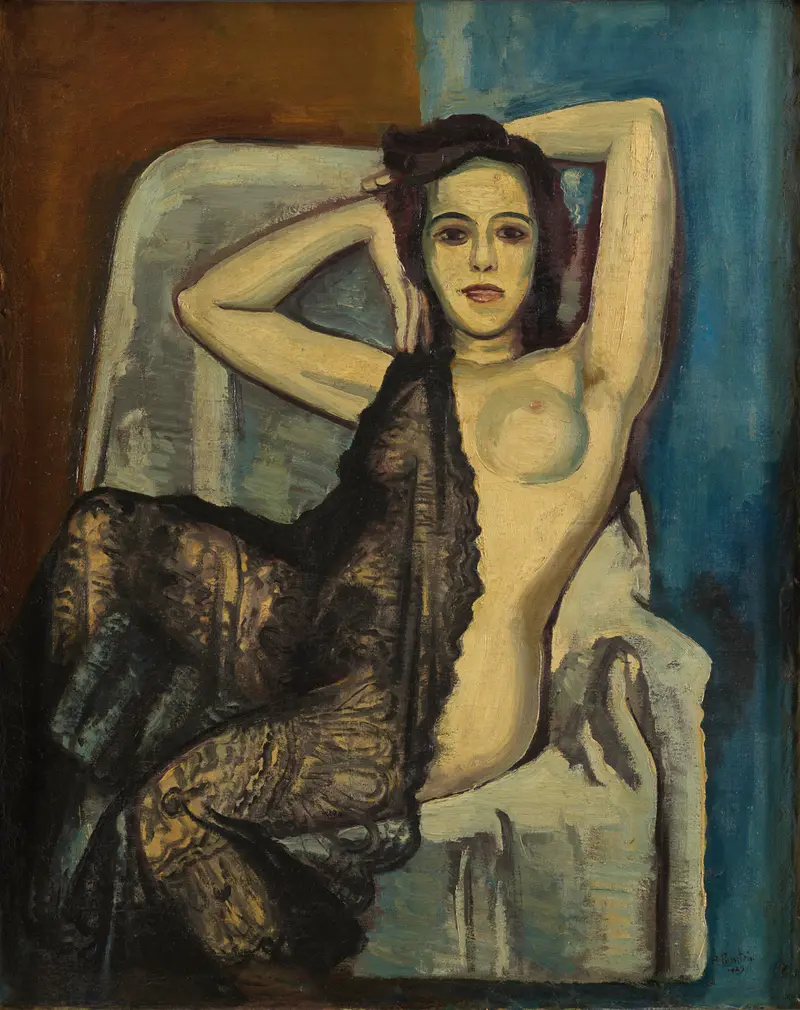
Max Pechstein Mädchen mit Schleier
Hermann Max Pechstein
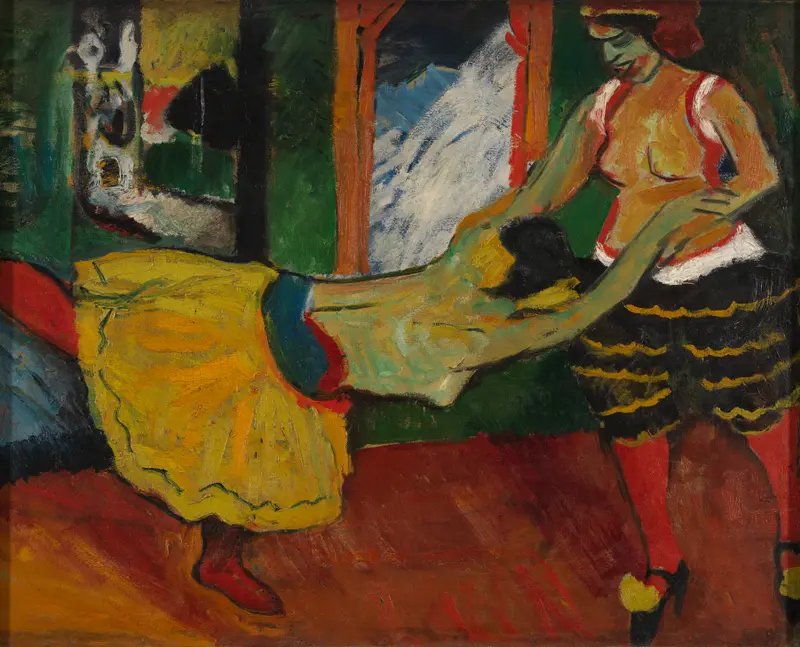
Max Pechstein Tanz
Hermann Max Pechstein
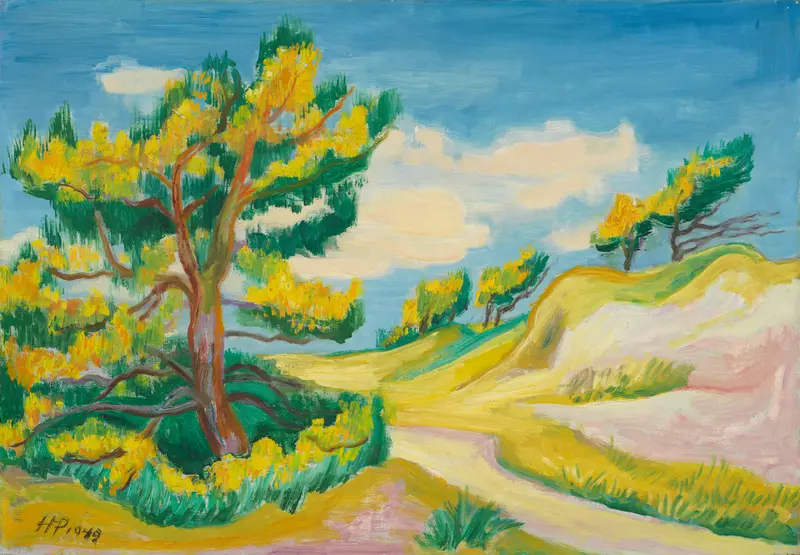
Blühende Kiefern in den Dünen
Hermann Max Pechstein

Die Quelle
Hermann Max Pechstein
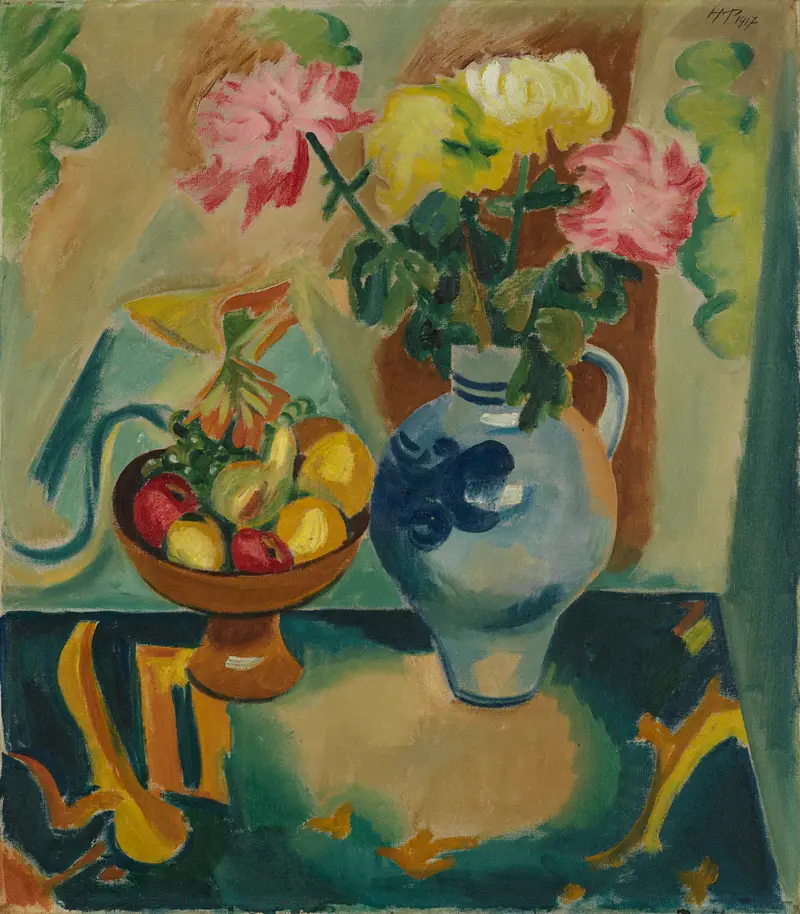
Stilleben mit Chrysanthemen und Früchten
Hermann Max Pechstein
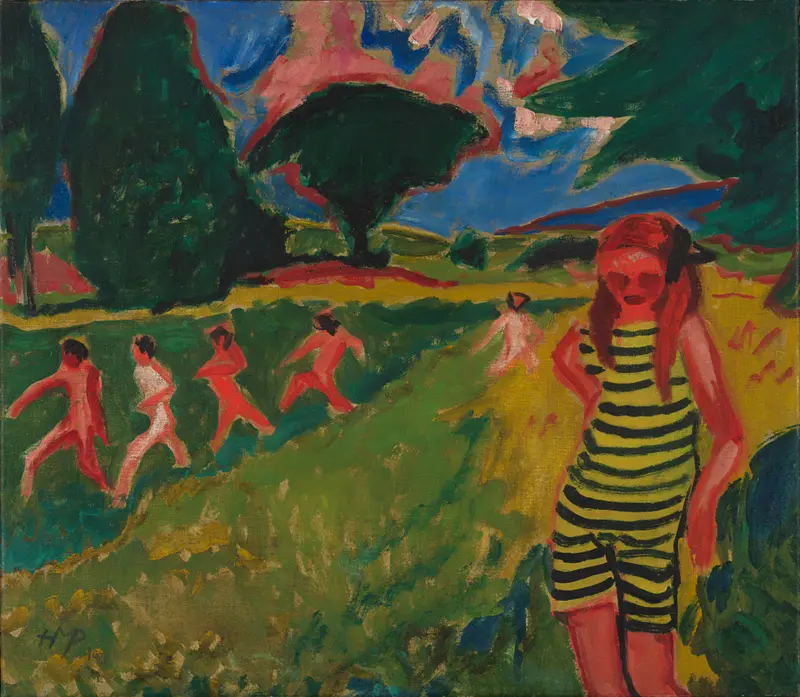
Das gelbschwarze Trikot
Hermann Max Pechstein
More Genre Scene Art

Banquet of the Officers of the St George Civic Guard
Frans Hals

Rembrandt and Saskia in the Scene of the Prodigal Son
Rembrandt van Rijn

Bal du moulin de la Galette
Pierre-Auguste Renoir

Quadrille at the Moulin Rouge
Henri de Toulouse-Lautrec

A Burial at Ornans
Gustave Courbet

When Will You Marry?
Paul Gauguin