
Meeresbrandung an der Küste der Normandie — History & Facts
What secret hides in the quiet of the canvas? In a world where the tumult of waves meets the stillness of the shore, loss whispers through the air, even in silence. Look to the horizon, where the tumultuous sea crashes against the rocky coast, each wave a manifestation of both beauty and chaos. Notice how the frothy white crests of the water bring texture and energy to the piece, contrasting sharply with the soft hues of the sky above. The muted blues and grays blend seamlessly, creating an atmosphere that feels both ominous and serene, inviting your gaze deeper into the scene.
The careful brushwork reveals a sense of movement, capturing the relentless push of the ocean and the timelessness of nature’s power. Deeper inspection reveals layers of emotion nestled within the waves and clouds. The turbulent sea suggests a struggle—perhaps a metaphor for inner turmoil or the ache of longing left in the wake of loss. The dark rocks, firmly grounded yet battered by the waves, symbolize resilience in the face of adversity.
Amid the natural beauty lies an unspoken story, a connection between the heart of the artist and the vastness of the world that hints at both hope and sorrow. During the time Meeresbrandung an der Küste der Normandie was created, around 1836, Johann Wilhelm Schirmer was establishing himself within the German Romantic movement, focusing on landscapes that evoke emotional depth. Living in a period marked by significant change in art and society, he was influenced by the rising interest in nature’s sublime qualities and the human experience. This piece reflects not only his skill but also the broader cultural shift towards exploring the inner emotional landscape amid the shifting tides of life.
More Artworks by Johann Wilhelm Schirmer
Browse all →
Waldlandschaft mit Blick auf Olevano und den Monte Cavo
Johann Wilhelm Schirmer
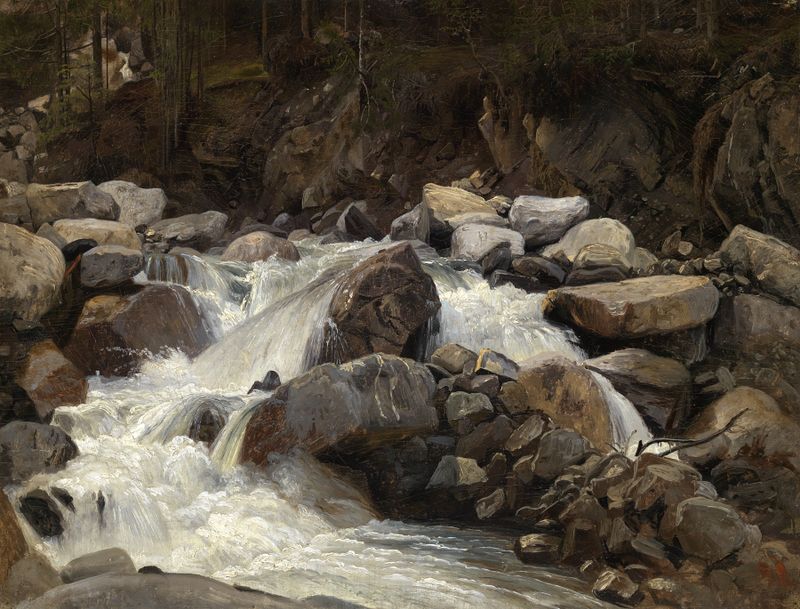
Schweizer Gebirgsbach
Johann Wilhelm Schirmer
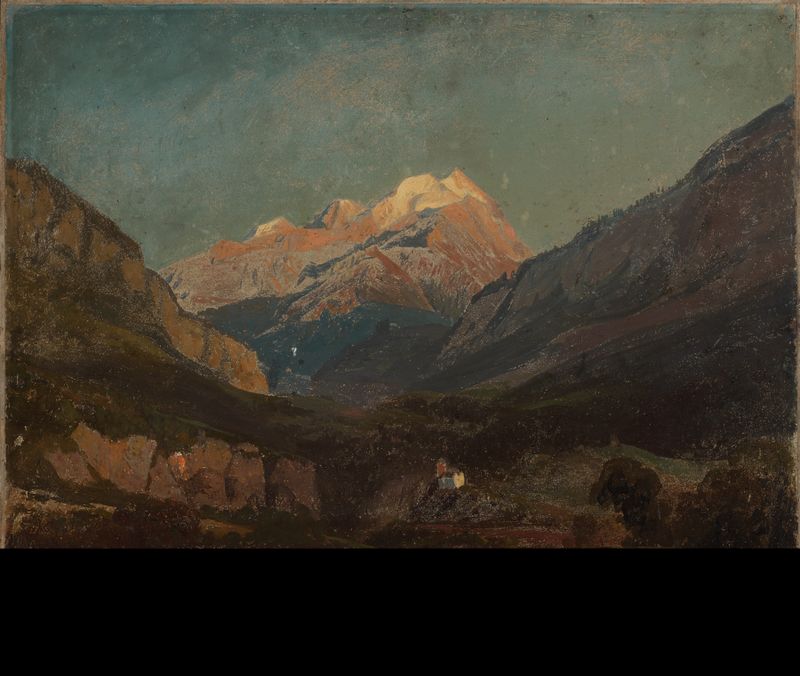
Schweizer Gebirgslandschaft mit Kapelle und fernem Schneegipfel
Johann Wilhelm Schirmer

Schweizer Gebirgslandschaft mit dem Piz Beverin im Hintergrund
Johann Wilhelm Schirmer

Waldinneres mit Hirschen am Wasser
Johann Wilhelm Schirmer

The Wetterhorn
Johann Wilhelm Schirmer

Partie aus der Römischen Campagna
Johann Wilhelm Schirmer

Felsabhang in der Schweiz
Johann Wilhelm Schirmer
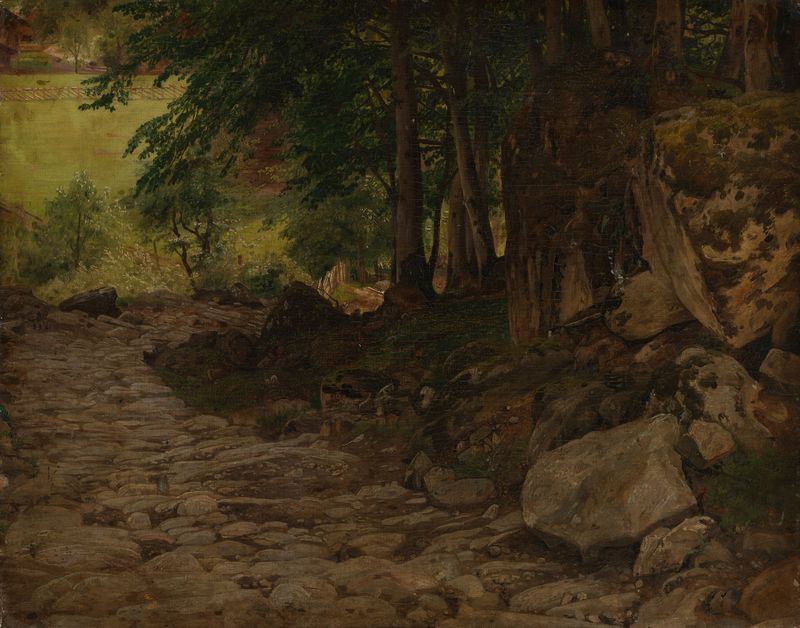
Felsweg in der Schweiz
Johann Wilhelm Schirmer
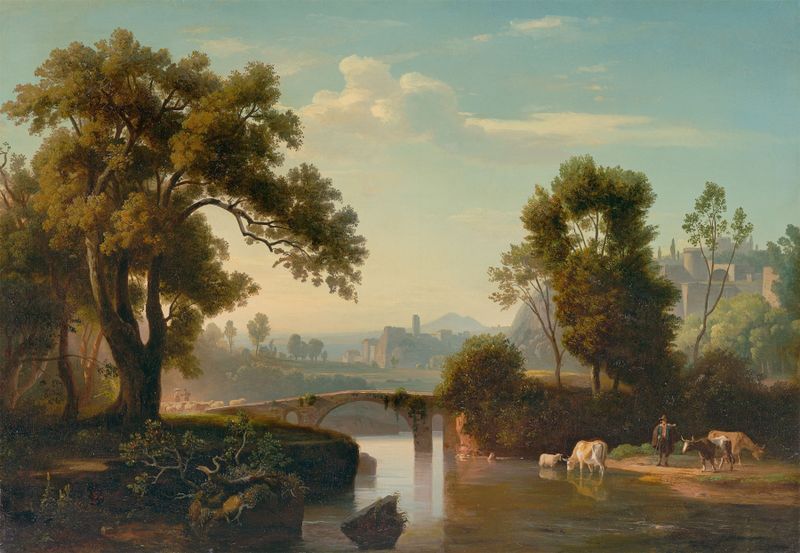
Italienische Landschaft mit Hirten
Johann Wilhelm Schirmer





