
Men in the City — History & Facts
What first catches the eye in Men in the City is the sense of movement locked in geometry, as if the city’s pulse has been translated into a symphony of shapes and colors. The figures—if they can be called that—are not people in any traditional sense, but rather constructions of cylinders, cones, and blocks, their limbs and torsos merging seamlessly with the urban scaffolding around them. The palette is crisp and deliberate: bold primaries and sharp blacks and whites carve out a rhythm across the surface, guiding the viewer’s gaze from one form to the next.
The heads, rendered as metallic orbs, are faceless, anonymous, yet their postures suggest a kind of mechanical camaraderie or confrontation. Here, the city is not a backdrop but a participant, its architecture and inhabitants fused into a single, dynamic organism. Painted in 1919, this work emerges from the world of postwar Paris, where artists like Fernand Léger were reimagining what painting could be in an age of machines and rebuilding. The influence of Cubism is unmistakable, but Léger’s vision is more industrial, more optimistic about the future’s machinery.
In the years after World War I, artists sought new forms to express the fractured realities and new hopes of modern life; the city became both a symbol and a laboratory. While little is recorded about the specific journey of this painting, its presence in a modern collection speaks to the enduring fascination with the moment when art, industry, and the human form collided. Look again, and see how the city’s energy still hums beneath the surface.
More Artworks by Fernand Léger

The Tugboat Bridge
Fernand Léger
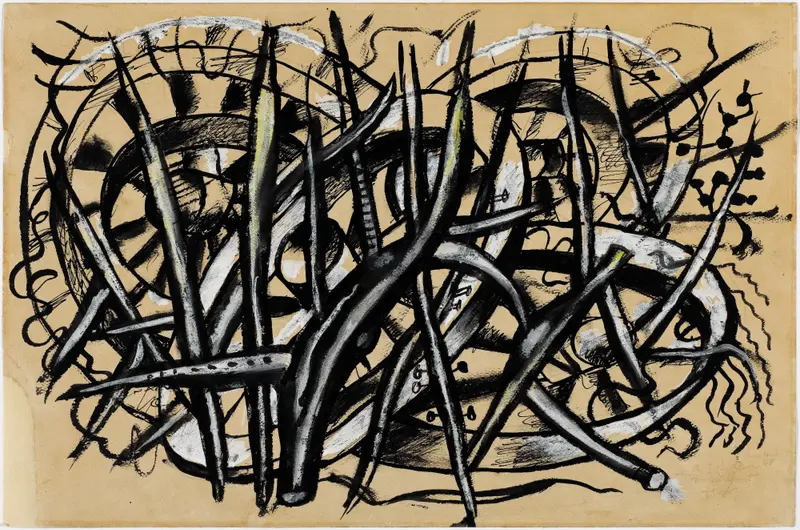
The Wheels
Fernand Léger

Le Cirque Médrano
Fernand Léger
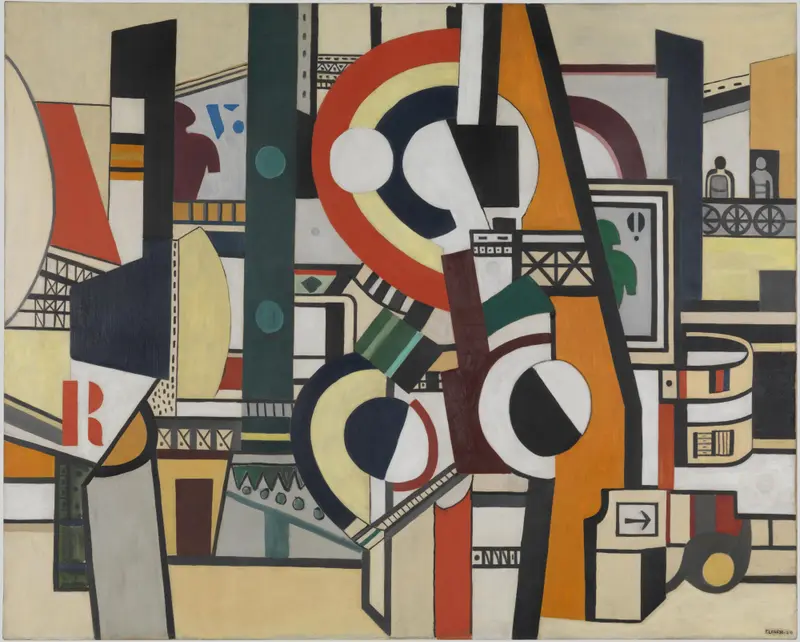
The Disks in the City
Fernand Léger
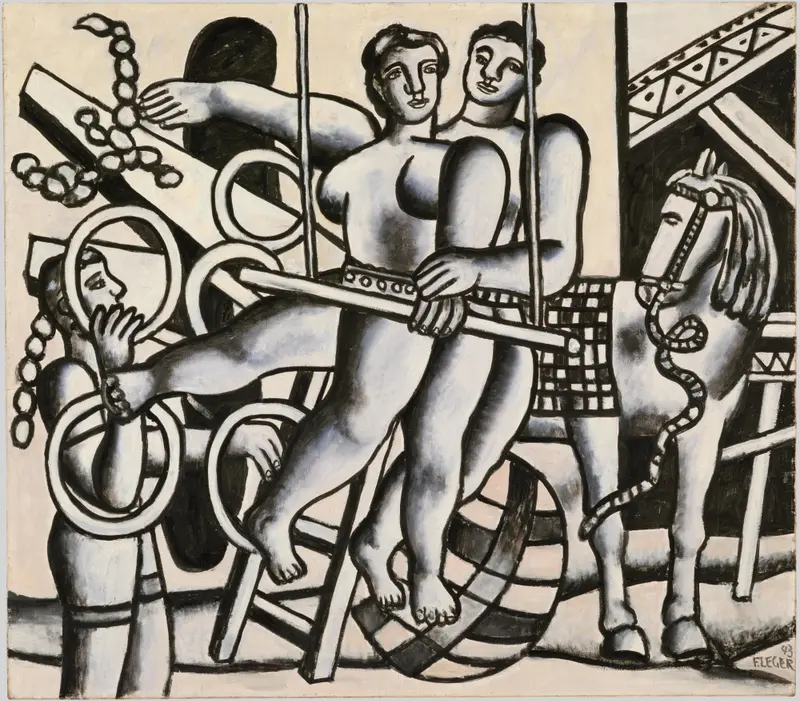
Le Jongleur et les acrobates
Fernand Léger
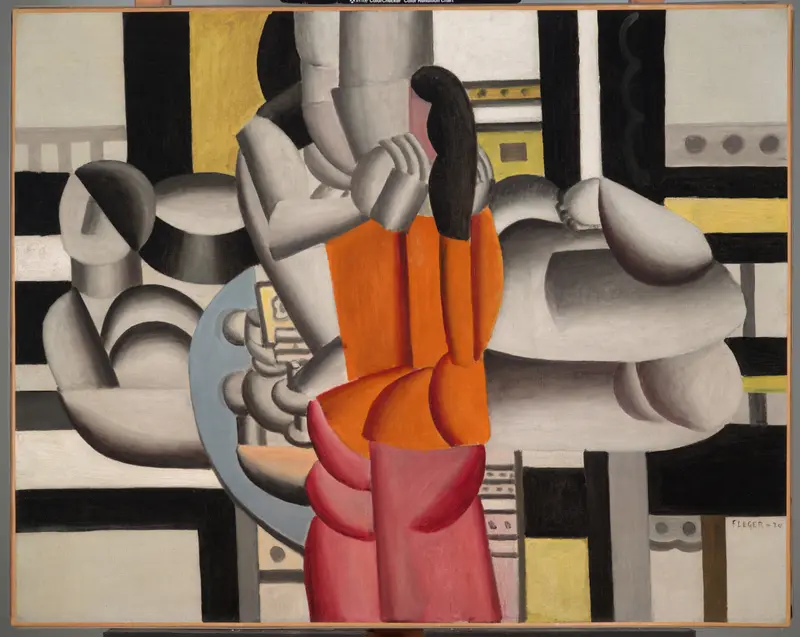
Three Women and Still Life (Déjeuner)
Fernand Léger
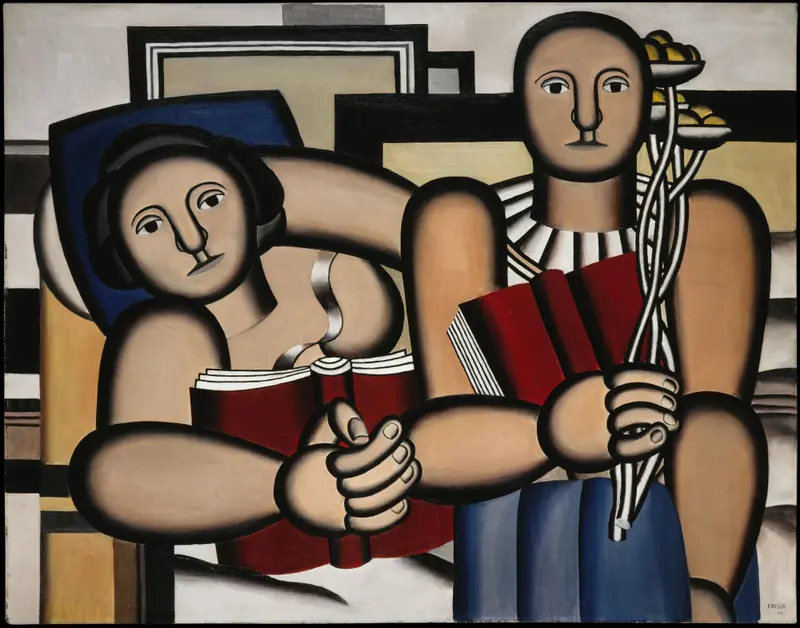
Reading
Fernand Léger
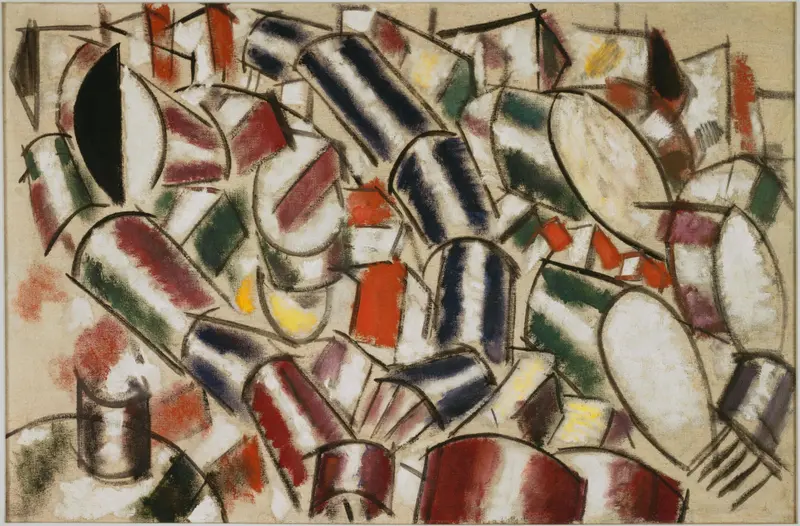
Femme couchée
Fernand Léger
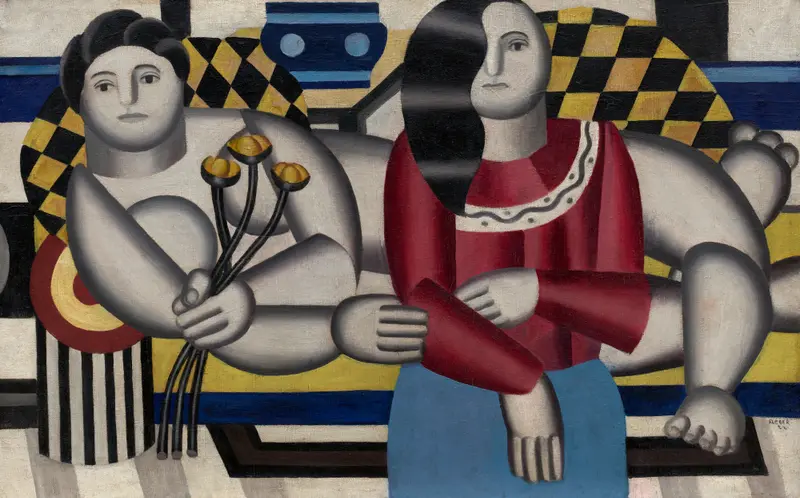
Woman holding flowers
Fernand Léger
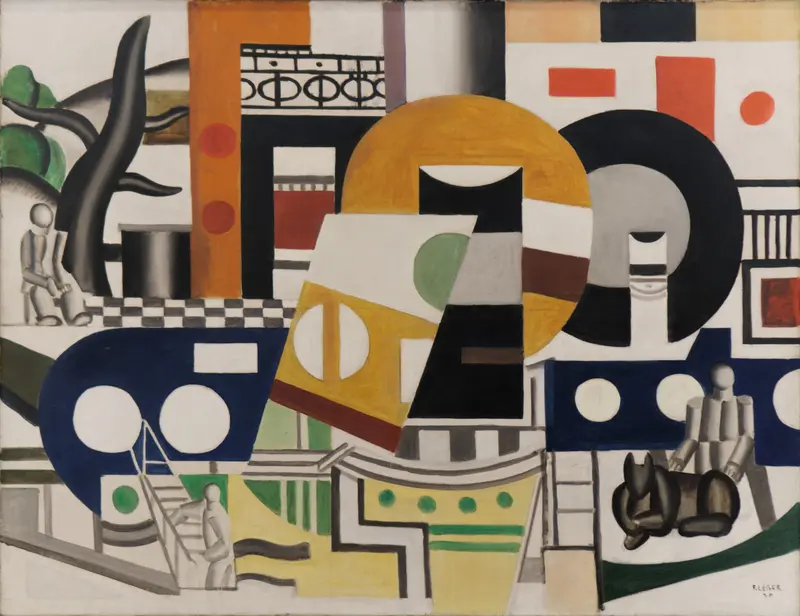
The Tug
Fernand Léger



