
Menippus — History & Facts
When Menippus entered the Spanish royal collection, it was paired with another striking figure, Aesop, both painted by Diego Velázquez around 1638. These two canvases were not just portraits but philosophical statements, commissioned for the Torre de la Parada, King Philip IV’s hunting lodge outside Madrid. The pairing itself was unusual: Menippus, the ancient Greek satirist, and Aesop, the legendary fabulist, were not saints or heroes but thinkers known for their wit and skepticism.
Their presence in the royal retreat signaled a taste for irony and wisdom at the highest levels of Spanish power. Velázquez captures Menippus in a moment of sardonic observation, wrapped in a threadbare cloak, his gaze direct yet amused. The philosopher stands alone, holding a staff and a scroll—symbols of the wandering thinker and the written word. The light falls sharply on his weathered face and hands, highlighting both his poverty and his intelligence.
Unlike earlier, more comic depictions of Menippus, such as those by Jusepe de Ribera, Velázquez’s version strips away caricature, presenting a figure at once dignified and enigmatic. The muted palette and rough textures reinforce the philosopher’s outsider status, while the subtle play of expression hints at the humor and skepticism for which Menippus was famous. The painting’s journey has been relatively stable compared to many works of the period. After its creation for the Torre de la Parada, Menippus was moved to the royal palaces in Madrid, eventually entering the collection of the Museo del Prado, where it hangs today beside its companion, Aesop.
The work marks a turning point in Velázquez’s career, as he moved beyond court portraiture to more philosophical and experimental subjects. Scholars continue to debate the precise meaning behind the pairing and the intended message for the king’s circle, but the painting remains a testament to Velázquez’s ability to find depth and humanity in even the most unlikely of subjects.
More Artworks by Diego Velázquez

Las Meninas
Diego Velázquez
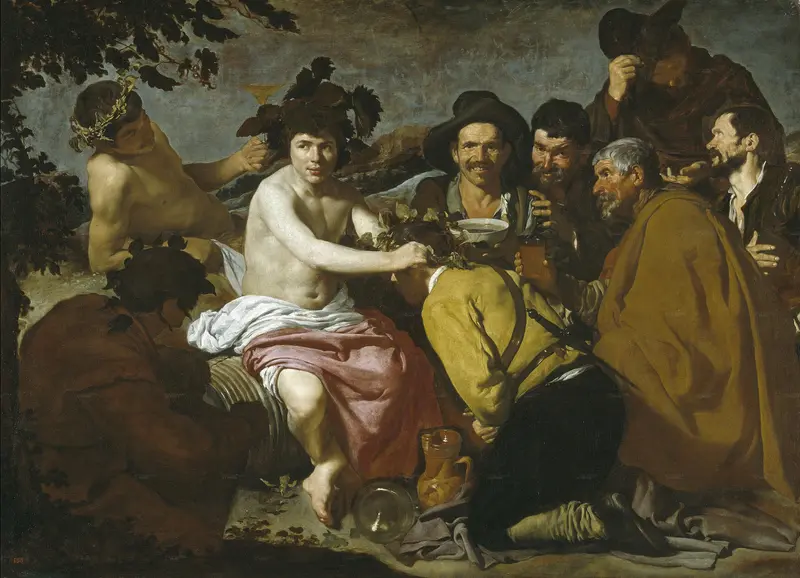
The Triumph of Bacchus
Diego Velázquez
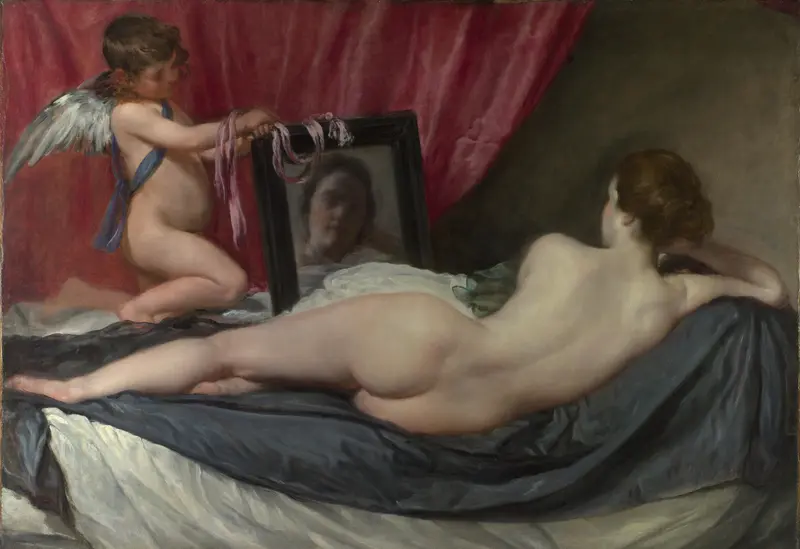
Rokeby Venus
Diego Velázquez
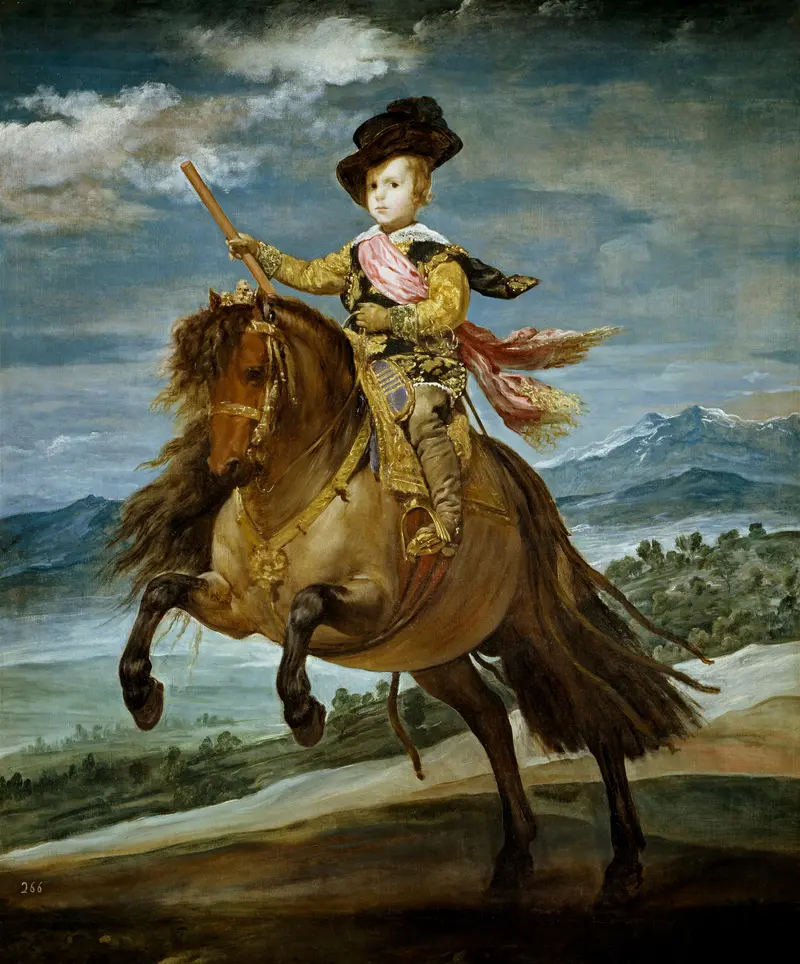
Equestrian Portrait of Prince Balthasar Charles
Diego Velázquez
Bacchus
Diego Velázquez
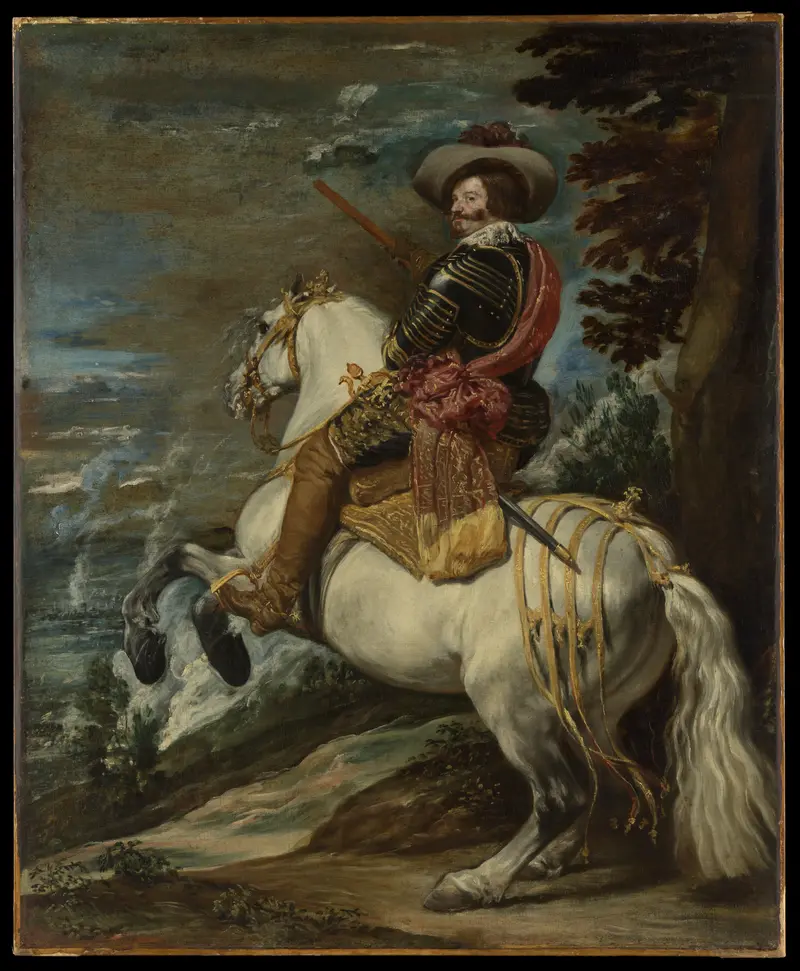
Don Gaspar de Guzmán (1587–1645), Count-Duke of Olivares
Diego Velázquez
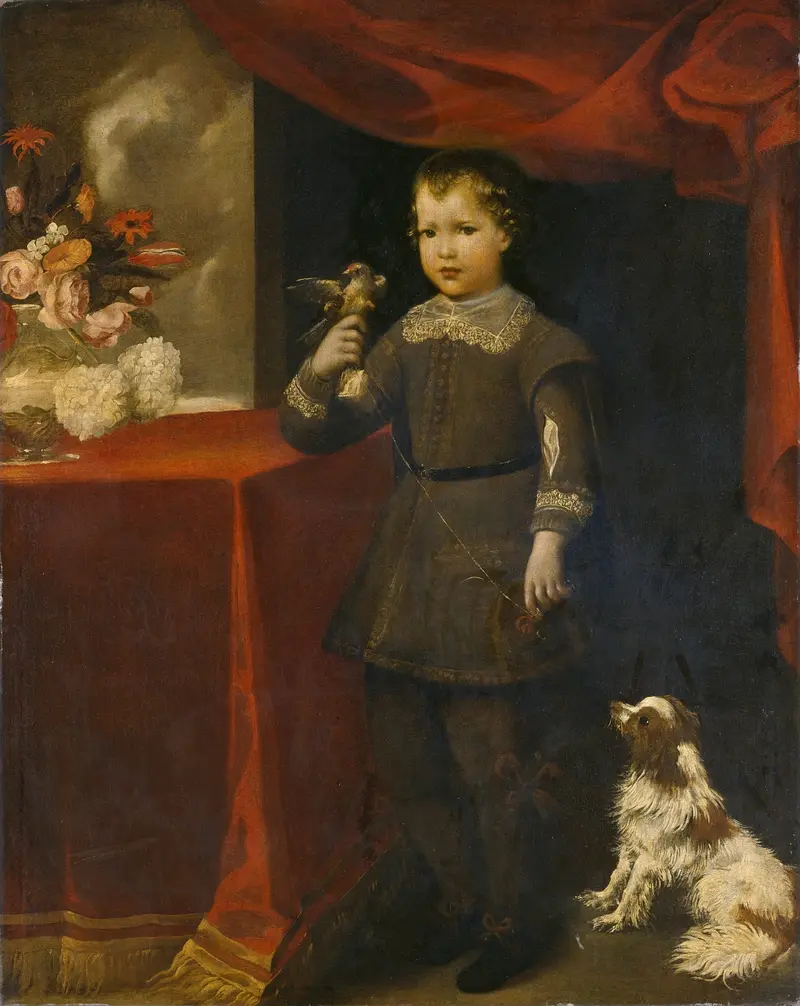
El príncipe Baltasar Carlos de Austria
Diego Velázquez
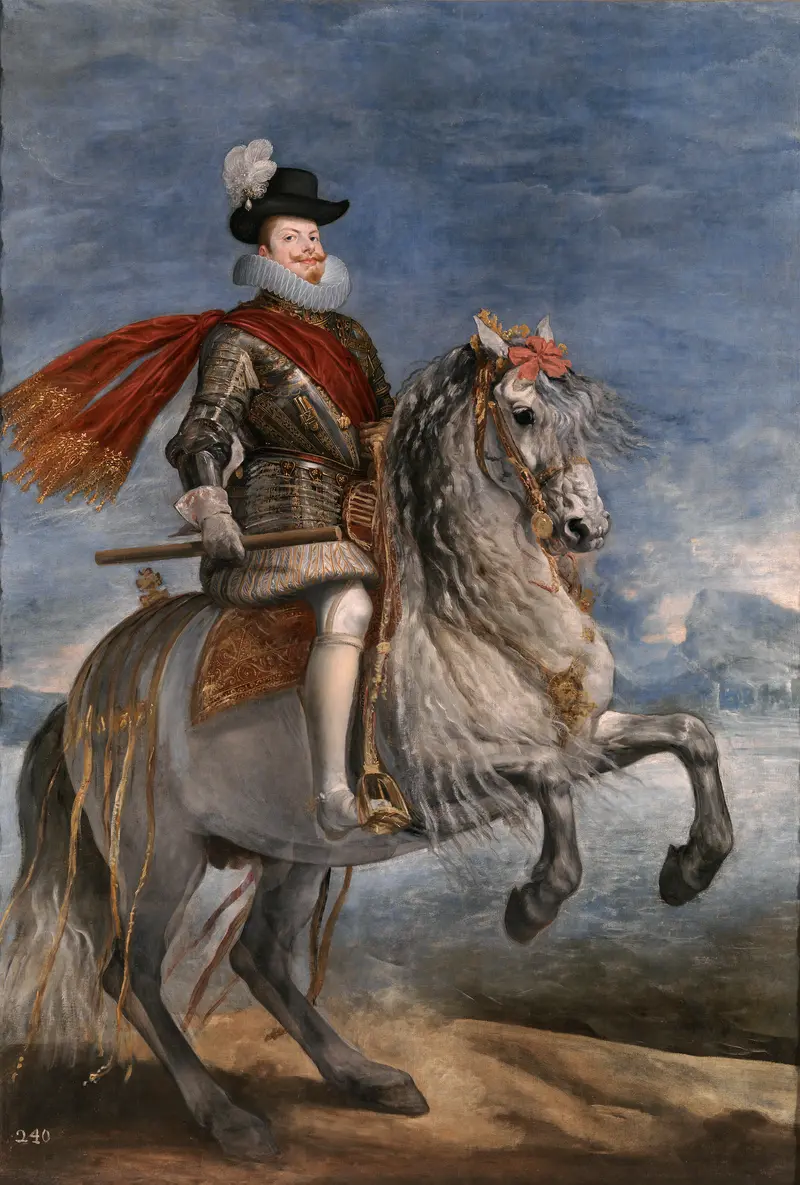
Equestrian Portrait of Philip III
Diego Velázquez
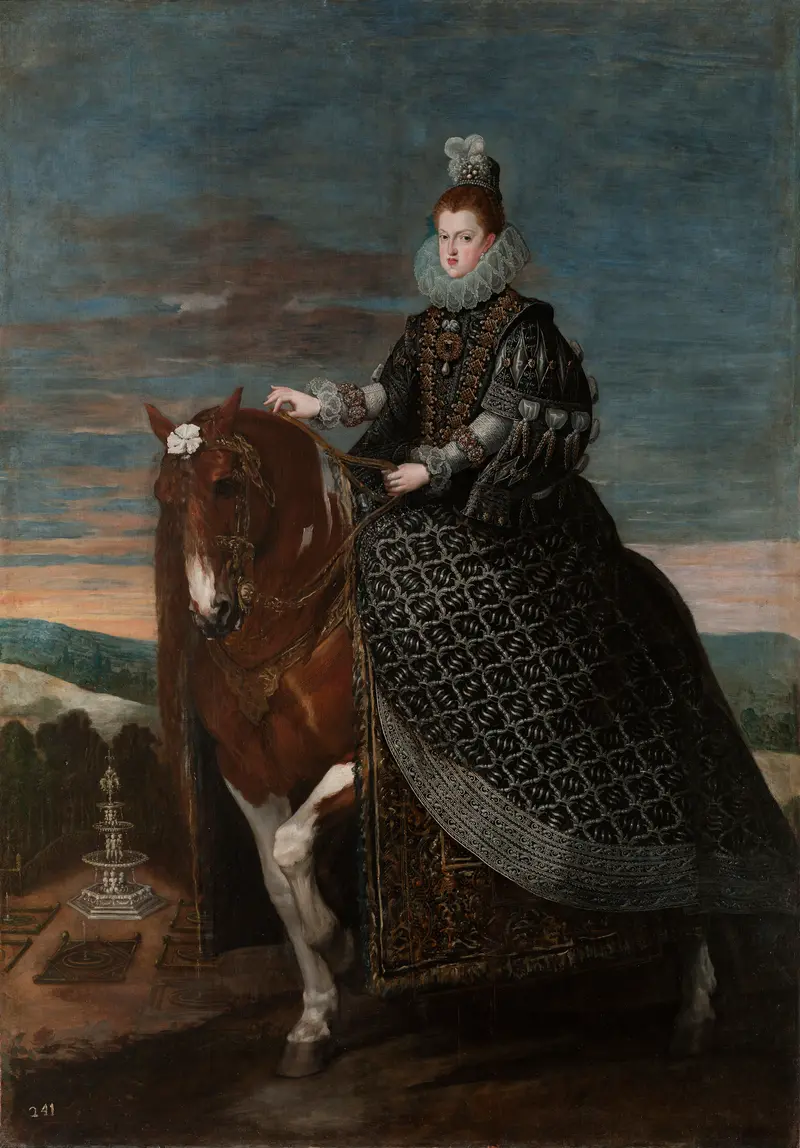
Equestrian Portrait of Margarita of Austria
Diego Velázquez
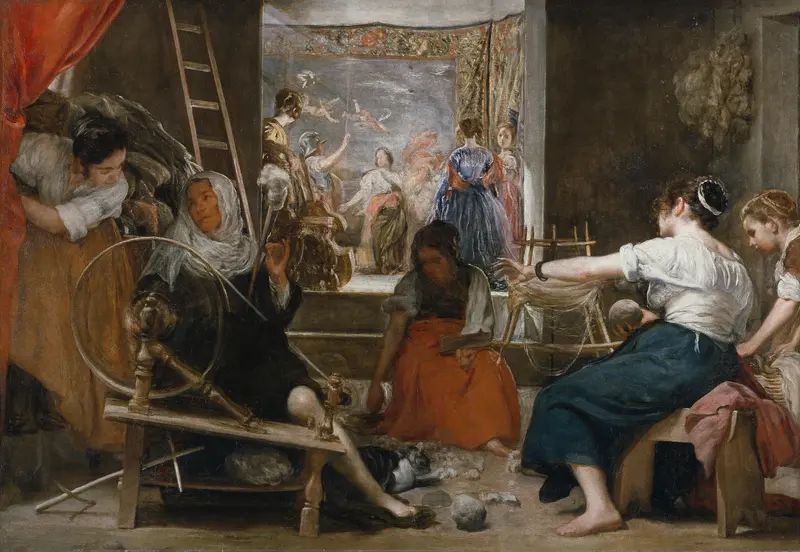
Las Hilanderas
Diego Velázquez




