
Motif from an East Slovak village — History & Facts
When did color learn to lie? In Motif from an East Slovak village, vibrant hues intertwine with the rugged reality of rural life, inviting contemplation about truth and perception. The interplay of vivid colors suggests a world that both celebrates and obscures the essence of its subjects, offering a complex narrative beneath its picturesque surface. Look to the bold reds and greens that dominate the foreground, where the landscape unfolds into rolling hills and quaint houses. Notice how the light dances across the textured surfaces of the buildings, casting shadows that deepen the sense of community and solitude alike.
The composition is a harmonious blend of spontaneity and structure, with each brushstroke carefully laid to evoke a sense of warmth and belonging, while simultaneously challenging the viewer to question what lies beneath such beauty. Delve deeper into the small details; observe the children playing in the background. Their laughter, though silent, resonates through their spirited movement, invoking nostalgia and innocence. The juxtaposition of their carefree nature against the stark outlines of the rural setting highlights the tension between joy and hardship, a duality that permeates life in the village.
Here, color serves as a powerful storyteller, masking deeper stories of struggle, resilience, and cultural pride. In 1925, the artist crafted this piece amidst a post-World War I Europe grappling with identity and modernization. Living in Slovakia, Čordák sought to capture the essence of his homeland while navigating the complexities of an evolving artistic landscape. This work emerged during a time of cultural revival, where local traditions began to interlace with broader artistic movements, reflecting both a yearning for heritage and an embrace of change.
More Artworks by Ľudovít Čordák
Browse all →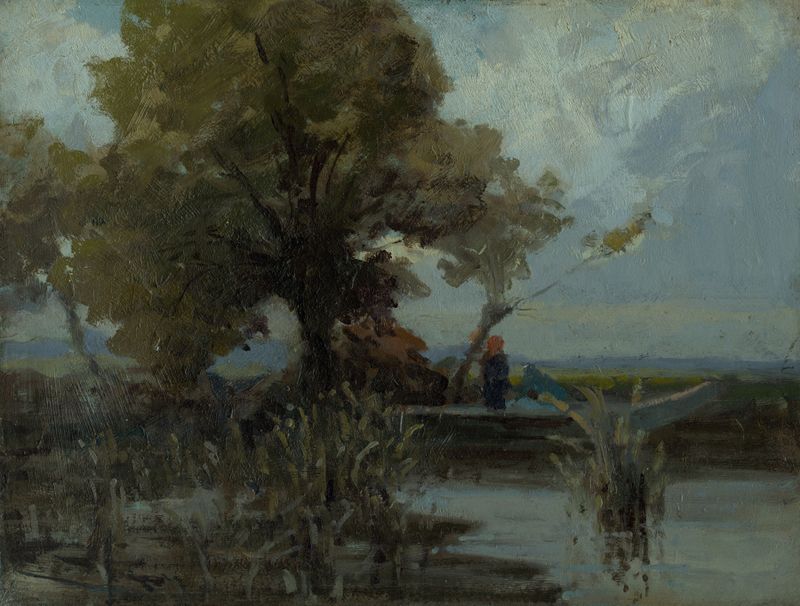
Košatý strom pri jazere
Ľudovít Čordák
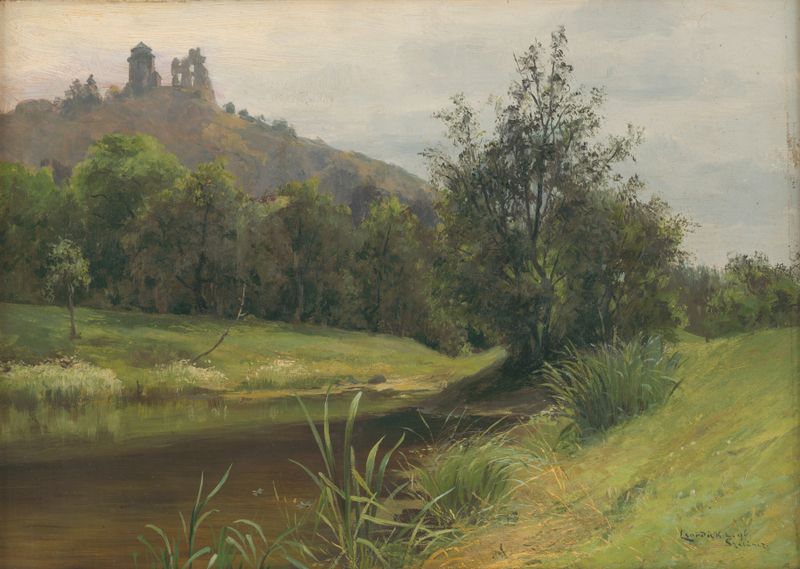
Močarina pod Slaneckým hradom
Ľudovít Čordák
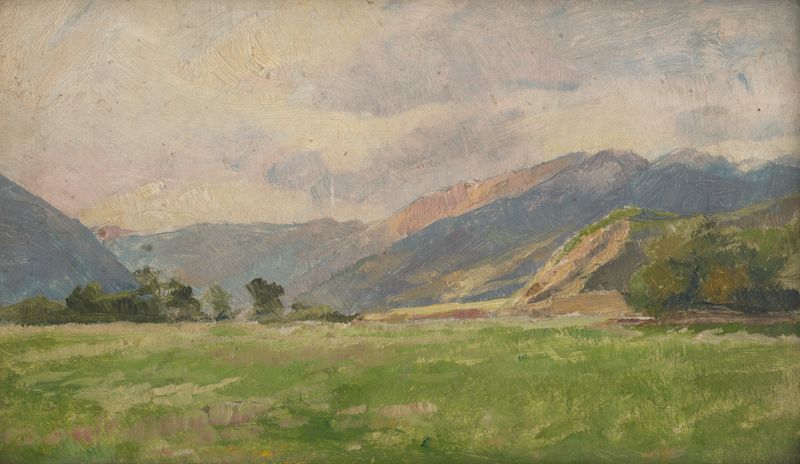
Mountain Meadow
Ľudovít Čordák
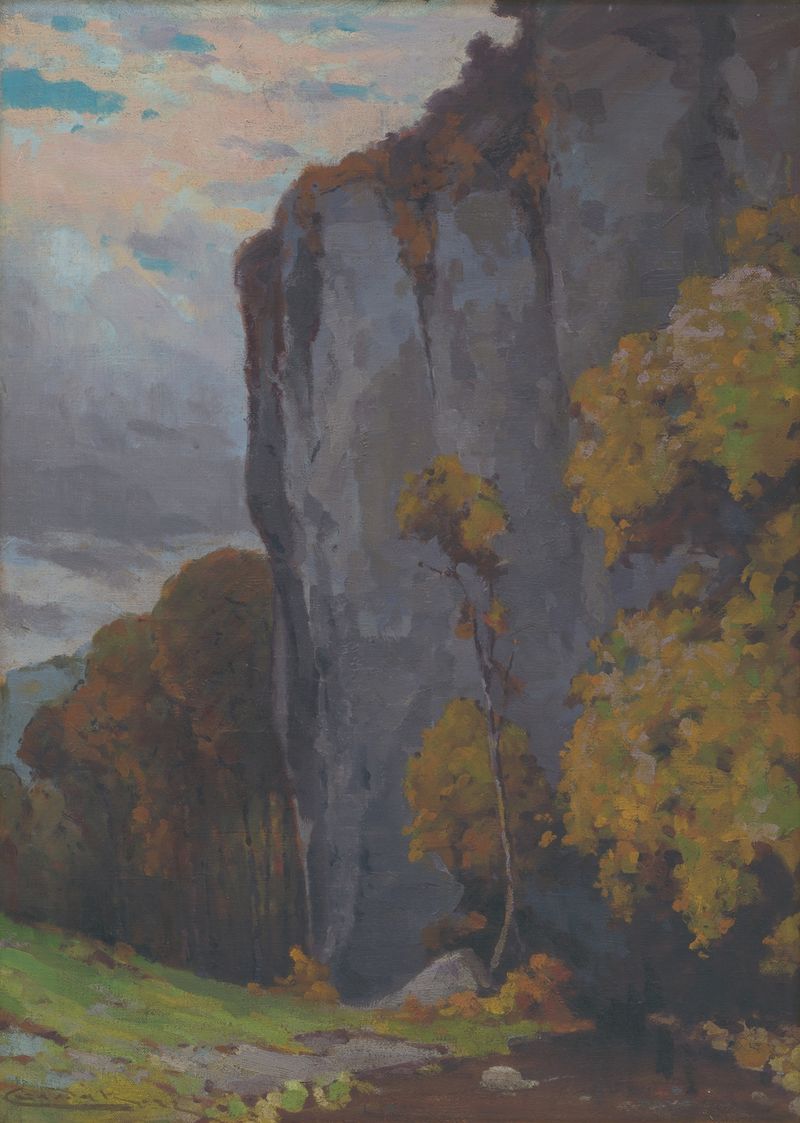
Zádiel
Ľudovít Čordák
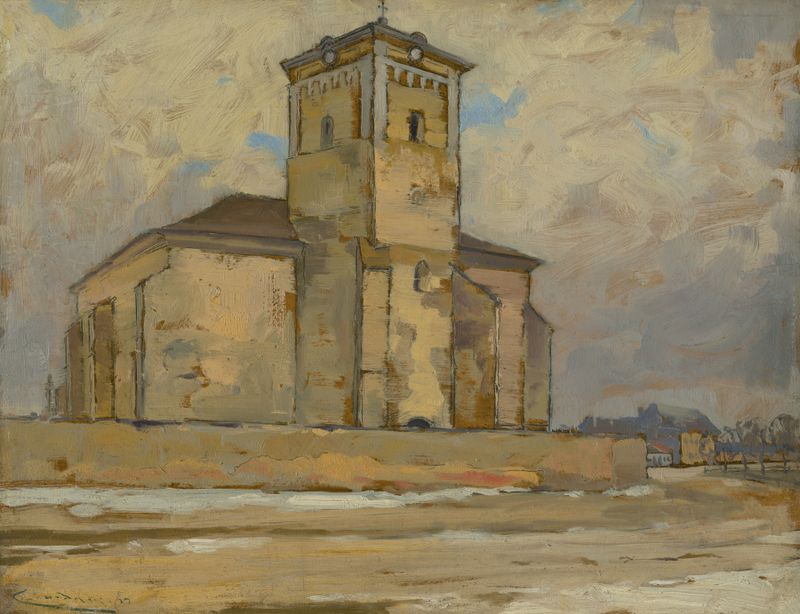
Church in Moldova
Ľudovít Čordák
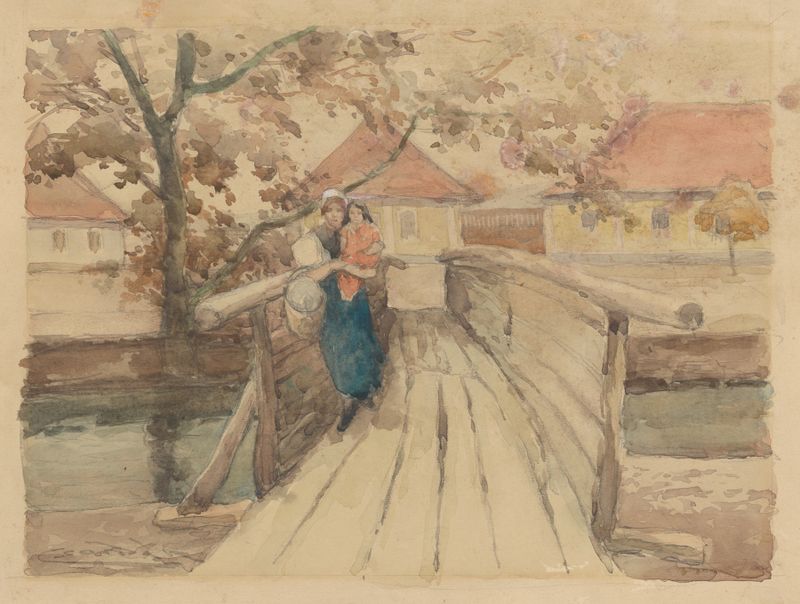
Wooden bridge
Ľudovít Čordák
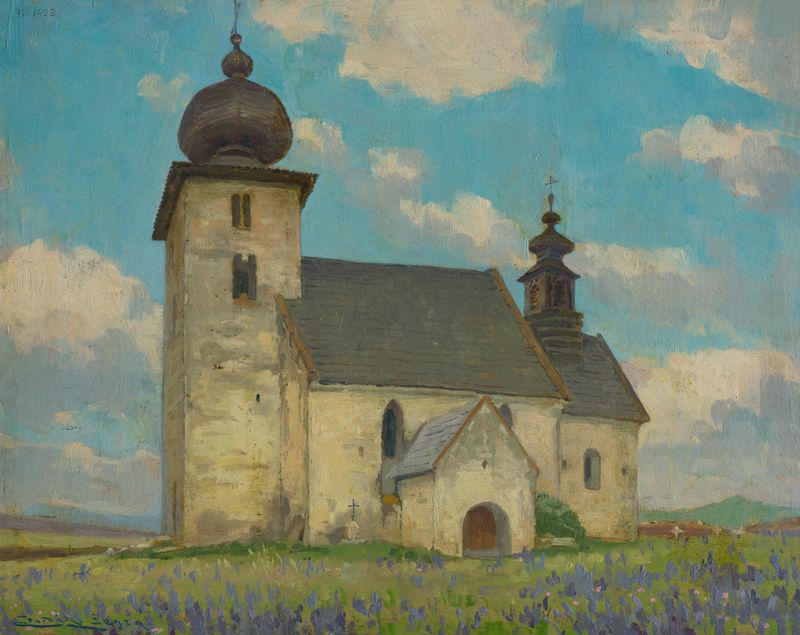
Gothic church in Žehra
Ľudovít Čordák
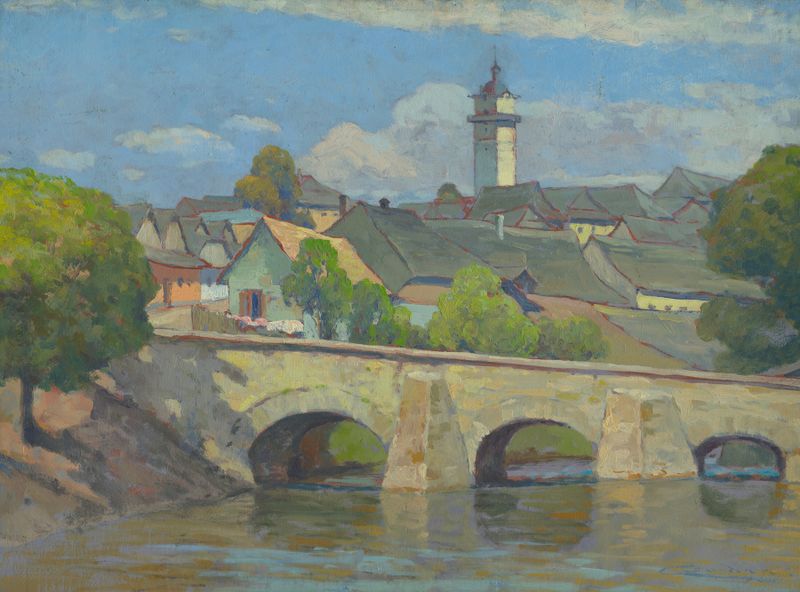
A small town in Spiš
Ľudovít Čordák
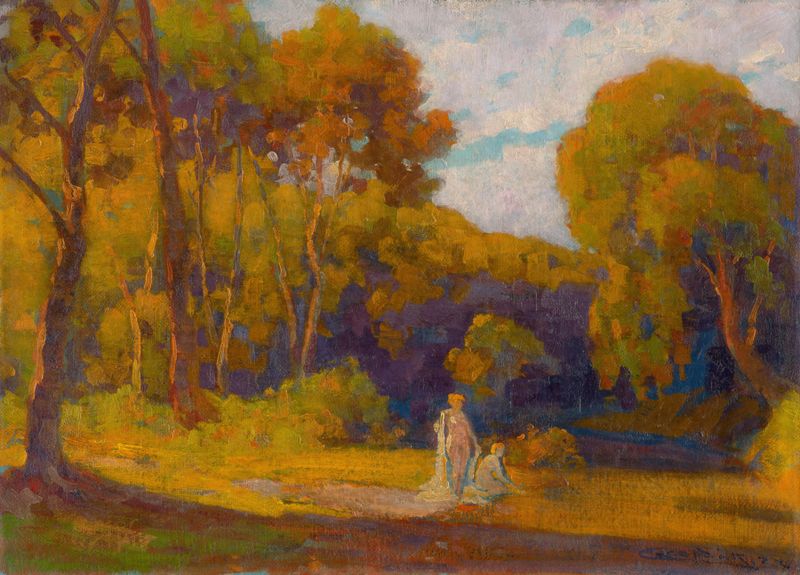
At Sunset
Ľudovít Čordák
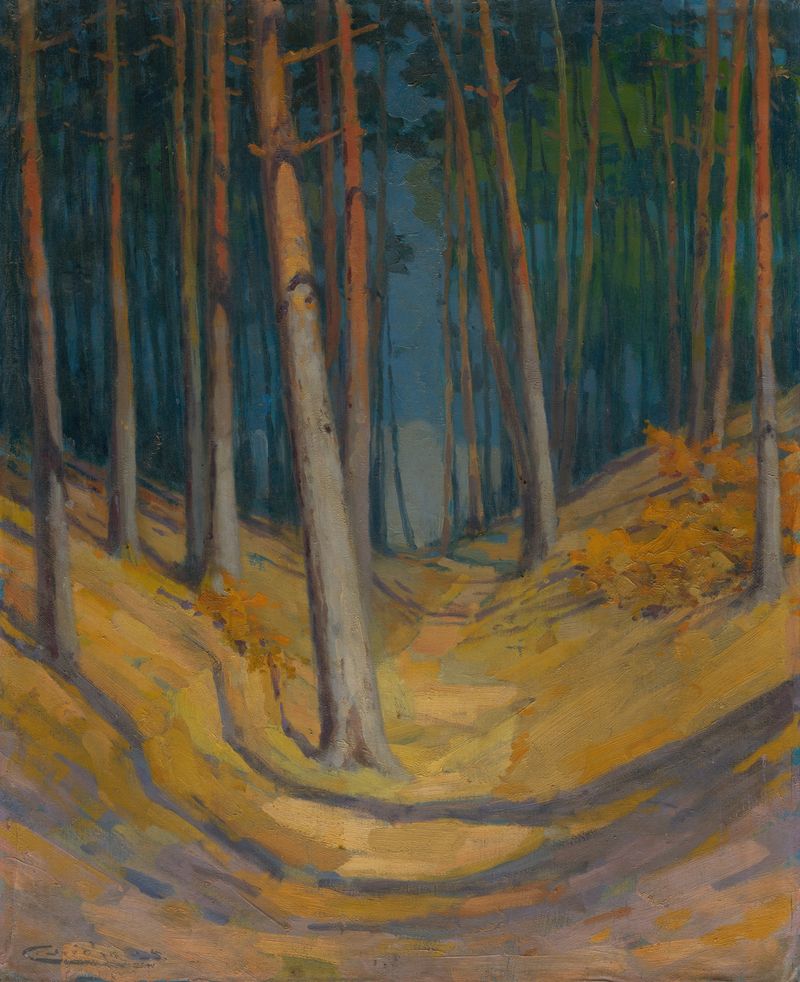
Forest
Ľudovít Čordák





