Musicerende en dansende saters en nimfen — History & Facts
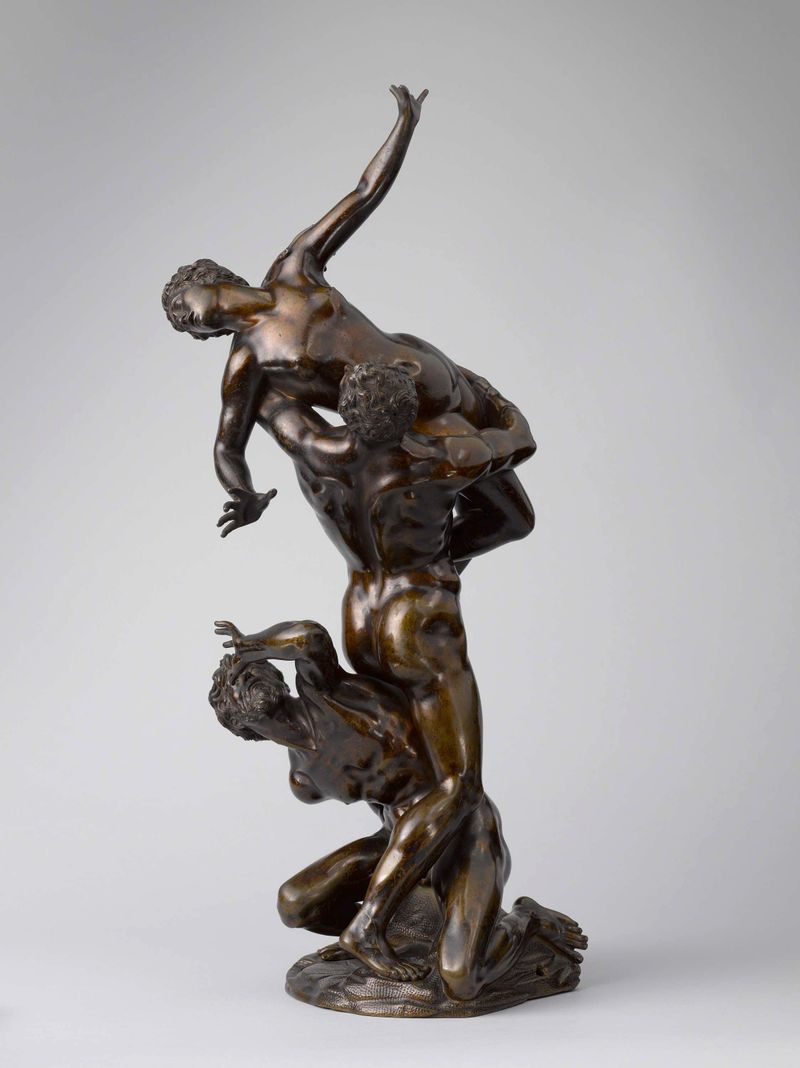
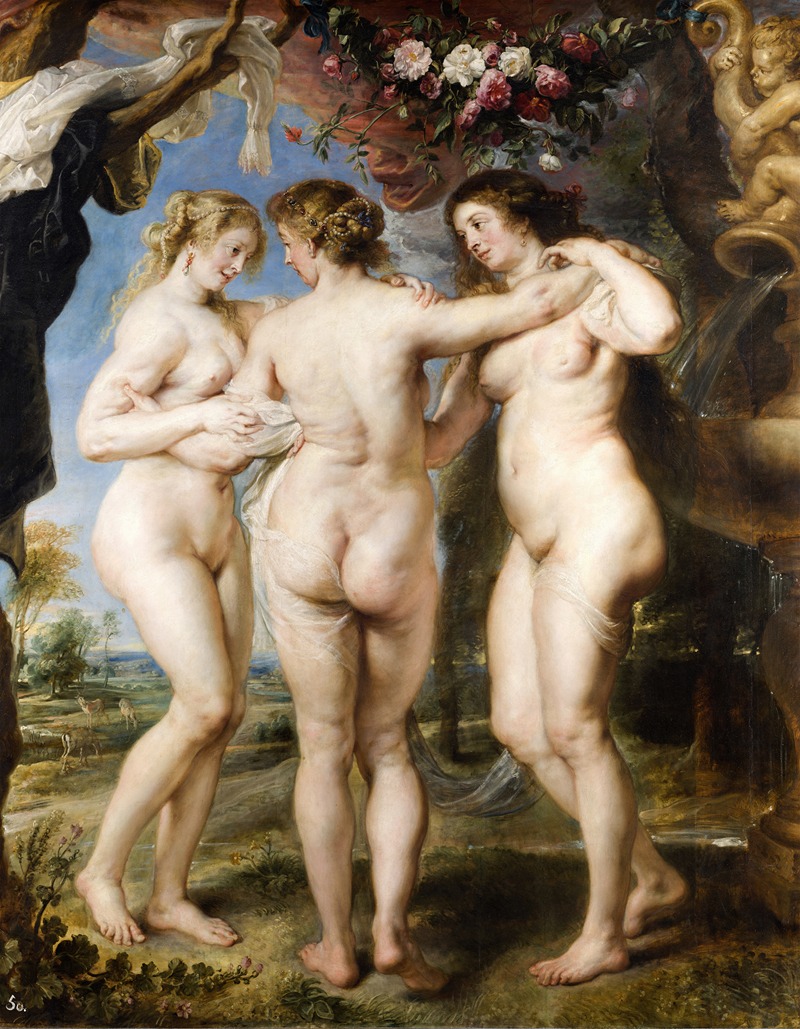
What secret hides in the quiet of the canvas? A dreamlike reverie unfolds, where the boundaries between reality and imagination blur in a harmonious embrace of music and movement. Look to the center, where figures dance in a vibrant circle, their limbs gracefully intertwining like tendrils of melody. The delicate strokes and soft palette allow light to flow through the scene, illuminating the satyrs and nymphs with an ethereal glow, as if they are suspended in a moment of bliss. The lush greenery surrounding them envelops the composition, inviting the viewer to feel the warmth of a sun-soaked afternoon, invoking a sense of serenity and timelessness. Notice the contrast between the joyous revelry of the dancers and the serene expressions on their faces, suggesting a deeper narrative of longing and connection.
The instruments held aloft resonate with the silent music that pulses through the air, hinting at the unspoken bond between nature and the divine. Each figure, from the playful satyrs to the elegant nymphs, embodies a duality of wildness and grace, capturing the essence of a world where dreams and desires intertwine like notes in a symphony. Wenceslaus Hollar painted this enchanting scene in 1650, amidst a flourishing period of Baroque artistry in Europe. Living in London after fleeing the Thirty Years' War, Hollar found inspiration in the interplay of light and emotion that characterized the era.
This work reflects not only his mastery of etching but also the zeitgeist of an age enamored with the beauty of myth and nature.
More Artworks by Wenceslaus Hollar
Browse all →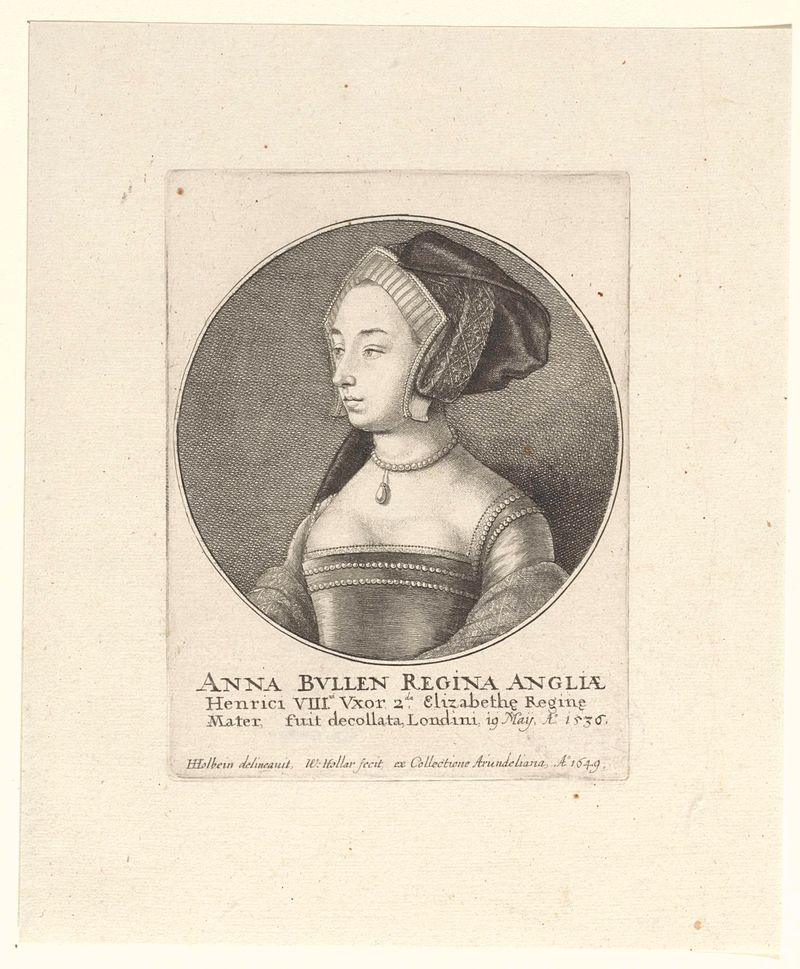
Portret van Anna Boleyn, koningin van Engeland
Wenceslaus Hollar
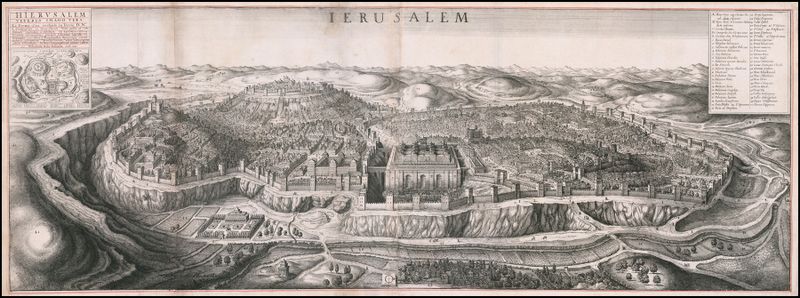
Bird’s eye view of Jerusalem
Wenceslaus Hollar
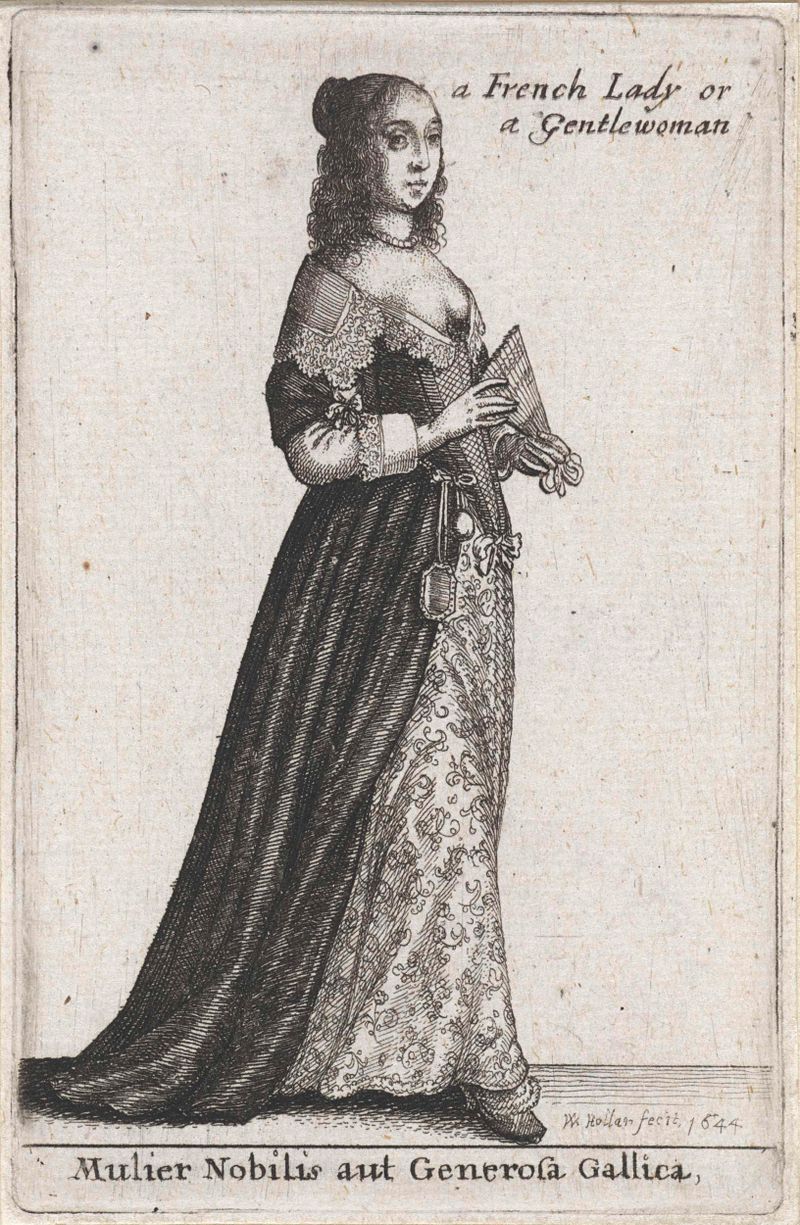
Mulier Nobilis aut Generosa Gallica / a French Lady or Gentlewoman
Wenceslaus Hollar
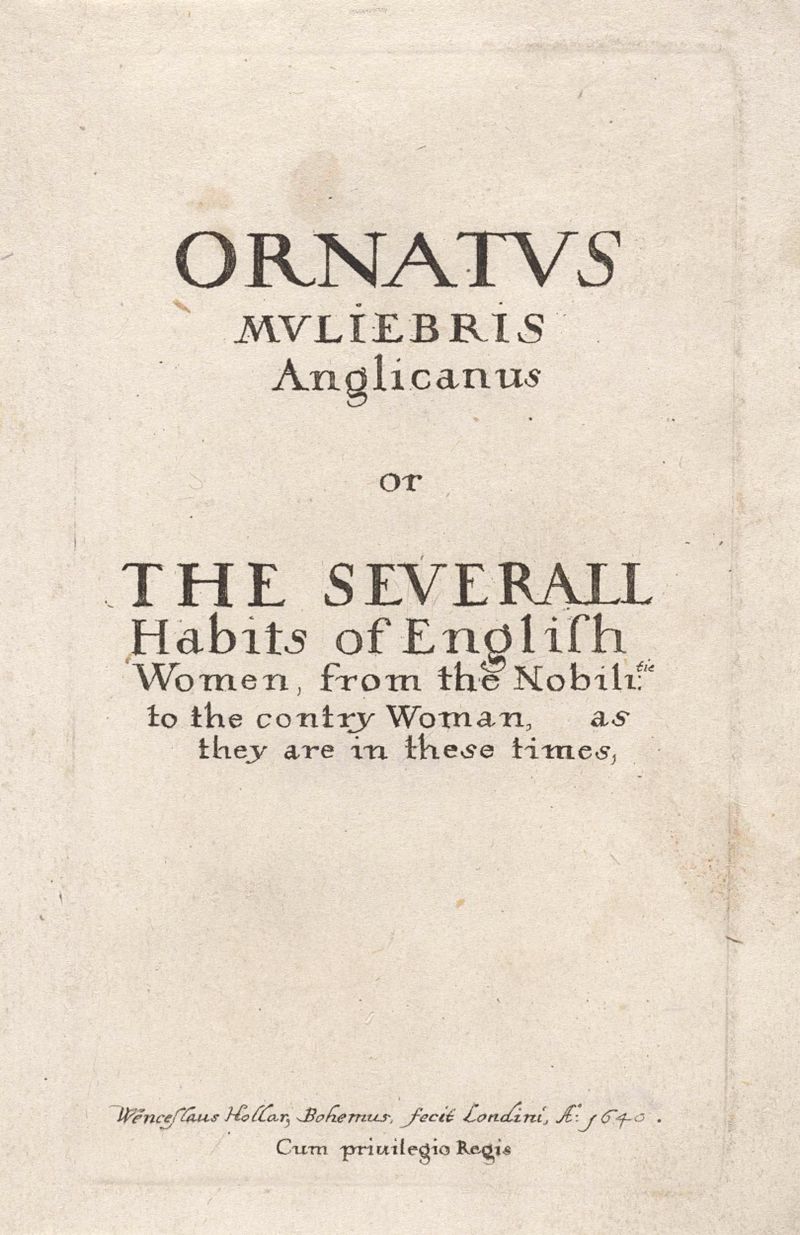
Titelprent voor: Ornatus Muliebris Anglicanus
Wenceslaus Hollar
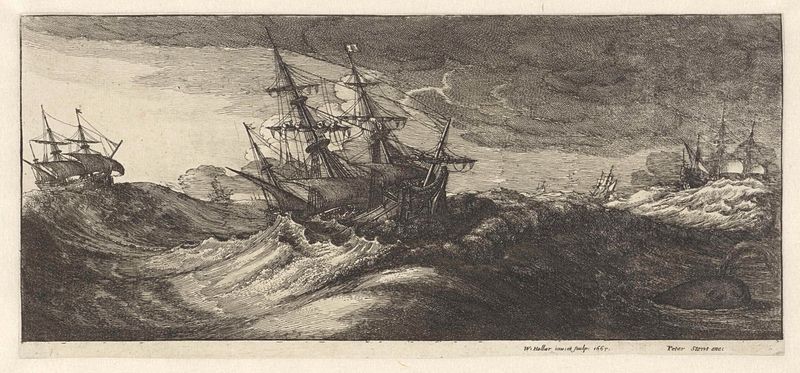
Oorlogsschepen en een walvis in een zeestorm
Wenceslaus Hollar
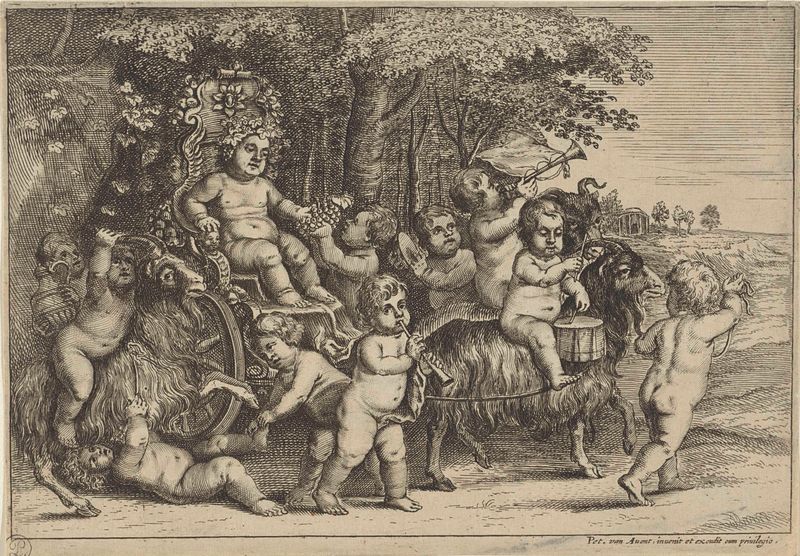
Optocht van bacchant en jongetjes op geiten
Wenceslaus Hollar
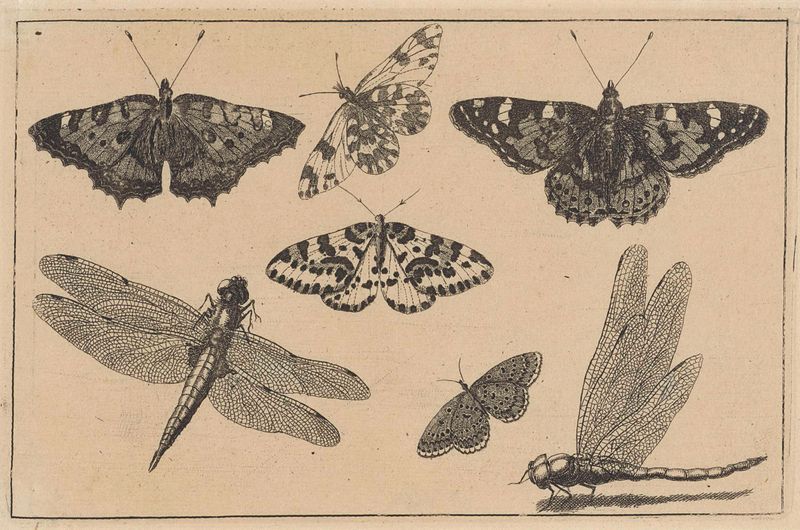
Twee libellen en vijf vlinders
Wenceslaus Hollar
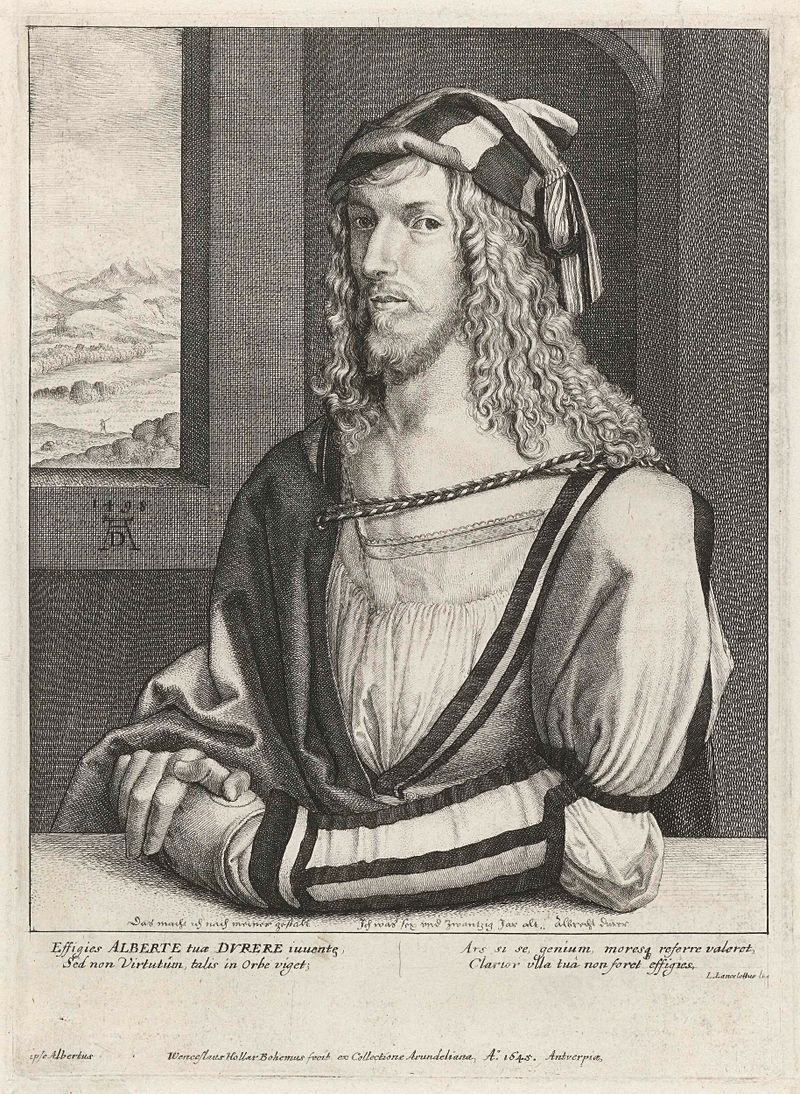
Portret van Albrecht Dürer
Wenceslaus Hollar
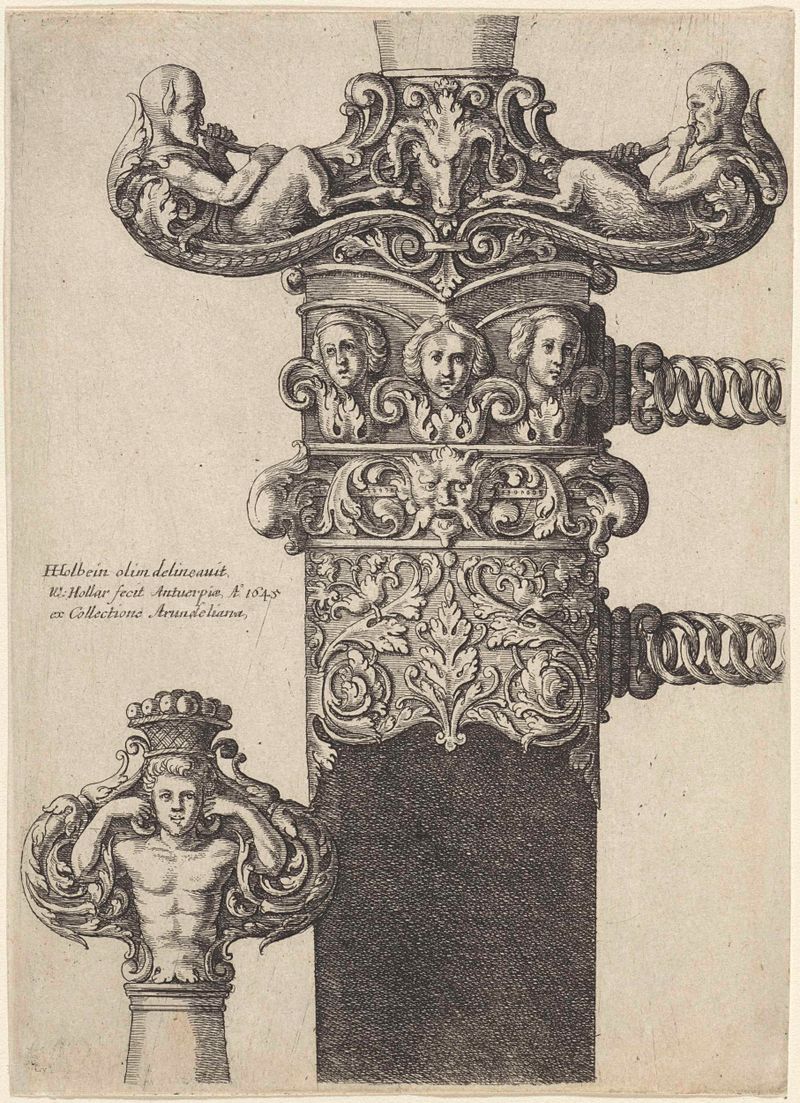
Ornamenteel ontwerp voor een dolk
Wenceslaus Hollar
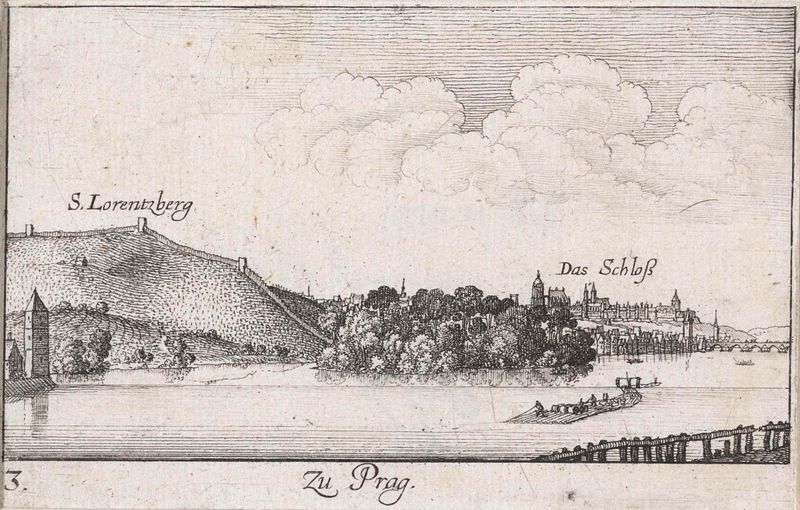
Gezicht op Praag vanaf de Moldau
Wenceslaus Hollar