
Naiads Filling the Horn of Achelous. Allegory on the peace of the 12 years Truce, — History & Facts
A hush of anticipation hangs in the air between three figures, their gazes locked in a silent conversation that seems to hover at the edge of myth and diplomacy. The central figure, crowned with laurel, draws the viewer in with her luminous skin and direct, almost questioning look, while her companions—one muscular, one softer—lean in close, hands busy with the bounty of fruits and vegetables that spill across their laps. The light falls dramatically from the left, sculpting bodies and faces out of shadow, and casting the harvest into sharp relief: grapes, squash, and artichoke, each rendered with a tactile realism that invites the eye to linger.
The laurel crowns and flowing drapery signal allegory, and the abundance at their feet hints at a moment of peace and plenty, rather than conflict or chaos. Works like this, painted in the early seventeenth century, were born in a world where allegory was a language of power and persuasion. In the age of Baroque, artists such as Abraham Janssens crafted scenes that spoke to the concerns of their patrons—often rulers or city councils eager to celebrate treaties, victories, or the promise of prosperity. This painting, created in 1610, stands as a testament to that tradition, though history has kept few traces of its specific journey or commission.
Today, it survives in a private collection, catalogued in 2016, its meaning still unfolding for each new viewer who pauses to study the play of hands, fruit, and glances. The story it tells is one of hope and negotiation—a reminder to look again at what peace can bring.
More Artworks by Abraham Janssens

Jupiter Rebuked by Venus
Abraham Janssens
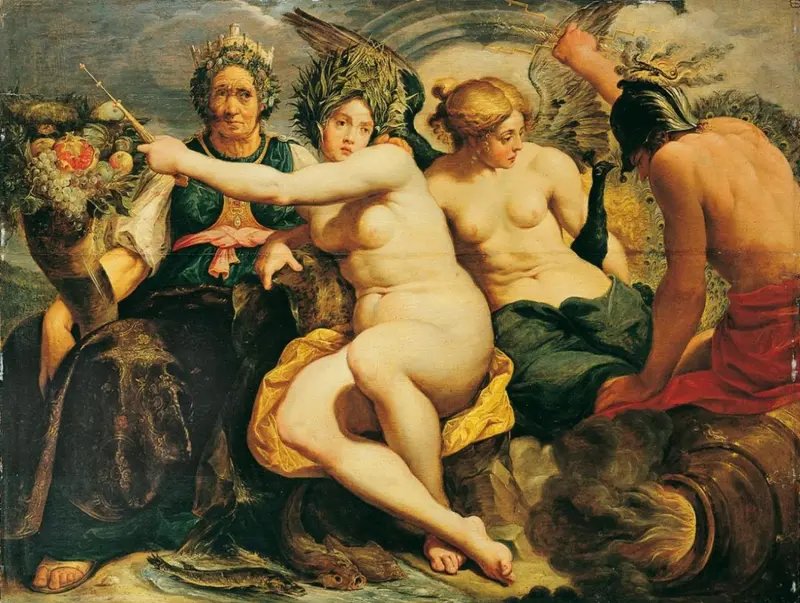
Allegorie der vier Elemente
Abraham Janssens
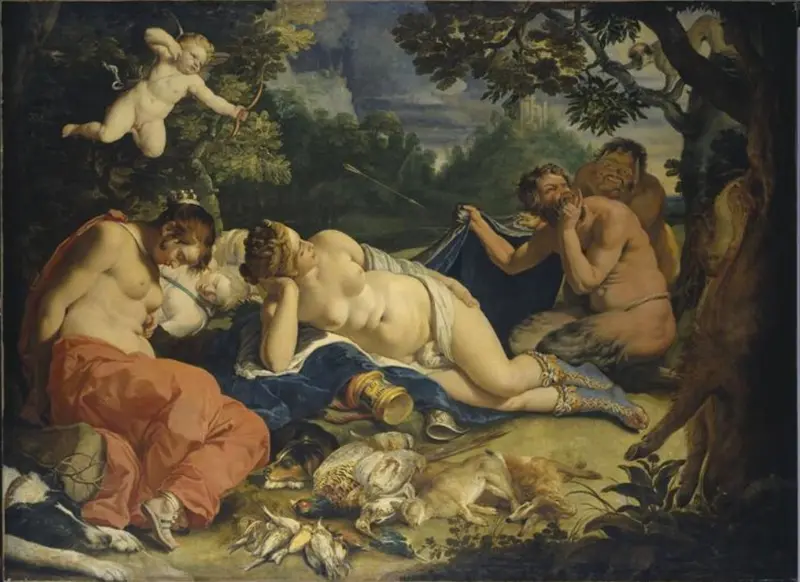
Diana and her nymphs spied on by satyrs
Abraham Janssens

Die Erweckung des Lazarus 153 Bavarian State Painting Collections
Abraham Janssens
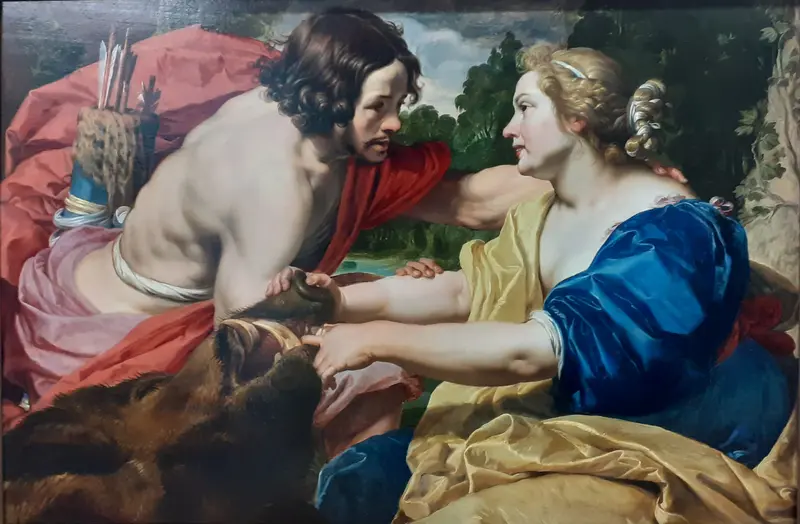
Meleager presents the head of the Calydonian Boar to Atalanta
Abraham Janssens
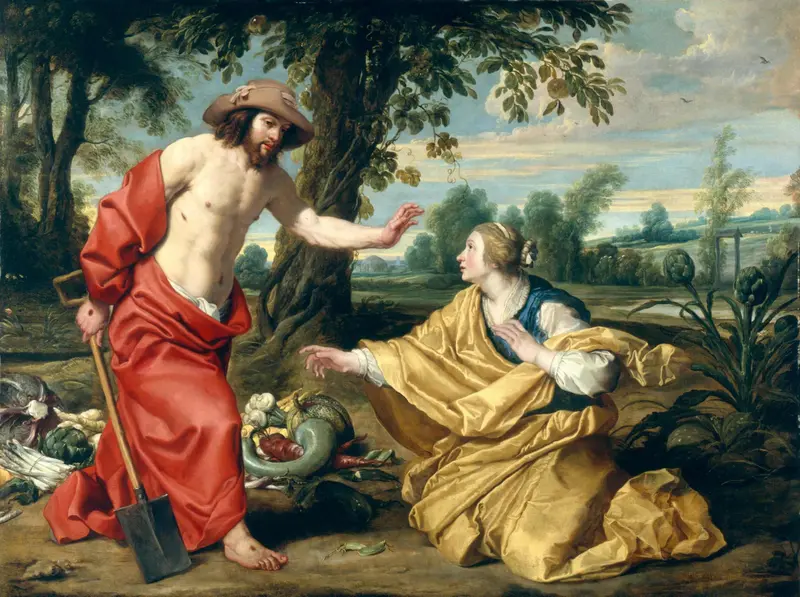
Noli me Tangere
Abraham Janssens
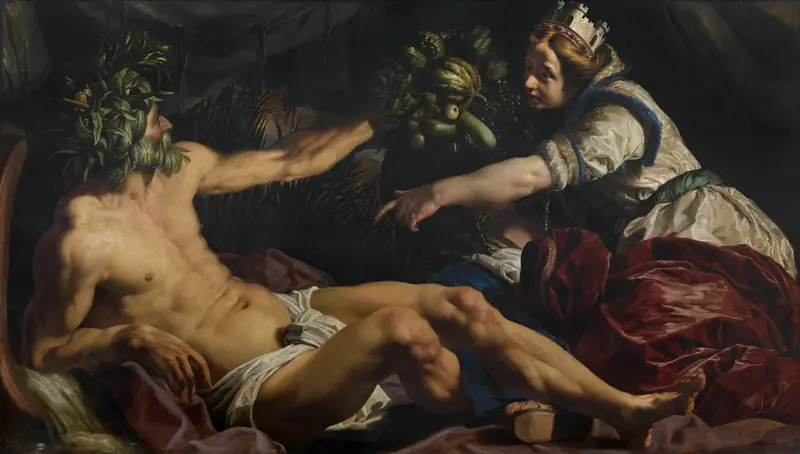
Scaldis and Antverpia
Abraham Janssens
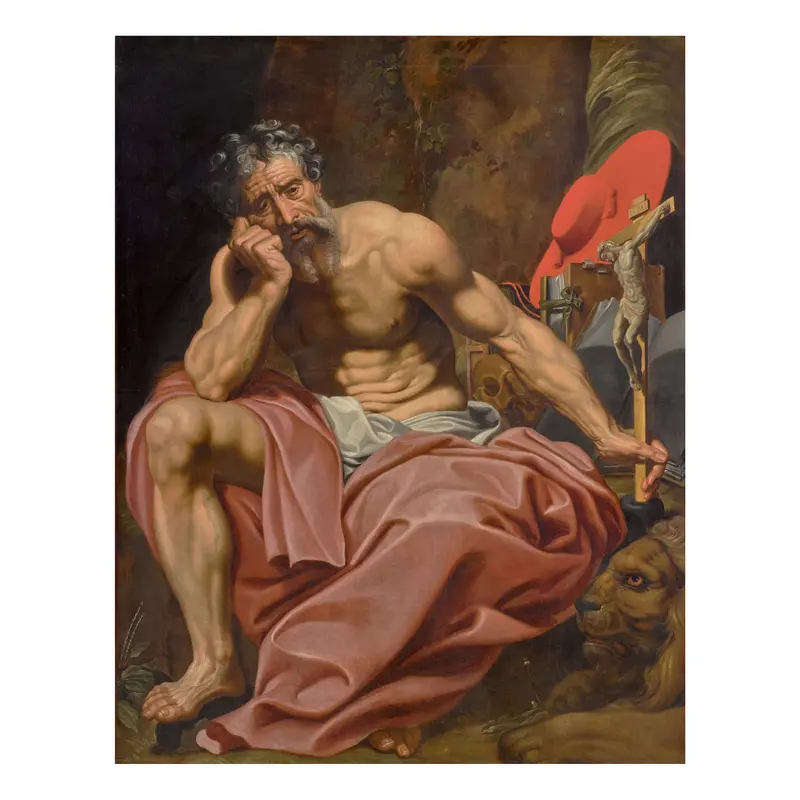
Saint Jerome
Abraham Janssens
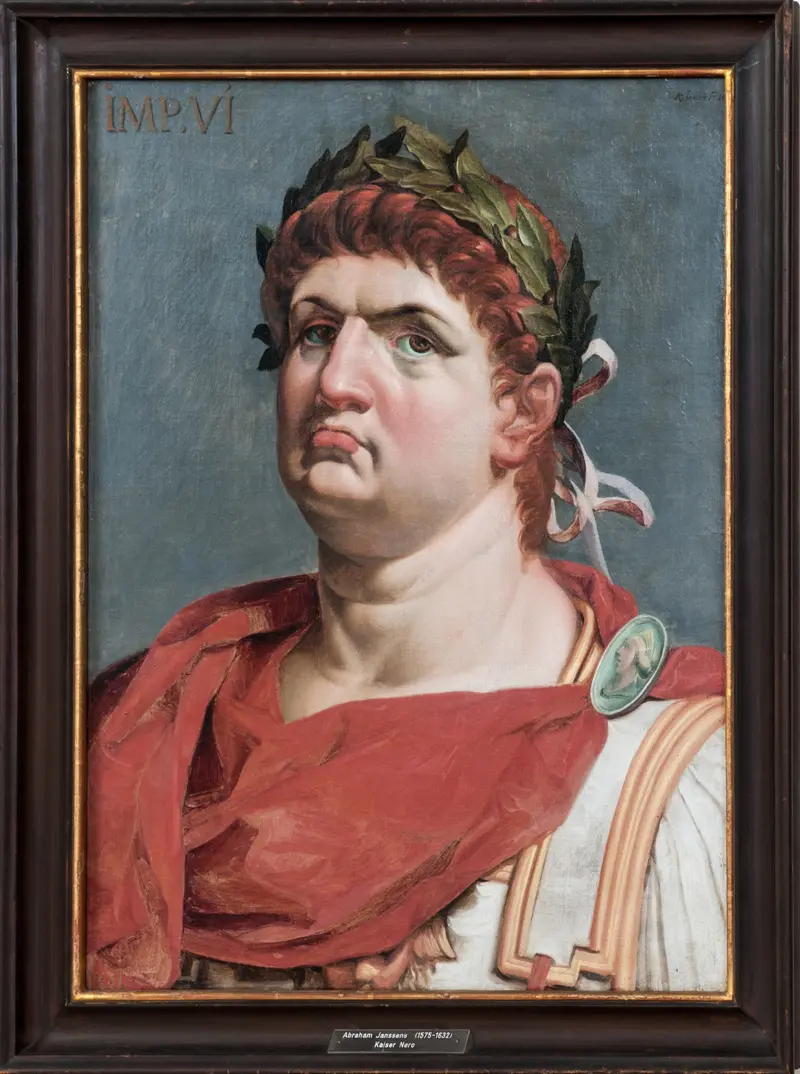
Nero
Abraham Janssens
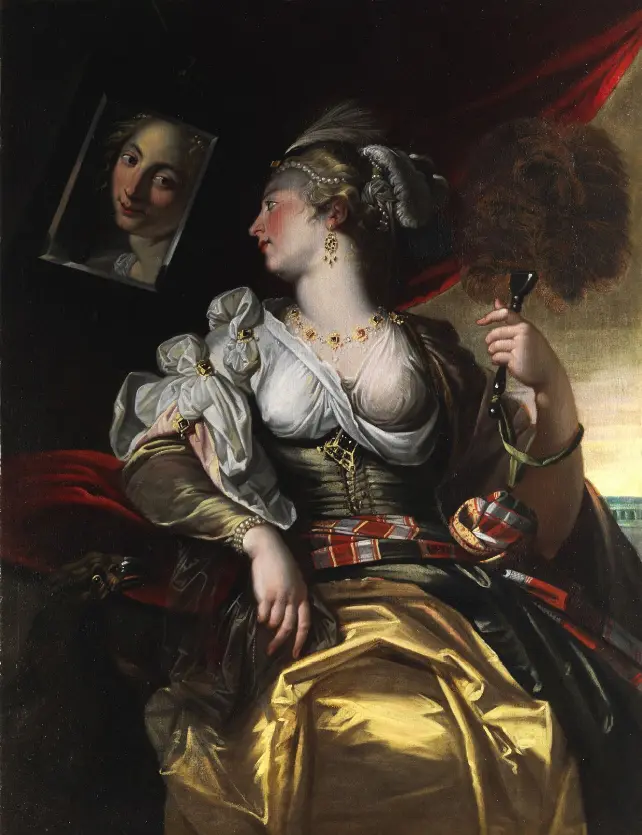
The Face
Abraham Janssens





