
Näköala Havnegadelta — History & Facts
A hush settles over the water, broken only by the gentle ripple of reflections—Näköala Havnegadelta by Albert Gottschalk draws the viewer into a harbor’s quiet pause. The eye is led first by the broad sweep of water, its surface rendered in loose, confident strokes that catch both the movement and the chill of northern light. A solitary wooden marker rises from the foreground, anchoring the composition and signaling the boundary between viewer and city.
The buildings beyond—industrial sheds, peaked roofs, and distant facades—emerge through a haze of pale color, their forms softened as if seen through morning mist. This is not a bustling port, but a moment of stillness, where the city seems to hold its breath at the edge of the sea. Works like this, painted in the late nineteenth or early twentieth century, reflect a shifting fascination with the everyday and the unadorned. Artists in Scandinavia and across Europe turned their gaze from grand historical scenes to the modest poetry of urban life and working harbors, often painting en plein air to seize the fleeting effects of weather and light.
Albert Gottschalk, though less widely chronicled than some contemporaries, belonged to this world of quiet observation. The painting now resides in the Finnish National Gallery’s collection (http://kokoelmat.fng.fi/app?si=A+IV+2865), a reminder of how history has kept few traces of the artist’s intent, but preserved the gentle clarity of his vision. Notice how the water’s muted greens and the sky’s pale wash invite you to linger, searching for stories in the spaces between brushstrokes.
More Artworks by Albert Gottschalk
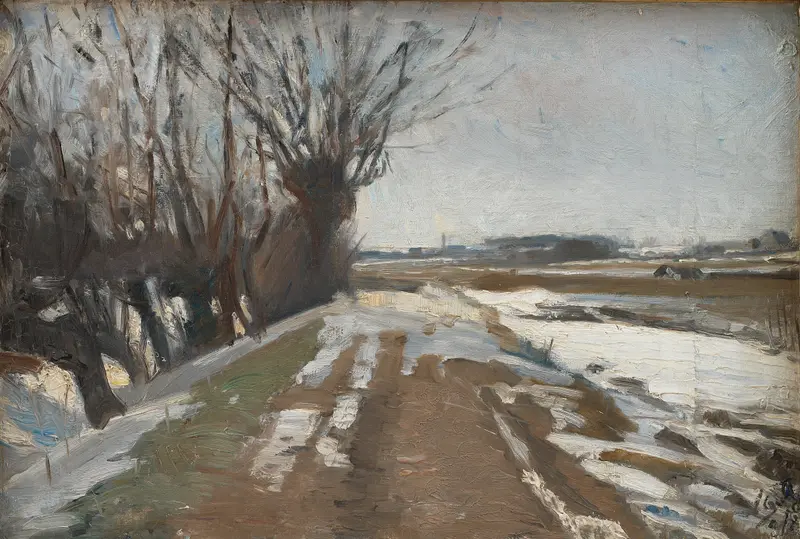
Winter Landscape. Utterslev near Copenhagen
Albert Gottschalk
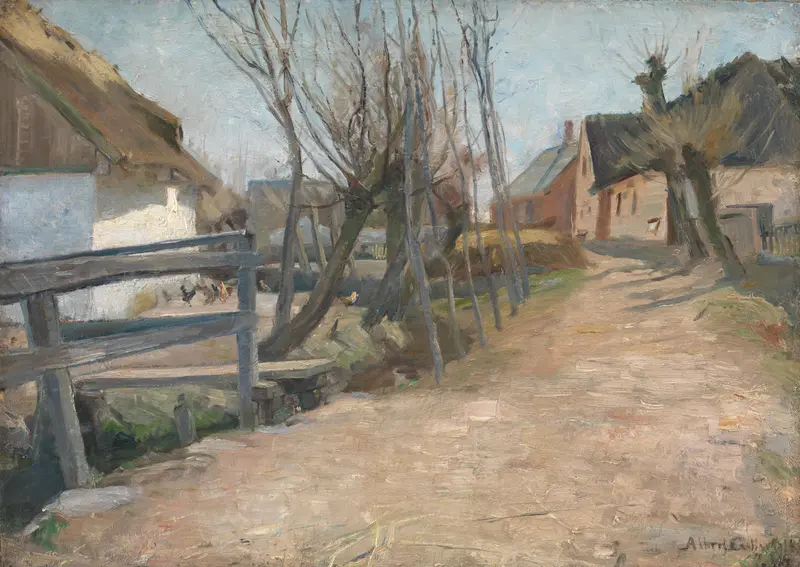
Tidlig forårsdag i Glostrup
Albert Gottschalk
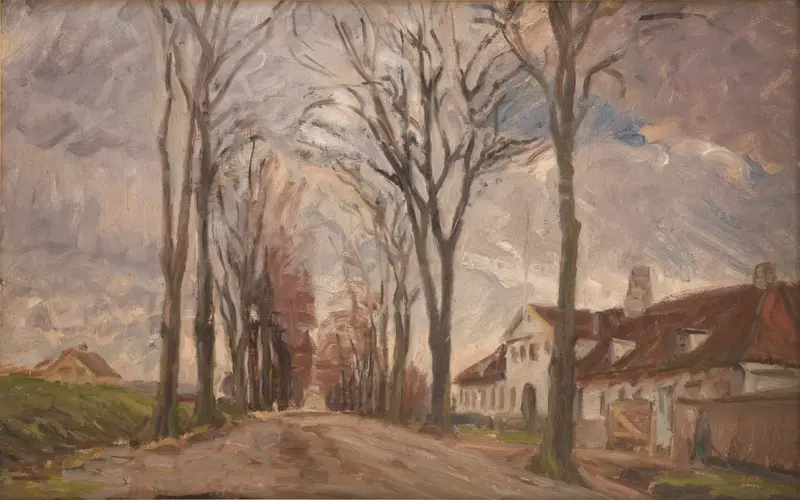
Lyngbyvejen ved Vintappergården
Albert Gottschalk
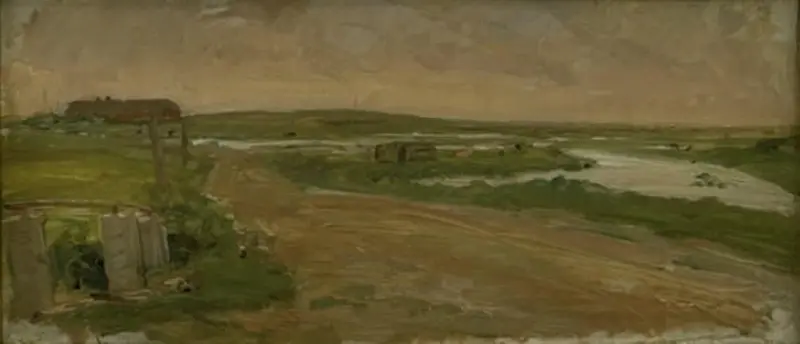
Vestjysk landskab. Holmsland
Albert Gottschalk
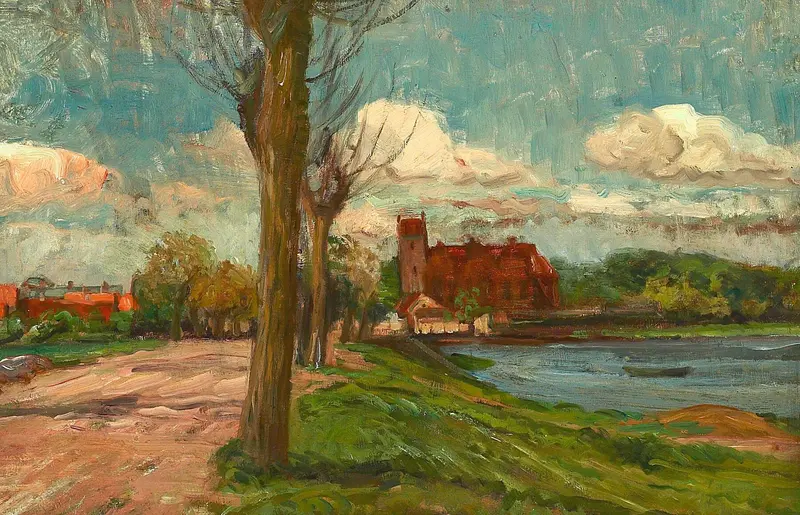
A road leading to a small town with a church.
Albert Gottschalk
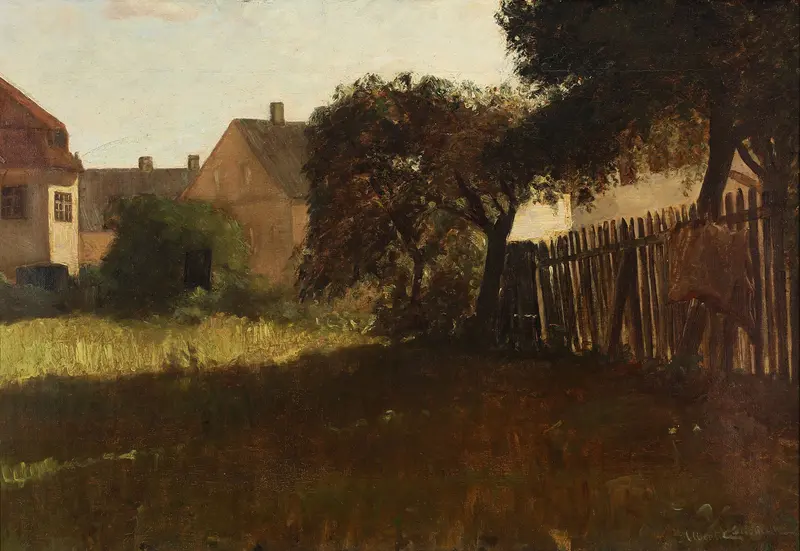
A summer day in a Garden in Vesterbro, Copenhagen
Albert Gottschalk
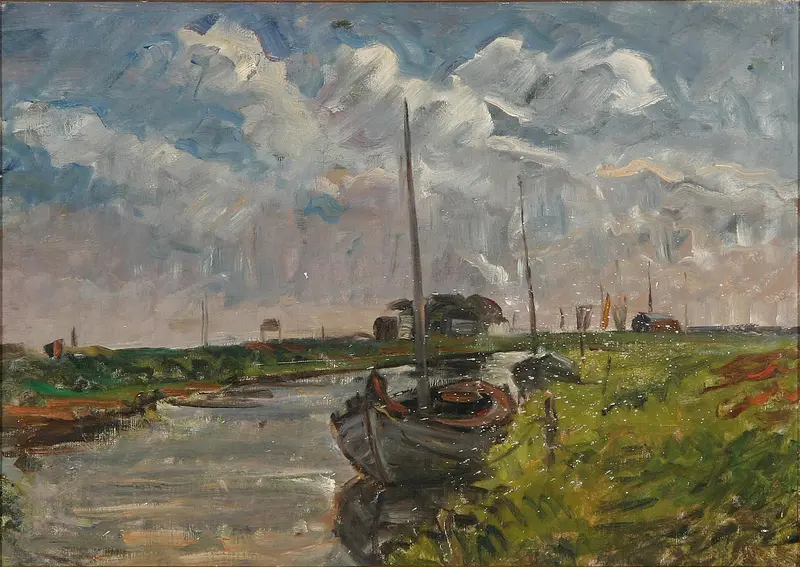
A canal with a boat.
Albert Gottschalk
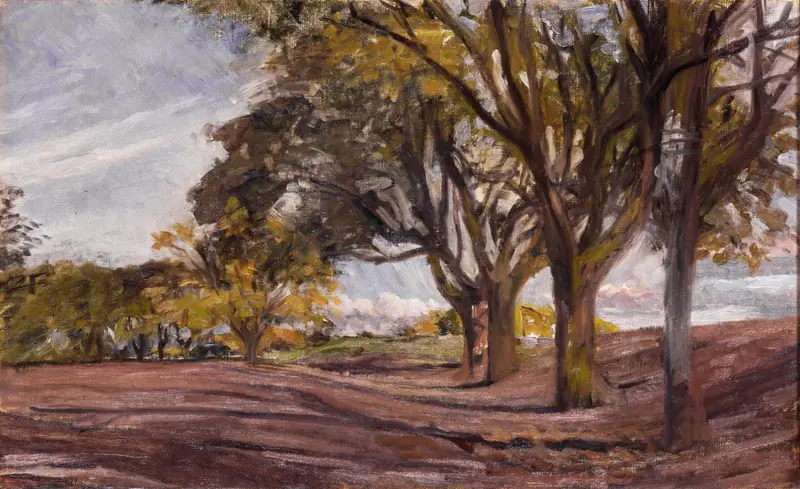
Chestnut Avenue at the Hermitage.
Albert Gottschalk
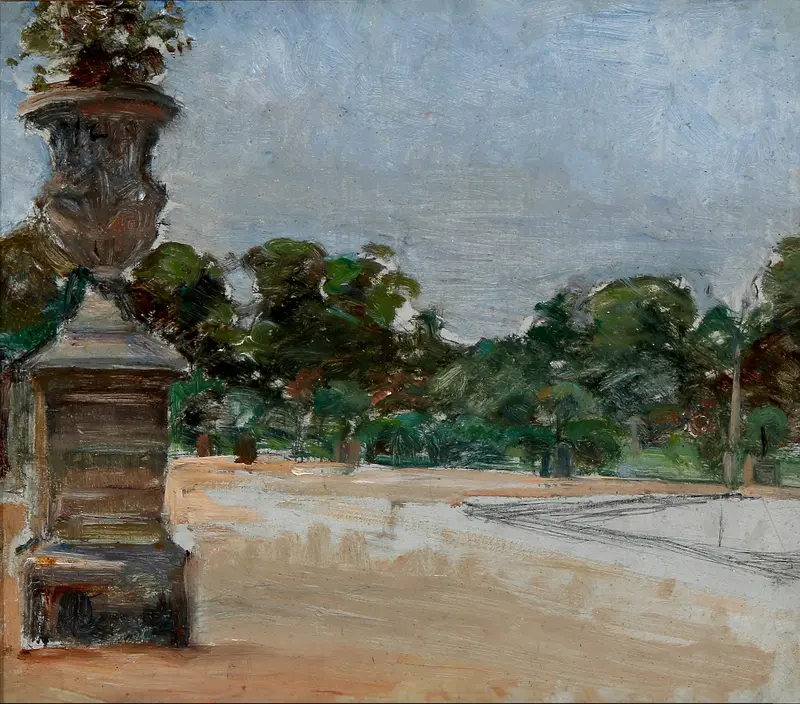
From the Tuileries Garden in Paris
Albert Gottschalk
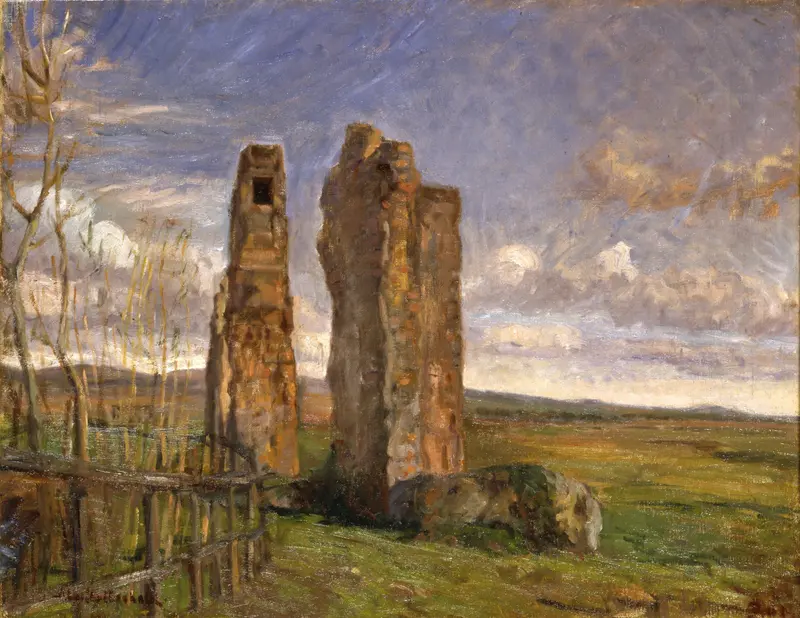
Ruins in Campagna
Albert Gottschalk





