
Nativity of St. John the Baptist — History & Facts
In 1635, the city of Florence was preparing to welcome the Grand Duke’s firstborn son, and the wealthy lay confraternity of San Giovanni Battista commissioned Artemisia Gentileschi to paint a scene celebrating the birth of the city’s patron saint. It was an unusual honor for a female artist, especially in the male-dominated world of Baroque Florence. The commission placed Gentileschi at the center of Medici festivities, and her work would be displayed in the grand hall of the Palazzo della Gherardesca, where the city’s elite gathered.
No other version of Nativity of St. John the Baptist by her hand is known, making this a singular testament to her Florentine years. The painting captures the bustling aftermath of Elizabeth’s miraculous delivery, as recounted in the Gospel of Luke. At the center, the newborn John lies swaddled, attended by midwives and watched over by his elderly mother, Elizabeth, who reclines in bed with a gesture of exhaustion and relief.
The scene is alive with domestic detail: a servant pours water for the infant’s first bath, while another prepares linens, their faces illuminated by a shaft of light that falls dramatically across the room. Unlike Caravaggio’s stark, tense Birth of St. John the Baptist, Gentileschi infuses her composition with warmth and solidarity among women, emphasizing the communal care that surrounds both mother and child.
The golden glow and attentive gestures transform a biblical miracle into a scene of everyday tenderness. While some details of the painting’s journey remain uncertain, it is clear that Nativity of St. John the Baptist marked a high point in Gentileschi’s Florentine period, when she was enjoying the patronage of the Medici court. Over the centuries, the work was moved from its original location, and its attribution was occasionally debated, though modern scholarship affirms her authorship.
Today, the painting is held in the Museo del Prado, where it stands as a rare example of large-scale religious narrative by a woman artist of the Baroque. Its survival and recognition reflect both the shifting fortunes of its creator and the enduring power of her vision.
More Artworks by Artemisia Gentileschi

Judith Beheading Holofernes
Artemisia Gentileschi
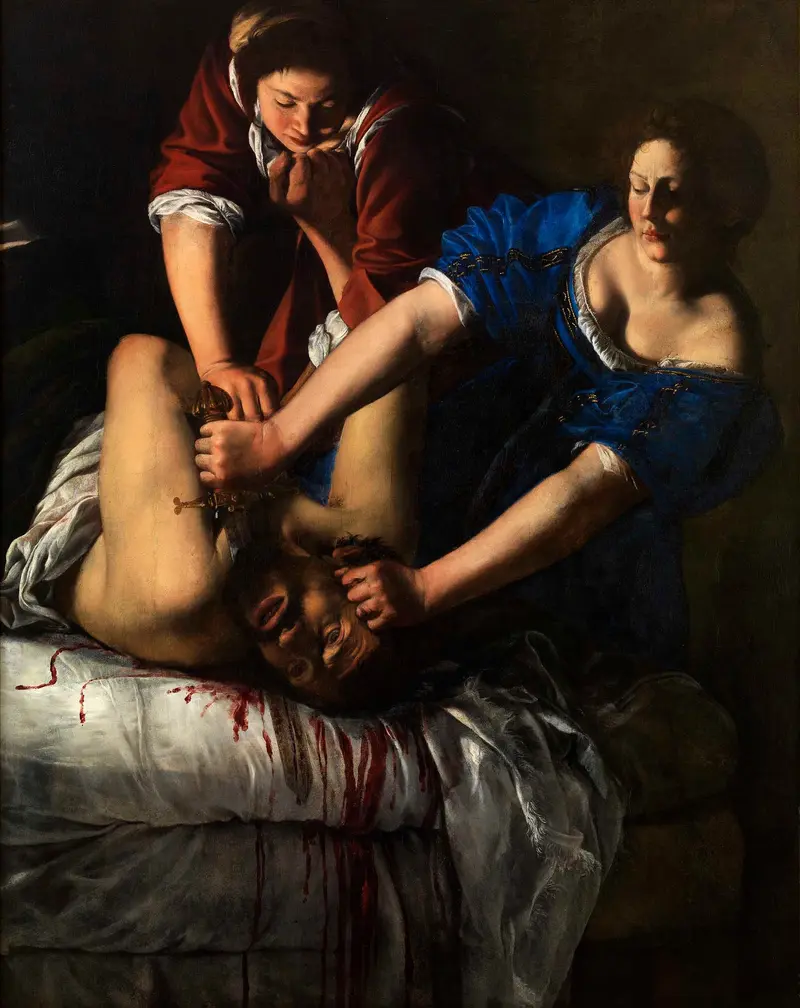
Judith Slaying Holofernes
Artemisia Gentileschi
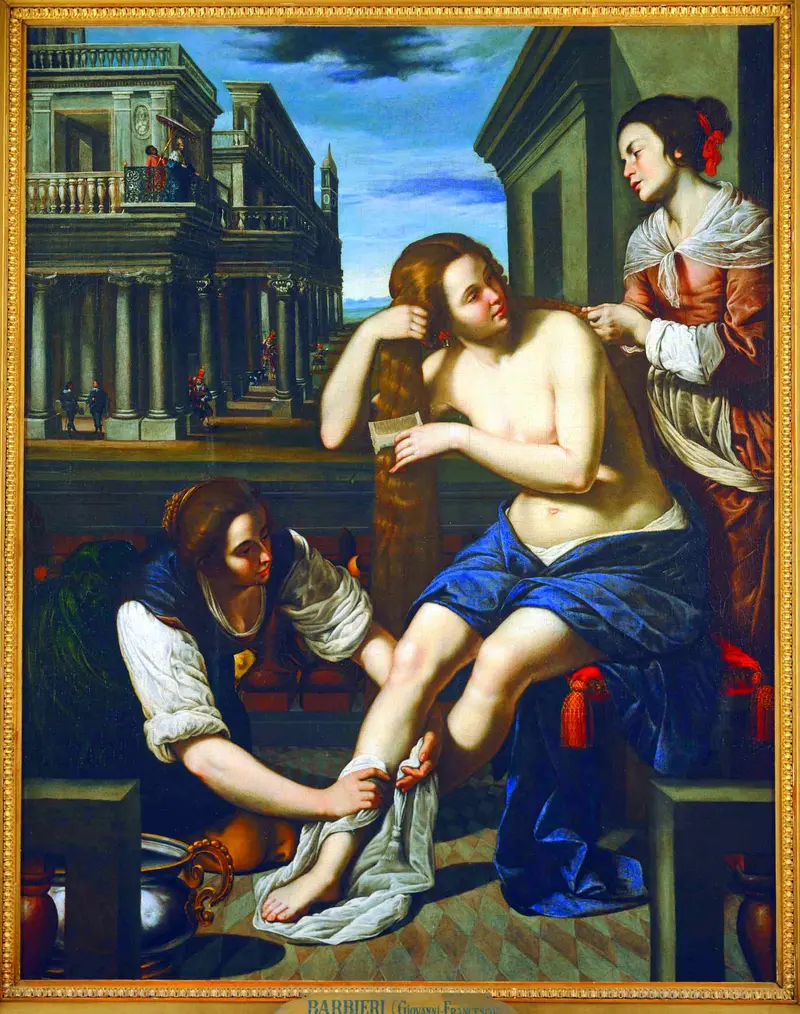
Bathsheba at Her Bath
Artemisia Gentileschi
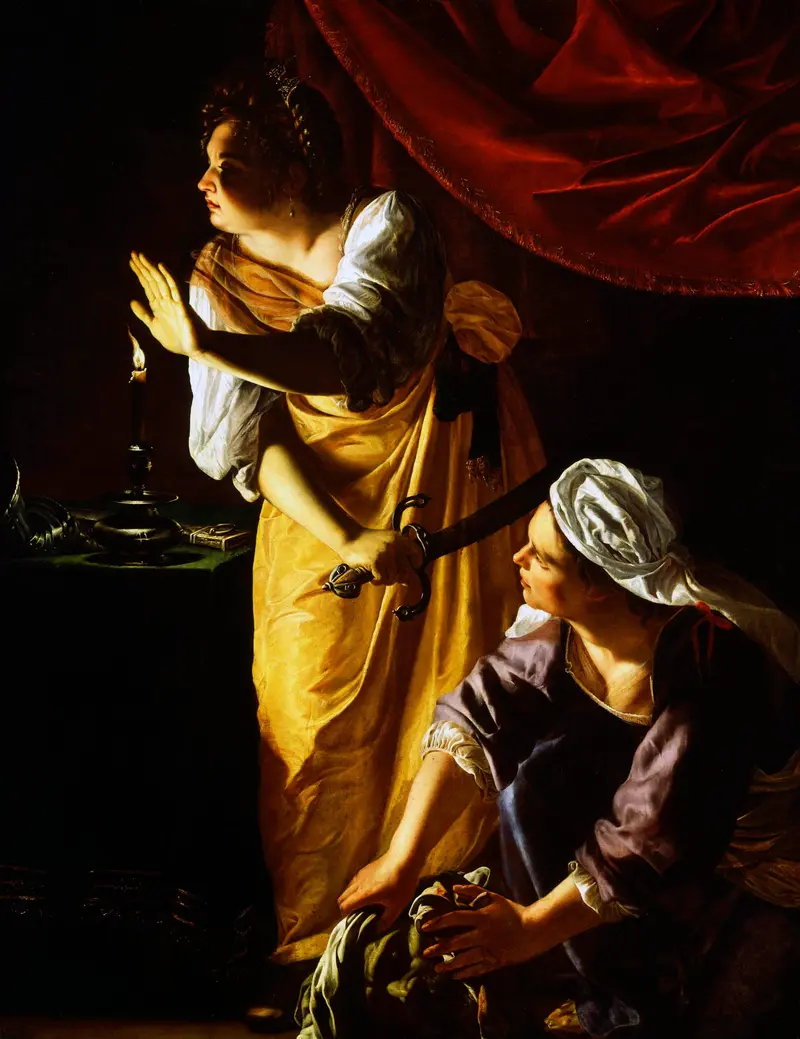
Judith and Maidservant with Head of Holofernes
Artemisia Gentileschi
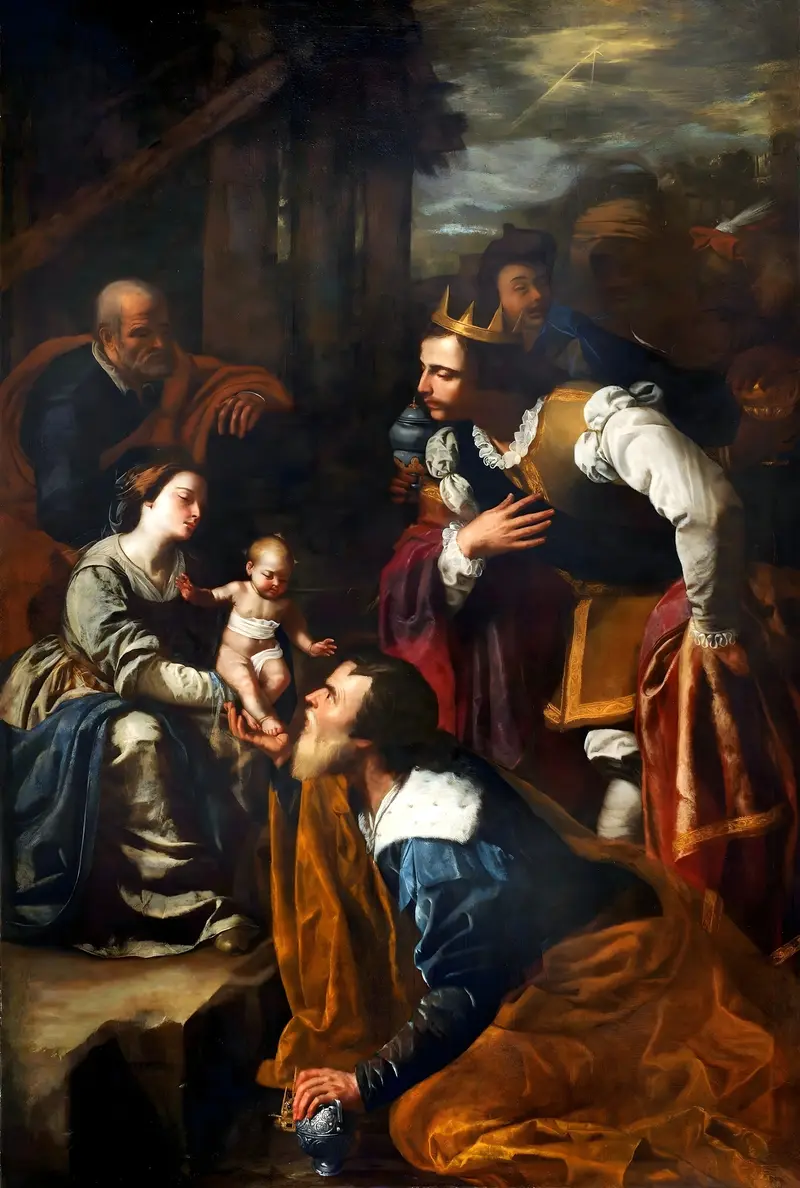
Adoration of the Magi
Artemisia Gentileschi
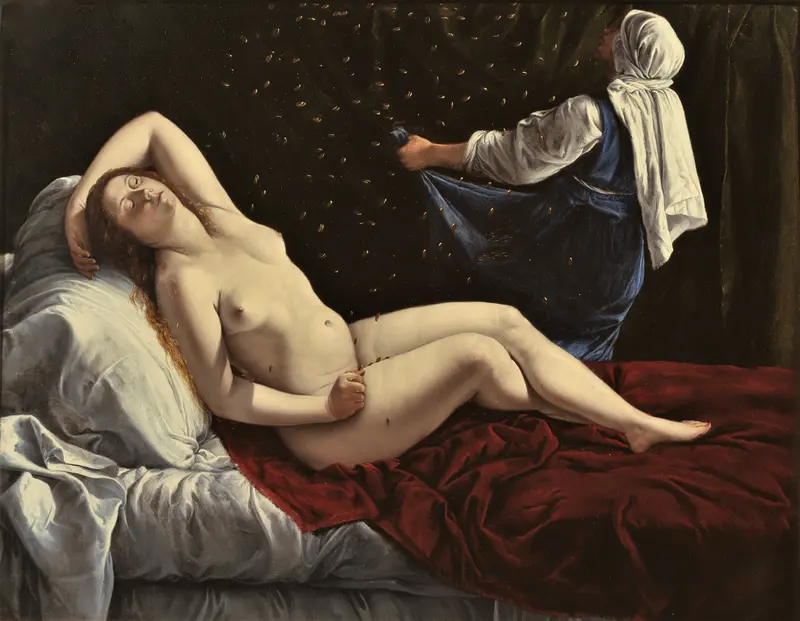
Danaë
Artemisia Gentileschi
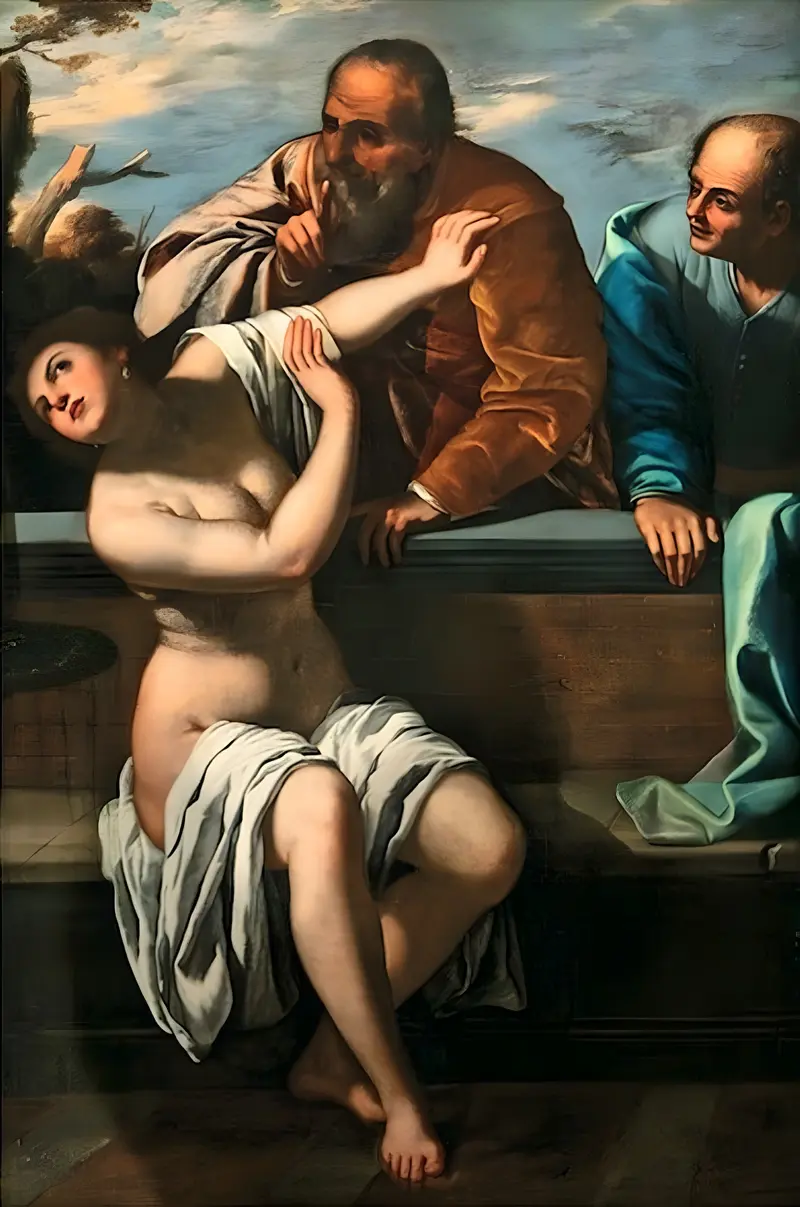
Susannah and the Elders
Artemisia Gentileschi

Judith and her Servant with the Head of Holofernes
Artemisia Gentileschi
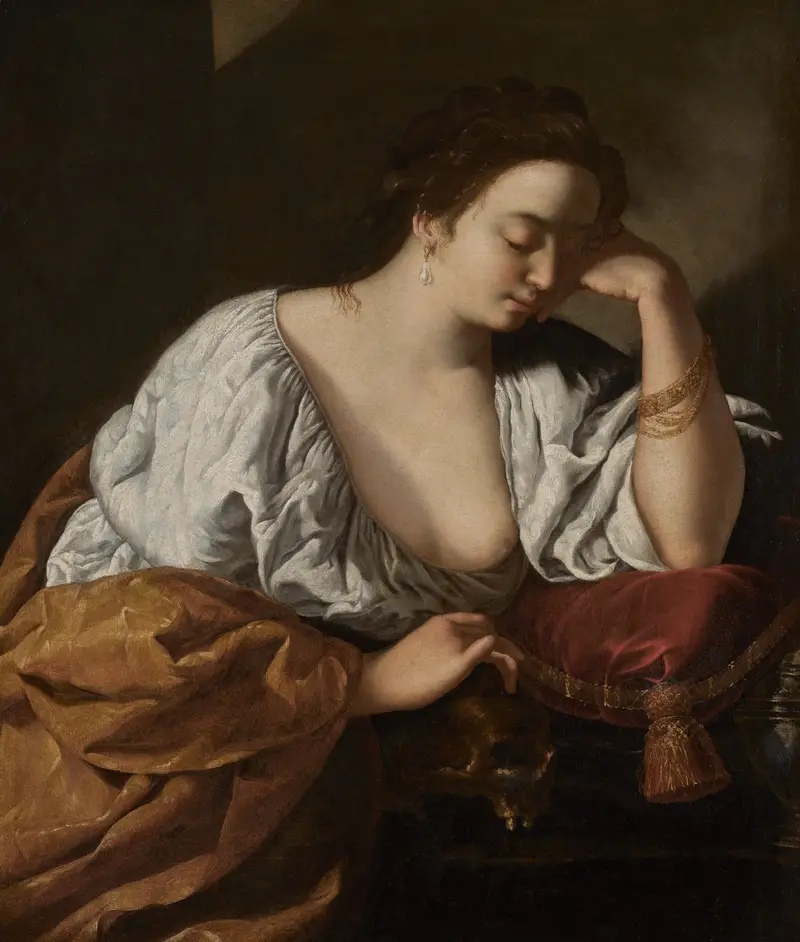
Madeleine pénitente, par
Artemisia Gentileschi

Portrait of a Gonfaloniere
Artemisia Gentileschi





