
New Zealand coastal scene — History & Facts
Could beauty survive in a century of chaos? In this moment, captured by John Gully, we find ourselves at the edge of a sublime coastal landscape, where nature whispers the fragility of life through its serene yet wild beauty. Look to the horizon, where the turquoise waves meet the golden sands, each brushstroke revealing the gentle caress of the ocean. Notice how the light dances on the water, illuminating patches of white foam that punctuate the deep blue. The sky, a tapestry of soft pastels, reflects the tranquility of the scene, while the rugged cliffs stand resolutely, a reminder of nature's enduring presence amidst transience. Yet beneath this surface calm lies a tension reminiscent of mortality.
The juxtaposition of the ephemeral waves against the steadfast cliffs hints at the relentless passage of time. Gully's careful attention to detail, from the delicate sea grasses to the distant hills, evokes a bittersweet sense of beauty that is both captivating and fleeting. The vibrant colors sing of life, yet there lingers an undercurrent of loss, as if each wave carries away a piece of its splendor. In 1886, Gully painted this scene during a period of significant change in New Zealand.
The country was grappling with the impacts of colonial expansion, and artists were beginning to explore their unique identities. This work reflects Gully's intimate connection with the coastal landscape, often seen as a canvas for both personal exploration and broader national sentiment. As he captured this moment, he immortalized not just the beauty of the scene, but also the complexity of existence within it.
More Artworks by John Gully
Browse all →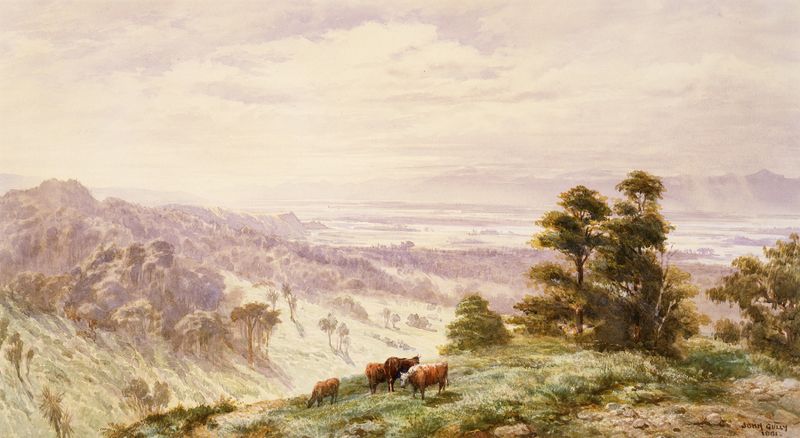
Landscape [Waimea Plains, Nelson]
John Gully
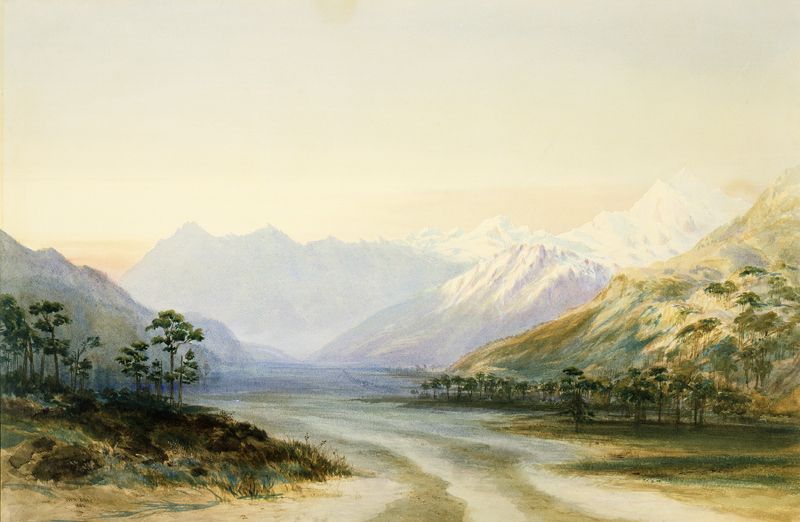
Mount Cook
John Gully
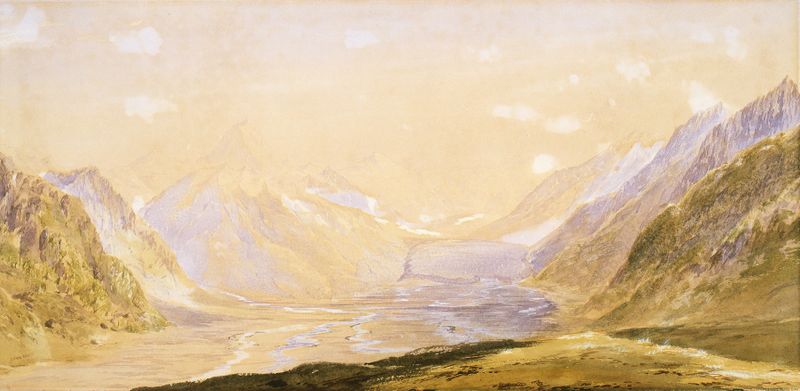
Mount Cook and the Tasman Glacier
John Gully
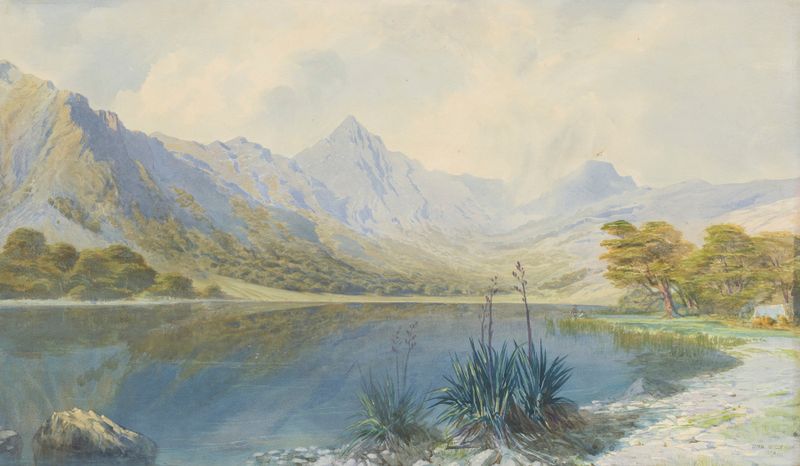
Lake scene (Lake Te Wharau)
John Gully
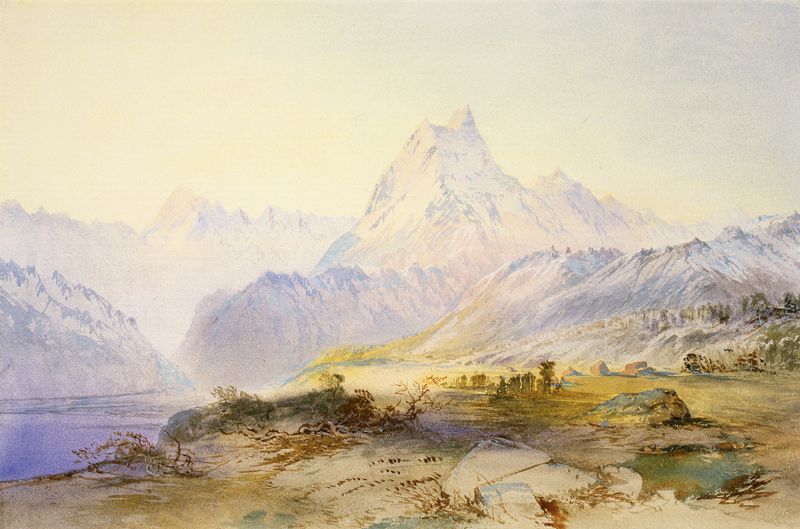
Mount Cook
John Gully

Tongariro, Ngauruhoe and Ruapehu, Central North Island
John Gully

Lake Wakatipu
John Gully

New Zealand bush scene
John Gully
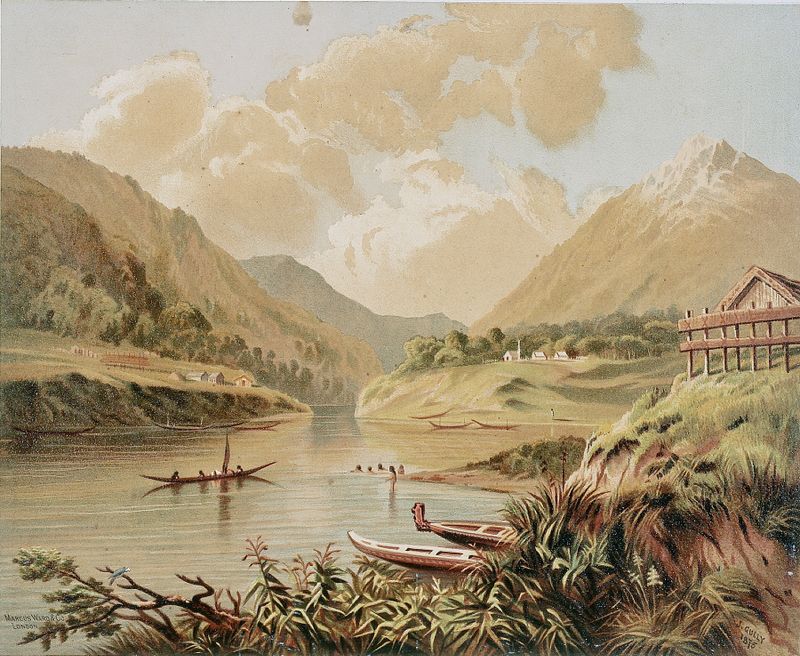
Upriver scene, Wanganui
John Gully

Paekakariki
John Gully





