
Nicolaus Copernicus. Sketch to the Painting "Astronomer Copernicus, or Conversation with God" — History & Facts
In 1871, Jan Matejko created a preparatory sketch for what would become one of his most celebrated historical paintings: Astronomer Copernicus, or Conversation with God. This sketch captures the moment before Matejko embarked on the monumental canvas that would immortalize the Polish astronomer. The finished painting, now a national treasure, was commissioned to mark the 400th anniversary of Nicolaus Copernicus's birth—a project that stirred patriotic pride in Poland, then under partition.
The existence of this sketch offers a rare glimpse into Matejko’s creative process, revealing how he wrestled with the challenge of visualizing a scientific revelation as a moment of spiritual epiphany. The scene unfolds in the dim glow of Copernicus’s study, where the astronomer stands on a terrace, arms raised skyward, as if in dialogue with the cosmos itself. Books and astronomical instruments scatter the table, anchoring the viewer in the world of Renaissance science, while the night sky dominates the background, filled with swirling stars—a visual metaphor for the heliocentric model Copernicus dared to propose. Matejko chooses the instant when Copernicus, after years of calculation, feels the weight and wonder of his discovery: that the Earth moves around the sun.
Unlike earlier depictions, such as those by Thorvaldsen or Bacciarelli, which show Copernicus as a reserved scholar, Matejko’s version is charged with drama, casting the astronomer as a visionary seized by revelation. As a physical object, the sketch is a testament to Matejko’s working methods, likely executed in pencil or oil on paper or canvas—though the exact medium remains uncertain. It was not made for public display, but as a tool for the artist’s own preparation, and today it survives as a prized artifact for historians and art lovers alike. The finished painting, completed later in 1873, hangs in the Collegium Novum of the Jagiellonian University in Kraków, while the sketch is preserved in the collections of the Polish Academy of Arts and Sciences.
This work marks a pivotal moment in Matejko’s career, as he shifted from grand battle scenes to portraits of intellectual and spiritual achievement, cementing his role as Poland’s foremost painter of national history.
More Artworks by Jan Matejko
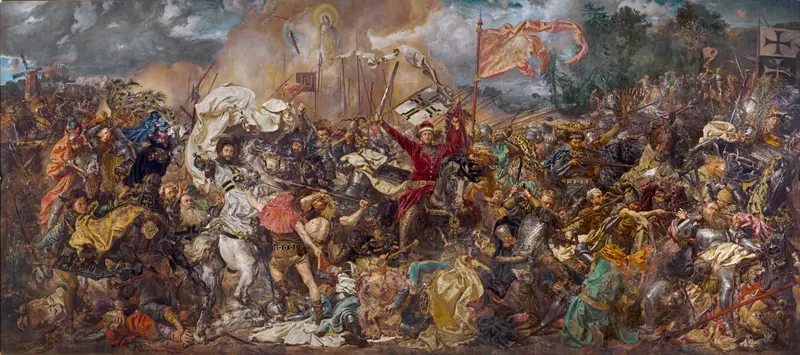
Battle of Grunwald
Jan Matejko

Stańczyk
Jan Matejko

Battle of Raclawice
Jan Matejko
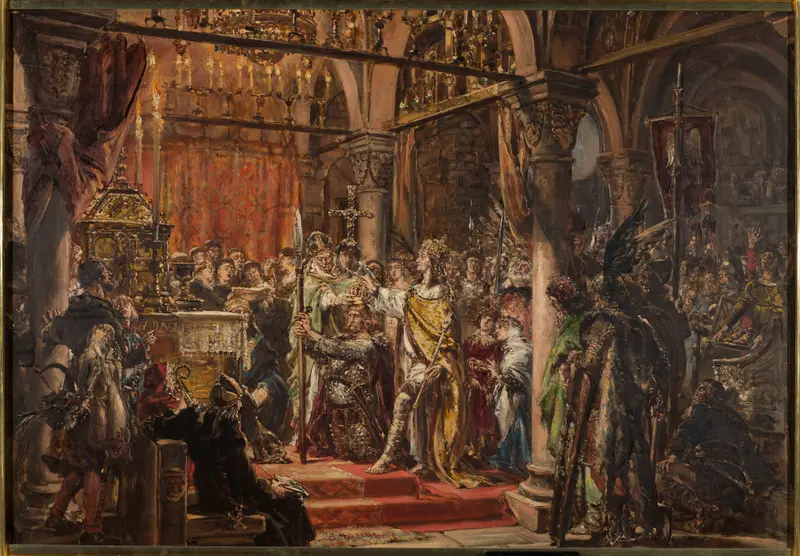
Coronation of the First King, 1001 AD, from the series “History of Civilization in Poland”
Jan Matejko
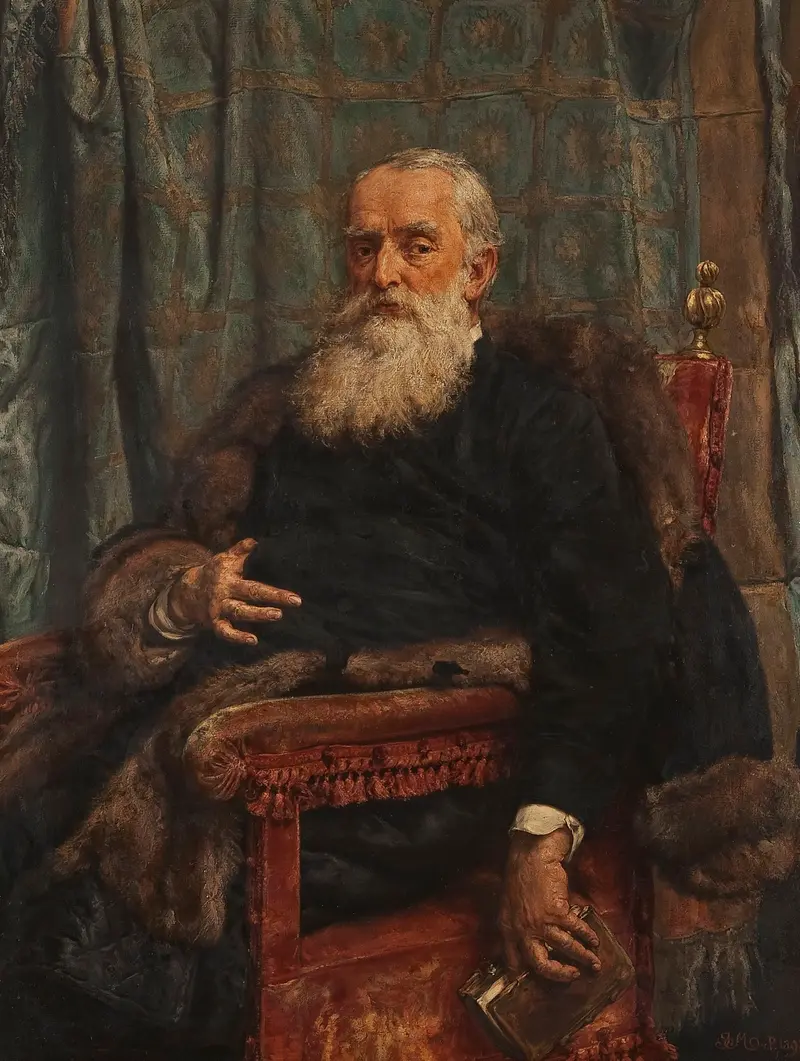
Portrait of Henryk Krajewski
Jan Matejko
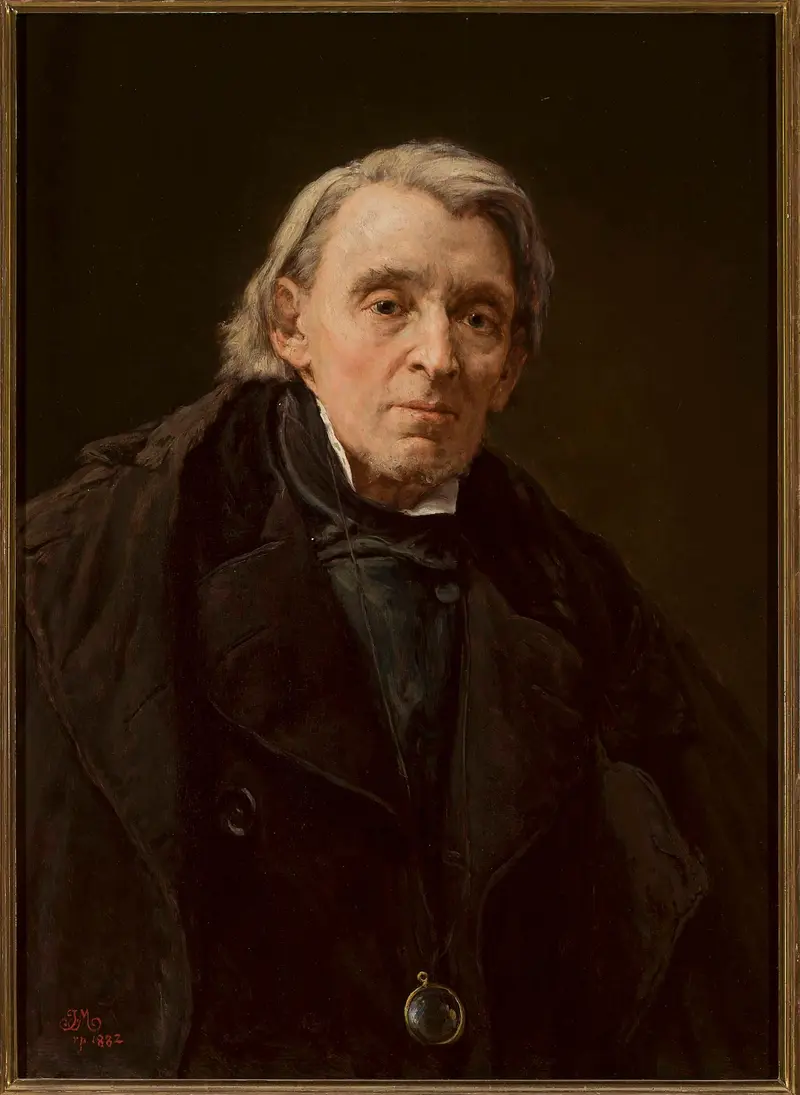
Portrait of Karol Podlewski
Jan Matejko
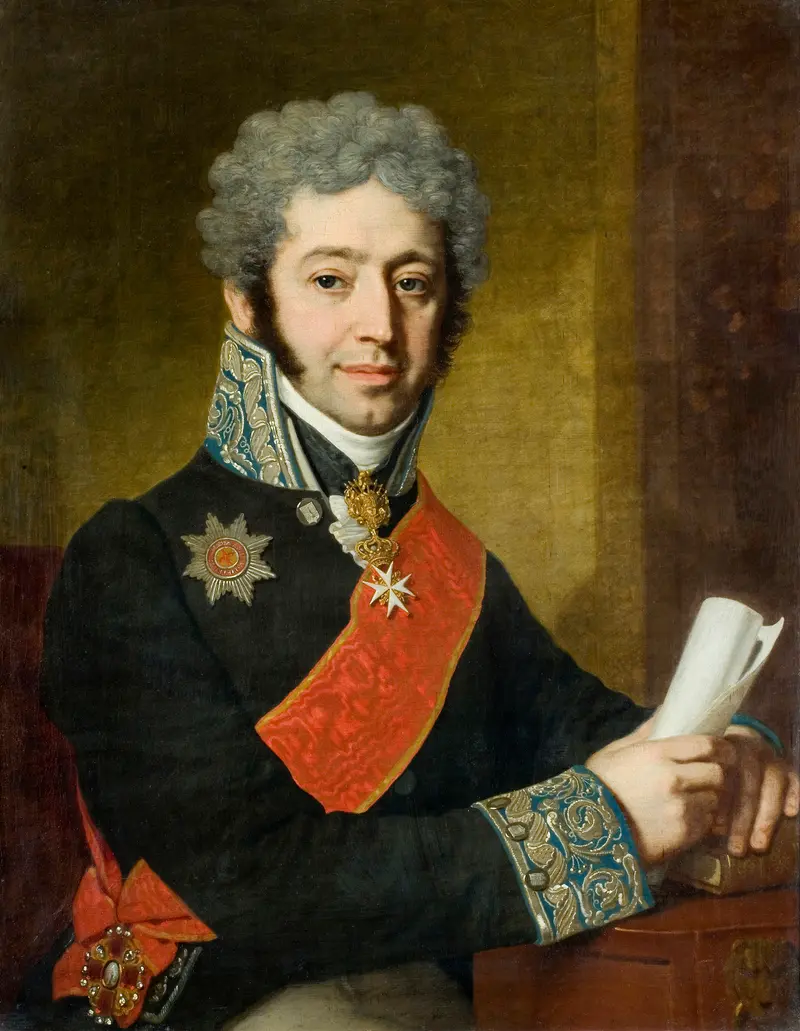
Portrait of Potocki and Poninski
Jan Matejko
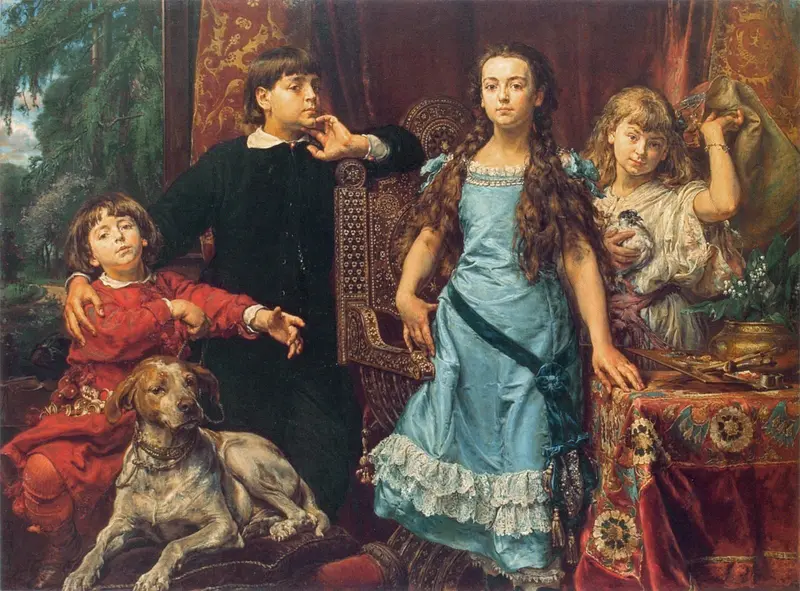
Portrait of the artist's four children
Jan Matejko
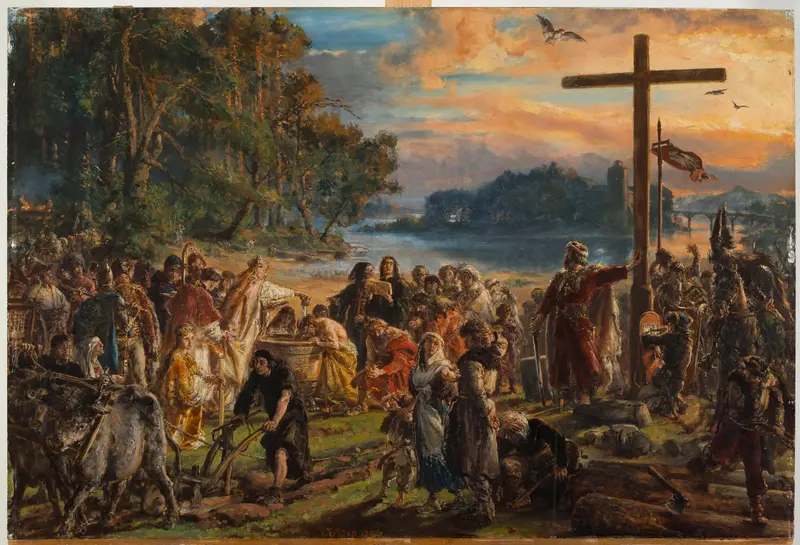
Introduction of Christianity in Poland
Jan Matejko
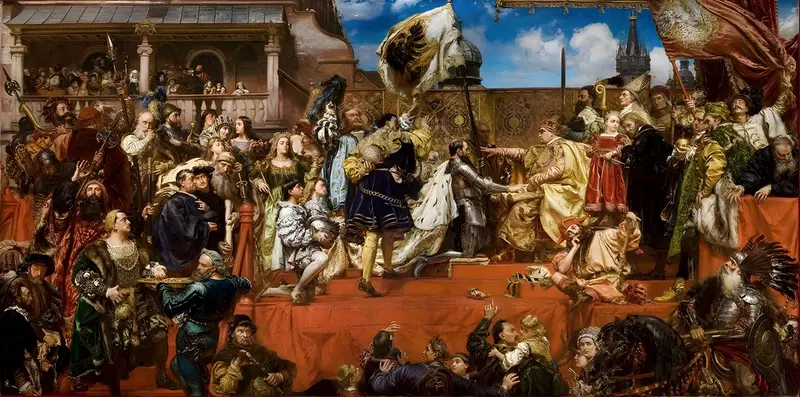
Prussian Homage
Jan Matejko




