
Nude on the sofa (Almaiisa) — History & Facts
When Nude on the sofa (Almaiisa) was first exhibited in 1917, police shut down the Paris gallery, scandalized by the frank sensuality of Amedeo Modigliani’s nudes. The painting belongs to the legendary series of reclining nudes that marked a bold departure from the conventions of the École de Paris. These works were considered so provocative that, according to contemporary accounts, crowds gathered in the street to glimpse them through the gallery window before authorities intervened.
The model, known as Almaiisa, remains something of a mystery—her name survives only in the title, and little else is known about her identity. The painting captures Almaiisa at rest, her elongated form stretched languidly across a deep red sofa. Unlike the classical odalisques of Ingres or the polished flesh of Titian, Modigliani’s nude meets the viewer’s gaze directly, her eyes dark and unflinching. The artist’s signature stylization is evident in the sinuous lines of her body, the simplified, mask-like face, and the rich, earthy palette.
The background is pared down to essentials, focusing all attention on the model’s presence and vulnerability. The pose, at once relaxed and alert, invites comparison with Manet’s Olympia, but Modigliani’s treatment is more intimate, less theatrical, emphasizing the individuality of the sitter. Modigliani painted this work during his most prolific period in Montparnasse, supported by his dealer Léopold Zborowski, who often provided models and materials. The exact provenance of Nude on the sofa (Almaiisa) is unclear, as many of Modigliani’s nudes passed through private hands before entering public collections.
Today, the painting stands as a testament to the artist’s brief but influential career, which ended with his death in 1920 at the age of 35. Its daring approach to the nude helped redefine modern portraiture, influencing generations of artists drawn to the expressive power of the human form.
More Artworks by Amedeo Modigliani
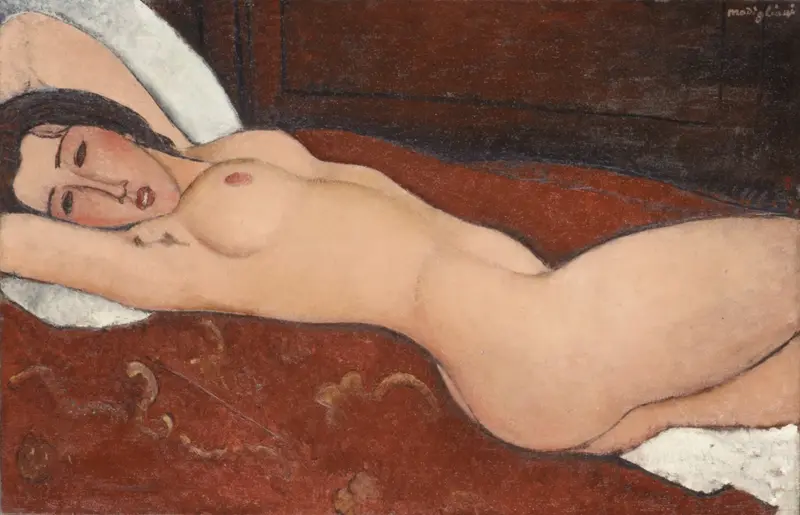
Reclining Nude
Amedeo Modigliani

Portrait Of Jeanne Hébuterne
Amedeo Modigliani

Jeanne Hébuterne
Amedeo Modigliani
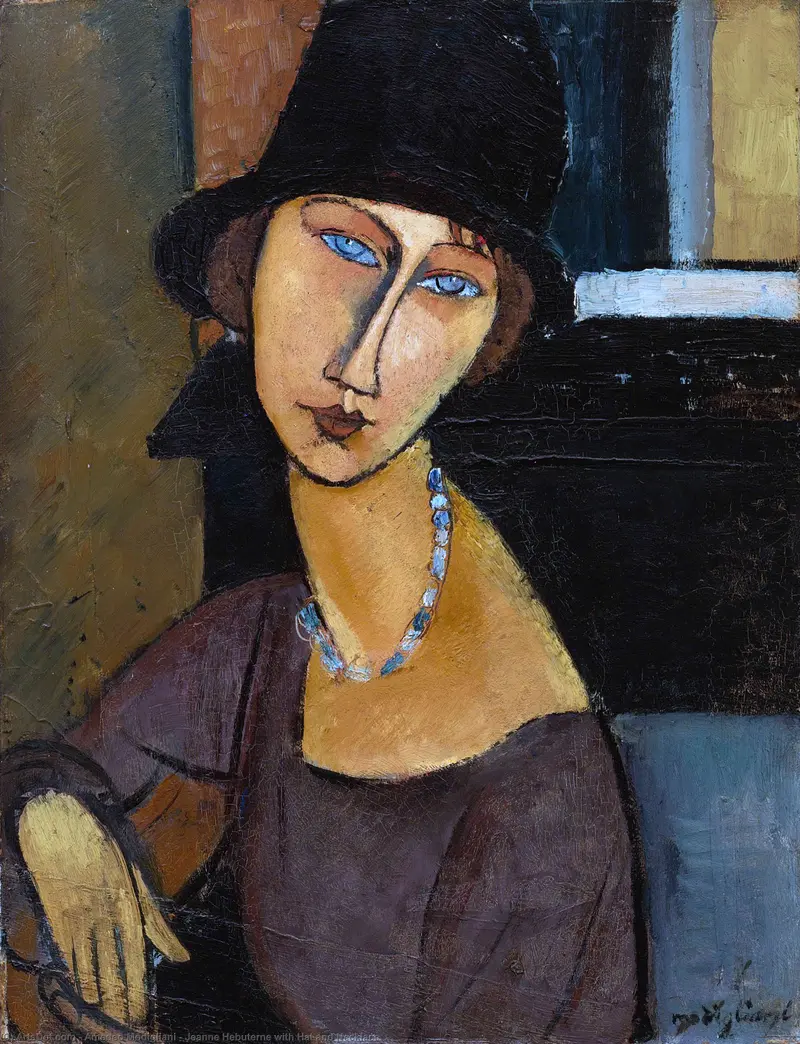
Jeanne Hébuterne with Hat and Necklace
Amedeo Modigliani
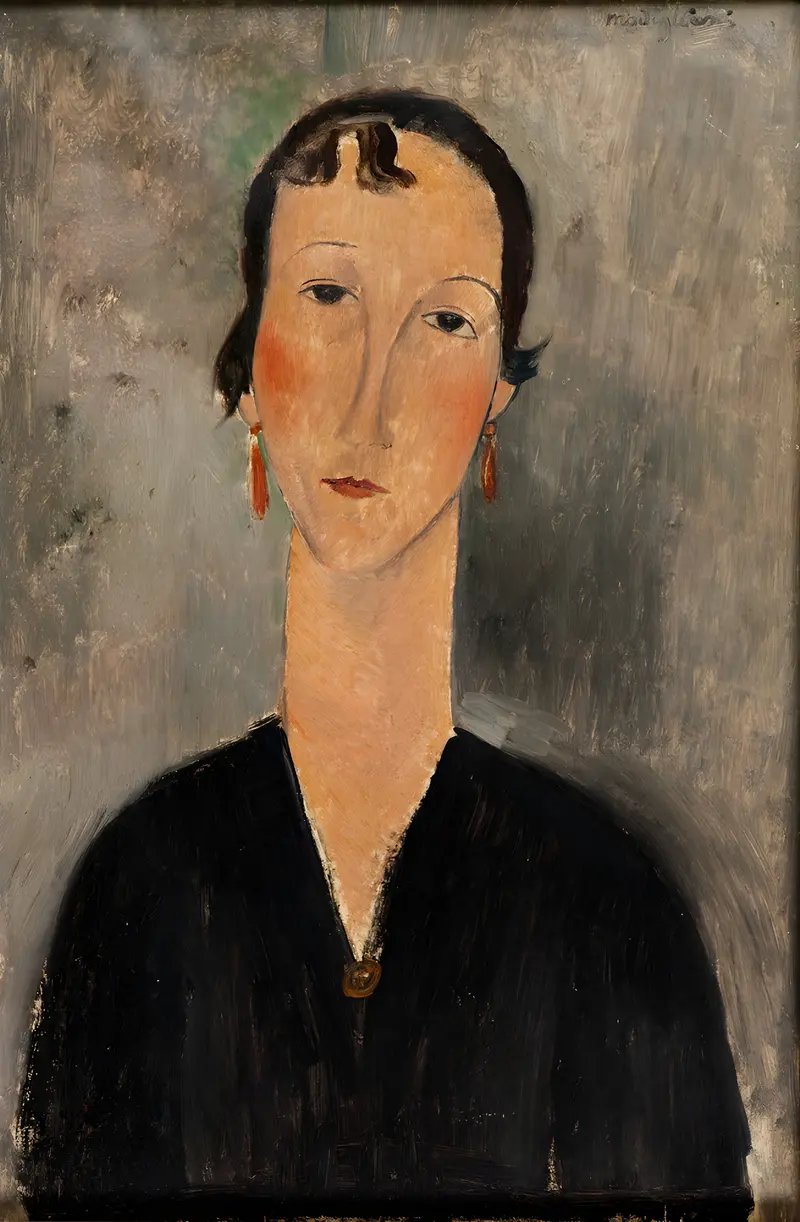
Femme aux boucles d'oreilles
Amedeo Modigliani
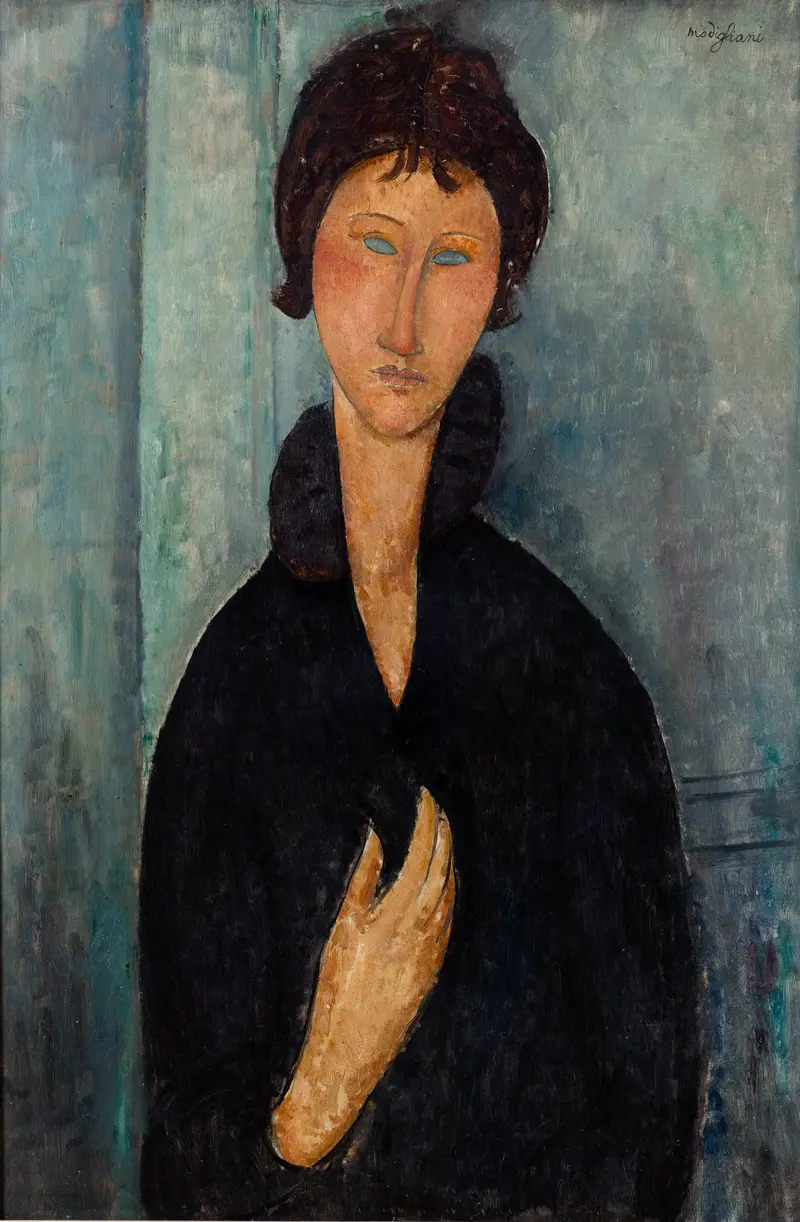
Femme aux yeux bleus
Amedeo Modigliani
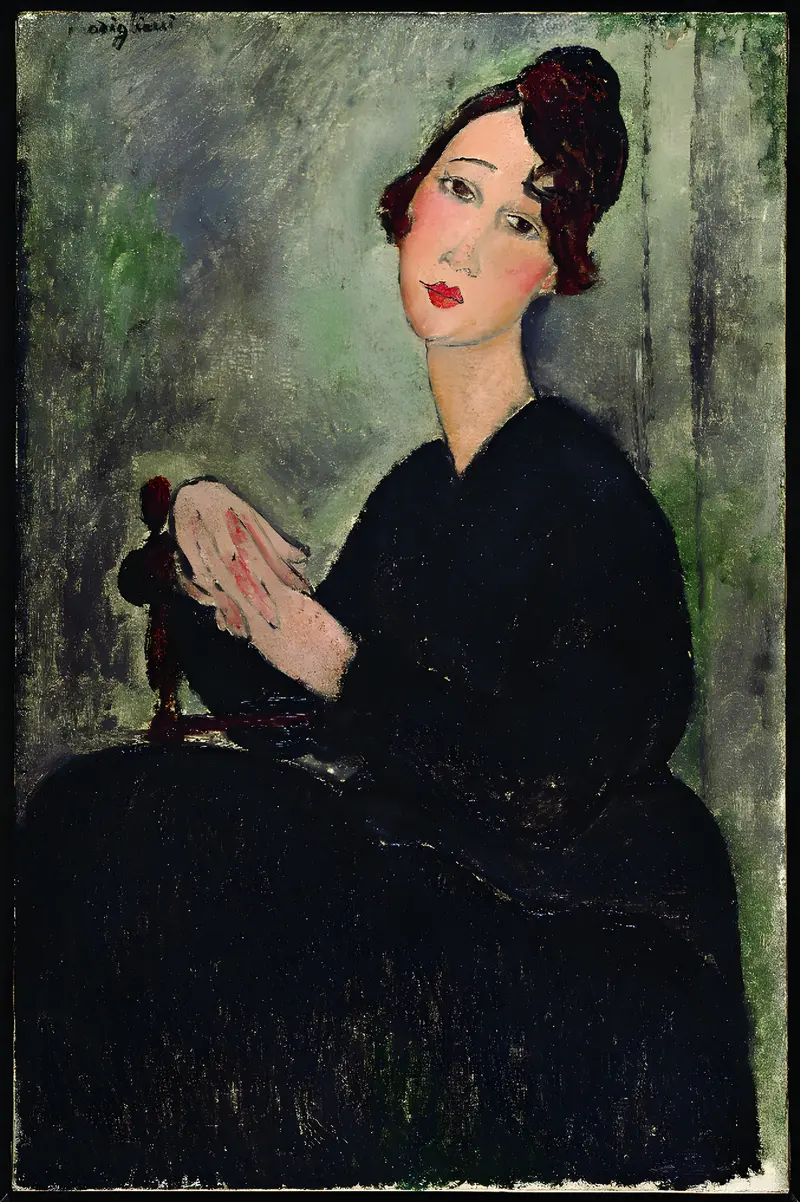
Portrait of Dedie
Amedeo Modigliani
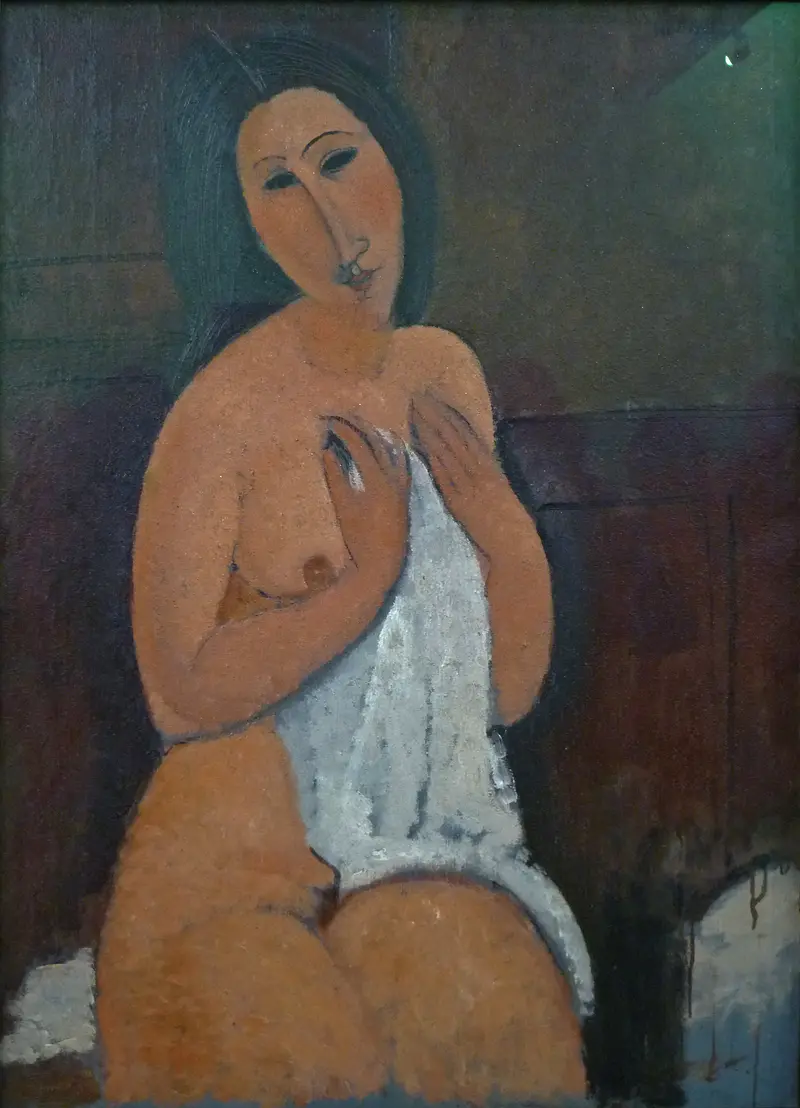
Seated nude with shirt
Amedeo Modigliani
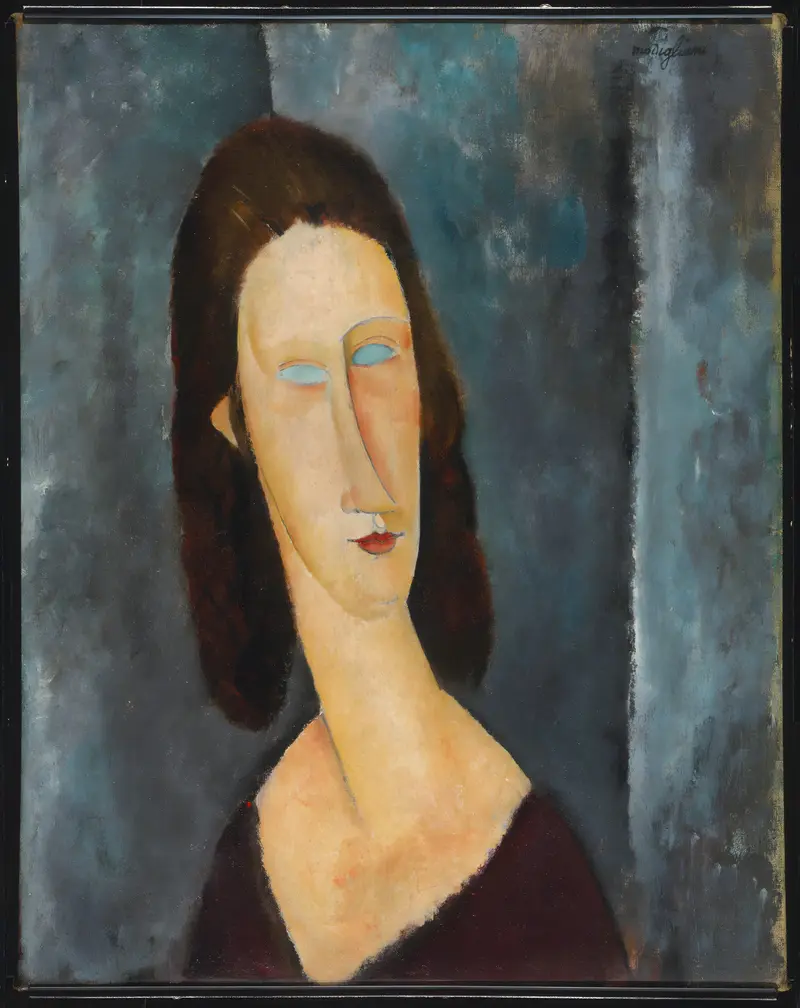
Blue Eyes (Portrait of Madame Jeanne Hébuterne)
Amedeo Modigliani
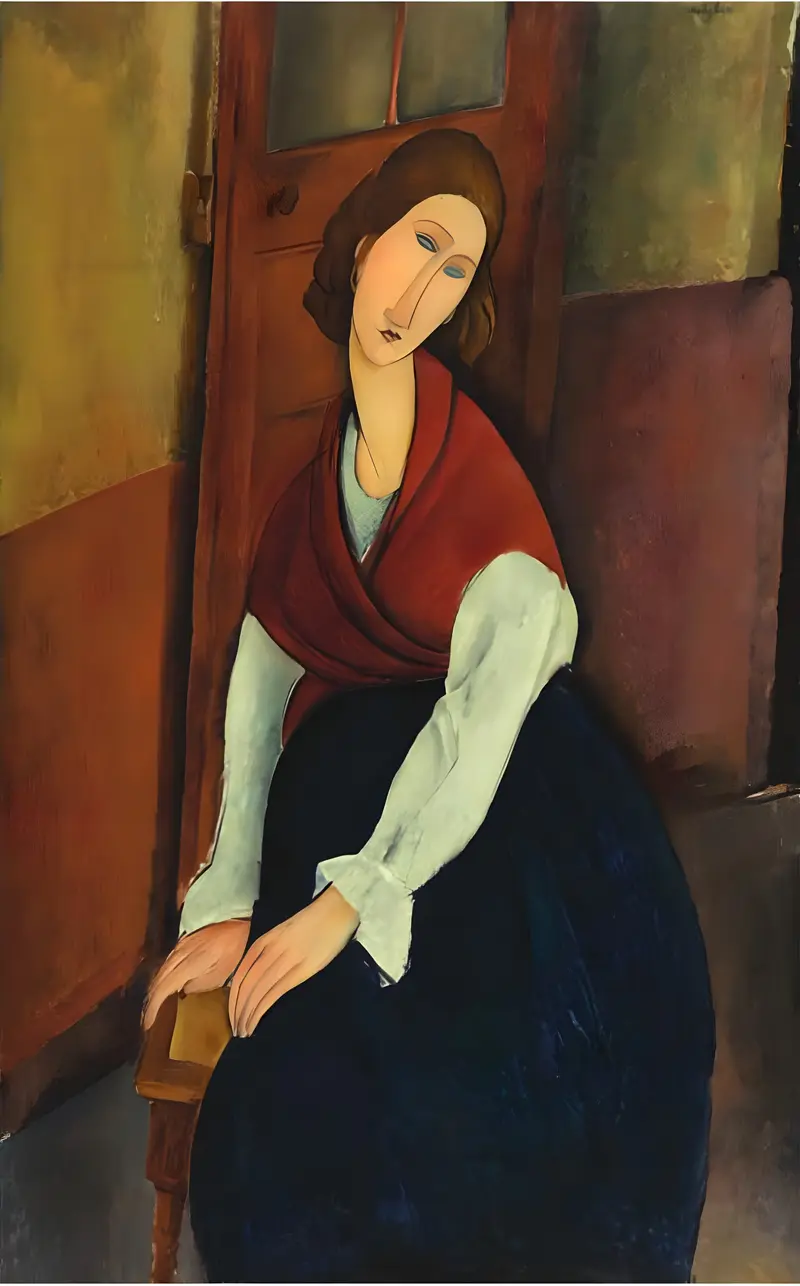
Jeanne Hebuterne in Red Shawl
Amedeo Modigliani



