
Old Roman wine tavern in spring — History & Facts
A sense of ancient revelry lingers in the air, as if the ruins themselves remember laughter. In Old Roman wine tavern in spring, Arnold Böcklin conjures a world where the pleasures of the table and the garden blend seamlessly. Your eye is drawn first to the figures in the foreground—one couple leans together in tipsy camaraderie beside a statue, while another figure reclines alone, half-shielded by foliage, lost in thought or perhaps in the haze of wine.
The architecture rises behind them, half-swallowed by vines and shadow, suggesting a place both cultivated and wild, where nature and civilization are locked in a gentle embrace. The distant rotunda, bathed in soft light, hints at Rome’s grandeur but the mood here is intimate, almost secretive, as if you have stumbled upon a scene of private festivity. This painting, created in 1865, belongs to a moment when artists across Europe were reimagining the ancient world, not as a stage for epic deeds, but as a setting for everyday joys and human frailties. Böcklin—known for his dreamlike landscapes—here turns to the Roman past as a site of nostalgia and escape, a place where the boundaries between myth and daily life blur.
Such scenes were prized by collectors of the era, including the Munich-based Count von Schack, whose gallery sought to assemble visions of history and legend for a modern audience hungry for beauty and meaning. Little is recorded about the specific journey of this work, but its presence in Schack’s 1890 collection tells us it was valued as both a window onto antiquity and a reflection of nineteenth-century longing. The painting invites you to linger, to imagine the stories and laughter that might echo through these ruins still.
More Artworks by Arnold Böcklin

Die Toteninsel III
Arnold Böcklin
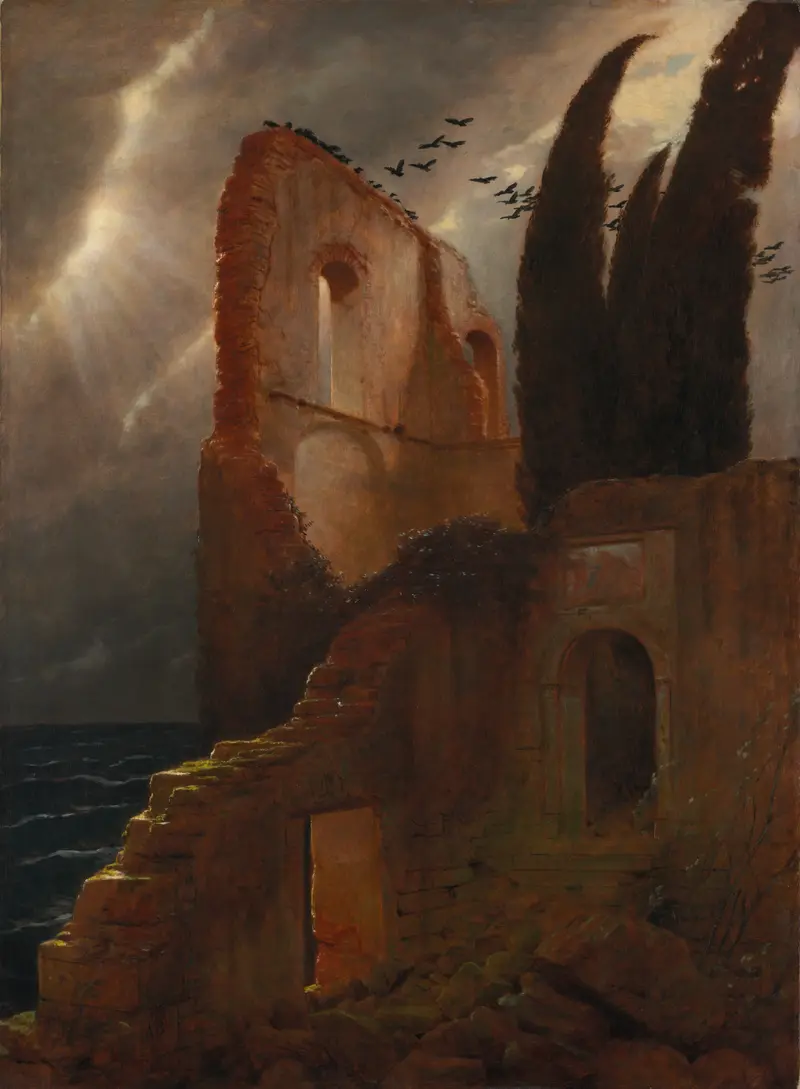
Ruin by the Sea
Arnold Böcklin
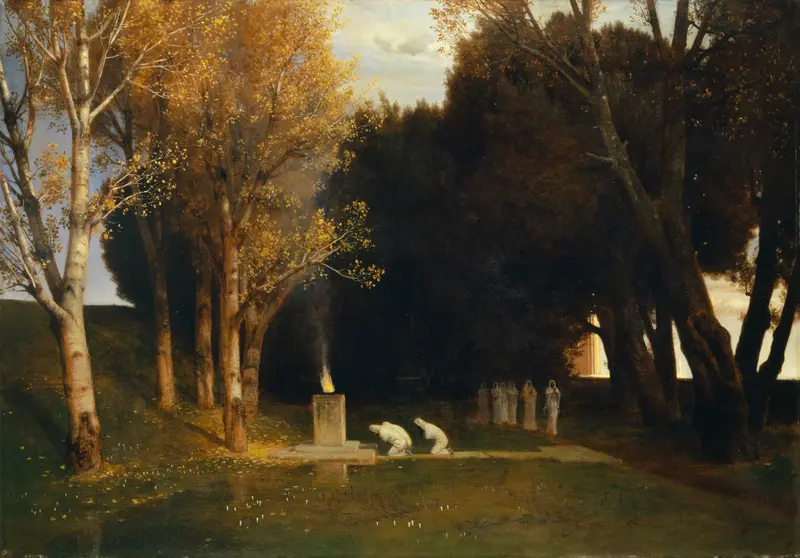
The Sacred Grove
Arnold Böcklin
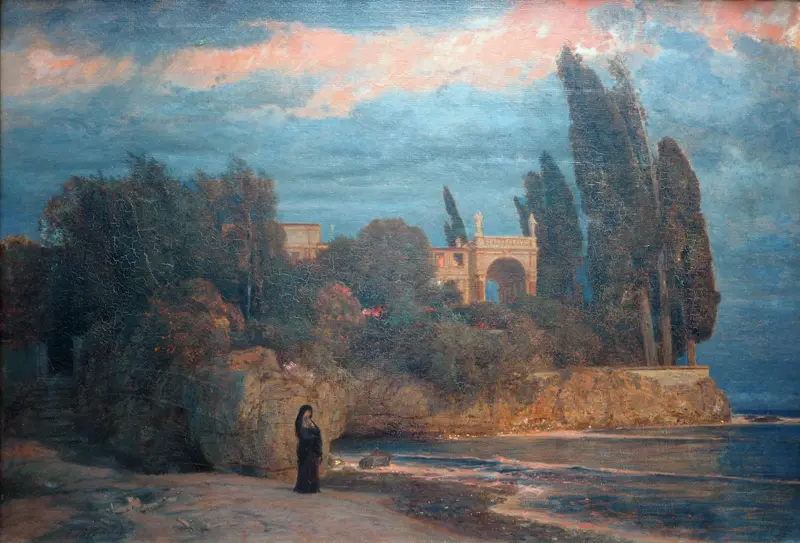
Villa by the Sea
Arnold Böcklin
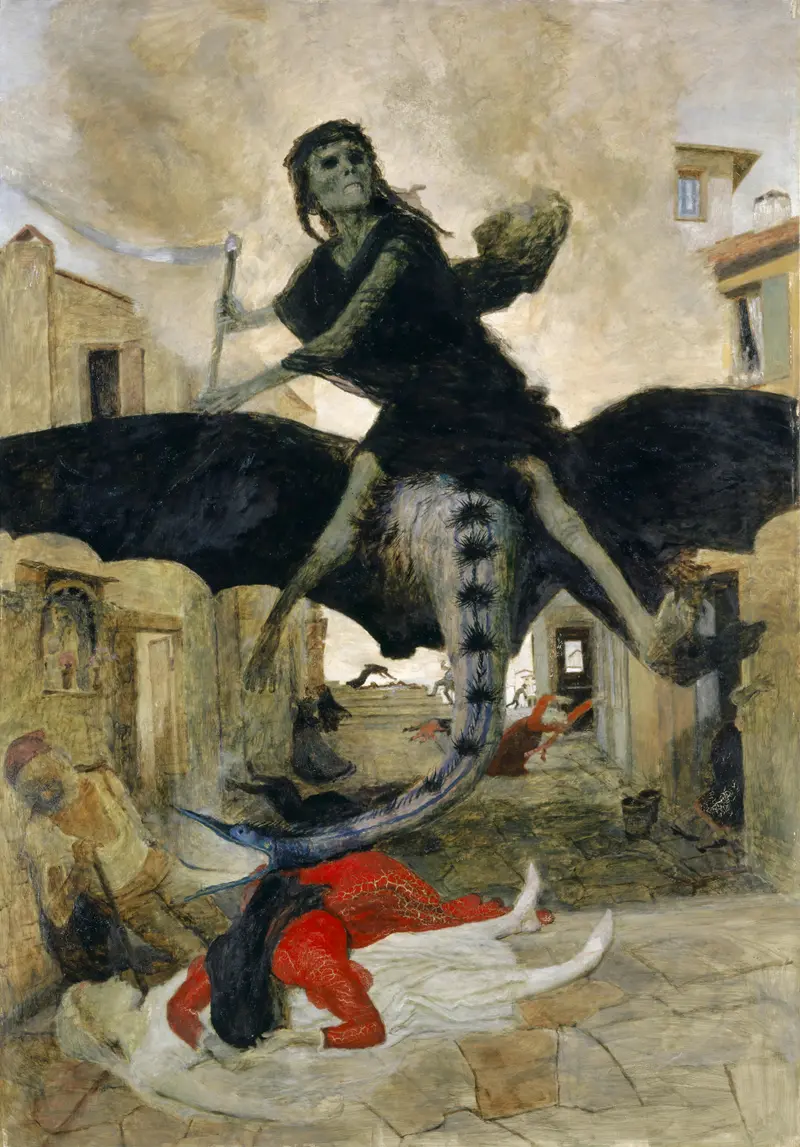
The Plague
Arnold Böcklin
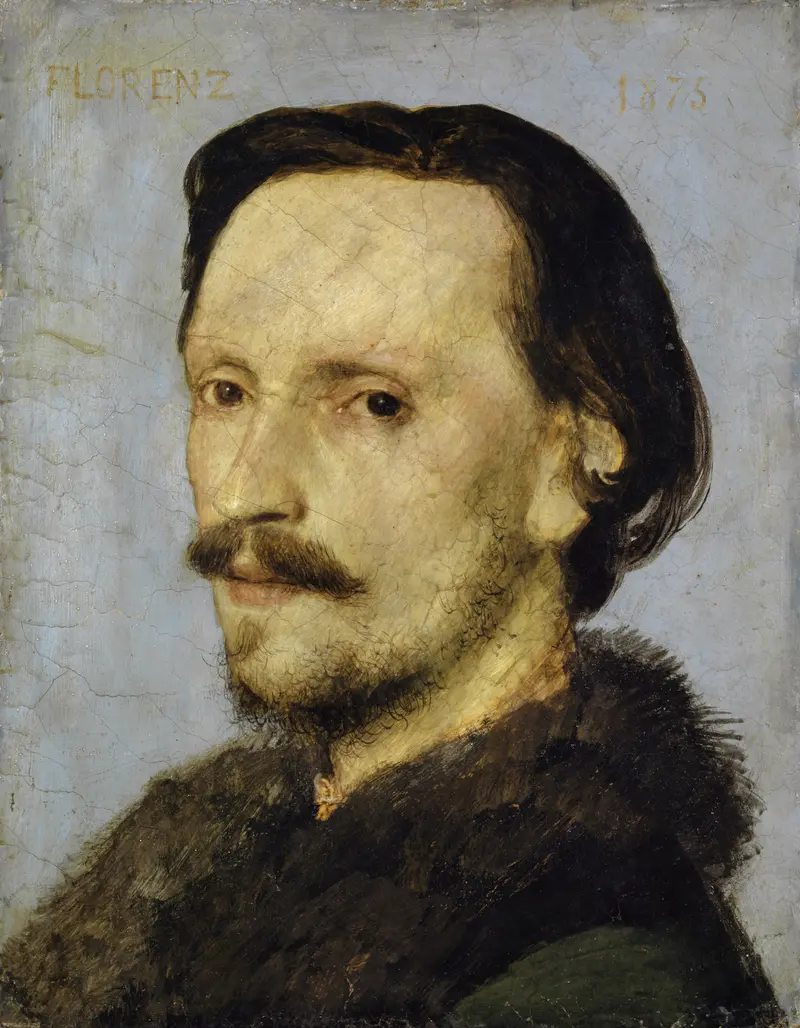
Böcklin Bildnis des Kunsthistorikers Adolph Bayersdorfer, 1875
Arnold Böcklin
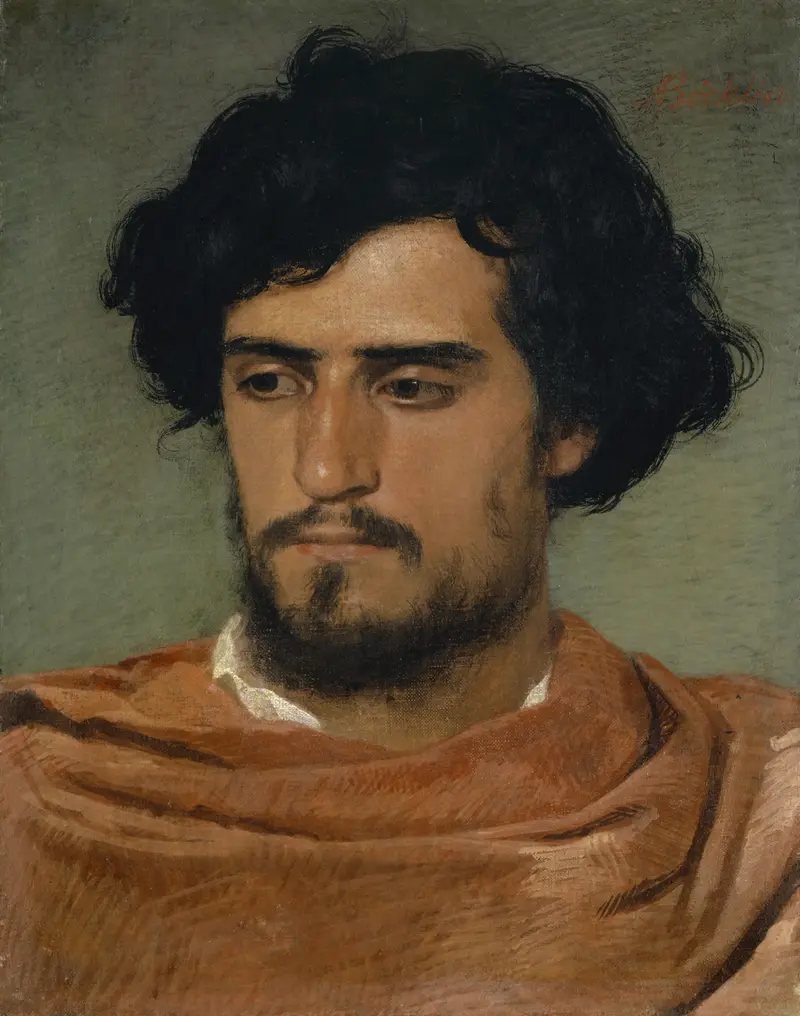
Head of a Roman
Arnold Böcklin
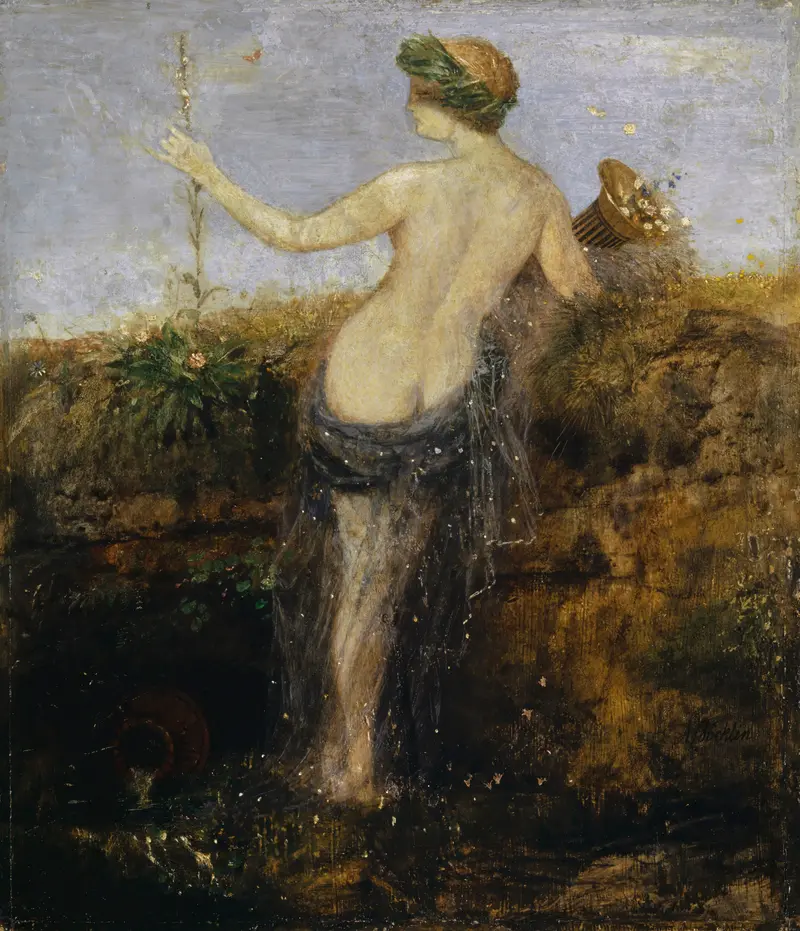
Nymphe with Horn of Plenty
Arnold Böcklin
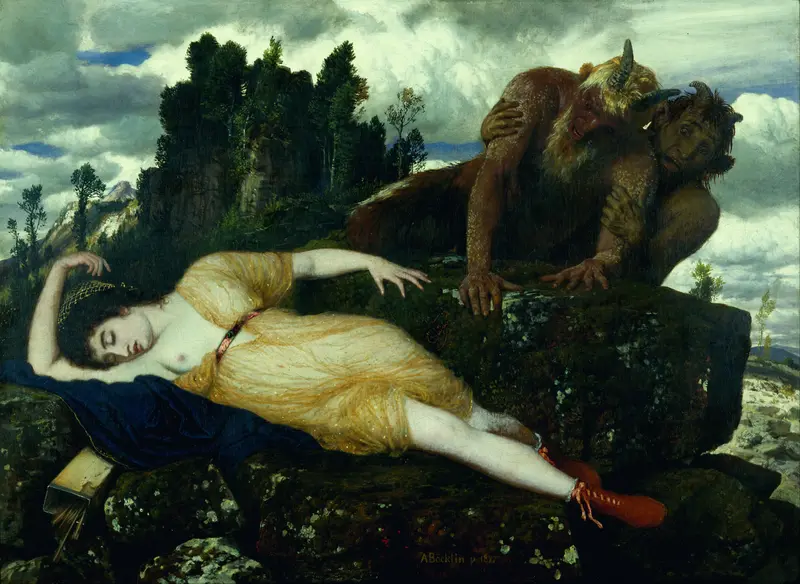
Sleeping Diana Watched by Two Fauns
Arnold Böcklin
Spring (Songs of Spring)
Arnold Böcklin
More Genre Scene Art

Banquet of the Officers of the St George Civic Guard
Frans Hals

Rembrandt and Saskia in the Scene of the Prodigal Son
Rembrandt van Rijn

Bal du moulin de la Galette
Pierre-Auguste Renoir

Quadrille at the Moulin Rouge
Henri de Toulouse-Lautrec

A Burial at Ornans
Gustave Courbet

When Will You Marry?
Paul Gauguin