
Ophelia — History & Facts
The first thing that catches the eye in Ophelia by John William Waterhouse is the tension between stillness and anticipation. The young woman sits at the water’s edge, her pale dress pooling around her, hands raised to her neck as if caught in a moment of decision or reverie. The lilies and wildflowers that surround her serve not only as decoration but as silent witnesses, their delicate forms echoing her own fragility.
The soft, filtered light bathes her in a gentle glow, drawing attention to the rich embroidery at her cuffs and waist—a reminder of her status, even in this secluded, vulnerable moment. The surface of the water, broken by lily pads, suggests both beauty and danger, hinting at a story that is not fully told but deeply felt. Created in 1894, this painting is a product of the late Victorian fascination with literary heroines and tragic beauty, a hallmark of the Pre-Raphaelite movement that Waterhouse often embraced. Such works were prized by collectors who sought to bring the drama and poetry of Shakespeare into their homes, and Ophelia—with her combination of innocence and melancholy—was a favored subject.
While history has kept few traces of this specific canvas’s journey, its style and subject place it firmly in the world of 19th-century British art, where artists and patrons alike were captivated by the interplay of narrative, nature, and emotion. The painting invites the viewer to linger on every detail, searching for clues in the flowers, the pose, and the play of light across fabric and water.
More Artworks by John William Waterhouse
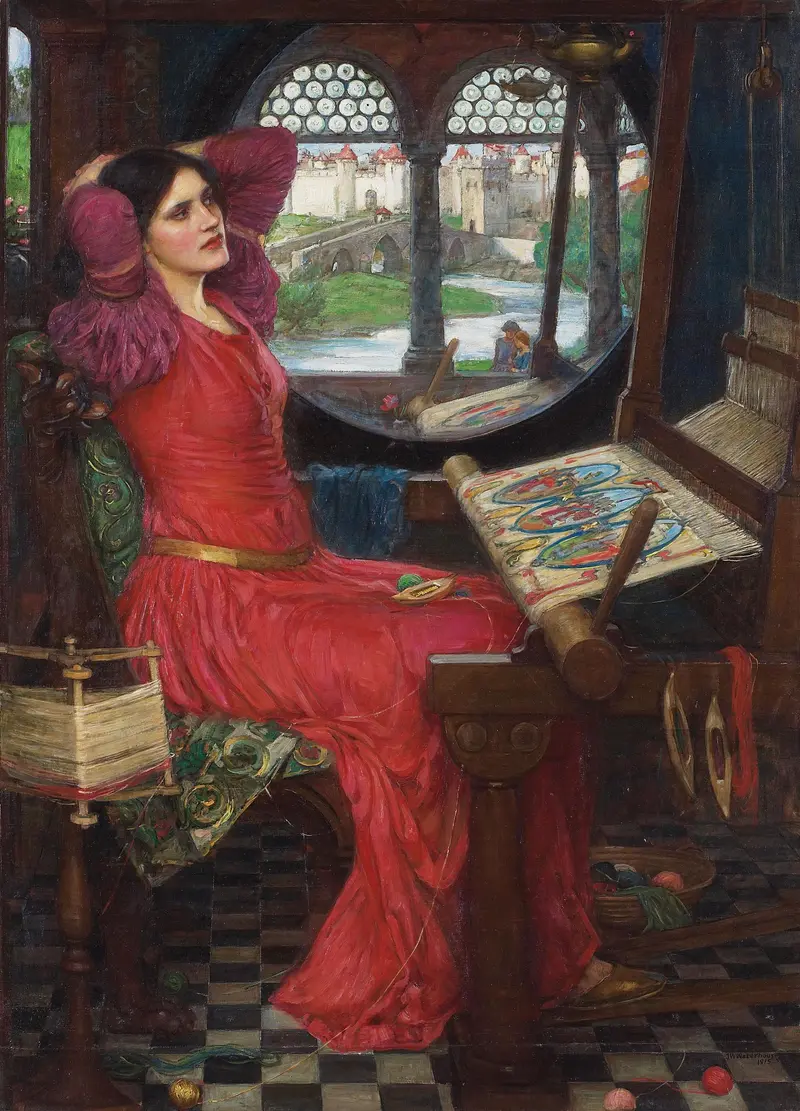
'I Am Half-Sick of Shadows,' Said the Lady of Shalott
John William Waterhouse

The Favourites of the Emperor Honorius, 1883
John William Waterhouse

The Lady of Shalott
John William Waterhouse
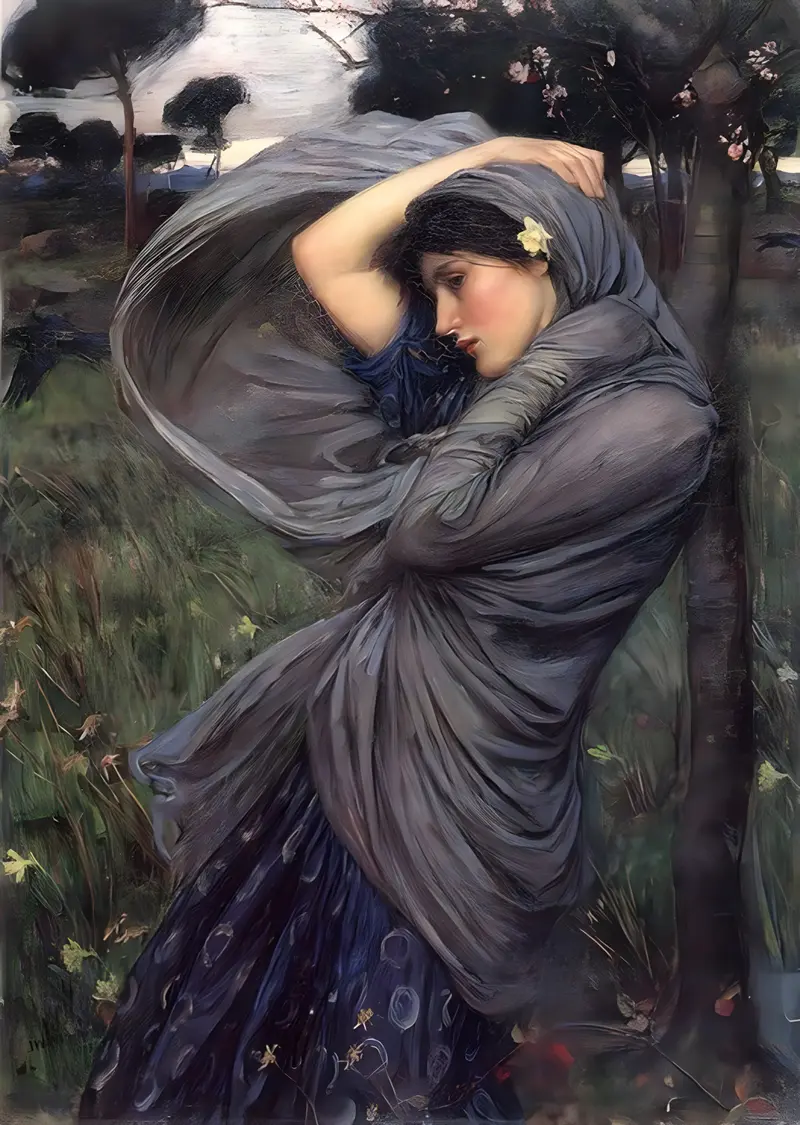
Boreas
John William Waterhouse
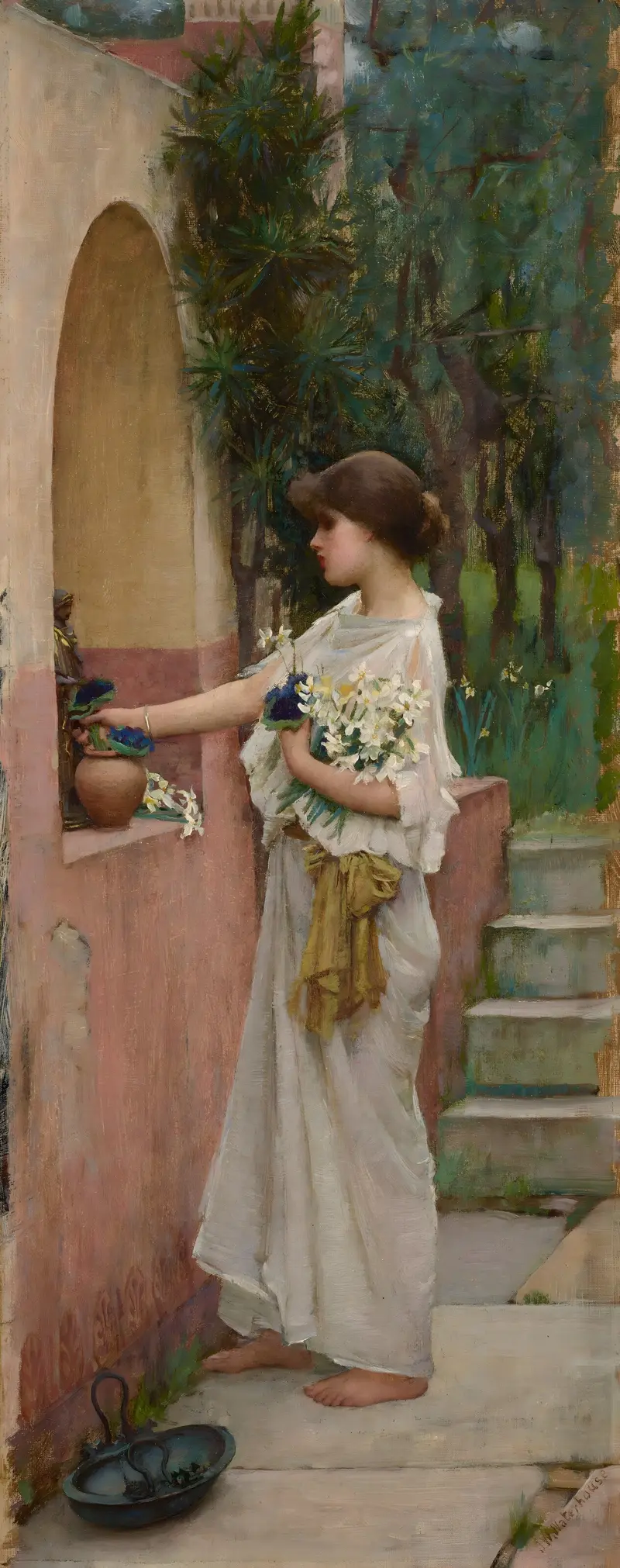
A Roman Offering
John William Waterhouse
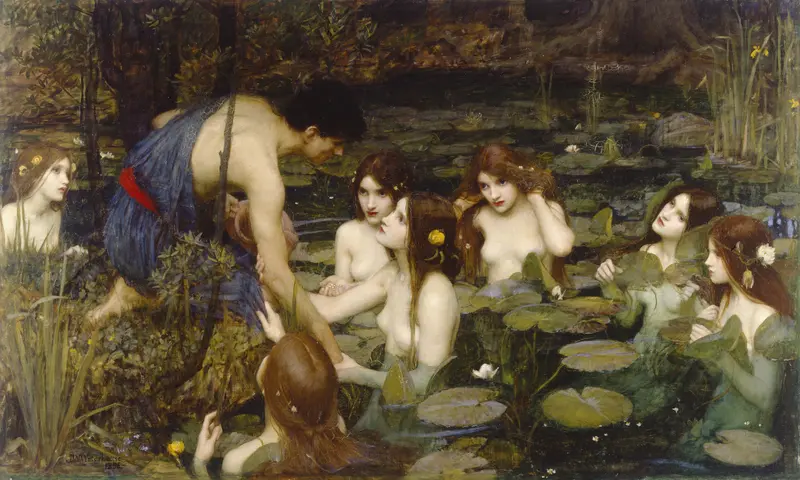
Hylas and the Nymphs
John William Waterhouse
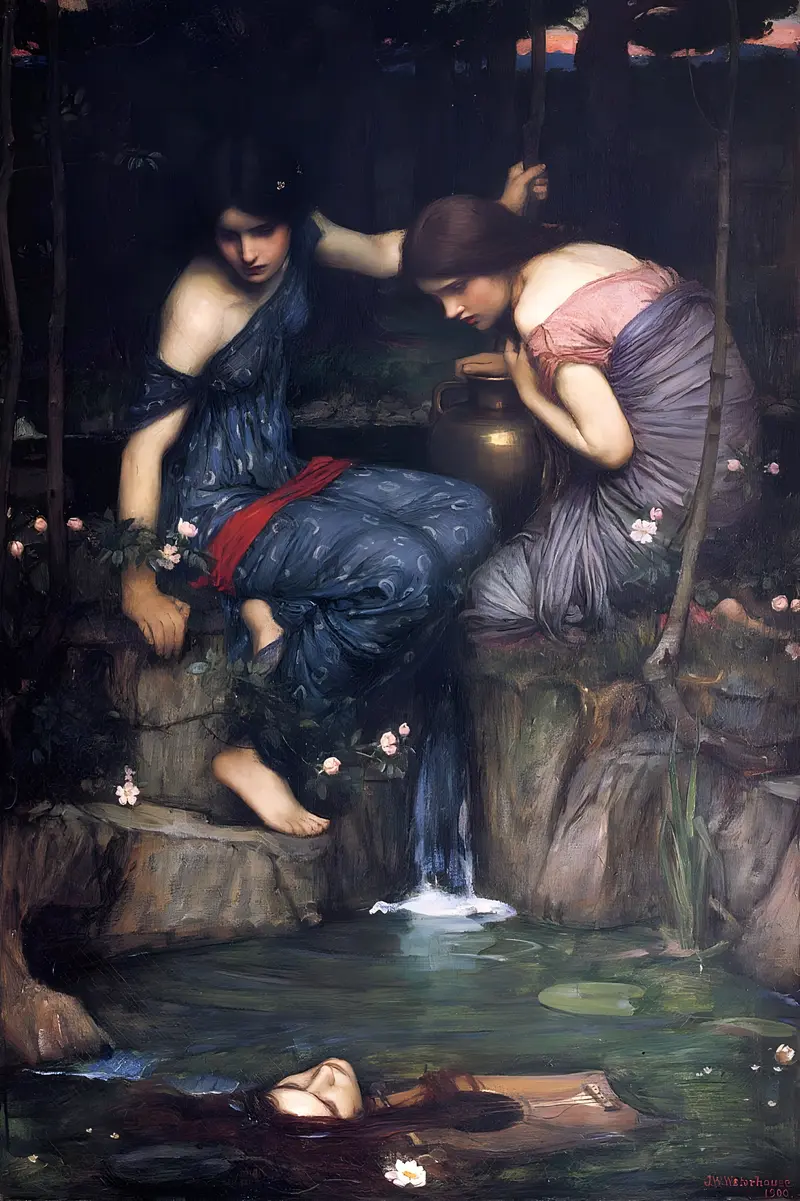
Nymphs Finding the Head of Orpheus
John William Waterhouse
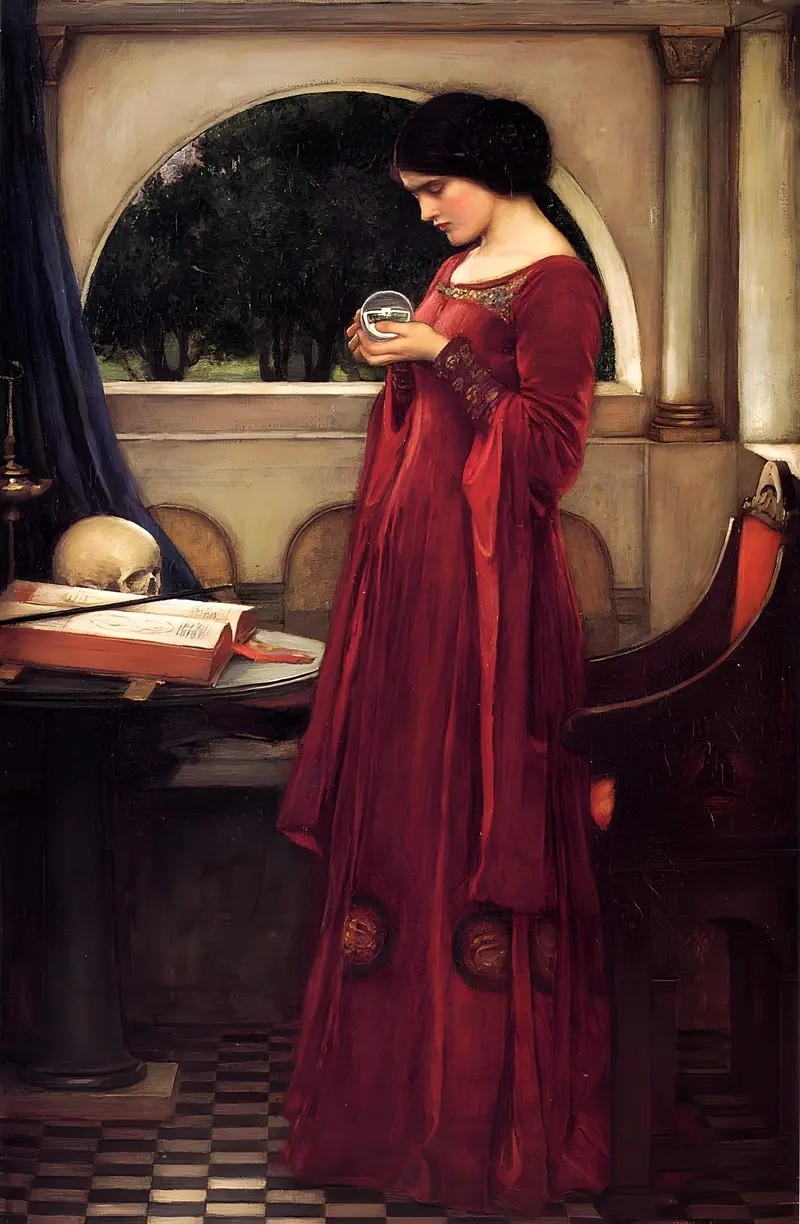
The Crystal Ball
John William Waterhouse
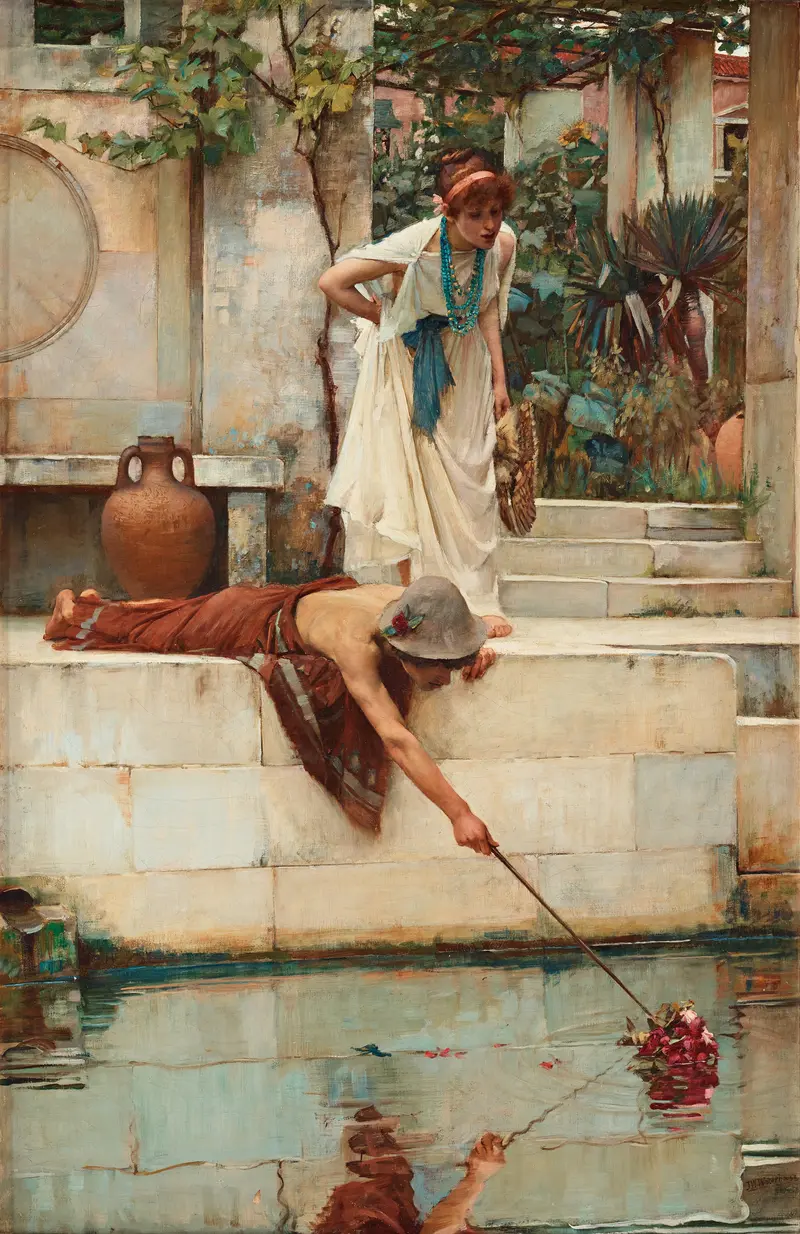
The Rescue
John William Waterhouse
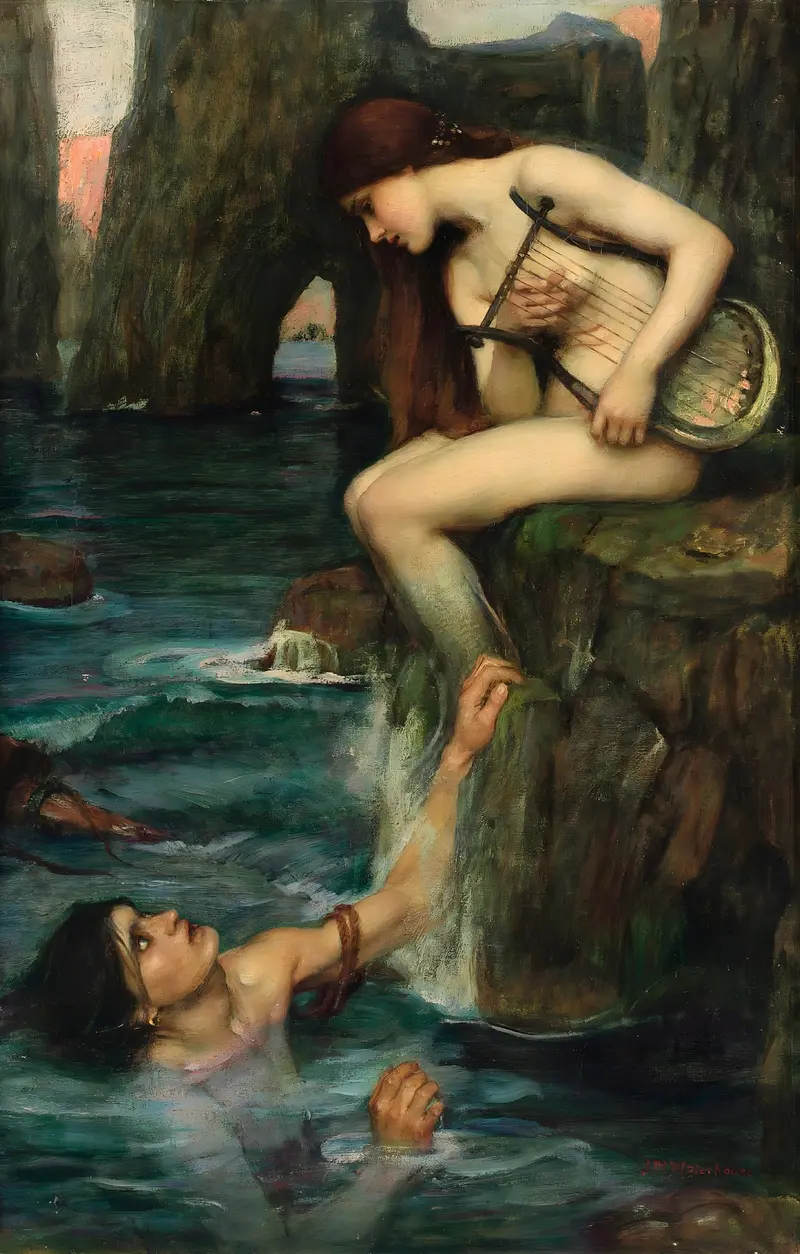
The Siren, 1900
John William Waterhouse



